Story audio is generated using AI
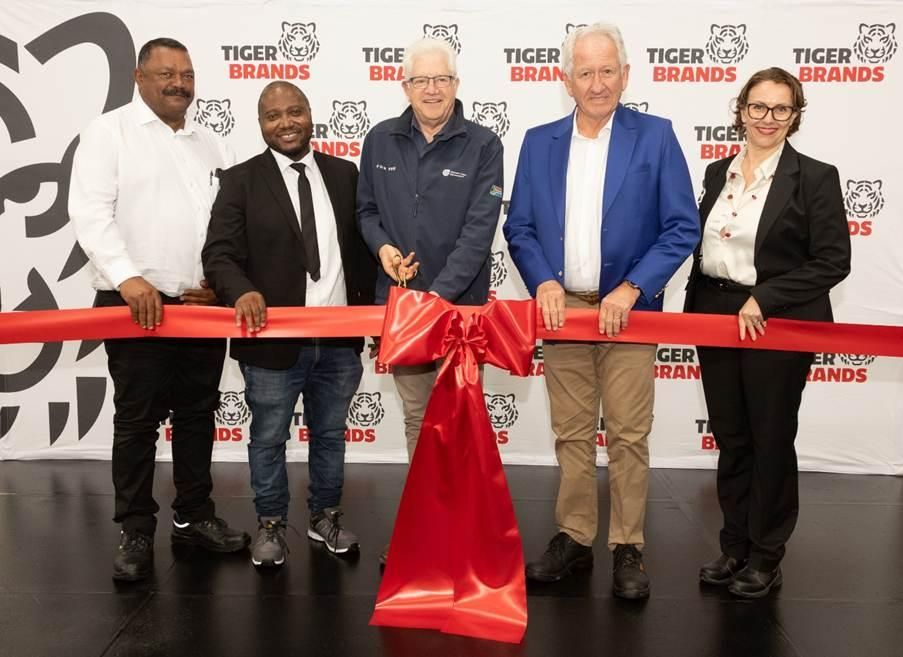
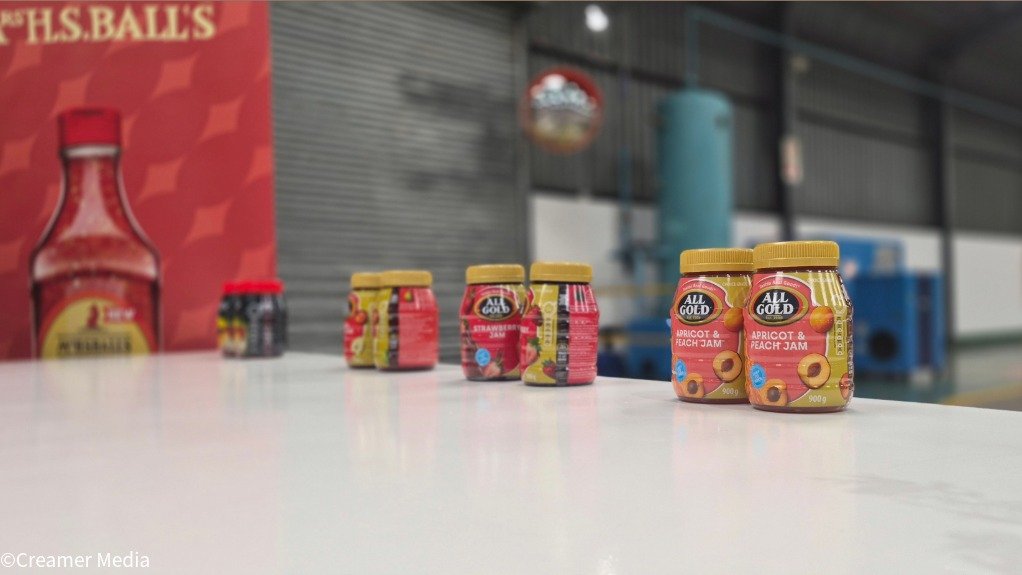
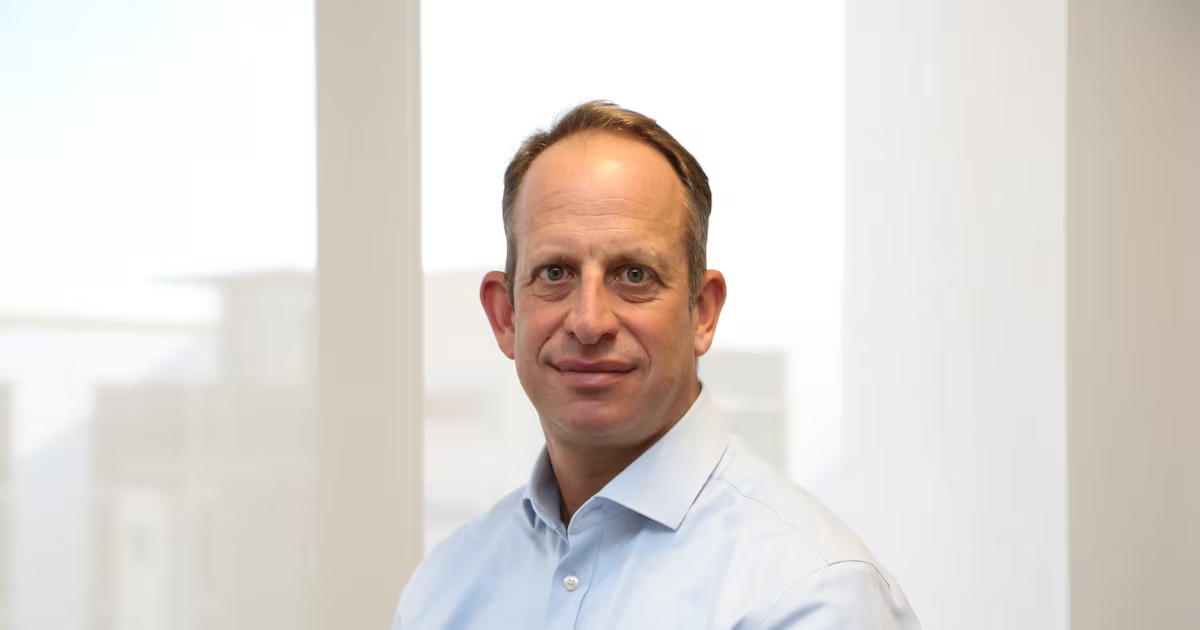
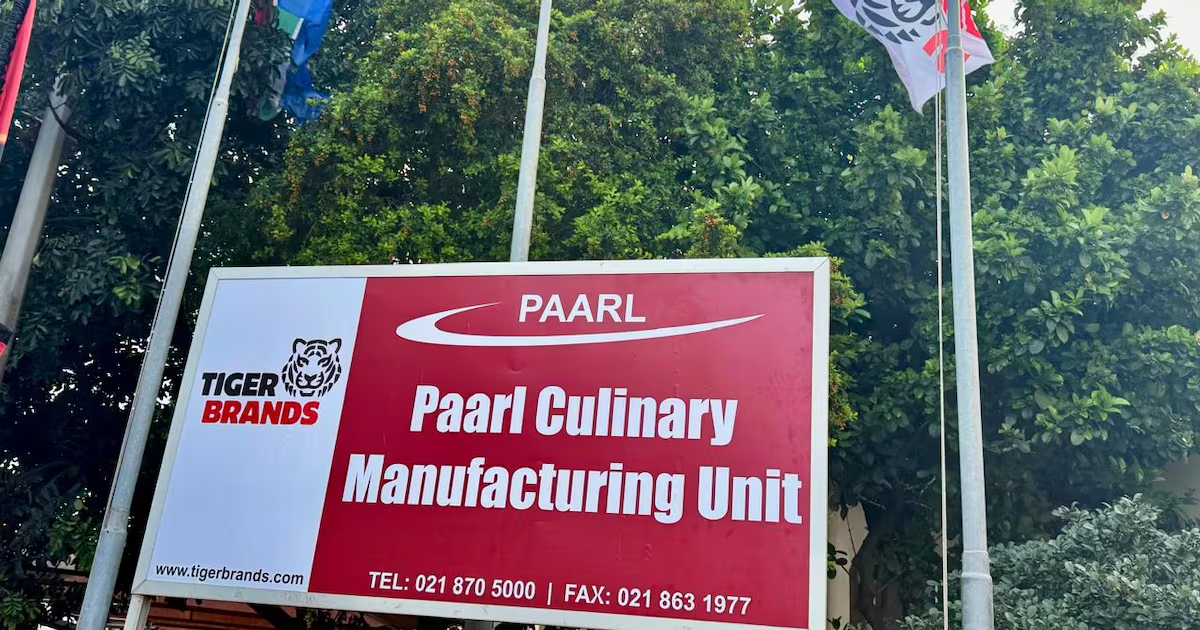
Tiger Brands is betting heavily on growth starting with a freshly commissioned R200m culinary megasite in Paarl, the first of its kind to be completed under a manufacturing overhaul that will see the country’s largest food producer rebuilding its factory network over the next three years.CEO Tjaart Kruger, who rose to the hot seat in 2023, taking on the hard task of righting the ship, said on Monday that with the turnaround now fully completed, the Western Cape investment is evidence of where the group’s focus now lies: growth. He said Tiger Brands’ years of losing competitiveness because its products were simply too expensive have prompted the biggest manufacturing overhauls in the company’s history, as it works to lower production costs and compete more aggressively on price. (Dorothy Kgosi) The strategy is centred on modernising factories, simplifying operations and increasing production efficiency in an effort to lower manufacturing costs and improve the competitiveness of some of South Africa’s best-known food brands.The Paarl utility marks the first major structural investment to go live under the company’s manufacturing overhaul, it said. The historic site has been transformed into a culinary megasite housing three dedicated production plants, including a new vinegar plant, the in-house production of Mrs Ball’s Chutney for the first time, and new recyclable PET packaging lines for jam.The project forms part of a broader capital investment programme in which Tiger Brands will spend about R1.5bn a year on capital expenditure over the next three years. Other projects include a R1bn super bakery in Pretoria, a mega distribution centre in Gauteng, the consolidation of its snacks and treats operations in Durban, upgrades at its Pietermaritzburg mill and the expansion of its Boksburg culinary facility.Kruger said the investment programme is aimed at building larger, more efficient manufacturing facilities capable of producing at lower unit costs.The manufacturing strategy has gone hand in hand with a broader overhaul of the business. Tiger Brands has reduced the number of stock-keeping units by about 30%, sold noncore businesses and decentralised decision-making by giving business units greater responsibility.According to Kruger, these changes have already translated into improved competitiveness on supermarket shelves and stronger financial performance.He said the company’s culinary, grains and biscuits businesses have delivered particularly strong improvements, while its bakery division continues to recover from a weaker starting point. The home and personal care business remains the main area requiring further work, with the company relaunching parts of the Ingram’s range and introducing new product variants.Though Kruger said the turnaround phase has been completed, he stressed that improving the business will remain an ongoing process.He said the next challenge will be ensuring they stayed ahead of rising demand, with some operations already beginning to approach production limits.“If we grow the business, if we get volumes to grow, we run out of capacity, which is a lovely problem to have. Building new factories is the exciting part of Tiger going forward,” he said.The localisation of production is also intended to strengthen supply security by reducing dependence on third-party manufacturers. Vinegar, a key ingredient used in products such as Mrs Ball’s, All Gold Tomato Sauce and Crosse & Blackwell Mayonnaise, will now largely be produced internally, while bringing Mrs Ball’s in-house gives the company greater control over quality and supply.The company said sourcing raw materials from qualified local suppliers will also support South African agriculture and contribute to local economic activity.Western Cape premier Alan Winde, who attended the opening, said investments of this nature strengthen the province’s manufacturing base and create employment in factories and across the wider supply chain.Business Day