Story audio is generated using AI
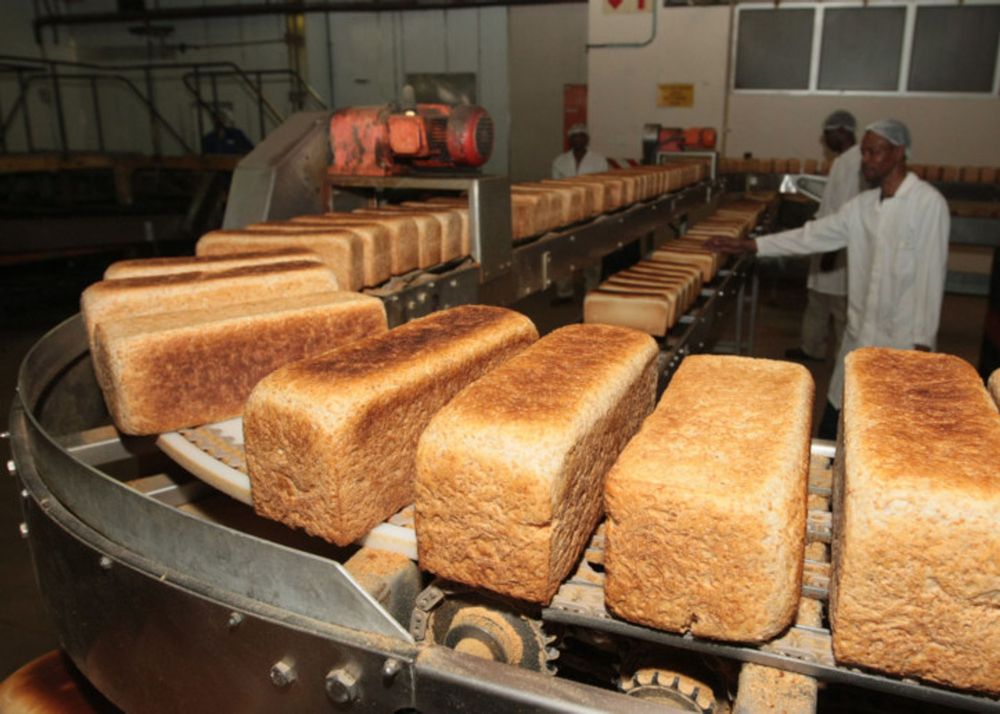
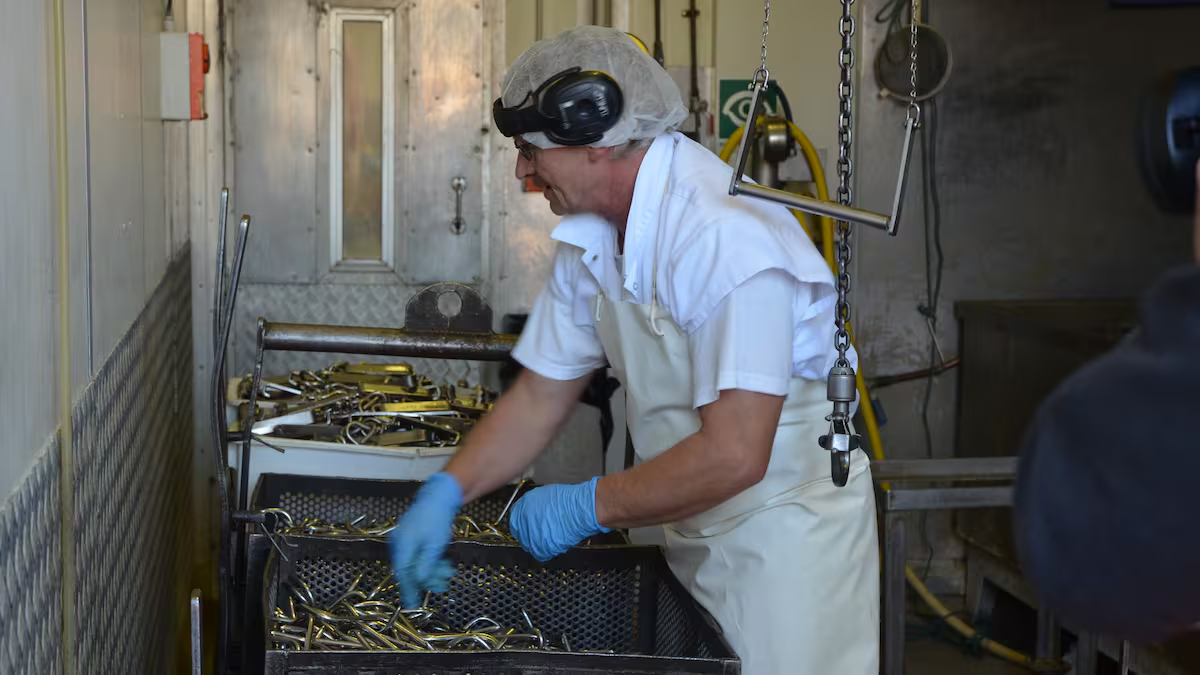
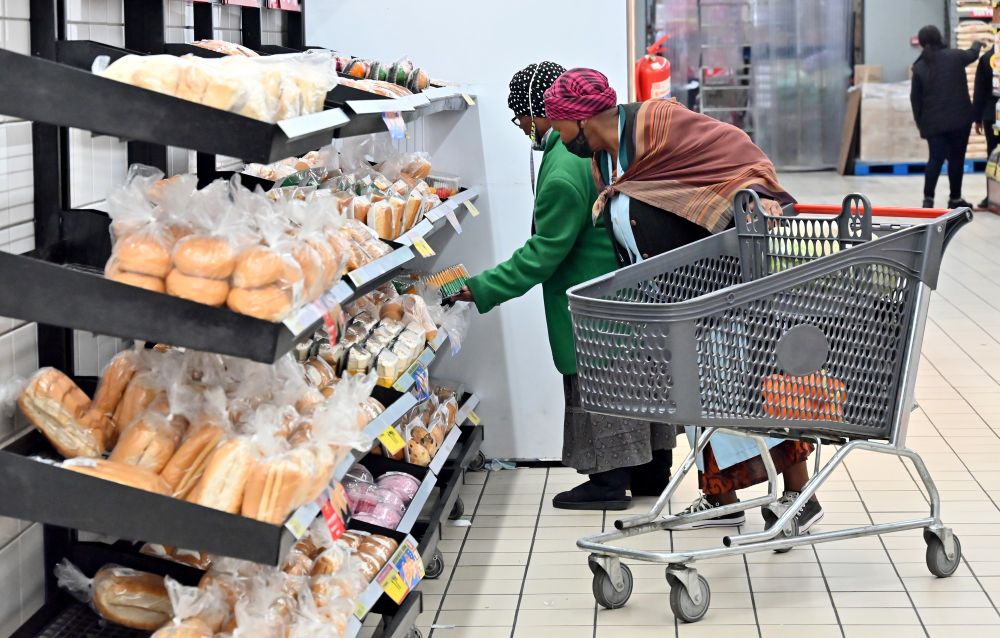
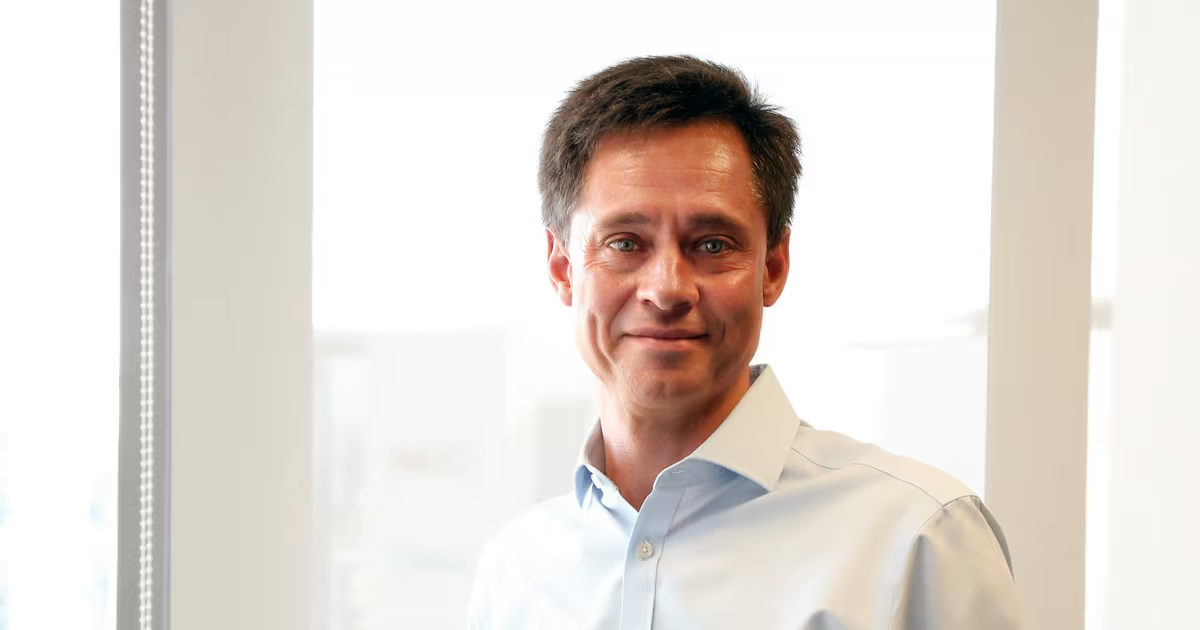
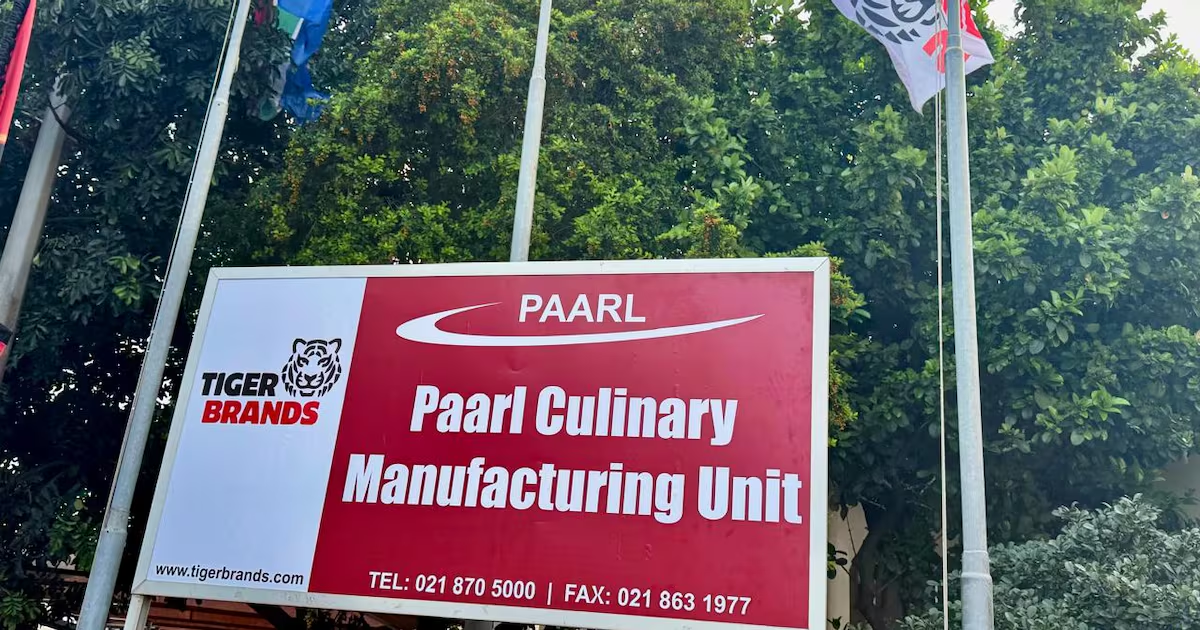
Food producer Premier Group is set to spend about R1.5bn to accelerate expansion projects as it integrates its recent acquisition of RFG Foods and invests in manufacturing capacity across its operations.The investment plan is part of the effort to gain benefits from acquisitions, grow the business and strengthen its position in different consumer segments. Premier produces food products such as Iwisa, Impala and Super Sun maize brands, Blue Ribbon bread, and sweets under brands such as Mister Sweet and Manhattan.Speaking after the release of the company’s 2026 full-year results, CEO Kobus Gertenbach said capital expenditure would be spread across several divisions.“We still have to finish our Aeroton bakery and we’re looking at a lot of projects on the former RFG side, which we now call Premier Culinary,” Gertenbach said. “We’re also looking at investments in our Millbake business. It’s really across the board.”Millbake is Premier’s bread, maize and flour division, and accounts for 81% of group revenue. After the acquisition of RFG, Premier is focusing on integrating its operations and finding ways to improve efficiency and cut costs. Instead of closing factories, streamlining suppliers is now the company’s priority.“We’re much more focused on consolidating suppliers than we are on consolidating manufacturing facilities,” Gertenbach said.The company expects to achieve savings by using Premier’s existing national infrastructure more effectively. For instance, Premier operates its own logistics fleet and distribution network, while RFG historically relied more on outsourced service providers. RFG’s brands include Bull Brand, Hinds and Pakco spices, seasonings and curry powders. The expansion programme comes despite a difficult operating environment marked by rising fuel costs and inflationary pressure on packaging materials. According to Gertenbach, recent fuel price increases alone added around R25m a month to Premier’s costs, while higher prices for oil-based and plastic packaging materials further squeezed margins.The group was ultimately forced to implement price increases for many products. “We were forced to put through approximately 3%-5% price increases across most of our portfolio because we simply couldn’t absorb all of that cost,” he said.For now, management believes the worst of the fuel-related pressure may be easing. With international oil prices retreating below $80 a barrel, Premier does not expect further fuel-driven price increases in the near term.Instead, the company may look to pass some of the benefit back to consumers if lower fuel costs are sustained. “To the extent that we do get relief, we’ll look to pass some of that relief back to consumers through promotional activity,” Gertenbach said. Lebeko Shai, investment analyst at Abax Investments, said food inflation has been quite subdued recently but due to the impact of the war in the Middle East on fuel and packaging, “we might start seeing food inflation ticking up as food producers try to recover some of these costs”.“One must really think about the possible impact of the potential food inflation and higher rates on disposable income. With lower disposable incomes caused by these factors, consumers are likely to prioritise necessities over discretionary spending. As such, products deemed necessities, such as maize meal and rice, in the sector are likely to remain resilient, while some of the more discretionary products might struggle a bit.”Premier reported strong full-year results with net profit up 29.3% to R1.6bn and revenue up 6.6% to R21.2bn. Cash generated from operations rose 39.5% to R3.3bn.Shai said Premier had done a “very good job” since listing. “They have made the right investments in the right areas, which have positively impacted financial performance and should continue doing so in the foreseeable future. “Their acquisition of the RFG group was astute, and the combination of the two companies should yield better results than what would have been the case for two standalone entities.” Premier now operates 52 brands at 44 sites and employs about 15,500 people.