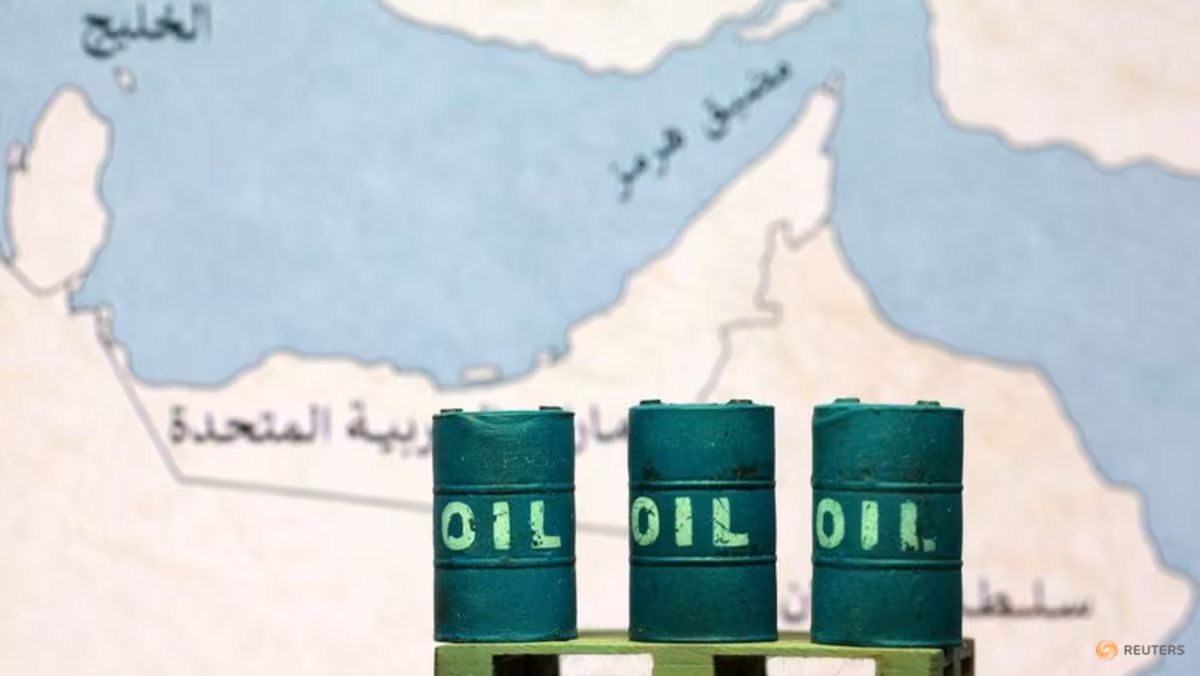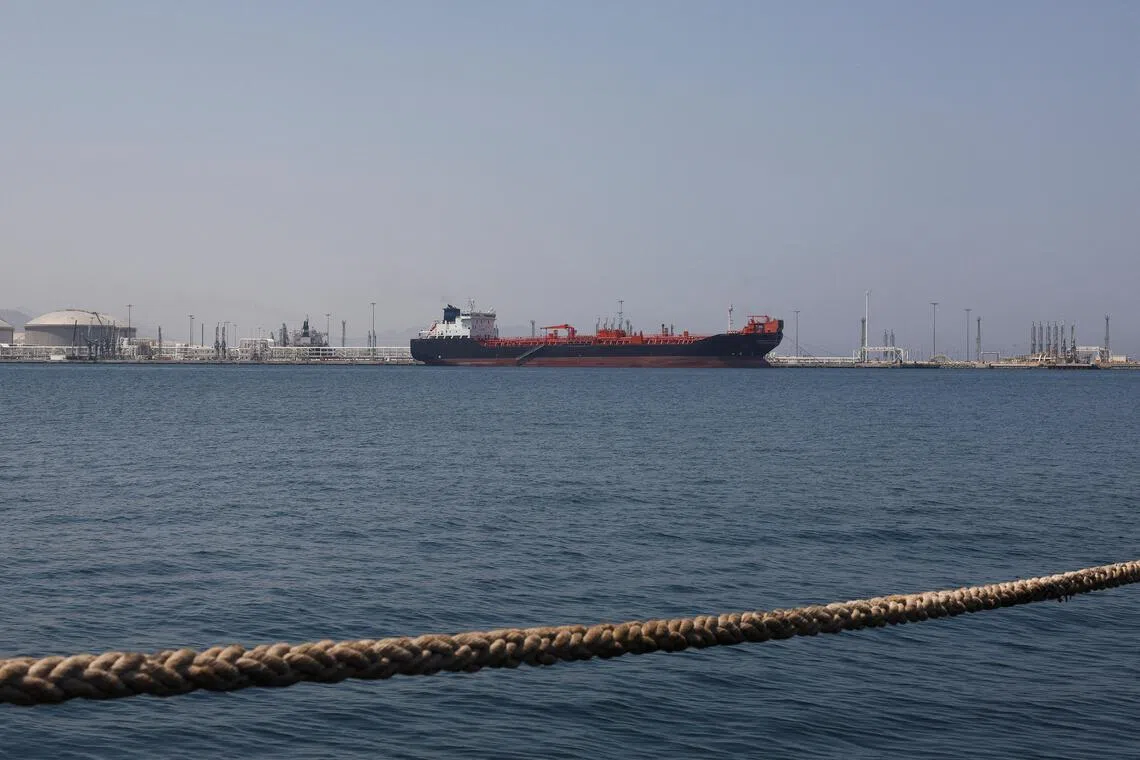
Oil prices continued to trend lower in early Asian trade on Tuesday as a fourth night passed without any attacks from either Iran or the United States.At the time of writing, WTI crude was trading at $81.55 per barrel, down 1.28% on the session, while Brent crude had slipped to $87.36 per barrel, a decline of 1.13%.On Monday, President Trump sought to boost hopes of a diplomatic resolution between Washington and Tehran by claiming that the U.S. was engaged in "good talks" with Iran. Iranian officials echoed that sentiment, although both parties have made it clear that they are ready to restart hostilities at any point should diplomacy fail.Despite the pullback, oil prices remain elevated as shipping disruptions continue to weigh on Middle East energy flows, with particular concerns over Red Sea traffic as the Houthis attempt to replicate Iran's control over the Strait of Hormuz. Traffic through the Bab el-Mandeb Strait did drop on Sunday following a Houthi attack on Saudi oil installations along the Red Sea coast, but the Yemeni group does not pose quite as large a threat as Iran does over Hormuz.Alongside a falling geopolitical risk premium, demand destruction is helping to drag prices lower, with $100 oil already hurting consumption. Last week, the EIA reported inventory builds across the board, which was perhaps one of the first signs of demand destruction kicking in. Markets will be closely watching the American Petroleum Institute inventory estimates due out later today to confirm that trend.For now, geopolitics remain front and center for oil markets, with any escalation in the Middle East sure to send prices soaring while signs of a diplomatic breakthrough will send prices even lower.By Charles Kennedy for Oilprice.comMore Top Reads From Oilprice.comSaudi Crude Tanker Goes Dark to Slip Through Bab el-MandebHormuz Tanker Crossings Sink to Lowest Level Since May as War Risk SpikesADNOC Issues Seventh Crude Tender Since June Despite Hormuz, Red Sea Risks
Oil Prices Extend Losses as U.S.-Iran Calm Holds for Another Night | OilPrice.com
Oil prices fell again as the absence of new U.S.-Iran attacks and hopes for diplomacy outweighed ongoing Middle East shipping disruptions.
319 words~1 min read