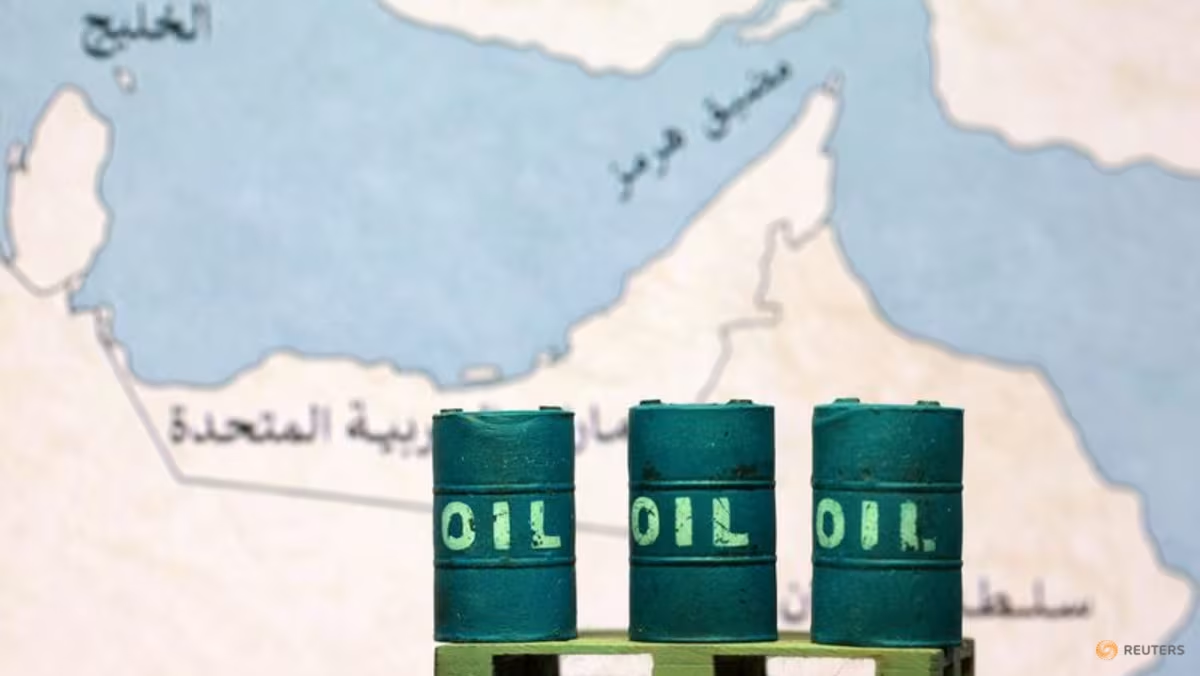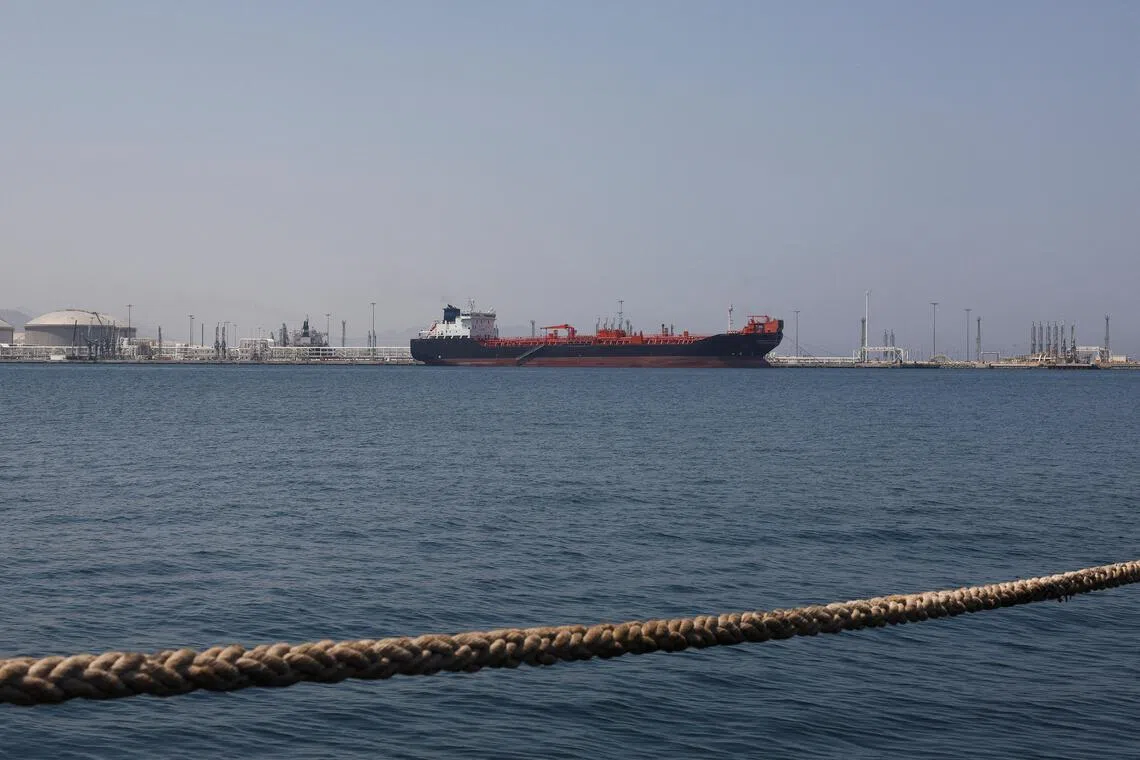
Oil prices slipped 1% on Tuesday as traders assessed the possibility of a diplomatic breakthrough between the US and Iran after Washington paused its strikes. The development has raised hopes that the conflict could ease and that energy flows across the Middle East may eventually return to normal.Crude oil price on July 28Brent crude futures were down $0.78, or 1%, at $88 a barrel, while US West Texas Intermediate crude fell $0.88, or 1.1%, to $82. Both benchmarks had dropped 1% earlier in the session, touching their lowest levels in more than a week. In the previous session, Brent crude futures fell $8.42, or 8.7%, to settle at $88.36 a barrel, the lowest since July 17. U.S. West Texas Intermediate crude futures fell $6.70, or 7.5%, to close at $82.61, the lowest since July 16.Also read: Oil crosses $100: A 'perfect hurricane' can trigger bigger shock soonUS President Donald Trump said on Monday that the US was engaged in "good talks" with Iran and that a resolution was possible. He also warned that US strikes would resume if negotiations broke down. Iran has issued similar warnings about retaliation.The conflict continues to pose risks to regional shipping. Afrah al-Zouba, the foreign minister-designate of Yemen's internationally recognised Saudi-backed government, said Yemen-based Houthi fighters were seeking to replicate Iran's control over shipping through the Strait of Hormuz at the Bab el-Mandeb.A lasting peace agreement remains difficult, with negotiators still having to resolve major differences over Iran's nuclear programme, sanctions relief and Tehran's backing for proxy groups across the Middle East.For oil markets, one of the biggest priorities is restoring maritime safety and ensuring unrestricted two-way shipping through the Strait of Hormuz. Before the conflict, the strategically important waterway carried a fifth of global oil supplies. It remains closed as the US continues its blockade.Oman, which lies across the strait from Iran, has taken on an important role in the negotiations. An Omani delegation was reportedly in Tehran on Friday and Saturday as part of efforts to reach a provisional arrangement for managing shipping through the waterway.Where are prices headed?The outlook for oil prices remains highly sensitive to the duration of the disruption. JPMorgan said every additional month of supply disruption could push Brent prices up by around $7 to $8 a barrel. If the disruption were to continue for three months, monthly average Brent prices could reach around $114 a barrel.Read more: Indian refiners scout new crude sources as Gulf risks riseGoldman Sachs has also warned that Brent could rise to $120 a barrel if shipping disruptions through the Strait of Hormuz, the world's most important oil transit route, persist. Its base case remains that tensions in the Middle East will eventually ease.If the conflict subsides, Goldman Sachs expects Brent to average $80 a barrel in the fourth quarter and $75 next year. However, the bank said risks to these forecasts remain "tilted to the upside", citing the possibility of prolonged disruptions to shipping through both the Strait of Hormuz and the Red Sea.Anindya Banerjee, Head of Commodity Research at Kotak Securities, said geopolitical developments were once again influencing crude oil prices. "Any strike on major Gulf export infrastructure could force a retest of $95-100 and beyond," he said.Banerjee said the market was now looking beyond military strikes and paying greater attention to the weakening prospects of a diplomatic breakthrough. Tehran has introduced new conditions for restarting negotiations, he said, while each new development has pushed back the return of normal tanker traffic through the Strait of Hormuz. Shipping activity through the waterway remains well below pre-war levels.Despite Tuesday's sharp decline, crude oil prices are still close to 30% higher for the month. With shipping through the Strait of Hormuz continuing to run far below normal levels, the underlying supply risk remains even as immediate pressure on prices has eased.(Disclaimer: Recommendations, suggestions, views and opinions given by the experts are their own. These do not represent the views of Economic Times)
Oil Price Today (July 28): Crude oil dips 10% in two sessions as US, Iran mull peace talks. What are experts saying?
Brent crude futures were down $0.78, or 1%, at $88 a barrel, while US West Texas Intermediate crude fell $0.88, or 1.1%, to $82. Both benchmarks had dropped 1% earlier in the session, touching their lowest levels in more than a week.
658 words~3 min read