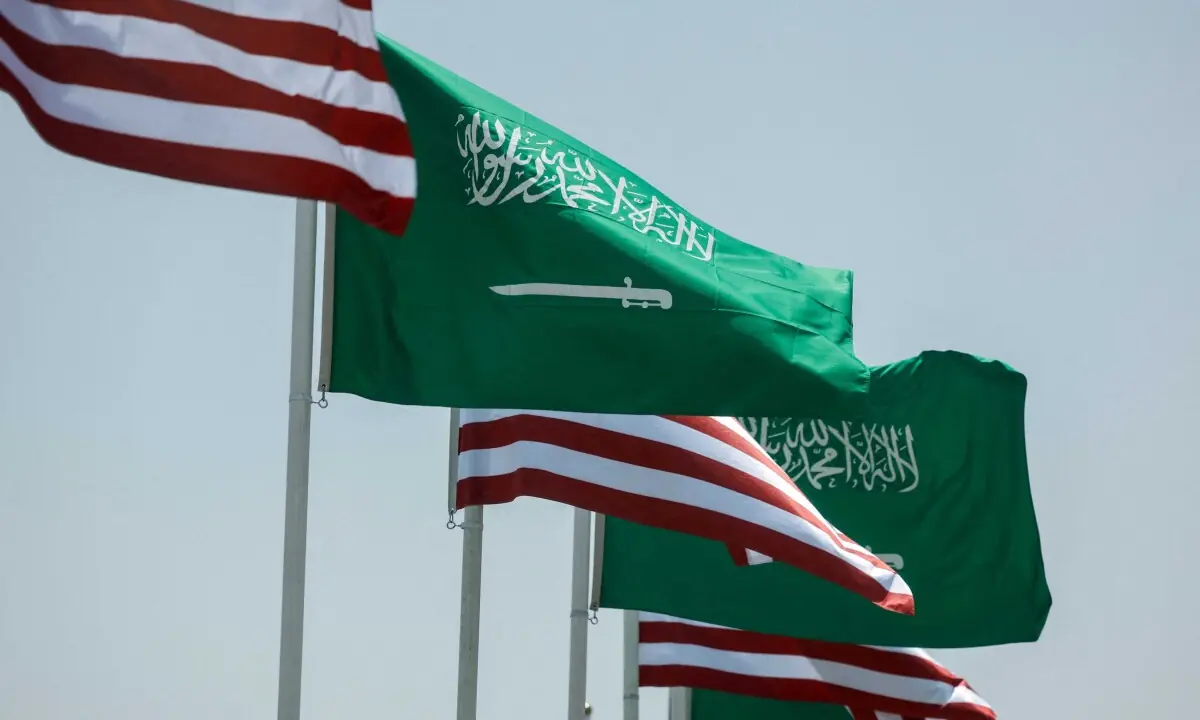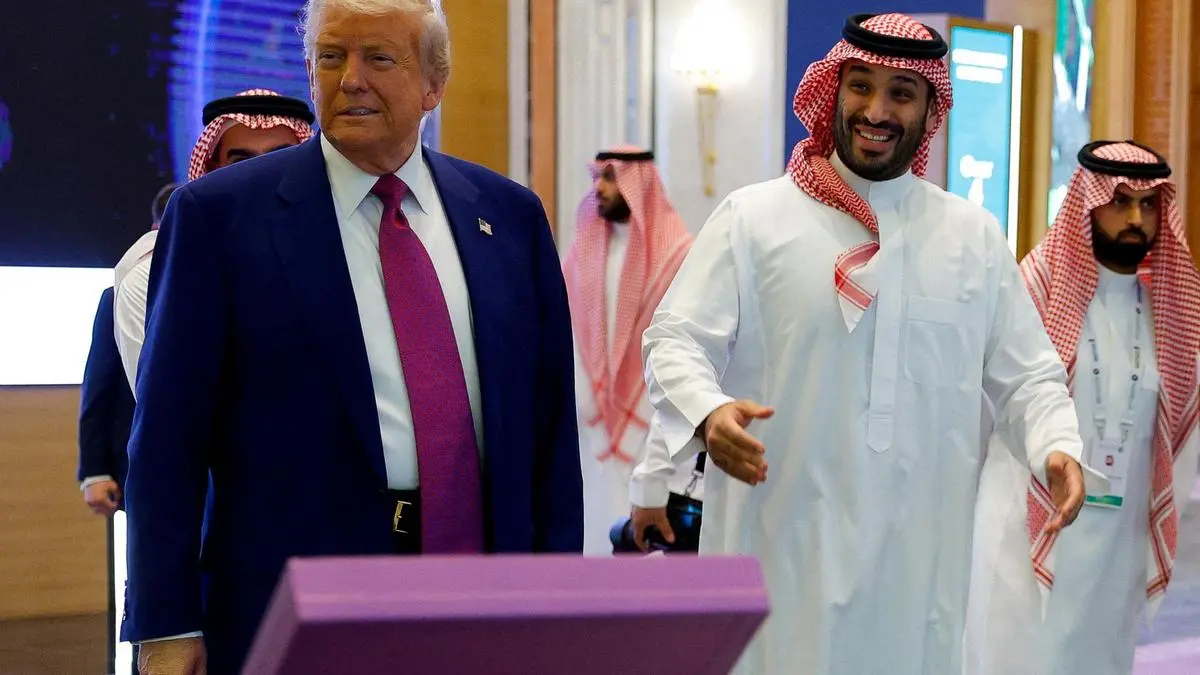
It is no secret that Washington and Riyadh have been discussing the civilian nuclear deal for quite sometime
| Photo Credit:
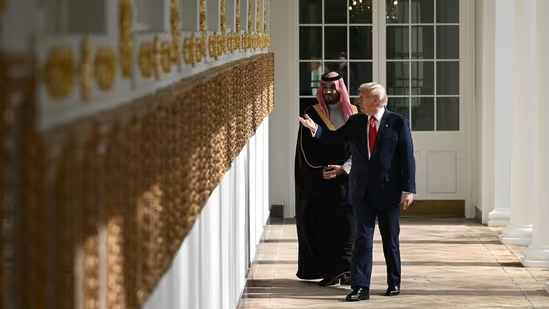
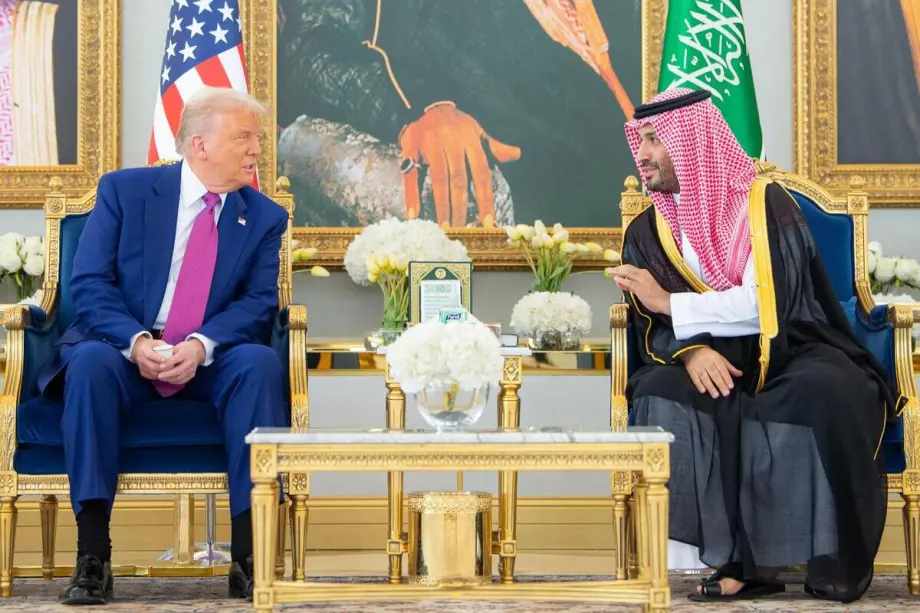
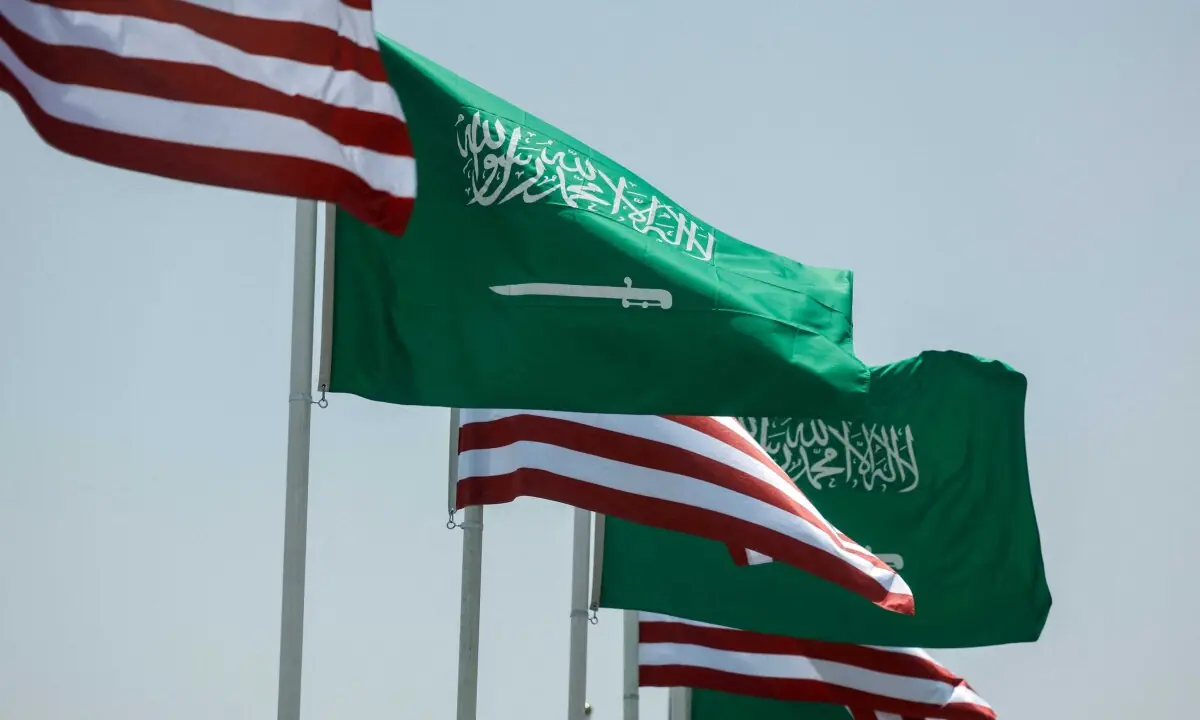
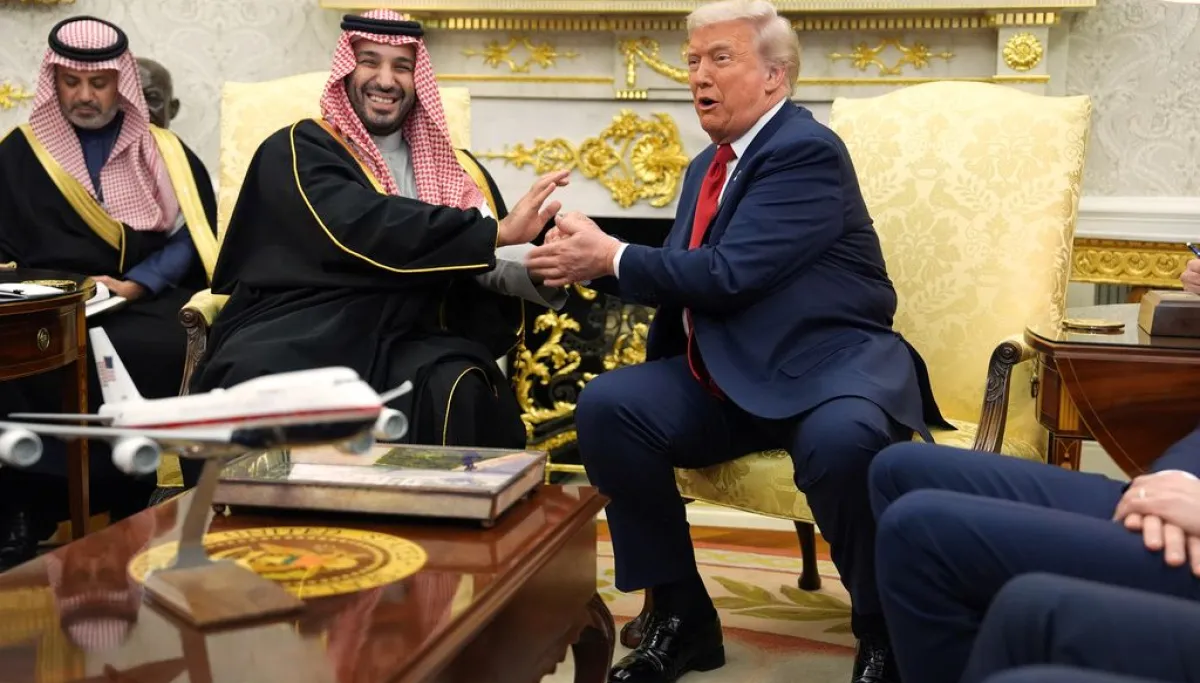
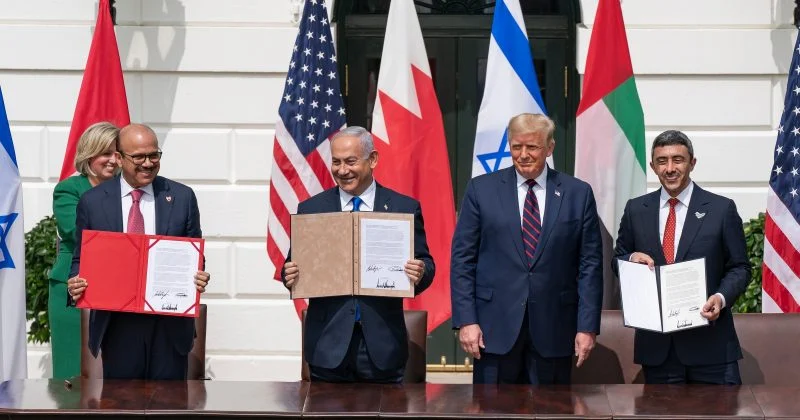
Less than a day after the announcement of a US-Saudi Arabia civilian nuclear agreement, President Donald Trump dropped a bombshell making many wonder if there is an accord at all. “The Civil Nuclear Deal (There will be no enrichment of material!) which pertains only to non-military use… will be approved, but is totally subject to Saudi Arabia joining the very respected and successful Abraham Accords,” the President said on Truth Social. In the absence of any available text, it is unclear if this conditionality is a part of the agreement.It is no secret that Washington and Riyadh have been discussing the civilian nuclear deal for quite sometime; but Saudi Arabia has been one of the staunch supporters of the Palestinian cause, pushing for a meaningful two-state solution and holding off on being a part of the Abraham Accords that would have opened the door for the formal recognition of the Jewish state.And in the last two years or more what complicated the nuclear deal was the October 7, 2023, terrorist attack on Israel and the savage response of Tel Aviv in the Gaza in the name of wiping out the Hamas.The scale of death and destruction in the name of retaliation did not sit well in the Arab world, to put it mildly.Backlash brewingEven before Trump came up with his Abraham Accords conditionality, the backlash seemed to be brewing on Capitol Hill and elsewhere especially in the non-proliferation community. The civilian nuclear deal, according to many experts, lacked essentially three things that have been held up as the “Gold Standard” of civilian nuclear energy agreements: a commitment from Riyadh not to use American built plants to enrich nuclear fuel; no reprocessing for weapons; and plants subject to international inspections.“A bad US nuclear deal with Saudi Arabia is coming for congressional review — inexplicably, carried over from the Biden administration,” Andrea Stricker of the Foundation for Defense of Democracies has said. “Congress should block it. If it does not, one hopes the policy will be reversed by a subsequent administration before too much damage is done in terms of watering down safeguards, setting negative precedents for other states, and failing to contain the spread of enrichment and reprocessing — which we just put back in the box in Iran via force”. From what is available from media reports, the nuclear deal is open to inspections only by the US and Saudi Arabia with no involvement of the International Atomic Energy Agency (IAEA).In the immediate context, the US-Saudi Arabia nuclear deal — even without the conditionality of the Abraham Accords — would create additional headaches on the Iran front if and when negotiations resume.For the Trump administration to come down hard on Iran for its nuclear programme and still give Saudi Arabia a wide berth with no involvement of the IAEA and its Protocols makes discussions on the nuclear issue with Tehran more complicated. It also strengthens the hand of hawks and hardliners in Tehran who have always pointed to the dual standards of Washington.What has been consistently pointed out is that for all the noise made by the West on the nuclear programmes of Iran and North Korea, there is hardly a murmur about Israel which is generally seen as an undeclared nuclear power.The American nuclear industry must be elated seeing the billions and perhaps even trillions coming its way through an exclusive accord designed to keep China and Russia out.But those in the business of non-proliferation worry about Beijing and Moscow going about cutting their own exclusives and without the involvement of the IAEA and its Protocols. Add to this the possibility of mischievous and known proliferationists lending their weight — and it is truly a nightmarish scenario.The writer is a senior journalist who has reported from Washington DC on North America and United NationsPublished on July 28, 2026