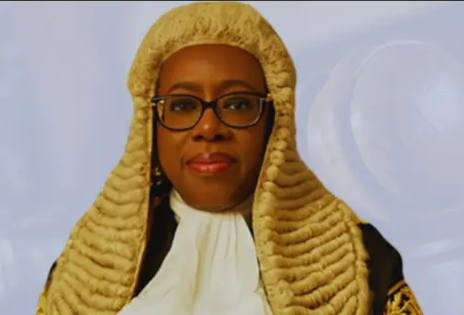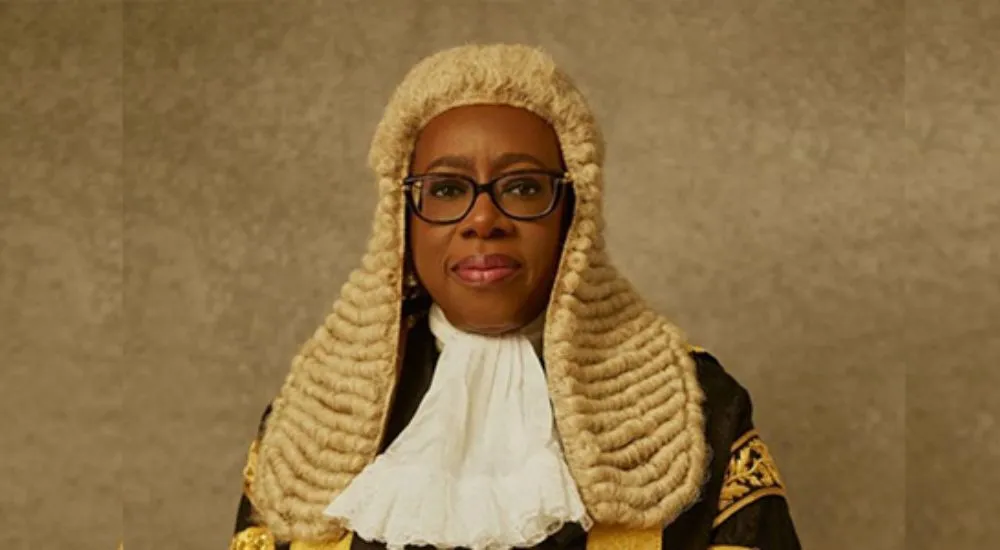
My view is straightforward: a female Judge should be addressed as My Lady or Your Ladyship, and a male Judge as My Lord or Your Lordship. That is not a concession to fashion. It is correct usage, good English, and the solution long ago adopted by the English, custodians of the tradition we inherited.
1. Where Did “We Are All Gentlemen at the Bar” Come From?
The contrary school rests on the old saying that there are no ladies at the Bar, that we are all gentlemen; it is, in all likelihood, the true basis on which some female Judges insist on being addressed as My Lord. Trace it to its root and it collapses.
The root is simple. For some six centuries the English Bar was, by law and not mere habit, an exclusively male institution. The exclusion rested on a medieval treatise, The Mirror of Justices, adopted by Coke and enshrined by Blackstone, which declared that “the law will not suffer women to be attorneys, nor infants nor serfs.” Little more than a century ago, in Bebb v Law Society [1914] 1 Ch 286, the English Court of Appeal held that a woman was not a “person” within the meaning of section 2 of the Solicitors Act 1843 and so could not be admitted to the profession, although section 48 of the same Act provided that the masculine included the feminine. In such a world, “Gentlemen” was not courtesy but fact. That is the saying’s entire pedigree: it described a legal reality, never an eternal rule.