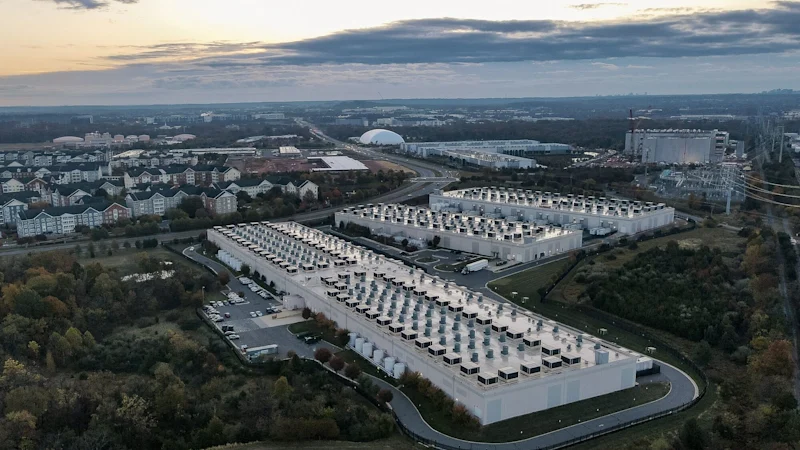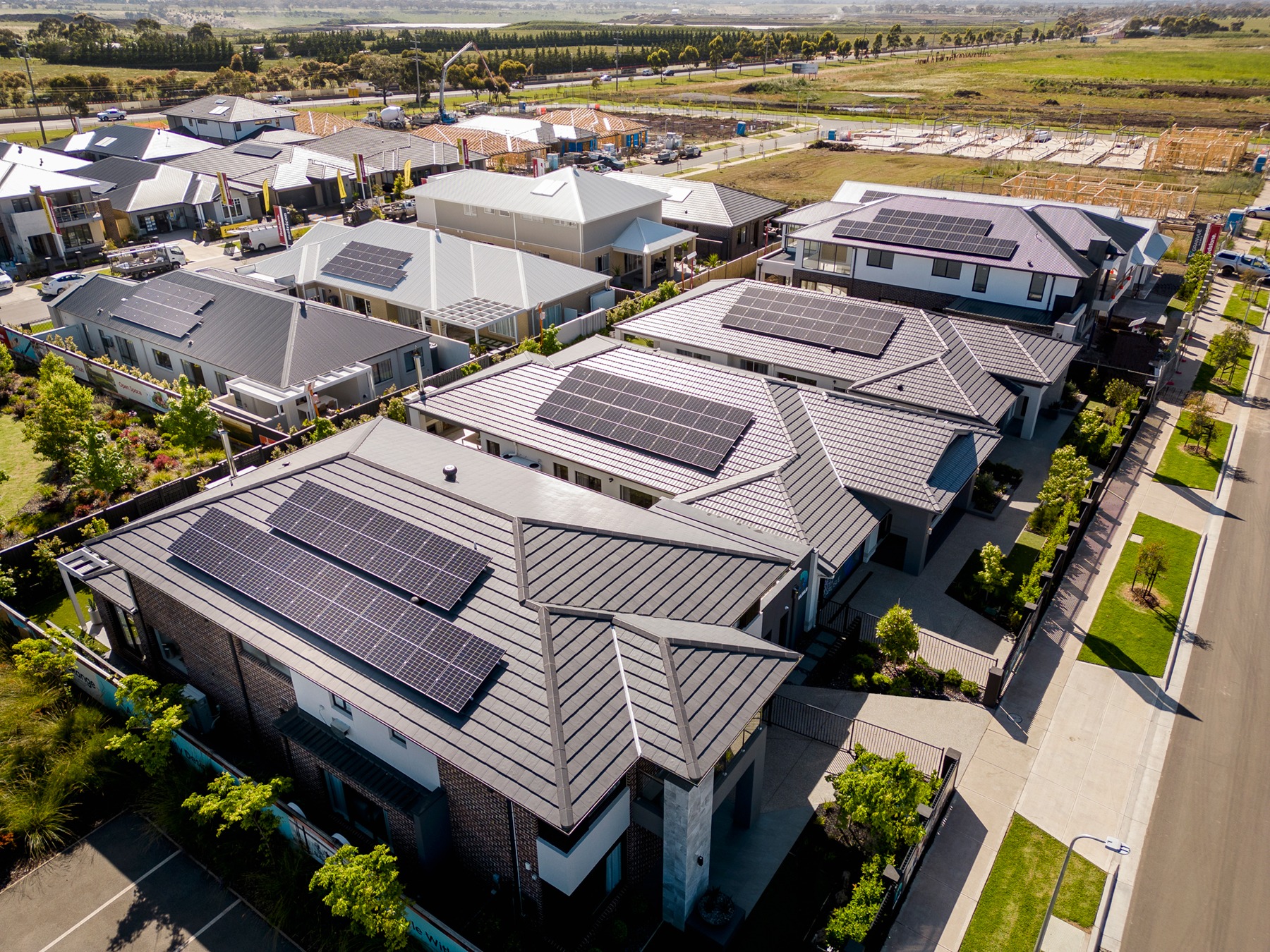
Data centres are already helping flatten the solar duck curve in Australia’s main grid, soaking up the output of rooftop solar along with home batteries and other industrial loads, but there is a lot more capacity seeking to connect to the grid, according to the market operator.
Data centres have emerged as a major talking point in Australia’s energy transition. The market operator is wary of them because of their size and potential to suddenly jettison loads, many local communities are pushing back against new developments, and there is concern about how they will source their insatiable power needs.
The Australian government is seeking state support to require data centres to bring new and additional firmed renewable capacity to the grid, and the renewable energy industry is hopeful this can finally provide the buyers the market has been desperately short of, and provide a path to financial close and construction.
But the data centres are already having an impact, according to the latest Quarterly Energy Dynamics (QED) report for the June quarter, published on Tuesday by the Australian Market Energy Operator.
It notes how they are helping change the shape of the grid, which is now seeing lower demand in the evenings (thanks mostly to home batteries) but greater demand in the middle of the day, thanks to those same home batteries, but also grid batteries and data centres.