Beyond Binary Input: The Engineering Cost of the Analog Keyboard Paradigm Shift
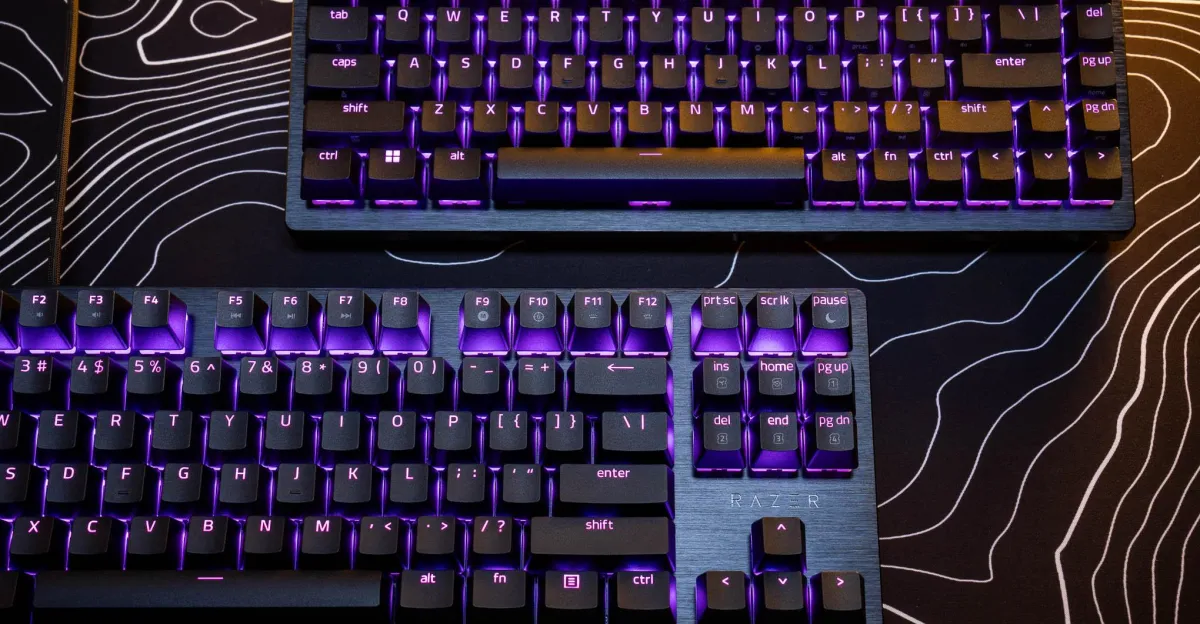
The recent market discounting of premium peripherals, such as Razer’s Huntsman V3 Pro, signals more than a standard retail cycle; it marks the commoditization of a fundamental shift in human-computer interface (HCI) technology. For decades, the mechanical keyboard market operated on a binary paradigm: a copper leaf made physical contact, closed a circuit, and triggered a hardware interrupt. The rise of analog optical and Hall Effect (magnetic) switches has dismantled this status quo, replacing binary switches with continuous telemetry.
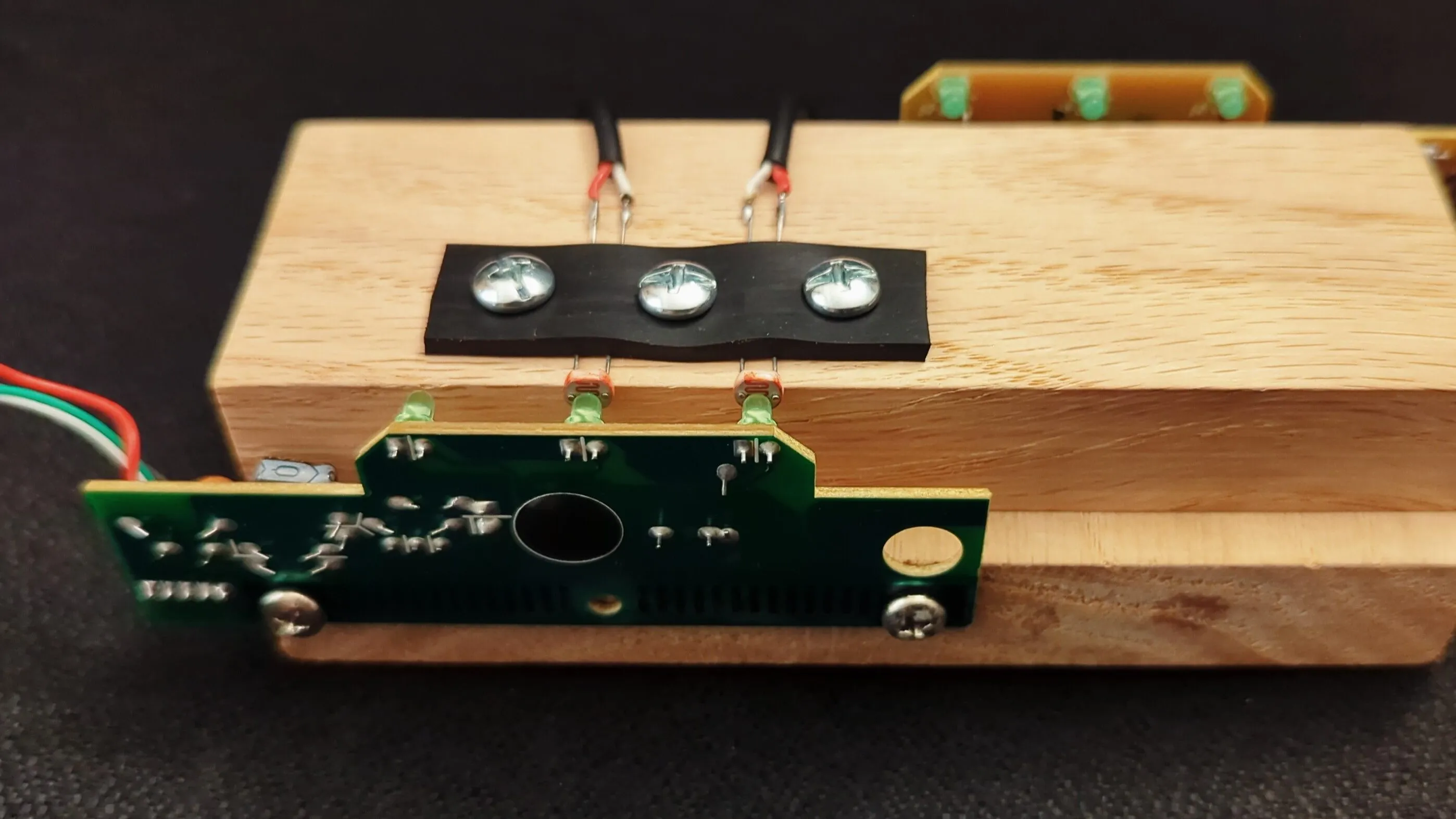
However, transitioning from discrete $0$ and $1$ states to continuous variable tracking introduces severe engineering trade-offs. In the Huntsman V3 Pro, each switch utilizes an infrared light beam and a photodetector to measure the precise depth of a keypress down to tenths of a millimeter. This continuous tracking enables features like "Rapid Trigger"—where a key resets the instant it travels upward by a fraction of a millimeter, regardless of the physical actuation point. While highly coveted by competitive players, this shift moves the complexity of input processing from simple hardware matrix scanning to complex local firmware calculation and software-level emulation.