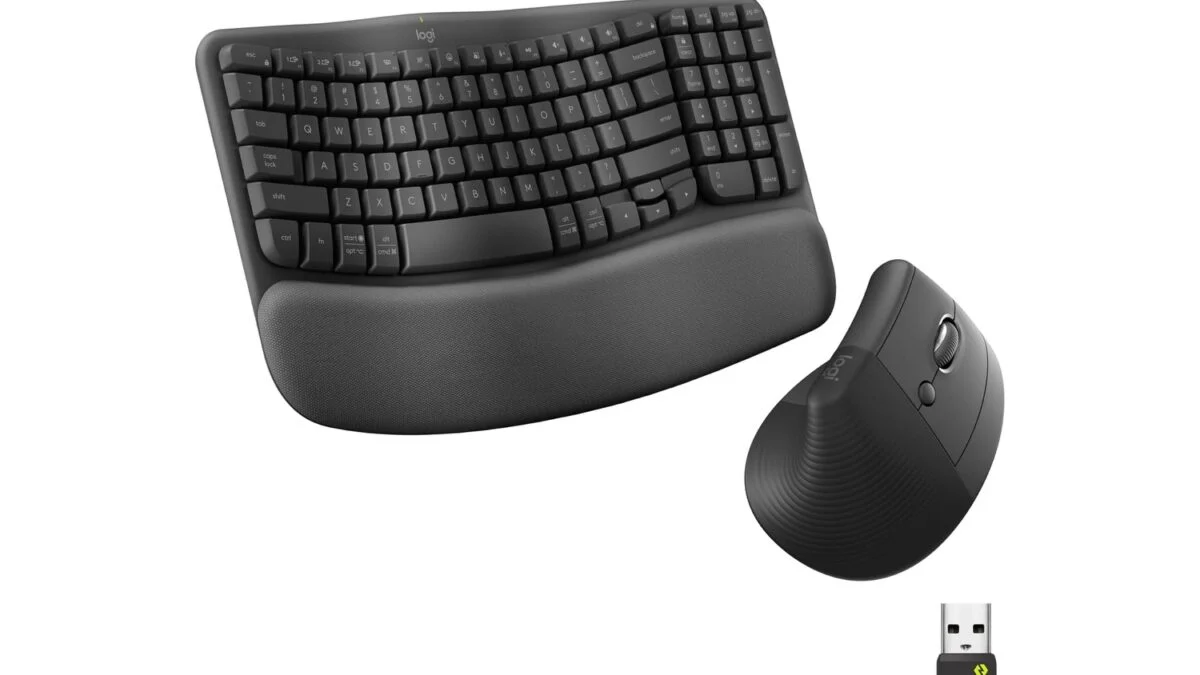
A common story in the mechanical keyboard community goes like this: someone starts suffering from repetitive strain injury (RSI) or general hand pain and decides to transition to an ergonomic keyboard. To make the transition easier, they look for a large layout with plenty of keys. However, once the keyboard arrives, they realize the learning curve is steep. Frustrated, they ask for help in forums, convince themselves they bought the wrong board, and buy another one. Those who don't quit often end up with an expensive collection of ornamental keyboards.
I wanted to avoid this trap. Instead of buying a series of physical keyboards until I found the one, I learned what features my ideal keyboard should have. I settled on the following: a 34-key, column-staggered, split ergonomic keyboard layout.
Next, I needed to find a way to reduce the number of keys I was using on my ANSI keyboard to 34 or less by:
Identifying which keys were truly redundant or unnecessary.
Efficiently mapping the remaining keys using a layered system.