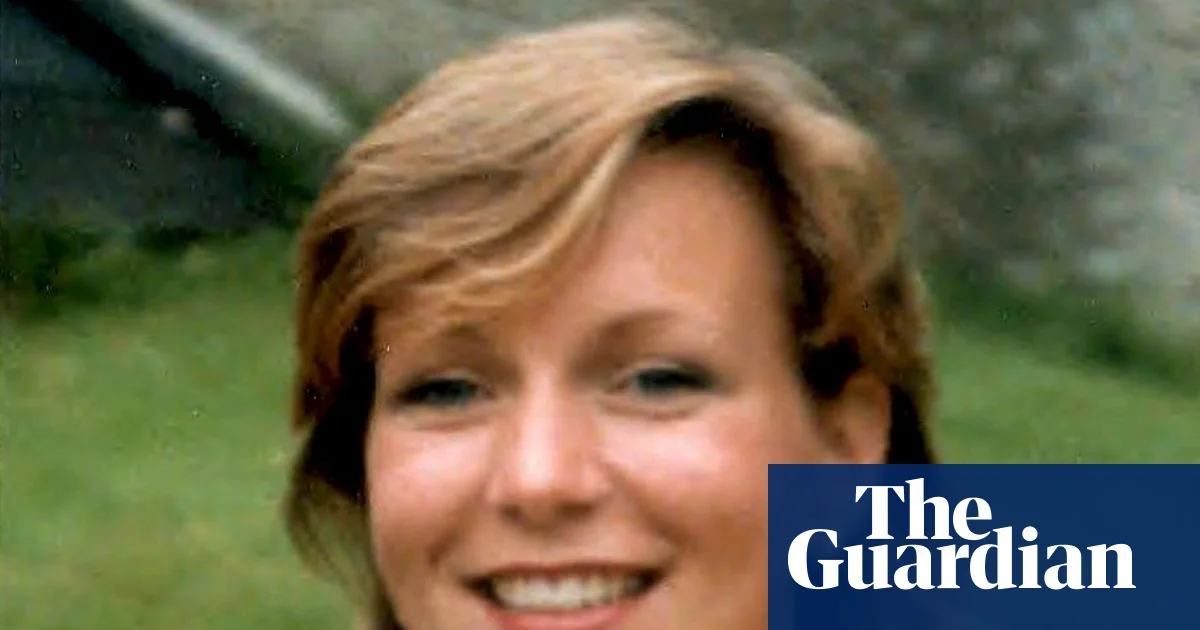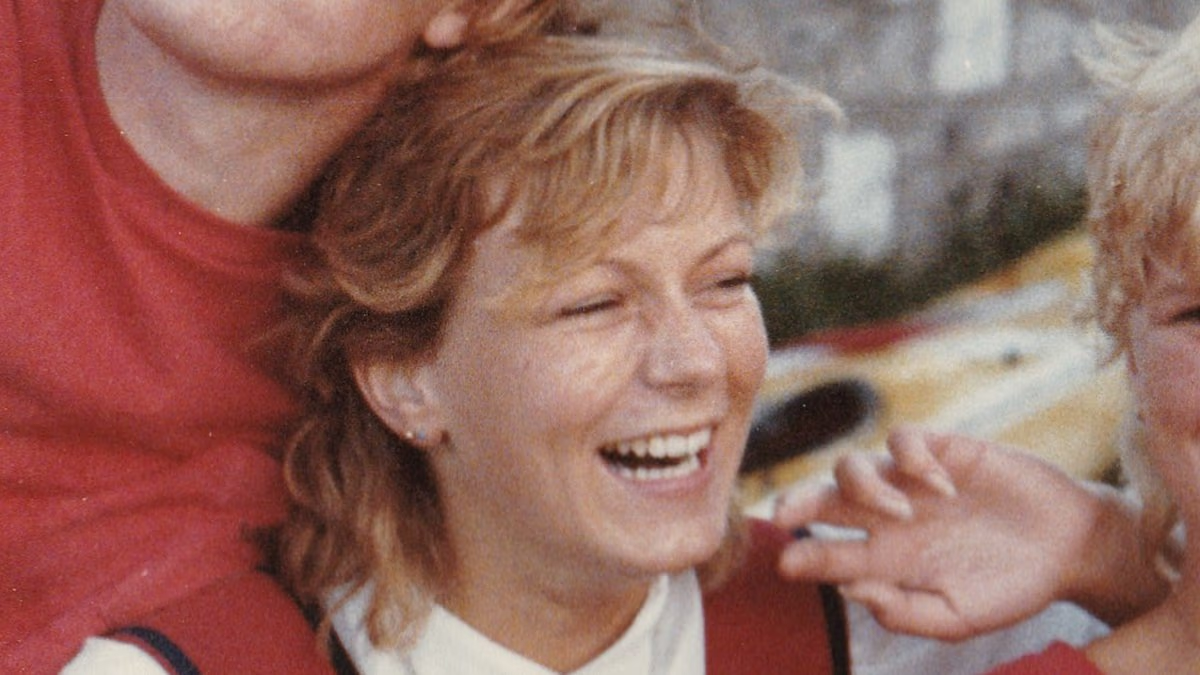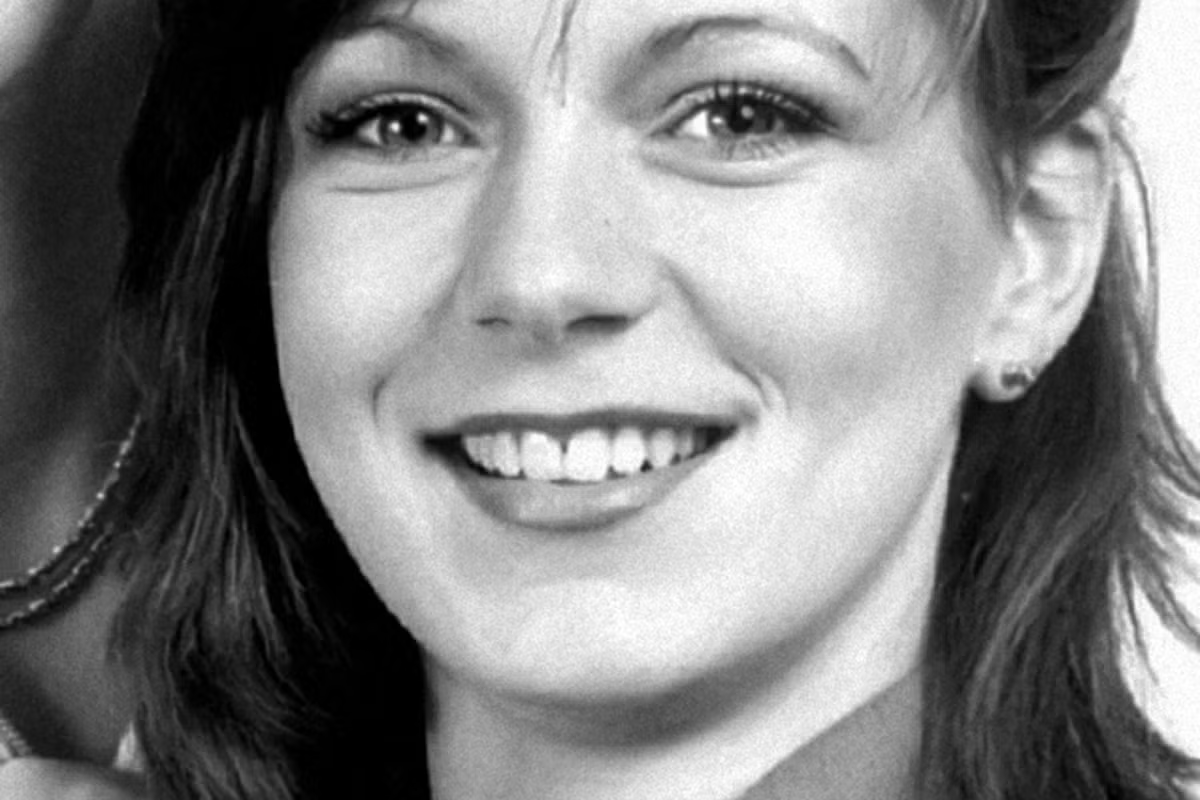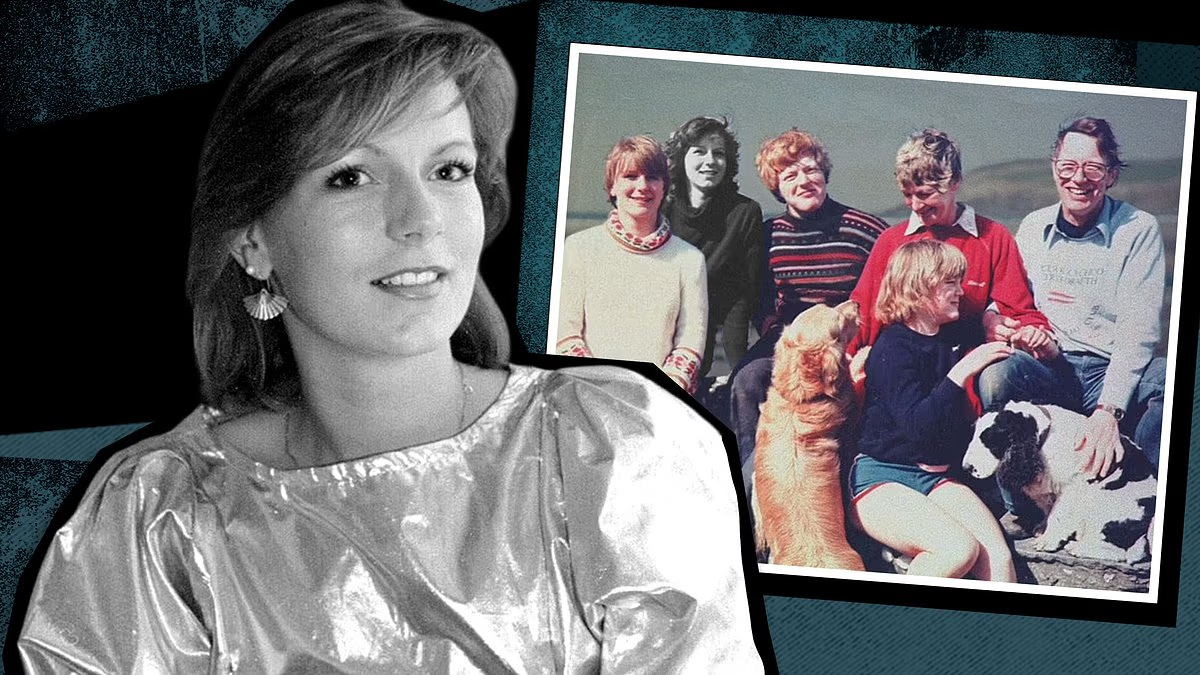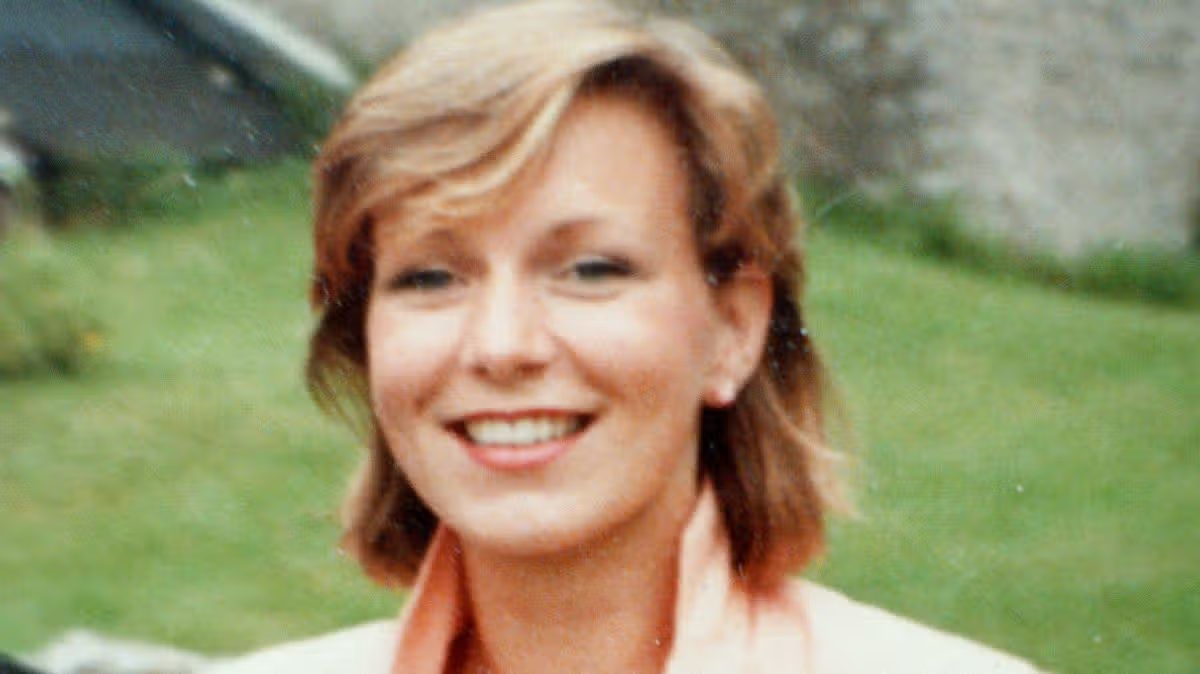
Emma Lingley-Clark, the Interim CEO of the Suzy Lamplugh Trust, said it is "a really sad fact" that the charity is having to do the same work for women's safety 40 years on from the estate agent's disappearance00:00, 28 Jul 2026The head of the Suzy Lamplugh Trust has said the threat facing women is as great today as it was in 1986 when the estate agent was murdered.In the wake of Suzy's disappearance, her mother, Diana, threw herself tirelessly into setting up the Suzy Lamplugh Trust. Its aim was to improve awareness of personal safety. Diana and husband Paul both received OBEs in 1992 but died without ever finding out what happened to Suzy.Today, on the 40th anniversary of Suzy's disappearance, Emma Lingley-Clark, the Interim CEO of the Suzy Lamplugh Trust, said: "It's something that is actually a really sad fact that 40 years on from Suzy's disappearance, we are still having to do the work that we do around campaigning and supporting victims."Ideally, I think we'd all have hoped that by now, perhaps some of these issues might have gone away. But for us, the cause is still very much there."The trust works to support stalking victims, including running the National Stalking Helpline, as well as campaigning on issues such as public sexual harassment and minimum safety standards for taxis and minicabs, and training employers to keep staff safe.The alarm was only raised six hours after Suzy, 25, was last seen at work in Fulham, west London. Detective Chief Inspector Teresa Foster, who leads the Metropolitan Police's cold case homicide squad, believes Suzy may have been targeted by a stalker after her employers made her sit in the window because she was attractive and could draw in customers.She said: "I do think that she was targeted. She was put in the window because her employers thought she was attractive and would bring in people. I'm more inclined to believe that stalking side, that someone has seen her, a predator of some type, and then lured her into a false meeting."There are an estimated 1.5 million victims of stalking in the UK, and the trust has seen an increase in the number of cases linked to domestic abuse.Around 40% of stalking cases reported to the national helpline are not carried out by partners or ex-partners but by friends, colleagues or strangers.Ms Lingley-Clark said: "From our perspective, it's about making sure that every victim is taken seriously when they do report. We would like to see more people come forward, we would like more support, so ideally, we would like everybody to have access to a specialist stalking advocate."Often, they can access support, but it's not somebody who actually understands stalking, understands the dynamic nature of the risk and how it changes."And I think more generally we would like to just have society believe that stalking is wrong. I think in some instances we're still seeing quite a lot of jokes made about stalking and and really not reflecting the serious nature of it and and how actually it has such a big impact on victims."Detective Superintendent Ian Martin, who leads on domestic abuse and stalking for the Metropolitan Police, said stalking has changed dramatically since the time of Miss Lamplugh's disappearance because of the technology now available.He said: "That case had a profound impact on the community. The methodology is completely different now because of the technology that's available."We're seeing people tracked through online fitness apps, through social media, and through a number of methodologies that weren't even in existence back then. The impact that that has on victims cannot be underestimated."Officers use the acronym FOUR to help victims determine whether they are being stalked - behaviour that is fixated, obsessive, unwanted and repetitive.Det Supt Martin said: "They should look out for people who are taking an interest in what may seem a mundane, day-to-day activity. Are there people that turn up at locations that they don't recognise and they repeatedly see them, or is it a partner? Is it an ex-partner who has tried to get back into their life?"Stalking can take place in a domestic situation, but also in a non-domestic one, and equally as important. So it's about being vigilant and aware of that. Have people tried to befriend them online repeatedly, even though they might be blocked? Is there somebody who's in their workplace or a friendship club that's taking a particular interest?Article continues below"There's a number of different flags that they could look out for but, again, I'd reiterate: if it's fixated, obsessive, unwanted and repeated, and they're recognising that, then do notify the police."He added: "Stalking can lead to significant events and physical harm. So, identifying stalking cases early on, reporting them to the police is hugely important in a way that we prevent that further impact of injury taking place."
Women still face threat of stalking 40 years after Suzy Lamplugh disappeared
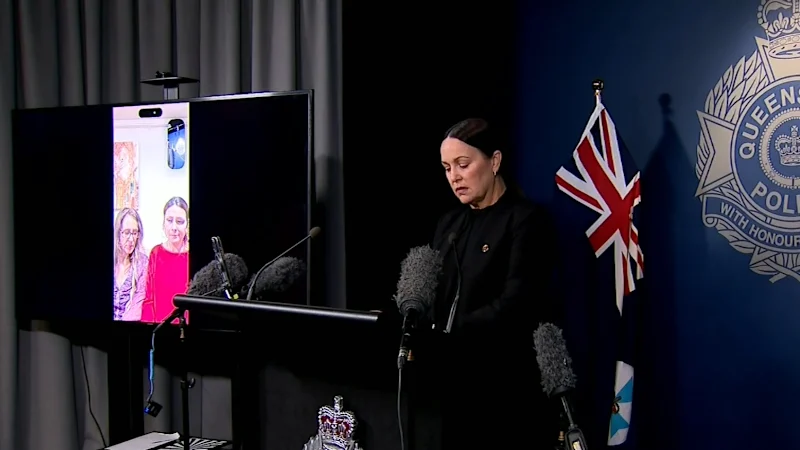
Emma Lingley-Clark, the Interim CEO of the Suzy Lamplugh Trust, said it is "a really sad fact" that the charity is having to do the same work for women's safety 40 years on from the estate agent's disappearance
807 words~4 min read