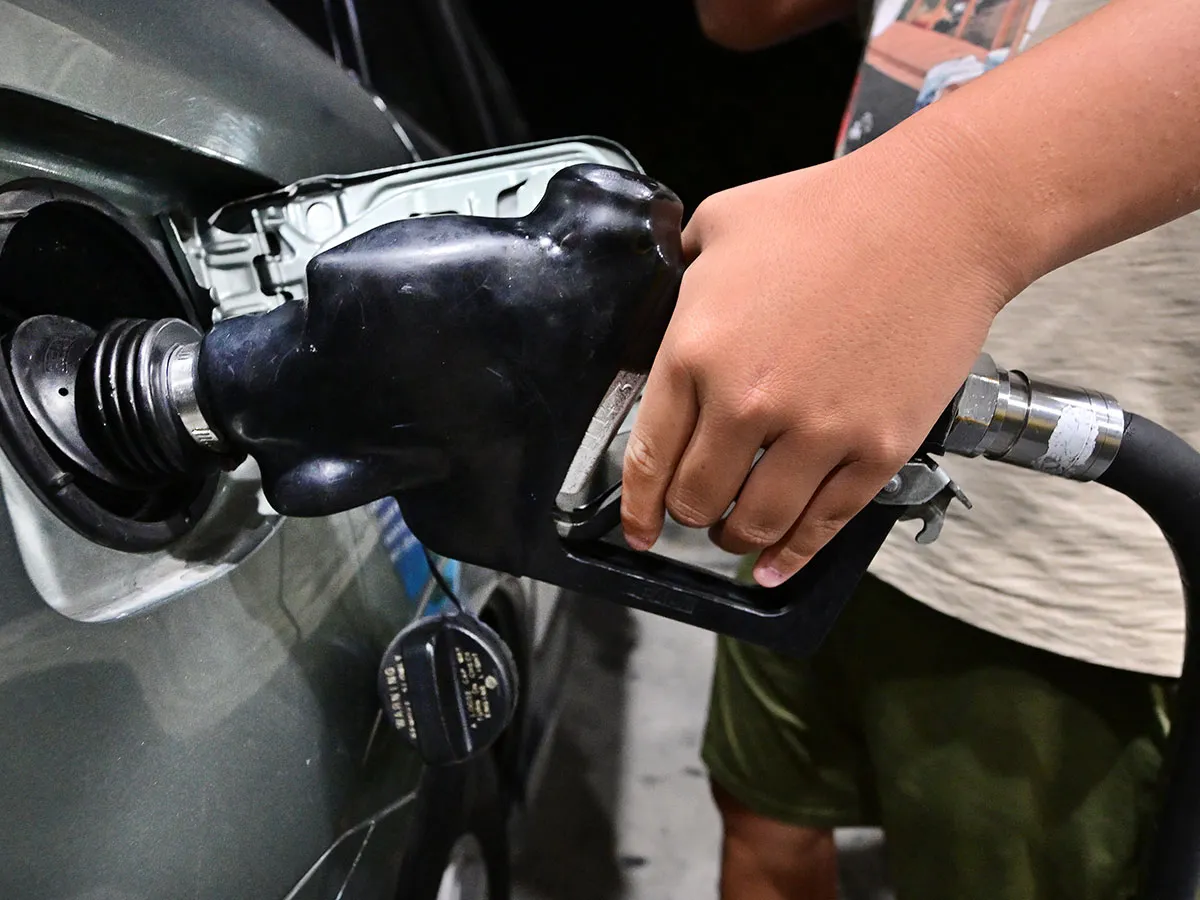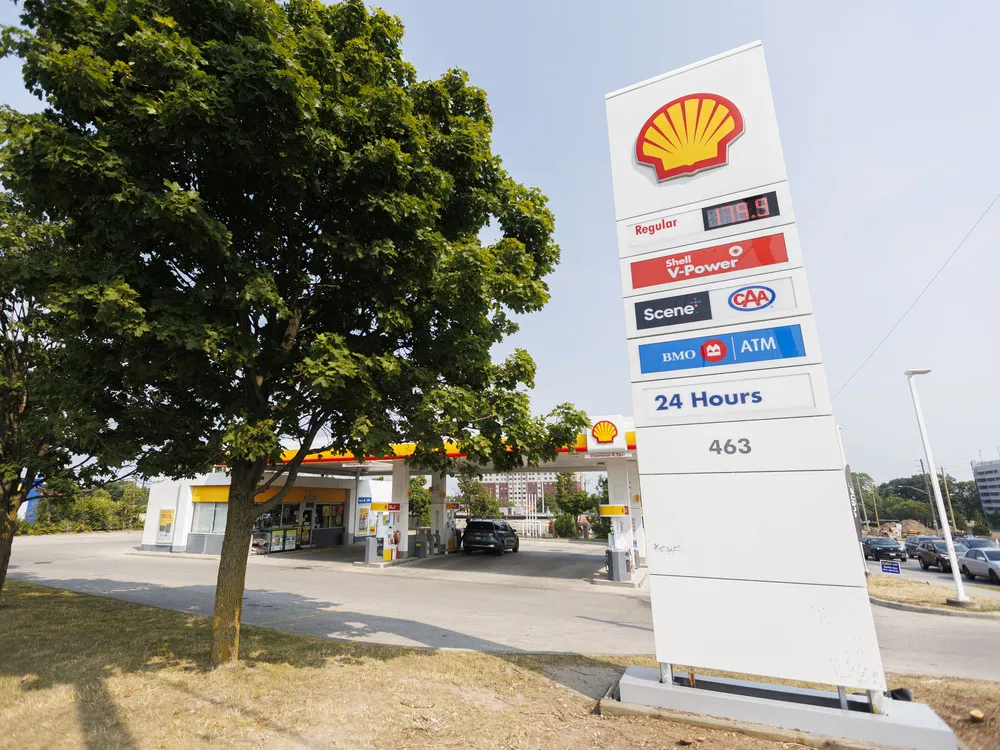
Skip to Content News Archives Economy Energy Oil & Gas Renewables Electric Vehicles Mining Commodities Agriculture Real Estate Mortgages Mortgage Rates Finance Banking Insurance Fintech Cryptocurrency Work Wealth Smart Money Wealth Management Investor Personal Finance Family Finance Retirement Taxes High Net Worth FP Comment Executive Women Puzzmo Newsletters Financial Times Business Essentials More Innovation Information Technology FP500 Podcasts Small Business Lives Told Tails Told Shopping Financial Post Store Obituaries Place a Notice Advertising Advertising With Us Advertising Solutions Postmedia Ad Manager Sponsorship Requests Classifieds Place a Classifieds ad Working Profile Settings My Subscriptions Saved Articles My Offers Newsletters Customer Service FAQ News Economy Energy Mining Real Estate Finance Work Wealth Investor FP Comment Executive Women Puzzmo Newsletters Financial Times Business Essentials HomeCommoditiesEnergyOil & GasPersonal FinanceTaxesOttawa non-committal on extending gas tax break as gas prices riseFederal excise tax suspension is set to expire over the Labour Day weekendLast updated 2 hours ago You can save this article by registering for free here. Or sign-in if you have an account.A person fills up at the Shell station at Wellington and Commissioners roads in London on Monday, July 27, 2026. (Geoff Robins/The London Free Press)With a little more than a month to go before it expires, Ottawa isn’t committing to extending its suspension of the federal excise tax on gas and diesel, even as conflicts in the Middle East continue to roil oil markets.Subscribe now to read the latest news in your city and across Canada.Exclusive articles from Barbara Shecter, Joe O'Connor, Gabriel Friedman, and others.Daily content from Financial Times, the world's leading global business publication.Unlimited online access to read articles from Financial Post, National Post and 15 news sites across Canada with one account.National Post ePaper, an electronic replica of the print edition to view on any device, share and comment on.Daily puzzles, including the New York Times Crossword.Subscribe now to read the latest news in your city and across Canada.Exclusive articles from Barbara Shecter, Joe O'Connor, Gabriel Friedman and others.Daily content from Financial Times, the world's leading global business publication.Unlimited online access to read articles from Financial Post, National Post and 15 news sites across Canada with one account.National Post ePaper, an electronic replica of the print edition to view on any device, share and comment on.Daily puzzles, including the New York Times Crossword.Create an account or sign in to continue with your reading experience.Access articles from across Canada with one account.Share your thoughts and join the conversation in the comments.Enjoy additional articles per month.Get email updates from your favourite authors.Create an account or sign in to continue with your reading experience.Access articles from across Canada with one accountShare your thoughts and join the conversation in the commentsEnjoy additional articles per monthGet email updates from your favourite authorsSign In or Create an AccountorThe federal government first announced the tax suspension in April in response to the war in Iran, which led to the closing of the Strait of Hormuz, a critical energy corridor, and a surge in gas prices.The measure, which the government said would reduce the cost of regular gasoline by 10 cents a litre and diesel by four cents when it was announced, is set to expire over the Labour Day weekend on Sept. 7. It comes with a price tag of about $2.1 billion for the government, according to an estimate by the Office of the Parliamentary Budget Officer.Asked whether the federal government was considering extending the tax reduction in light of the resumption of fighting that pushed prices higher in recent weeks, John Fragos, press secretary to Finance and National Revenue Minister François-Philippe Champagne, was non-committal.“The government is responding in real time to an increasingly volatile global economic environment by controlling what it can: namely, growing a strong economy, lowering everyday costs, and supporting Canadians and businesses through this uncertainty,” he said in an emailed statement, highlighting other cost-of-living measures by the Liberal government such as the Canada Groceries and Essentials Benefit.“That said, the government is constantly evaluating how to lower everyday costs and will continue to support Canadians amid this global affordability challenge.”The national average gas price on Monday was $1.783 a litre, about 17 cents higher than a month earlier, according to the Canadian Automobile Association.The recent increase came as fighting between the United States and Iran intensified over the past month, with the two sides feuding over control of the Strait of Hormuz, through which a fifth of the world’s energy exports pass.Last week, for example, the price of Brent crude oil surpassed US$100 a barrel as the Iran-backed Houthis also threatened Saudi exports from the Red Sea, a crucial workaround since the war disrupted flows through Hormuz.The price has since moderated, at one point on Monday slipping below US$88 a barrel after the U.S. paused airstrikes against Iran on Friday – ending a streak of 13 days of bombings – and Iran said it was halting retaliatory attacks on regional neighbours.“The pause in strikes and reports of progress in talks has raised expectations of a de-escalatory pathway emerging again, which could lead to a rebound in flows,” said Saul Kavonic, senior energy analyst at MST Marquee.However, “there is a high risk any ceasefire proves merely temporary,” he added.One reason the federal government may decide not to extend the tax pause immediately is that gas prices will come down on Sept. 15 as the country transitions to winter-blend gasoline, which is cheaper to produce, said Dan McTeague, a gas industry analyst and manager of the website affordableenergy.ca.“So, the federal government may not be inclined to do much more,” he said.For Franco Terrazzano, president of the Canadian Taxpayers Federation, any increase in gas prices caused by taxes would only make filling up “more painful” for Canadians already struggling financially.“Canadians can’t afford to pay more, so (Prime Minister Mark) Carney should not be hiking the gas taxes,” he said in an emailed statement.“Higher fuel taxes also mean higher prices on everything trucked to store shelves.”McTeague also warned the oil industry continues to face strong headwinds beyond Hormuz that could lead to gas prices in Canada hovering around $2 a litre in the coming months as global supplies of petroleum and petroleum products continue to shrink.He noted, for example, that production also stopped last week at the Caspian Pipeline Consortium terminal on Russia’s Black Sea coast, the main export point for barrels from Kazakhstan amid the war between Russia and Ukraine. Oil flow has since resumed.“The world is losing 12.5 million barrels of oil a day. It’s short 1.5 billion barrels,” he said.“Right now, we are burning through reserves and emergency supplies that leave most countries ultimately very vulnerable . . . So, the longer this goes on, the longer the pain and higher prices are going to remain.”With files from Bloomberg News Join the Conversation This website uses cookies to personalize your content (including ads), and allows us to analyze our traffic. Read more about cookies here. By continuing to use our site, you agree to our Terms of Use and Privacy Policy.
Ottawa non-committal on extending gas tax break as gas prices rise
Federal excise tax suspension is set to expire over the Labour Day weekend.
1,167 words~5 min read