BEIJING: As geopolitical tensions deepen, China is expanding the role of domestic law in responding to foreign sanctions, export controls and other forms of external pressure, say analysts.The latest example is a clause in a draft law, submitted for second reading in June, that would allow public prosecutors to sue foreign organisations and individuals deemed to have harmed China’s national or public interests.The provision could become the latest addition to the country’s growing body of foreign-related laws and regulations.The broader effort reflects Beijing’s push to make its legal system “ready and able to handle a variety of international and cross-border disputes”, Jeremy Daum, a senior fellow at the Paul Tsai China Center at Yale Law School, told CNA.
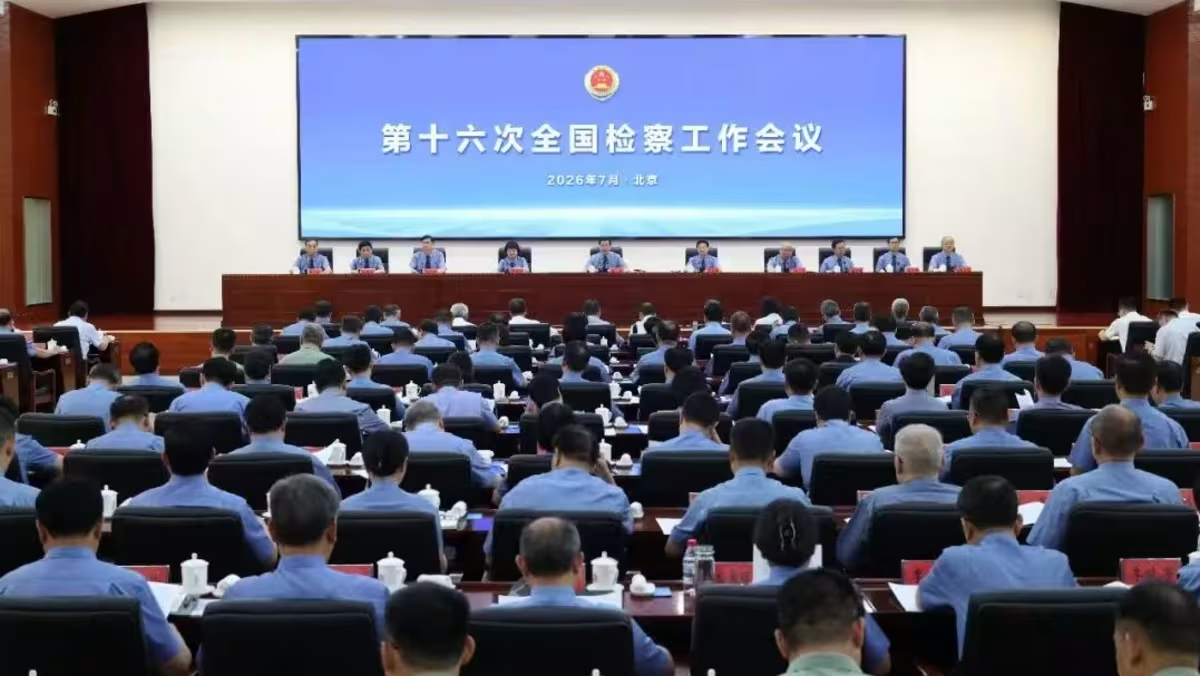
The final scope and application of the draft law remain unclear as it is still under legislative review.But analysts said it could add another layer of legal risk for foreign actors, further complicating compliance for companies operating across jurisdictions while potentially increasing the exposure of individuals involved in disputes with Beijing.A CLAUSE WITH A SIGNALThe draft Procuratorial Public Interest Litigation Law was submitted on Jun 23 to the Standing Committee of the 14th National People’s Congress for its second reading.The revised draft seeks to expand the scope of public interest litigation and add provisions covering foreign-related cases, according to state news agency Xinhua.“Specifically, the draft stipulates that procuratorial agencies shall, in accordance with the law, bring public interest litigation against illegal acts committed by foreign organisations and individuals that infringe upon China's national and public interests,” Xinhua said in a report that same day.The clause essentially clarifies that the procuratorate, in its obligation to protect the public interest, can pursue foreign defendants, said Daum, who is also a Beijing-based senior research scholar in law.“It is absolutely part of the broader foreign-related rule of law, which is generally viewed here as part of China asserting its sovereignty.”The draft law is included in the National People's Congress Standing Committee's 2026 legislative plan, although authorities have not announced when it will be put to a vote.