Show Caption
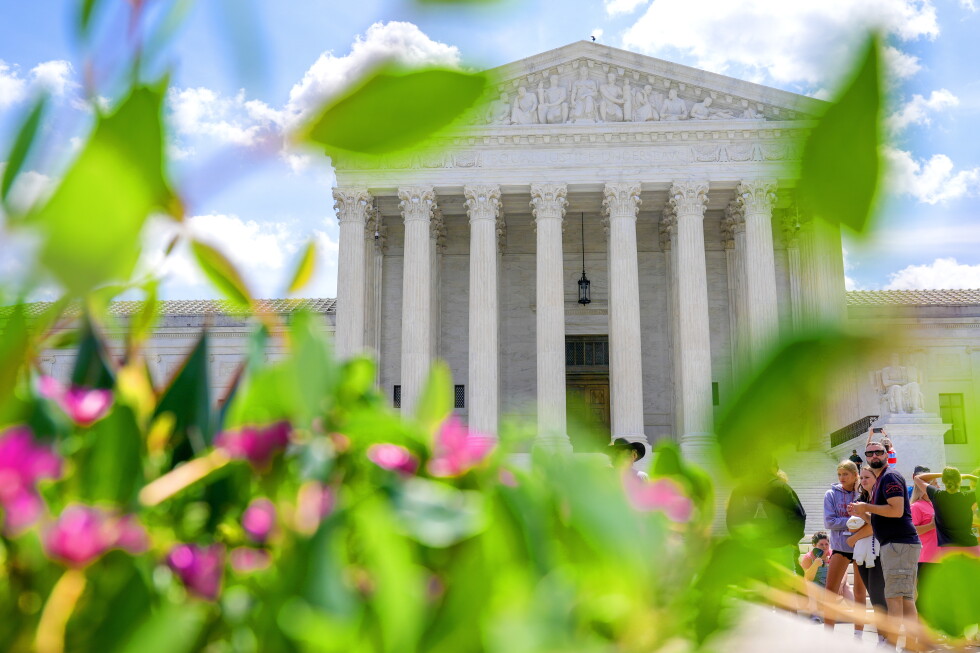
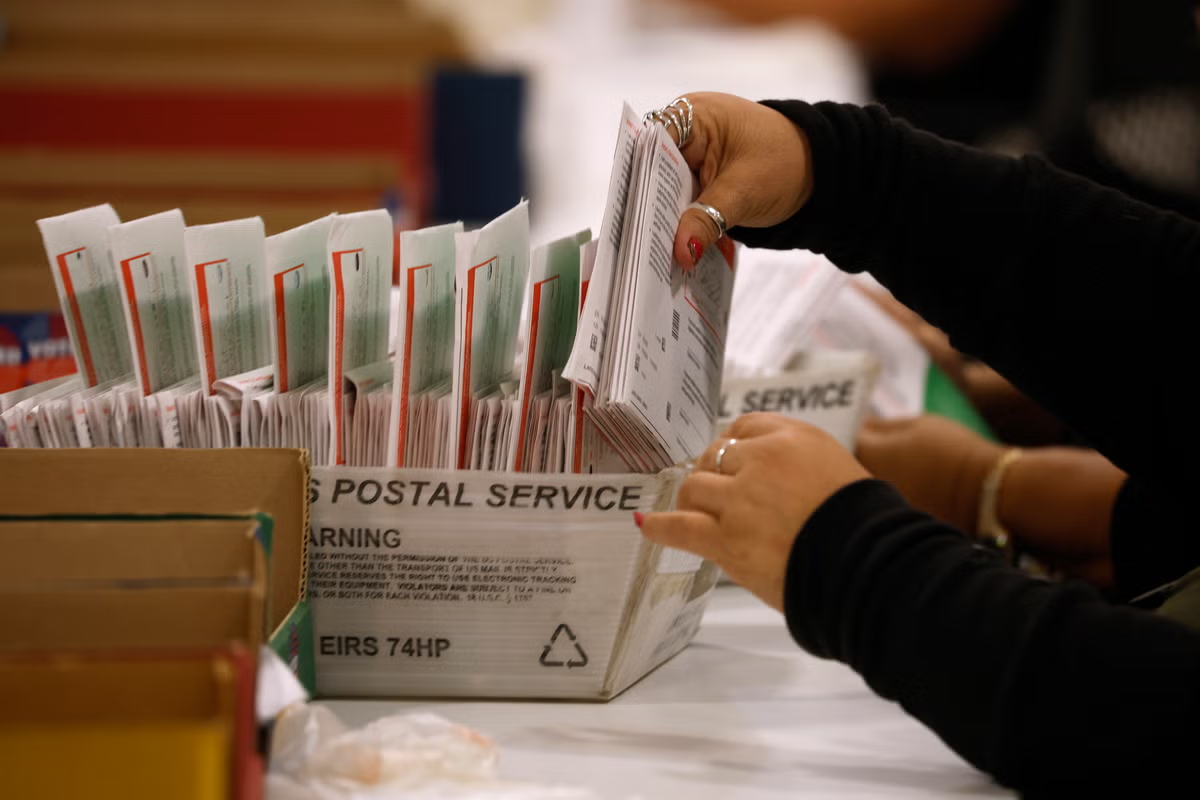
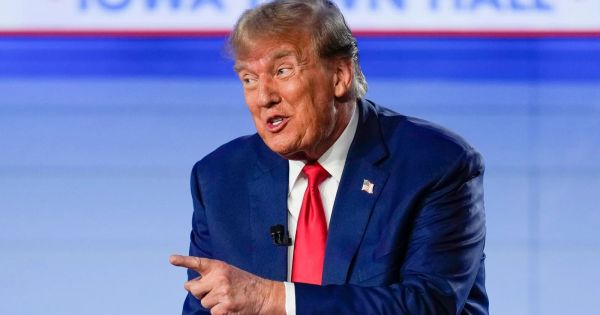
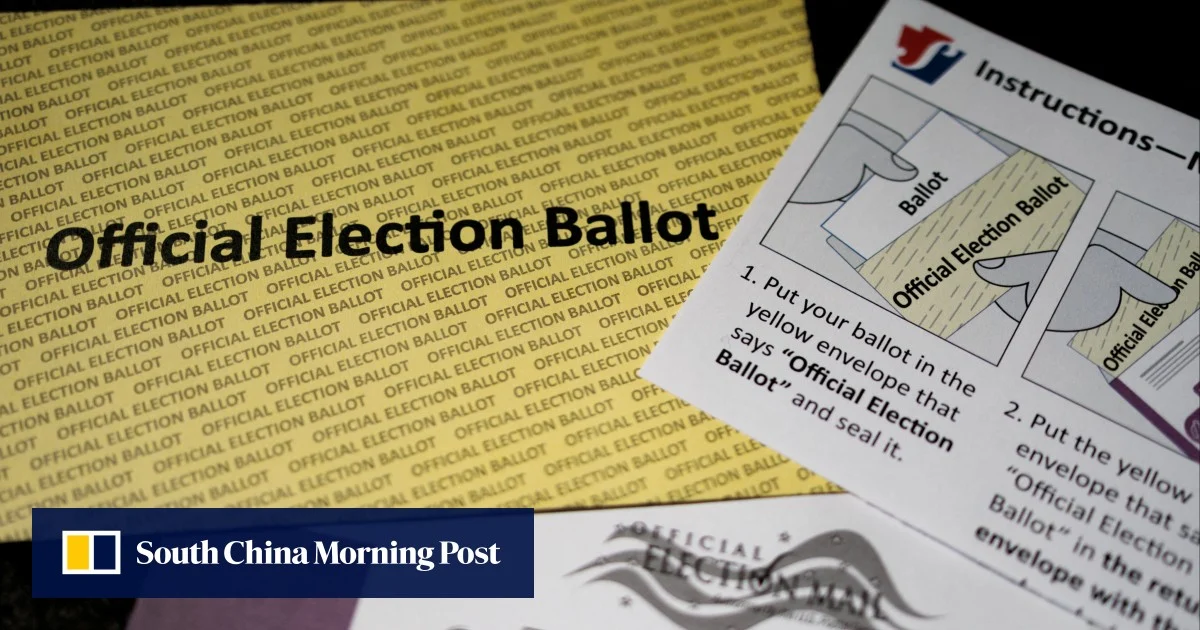
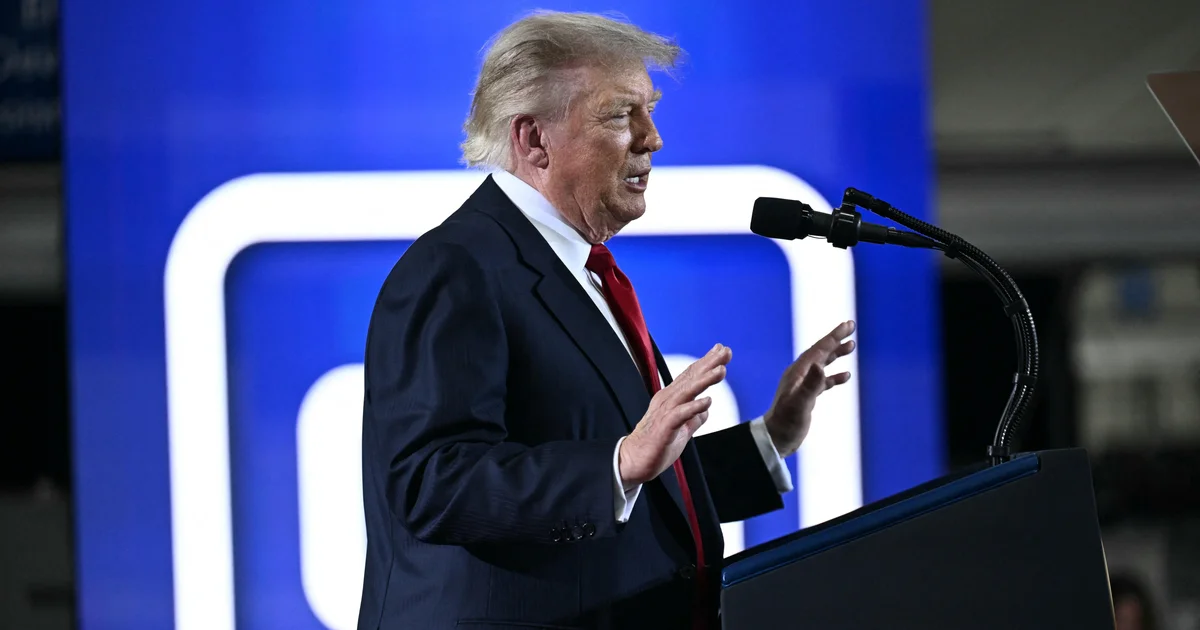
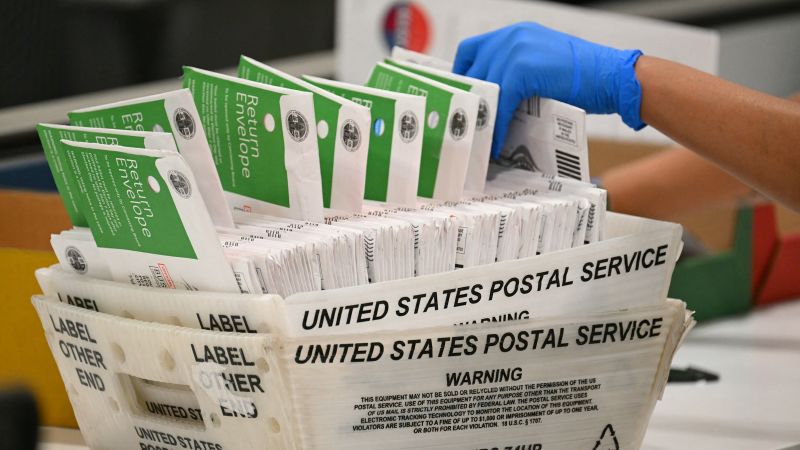
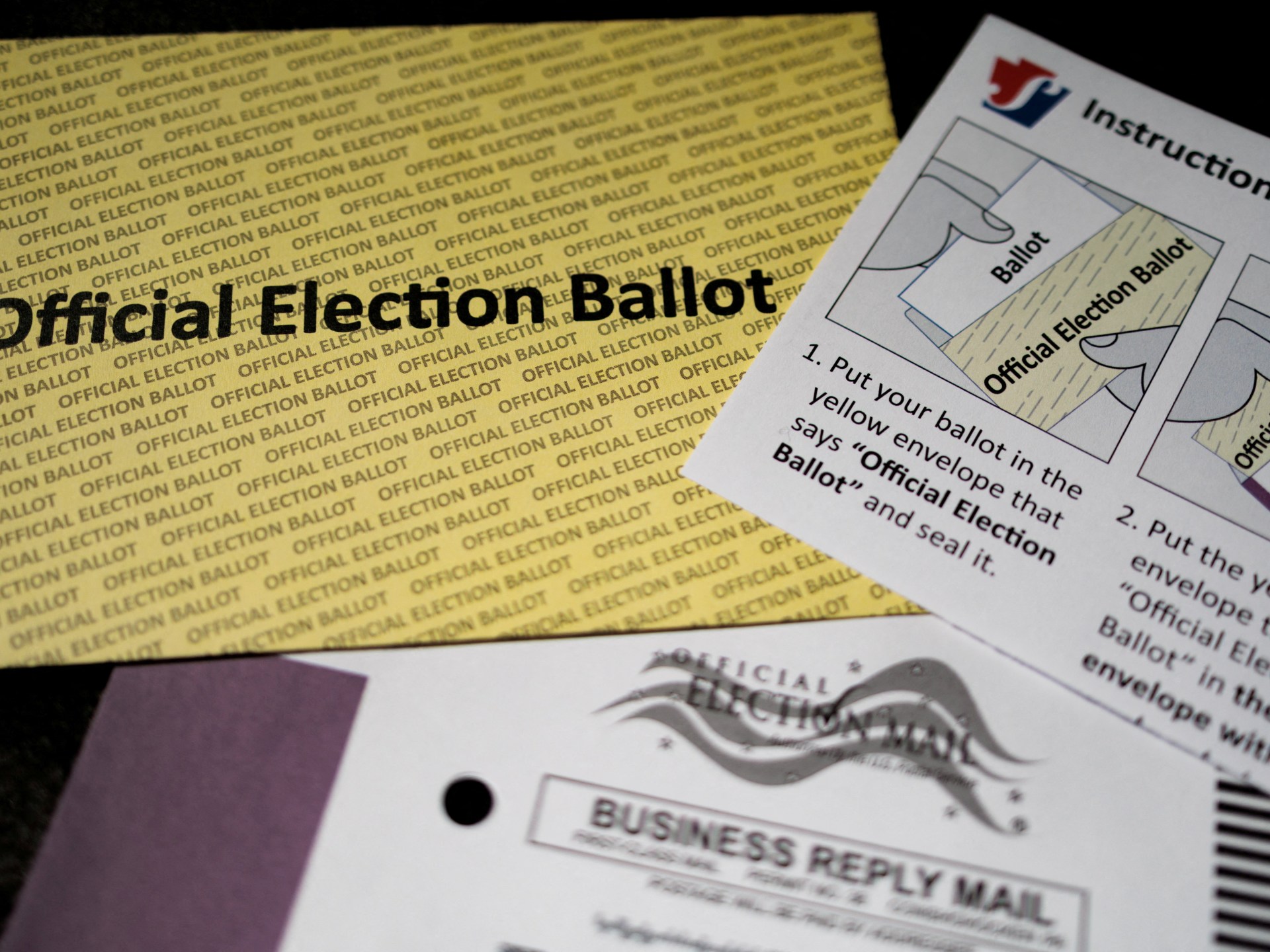
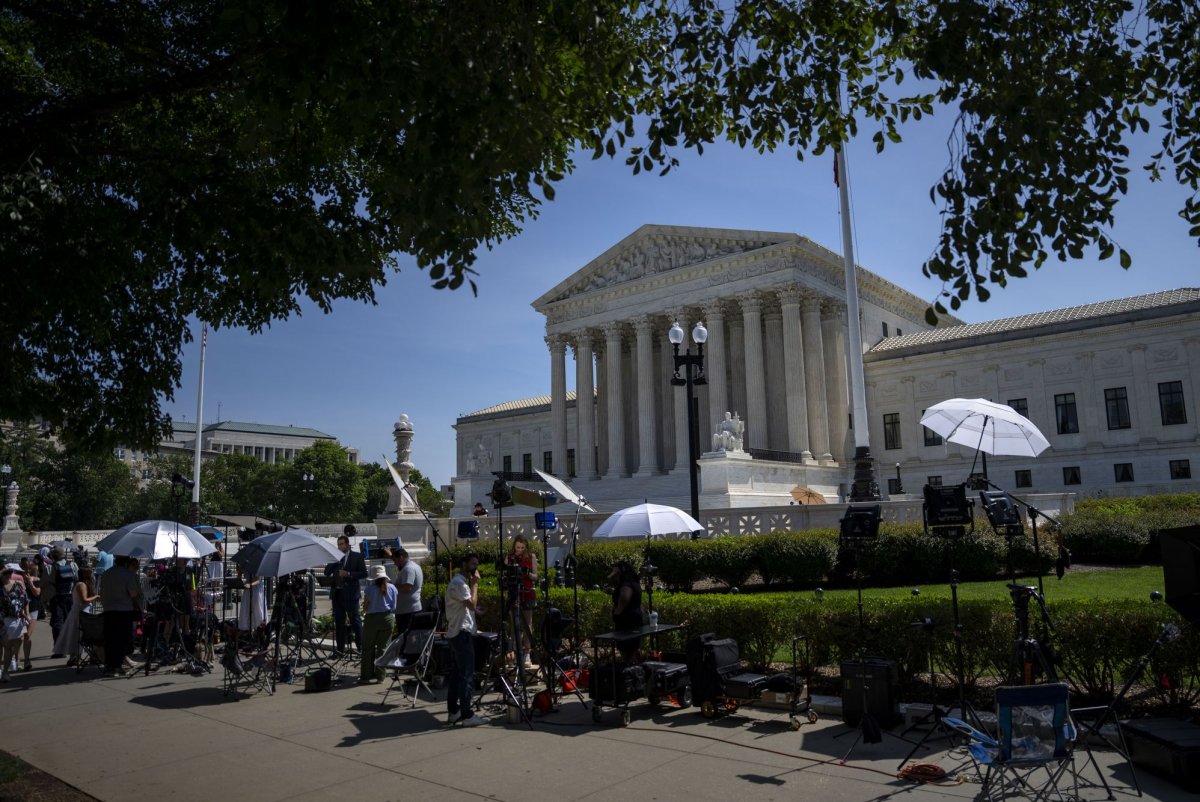
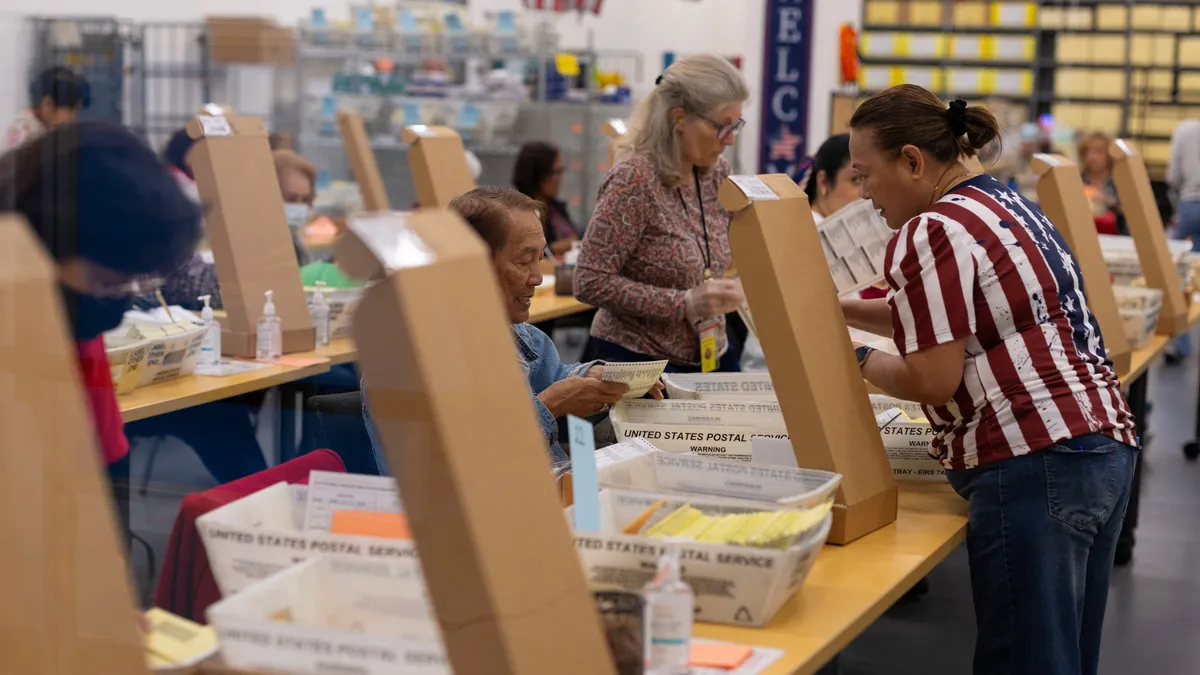
WASHINGTON – The Trump administration on July 27 asked the Supreme Court to let President Donald Trump tighten rules nationwide for mail-in ballots before this fall’s midterm elections as he seeks to exert more federal control over voting.Trump filed the emergency appeal after lower courts blocked the administration from creating a federal list of eligible voters and limiting delivery of mail ballots only to people on that list in nearly half the states.In June, a federal judge in Boston said key parts of an executive order Trump signed in March were unconstitutional, ruling that those components can't be enforced this year in the 23 states that are challenging the order.In July, an appeals court rejected the administration’s argument that the states’ lawsuit was premature because the executive order has not been fully implemented.The Boston-based 1st U.S. Circuit Court of Appeals said the changes are already straining states and “would sow confusion and threaten disenfranchisement of many eligible voters” if allowed to go into effect for the November elections.But the Justice Department told the Supreme Court that pausing Trump's executive order is "especially indefensible because the agencies are still deliberating over how (if at all) to implement the Order."The lower court "preemptively decided that whatever the agencies may choose to do will necessarily be unlawful," the government's lawyers wrote.The Supreme Court asked the states challenging the order to respond to the administration's appeal by Aug. 3.Mailed ballots key fight before consequential midtermsThe fight over rules for absentee ballots is a key battleground in the 2026 midterms that will determine which party controls Congress. Democrats can take control by flipping a handful of seats in the House and Senate.Voting by mail has decreased since its peak during the COVID-19 pandemic. But nearly 30% of voters still cast a ballot that way in the 2024 elections.Democrats are more likely than Republicans to vote by mail.Trump, who has voted by mail himself, contends absentee ballots are often fraudulent. He directed the U.S. Department of Homeland Security to compile lists of confirmed U.S. citizens eligible to vote for states to consult.The U.S. Postal Service was ordered to only deliver ballots to voters on each state's approved mail-in ballot list.The Justice Department must prioritize investigating and prosecuting state and local election officials who give federal ballots to anyone deemed ineligible to vote.States administer federal electionsThe appeals court said Trump’s executive order “directs unprecedented levels of involvement by federal officials in how states administer elections.”Under the Constitution, states are assigned the role of administering federal elections. But Trump has called for greater federal control since losing his 2020 re-election campaign. He’s continued to push the false claim that he lost because of widespread voter fraud.Trump has proposed legislation to require voters to provide identification at polling places and proof of citizenship when registering as part of a broader bill, but it has stalled in Congress.In addition, judges have blocked a different executive order that would have required potential voters present documentation proving their citizenship in order to register to vote.And in June, the Supreme Court rejected the Republican Party's effort to stop states from counting ballots that are postmarked by Election Day but received after.