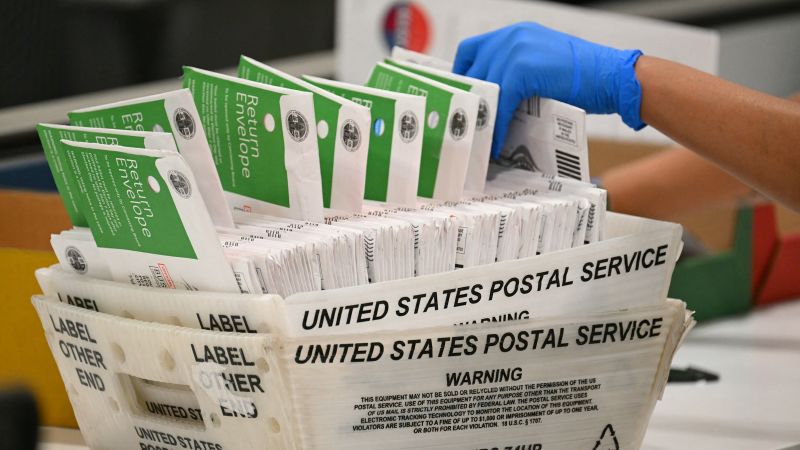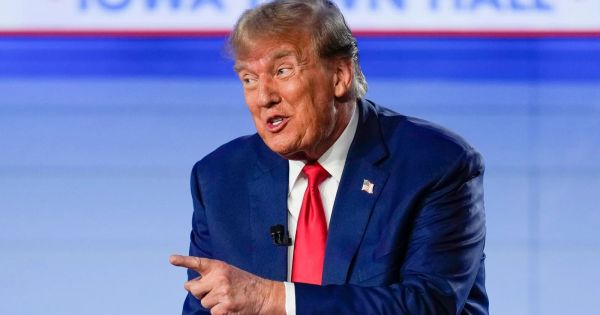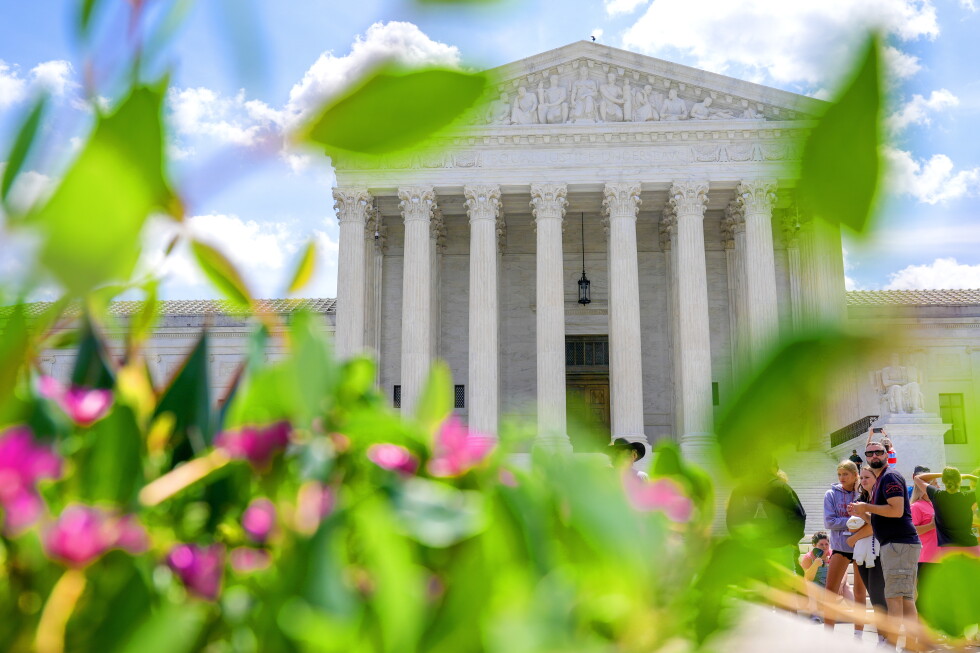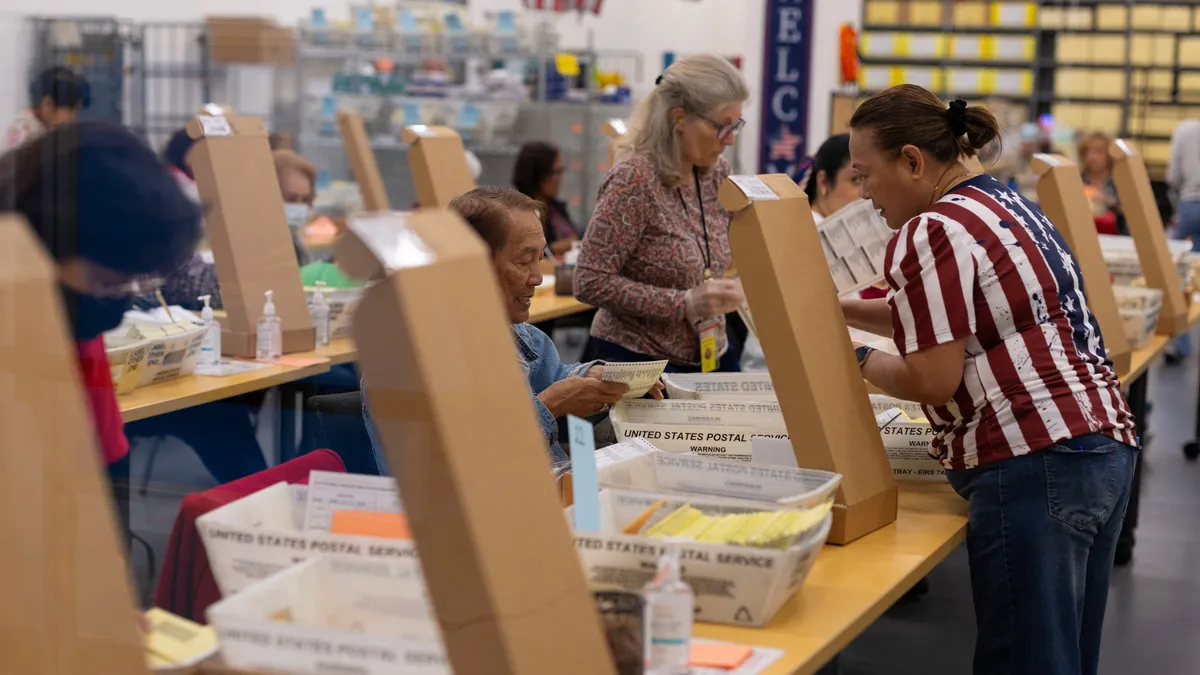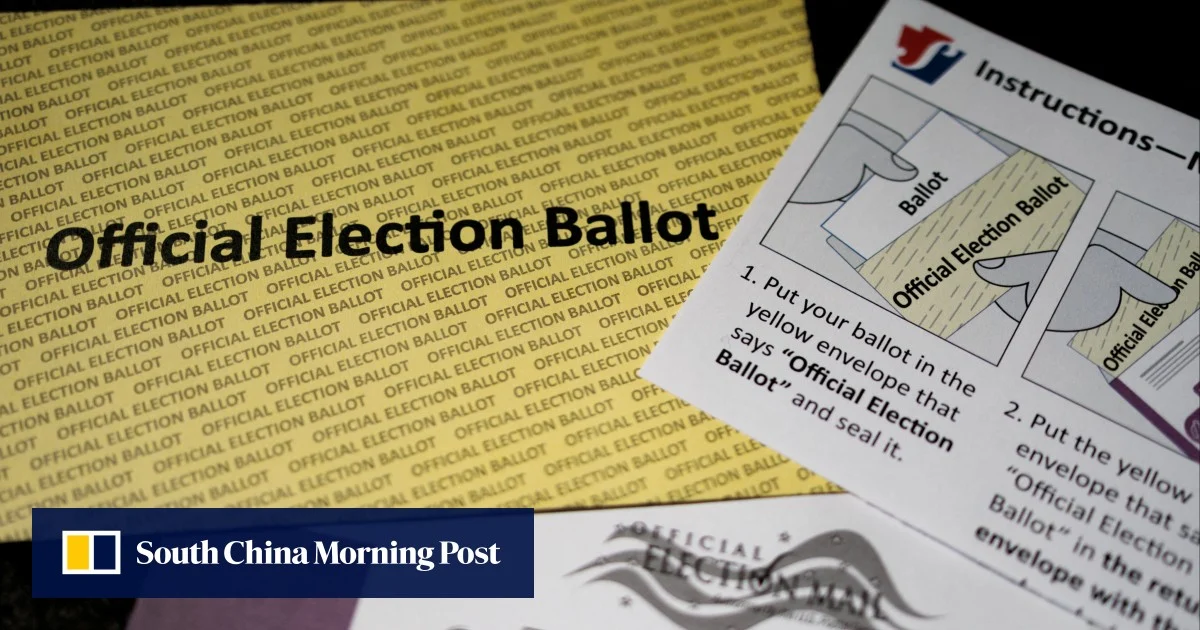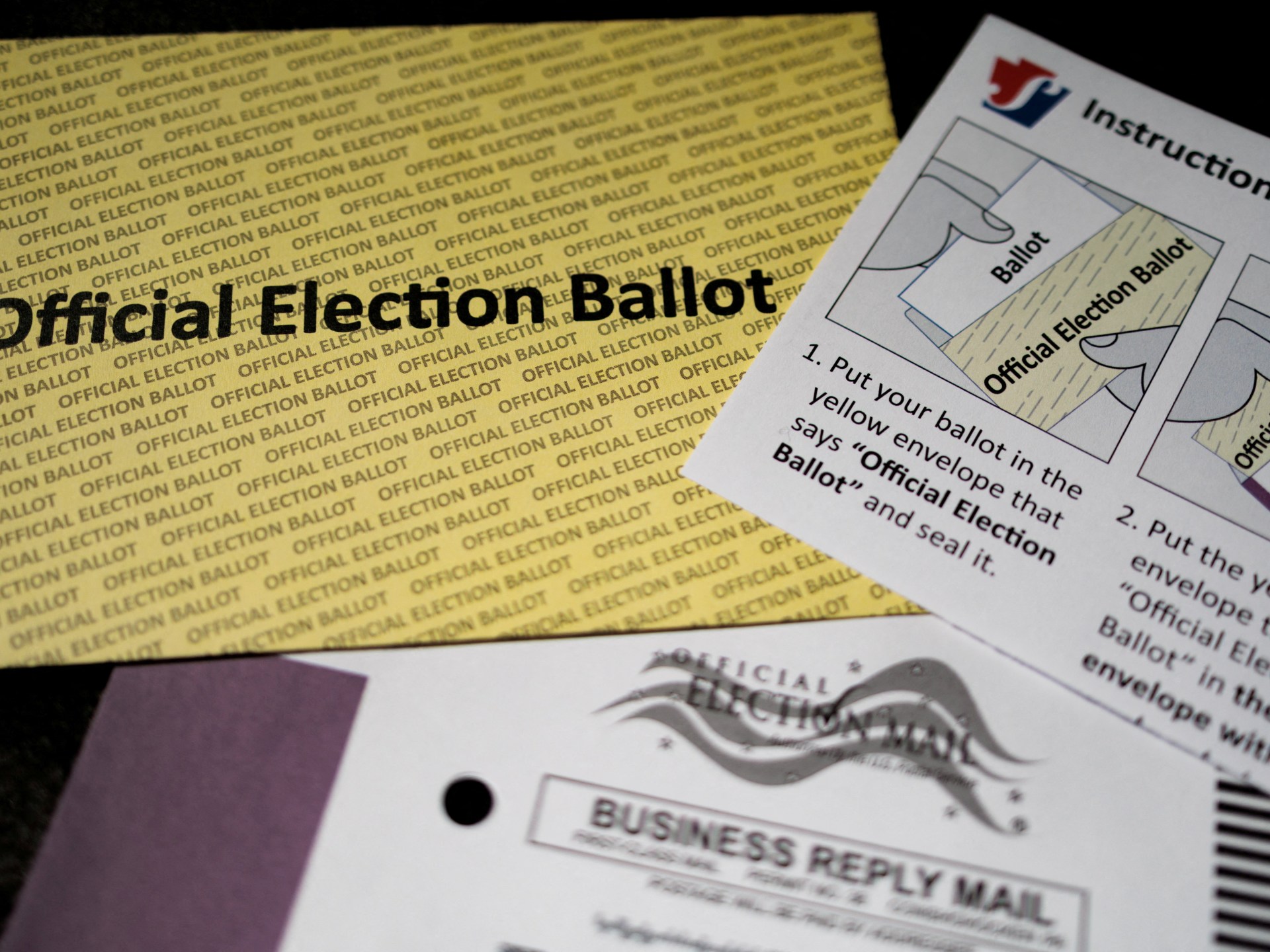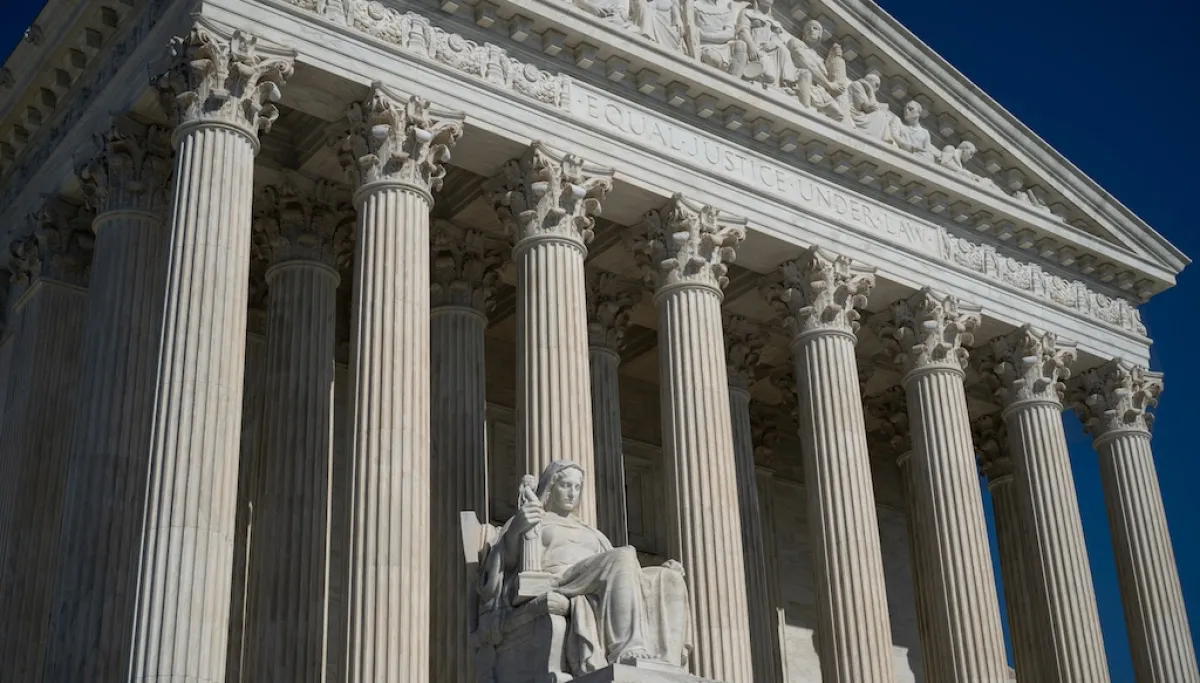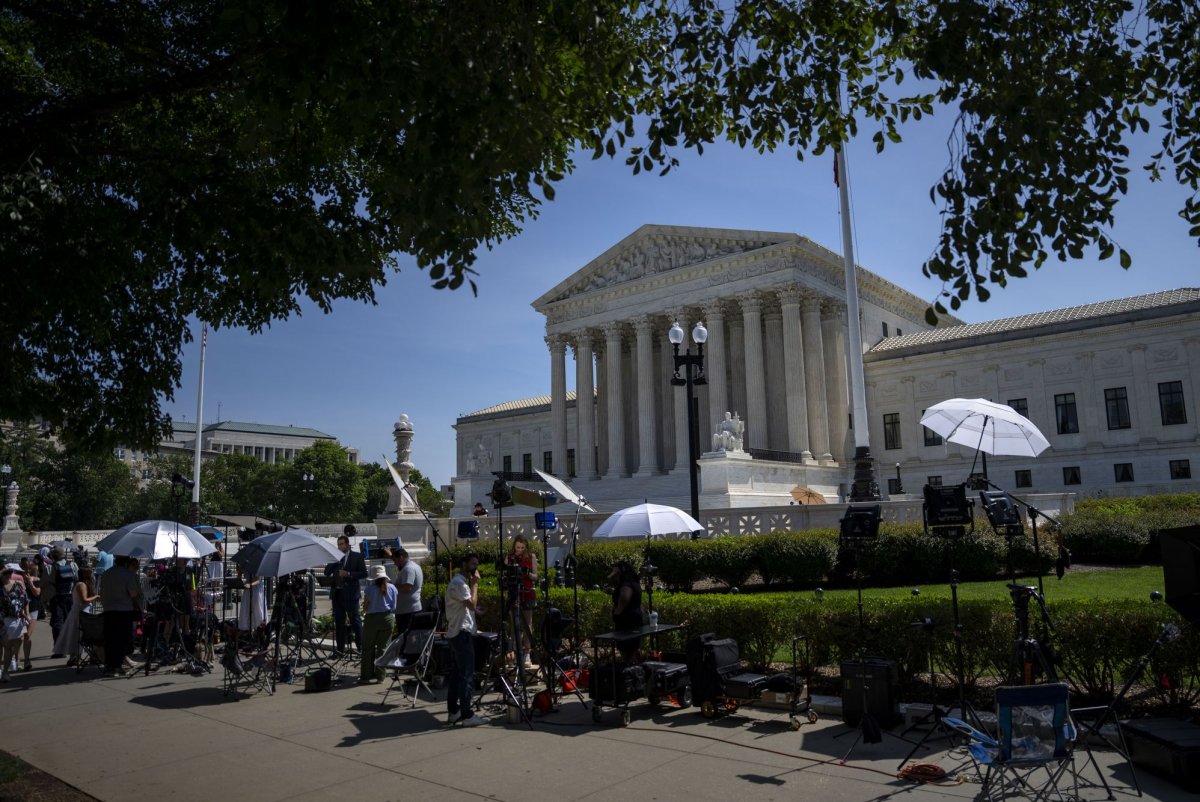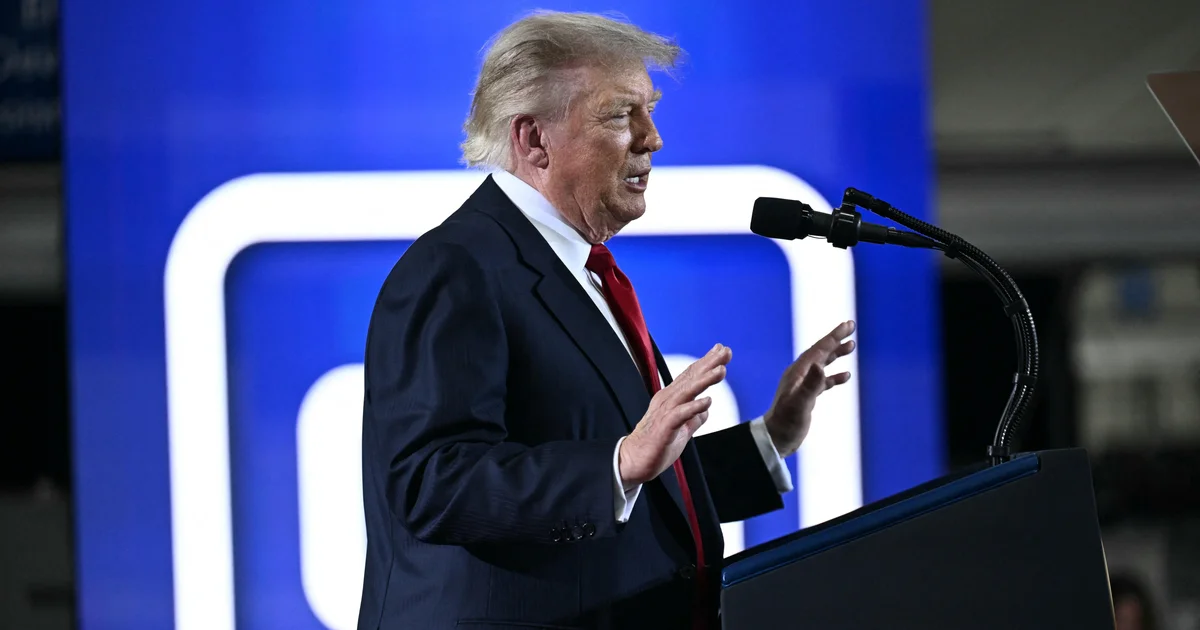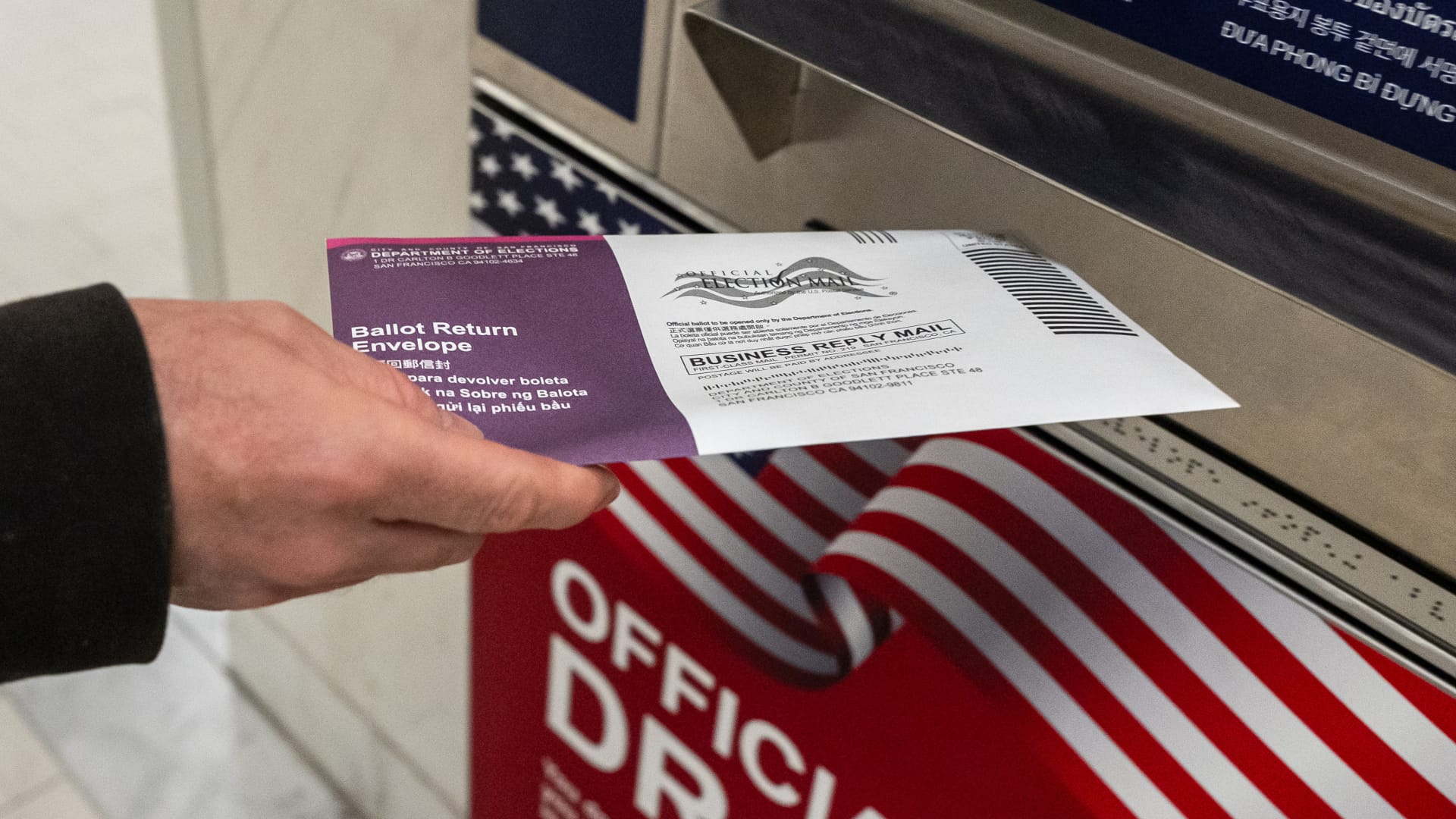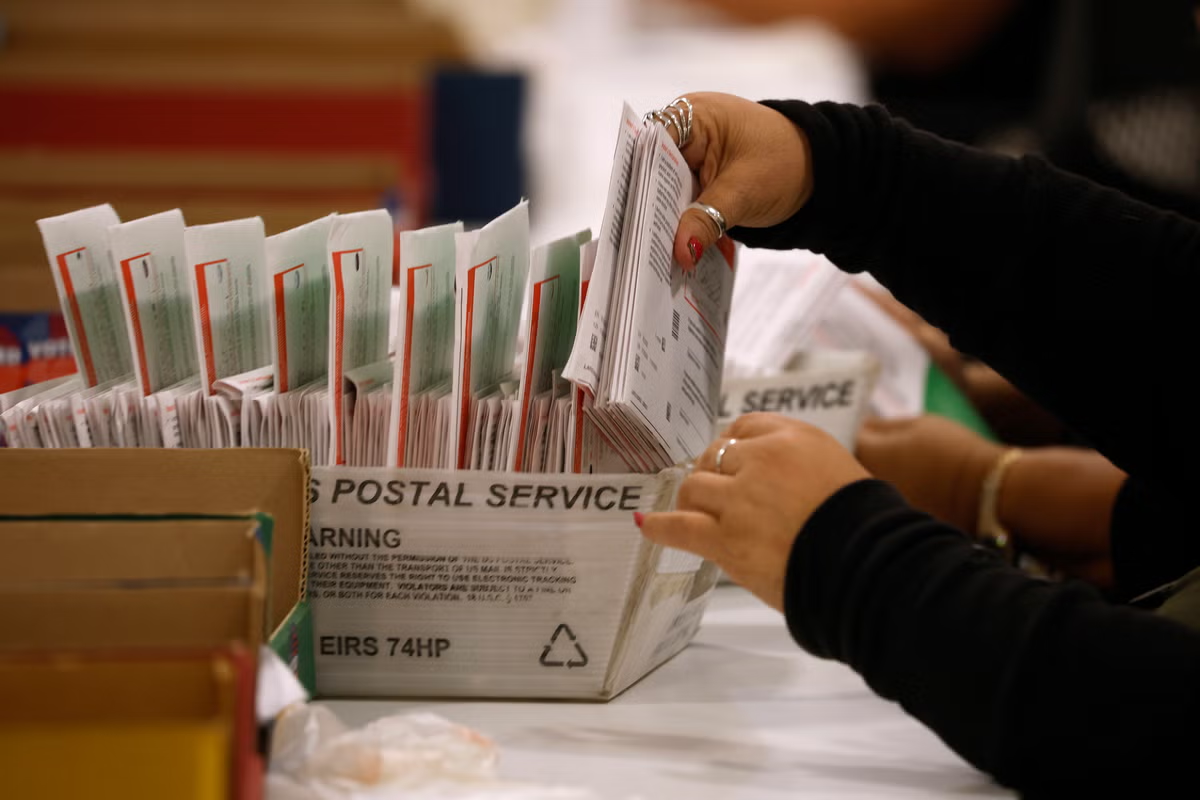
With less than 100 days before high-stakes midterm elections, Donald Trump is asking the Supreme Court to let him enforce an executive order that would impose sweeping restrictions on mail-in voting.Monday’s emergency request followed last week’s federal appeals court decision that upheld a judge’s ruling to block the president’s executive action, which threatened to disenfranchise “many eligible voters” by restricting U.S. Postal Service delivery of ballots to people who did not appear on a newly mandated list of eligible voters.The appeals’ court majority determined that “unprecedented levels of involvement by federal officials in how states administer elections” would spark mass confusion and “threaten disenfranchisement of many eligible voters.” even a Trump appointee on the three-judge panel agreed in a separate opinion that the president’s order could impose “concrete injury” to legal voting.Trump — who has spent years baselessly insisting that voting by mail is ripe for fraud, and that manipulated ballots were “rigged” against him in elections he lost — is simultaneously demanding the Senate pass his SAVE America Act, which would require proof of citizenship to register to vote, among other restrictions.Voting rights groups fear the president’s efforts to centralize control over election administration, which is left to the states, is an attempt to boost Republican candidates and suppress Democratic turnout ahead of November elections that could determine the balance of power in Congress — and the fate of Trump’s remaining years in office.(Getty)In March, Trump issued an executive order that would require states to compile lists of eligible voters based on information from his own administration. Those lists would be compiled by the Department of Homeland Security and the Social Security Administration.The Postal Service would then be blocked from mailing ballots to anyone who did not appear on those lists.“The cheating on mail-in voting is legendary,” Trump said during a signing ceremony at the White House. “I think this will help a lot with elections.”A coalition of 23 states and Washington, D.C. then sued to block the order, fearing that countless eligible voters could be left off the lists. Last month, U.S. District Judge India Talwani determined that “the Constitution reserves the power to determine voter eligibility to the States alone,” and even if the federal government was to be involved, it’s unlikely to be able to keep track of name changes and new addresses that could end up preventing otherwise eligible voters from receiving ballots under Trump’s rules.“It is clear that the federal agencies charged with compiling Confirmed Citizen Lists lack the ability to create complete and accurate lists of the U.S. citizens residing in every State,” she wrote.Data compiled by the federal government was set to be handed off to state election officials before citizens could check to see if their information is accurate — which could force eligible voters from state voter rolls without recourse.(AFP/Getty)Trump’s latest legal fight at the nation’s hight court follows a series of White House-directed actions targeting the nation’s elections and the people who run them.The administration — fueled by the president’s obsession with his loss in the 2020 election and baseless allegations that the results were rigged against him — has launched a sweeping attack on the nation’s election infrastructure since returning to office last year while Republican allies raced to carve up election maps before midterm elections this fall.A false claim that millions of noncitizens are voting in federal elections is also fueling the push for Trump’s SAVE America Act, and the president is calling on Republican senators to blow up the Senate filibuster and stuff the legislation into other bills to get it passed.The Department of Justice has also threatened criminal charges against election officials in every state if they knowingly permit noncitizens to vote or remain on voter rolls.Election officials and voting rights groups fear the administration’s threats could be used to intimidate election workers and chill voter participation.
Trump asks Supreme Court to let him restrict mail-in ballots before midterms
The president wants to reverse court rulings that feared his order would spark mass voter disenfranchisement
642 words~3 min read