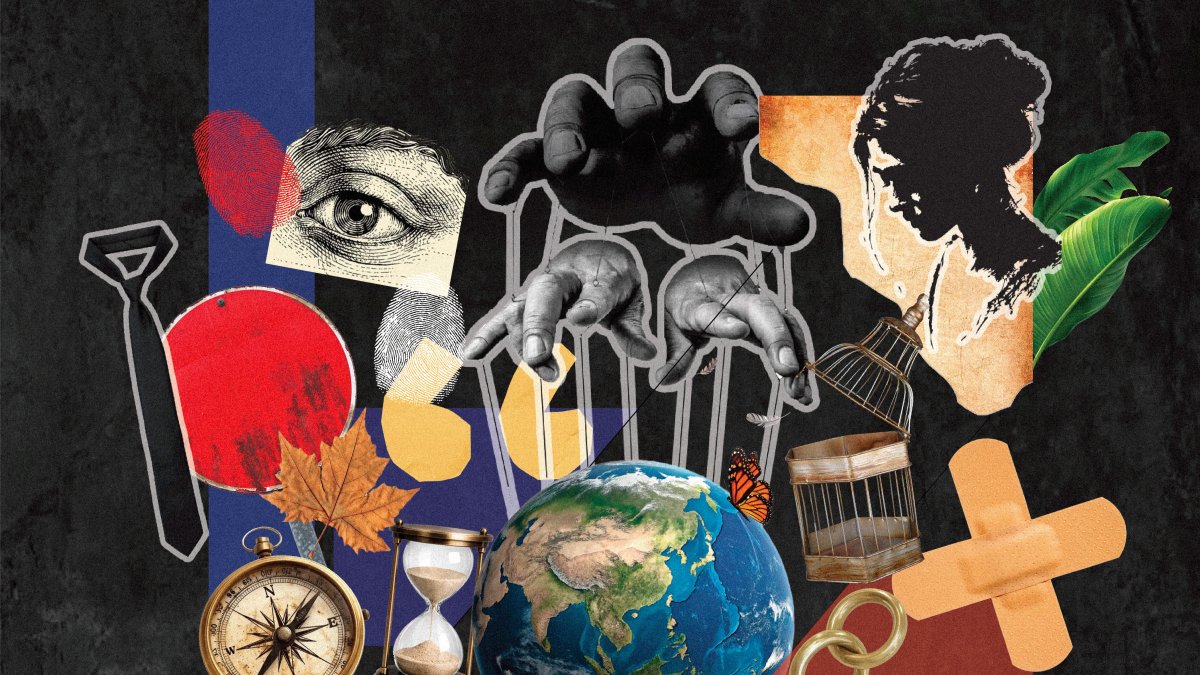
We often think of colonialism as a chapter of history. Yet perhaps its greatest achievement has been persuading us that it belongs only to the past. Colonialism is not simply about territory; it is also a way of organizing human relationships.
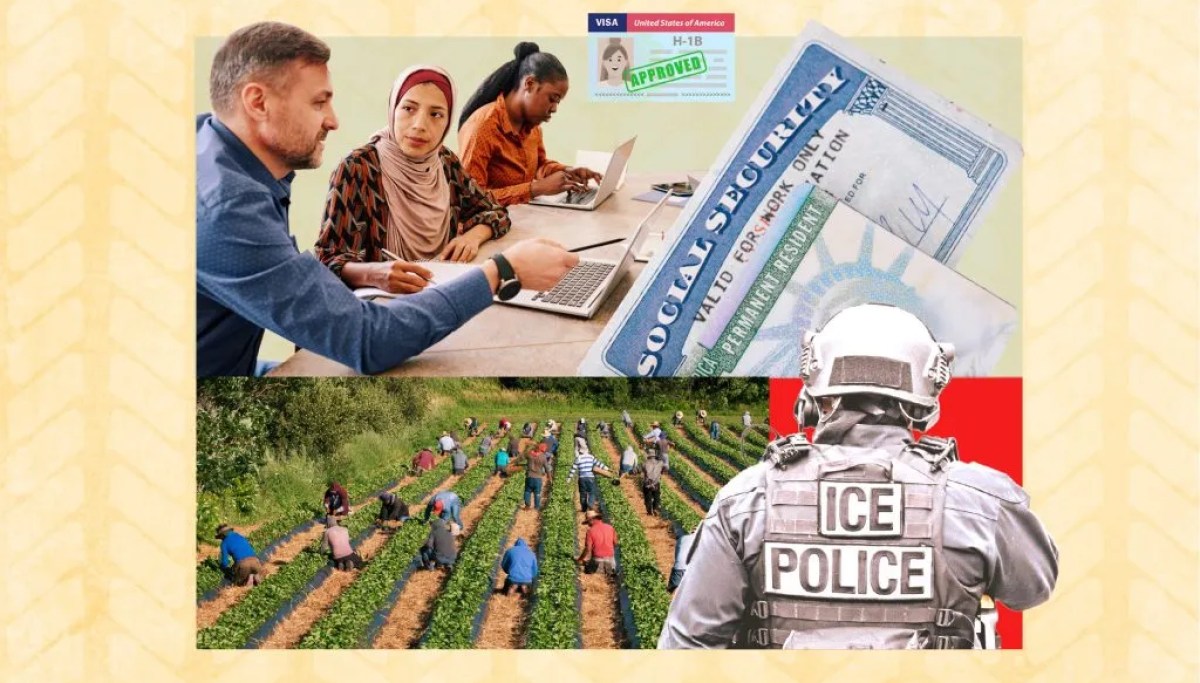
Whenever one person's labor is exploited, another person's body is treated as an entitlement, nature is consumed as an inexhaustible resource, knowledge is monopolized, or one life is shaped according to another's interests, the same colonial logic is at work: to possess, to control and, ultimately, to consume.
Perhaps this is why ours has become an age of invisible colonization, one that distances us from our own humanity while drawing us into an unconscious form of globalization.
Today, it is no longer only nations that are occupied. Bodies are occupied too. Not only territories are colonized, but minds as well. Not only natural resources are exhausted, but emotions too.
Colonization of humanity