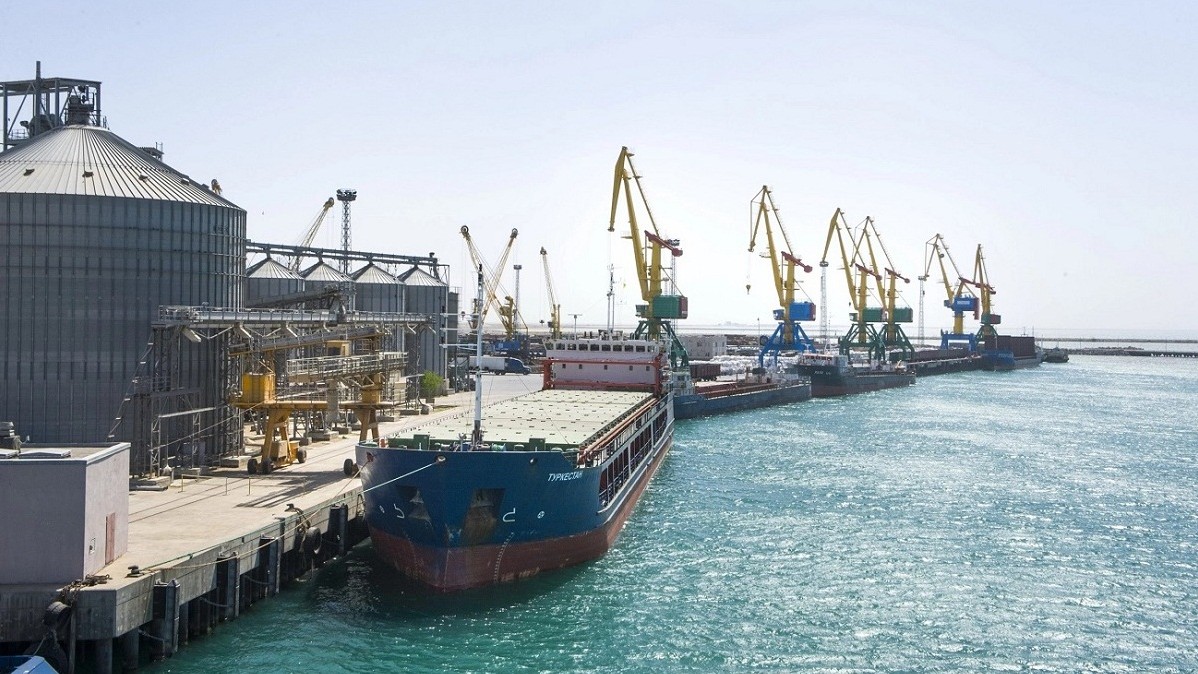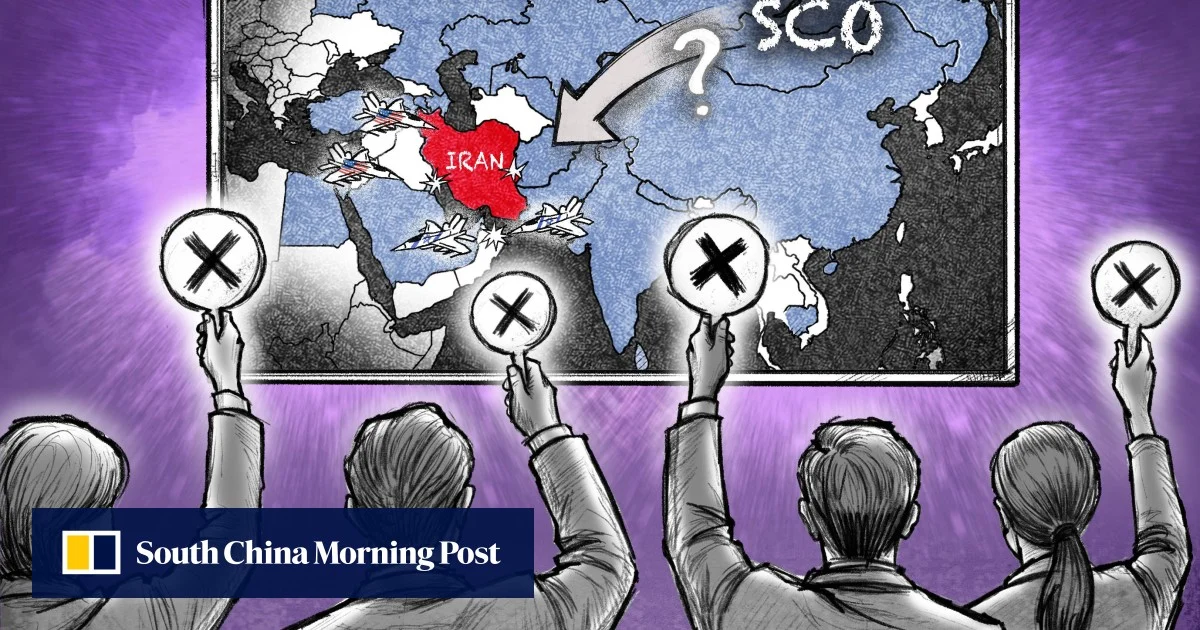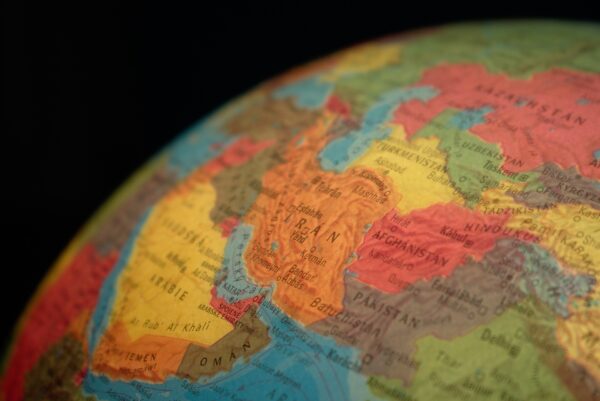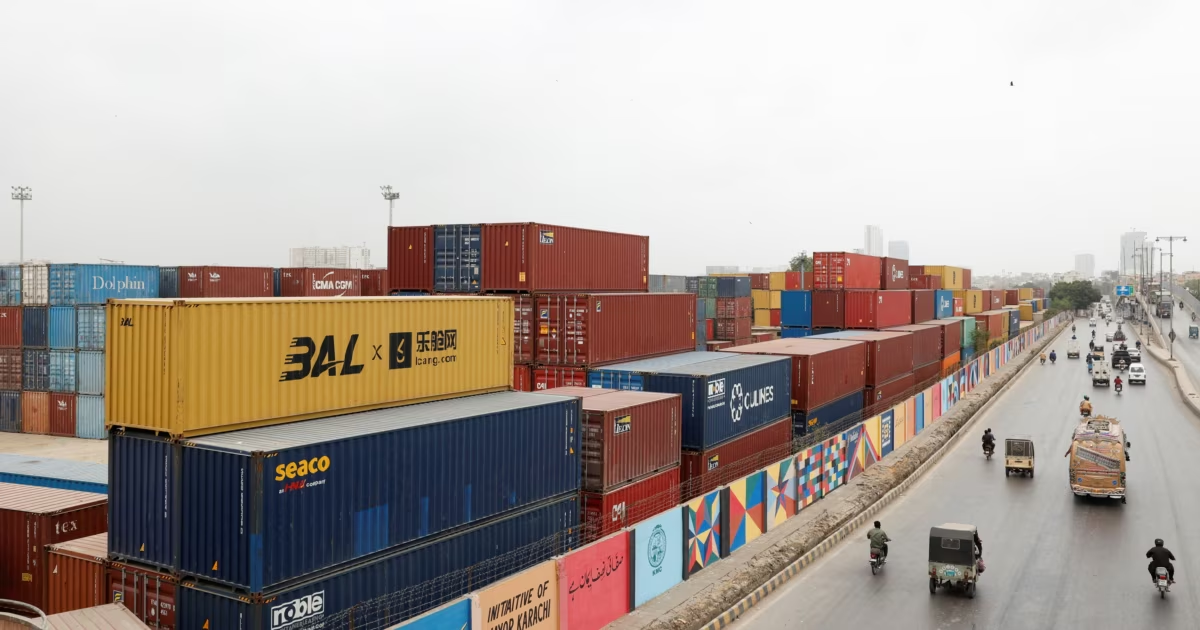
WASHINGTON -- The recent military escalation between the US and Iran may have subsided for now, but the geopolitical consequences are only beginning to unfold.As uncertainty hangs over the Strait of Hormuz and regional security, governments across Central Asia are quietly rethinking decades of strategic assumptions about trade, connectivity, and access to global markets.Ken Moriyasu, a senior fellow at the Hudson Institute focusing on Eurasian affairs, has just returned from Central Asia, where he says one message stood out above all others: countries that once viewed Iran as their natural gateway to the sea are increasingly looking elsewhere.This interview has been edited for length and clarity.RFE/RL: You have just returned from Central Asia. What is the biggest strategic shift governments there are quietly making in response to the Iran conflict?Ken Moriyasu: The biggest takeaway for me is the change in attitudes toward Iran.Earlier this year, after the conflict in February, there were discussions at think tanks around March where Central Asian ambassadors spoke about the possibilities if stability returned to Iran.If Iran moved toward a pro-business administration, they argued, it would provide the shortest route to warm-water ports for Central Asian countries. There was considerable optimism about what could happen if Iran became stable.But on this trip, it became very clear to me that Central Asian countries are moving away from that option. They are talking much more about Pakistan and Afghanistan -- using Afghanistan as a transit route to Pakistan.Even though Afghanistan and Pakistan have their own tensions, they believe resolving those issues is more realistic than waiting for regime change in Iran or for a level of stability that would convince Israel to stop attacking Iran. For them, that now appears to be a very distant possibility.
Central Asia Is Increasingly Looking Beyond Iran, Says Analyst Ken Moriyasu
Has the Iran conflict permanently reshaped Central Asia's strategic map? Hudson Institute senior fellow Ken Moriyasu explains why governments across the region are increasingly looking beyond Iran toward Pakistan, Afghanistan and China for trade, connectivity and access to global markets.
1,132 words~5 min read