view more
“Shark Week,” which kicks off this week, has captivated audiences for decades with stories of these powerful ocean predators. But the secret behind their extraordinary swimming abilities lies far deeper than their impressive teeth or iconic tails – it’s hidden inside their spines.
For more than 400 million years, sharks have evolved a unique cartilage-based skeleton that provides the strength and flexibility needed to endure millions of powerful movements. While scientists understand how shark muscles drive different swimming styles, far less is known about how the internal structure of their spines helps them achieve remarkable speed, agility and endurance.
Now, Florida Atlantic University researchers and collaborators from NOAA Fisheries are taking a closer look inside the shark spine to uncover how its hidden design enables these ancient predators to move with such power, precision and stamina.
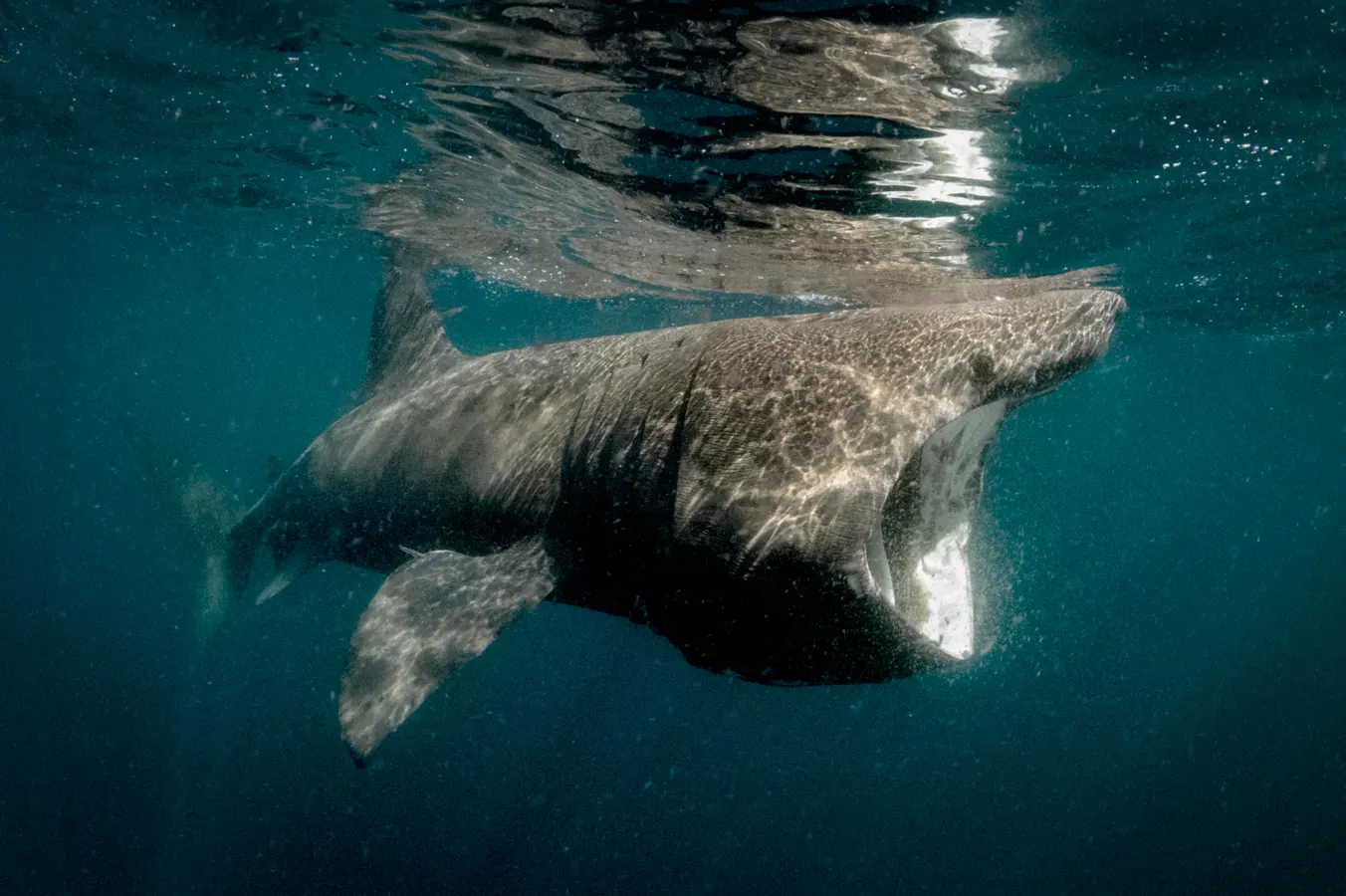
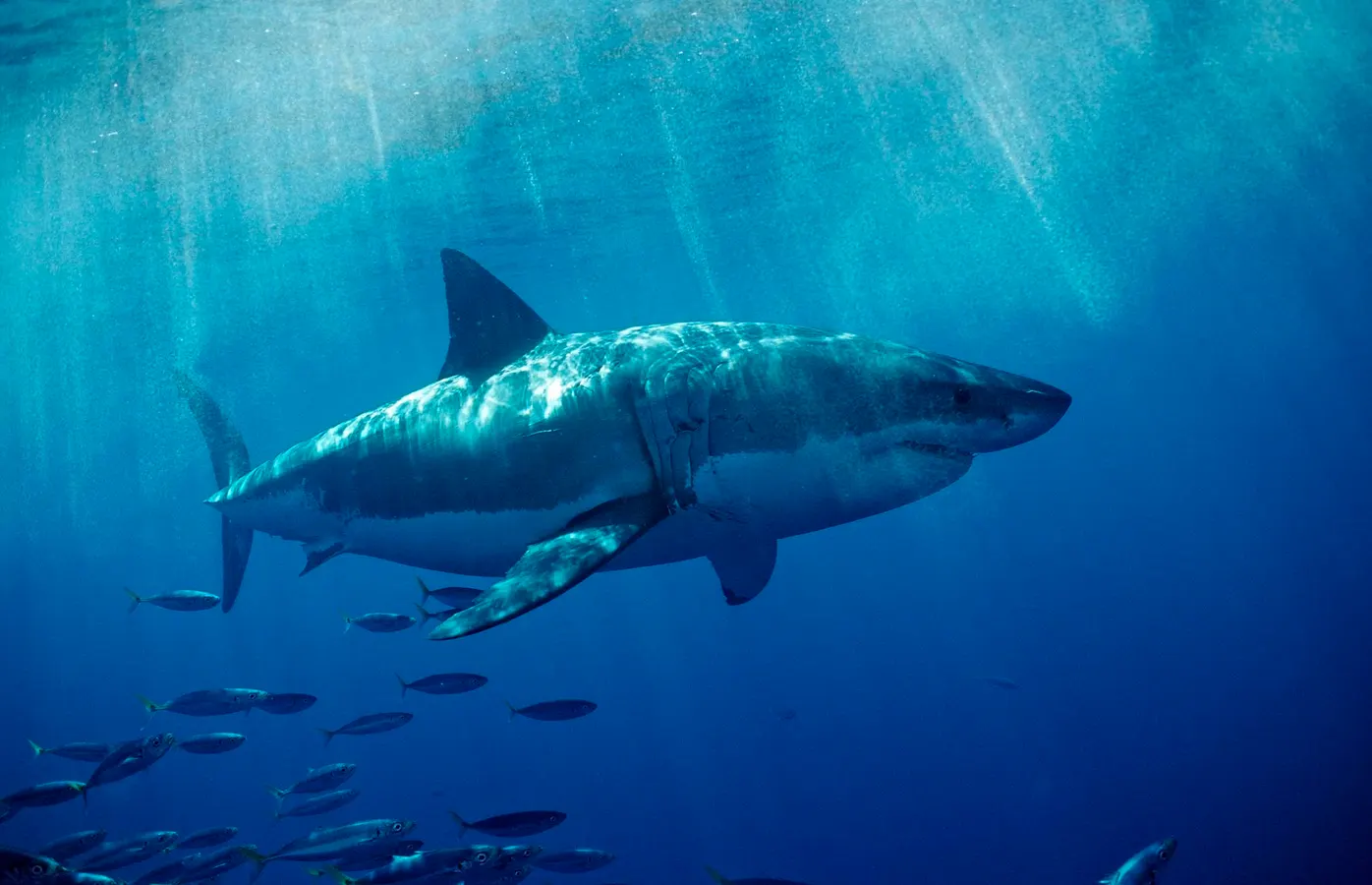
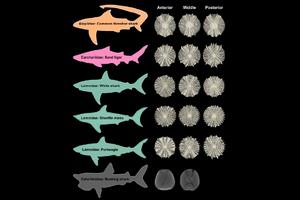
The new study, published in the Journal of Anatomy, reveals that the internal architecture of shark vertebrae is remarkably specialized, with each species evolving a vertebral column uniquely suited to the way it moves through the water. By examining the intricate mineralized structures inside the cartilaginous vertebrae of six species – the great white, shortfin mako, porbeagle, common thresher, sand tiger and basking shark – researchers discovered that the spine is far more than a flexible support column. It’s a finely engineered biomechanical system designed to maximize strength, flexibility and swimming efficiency.