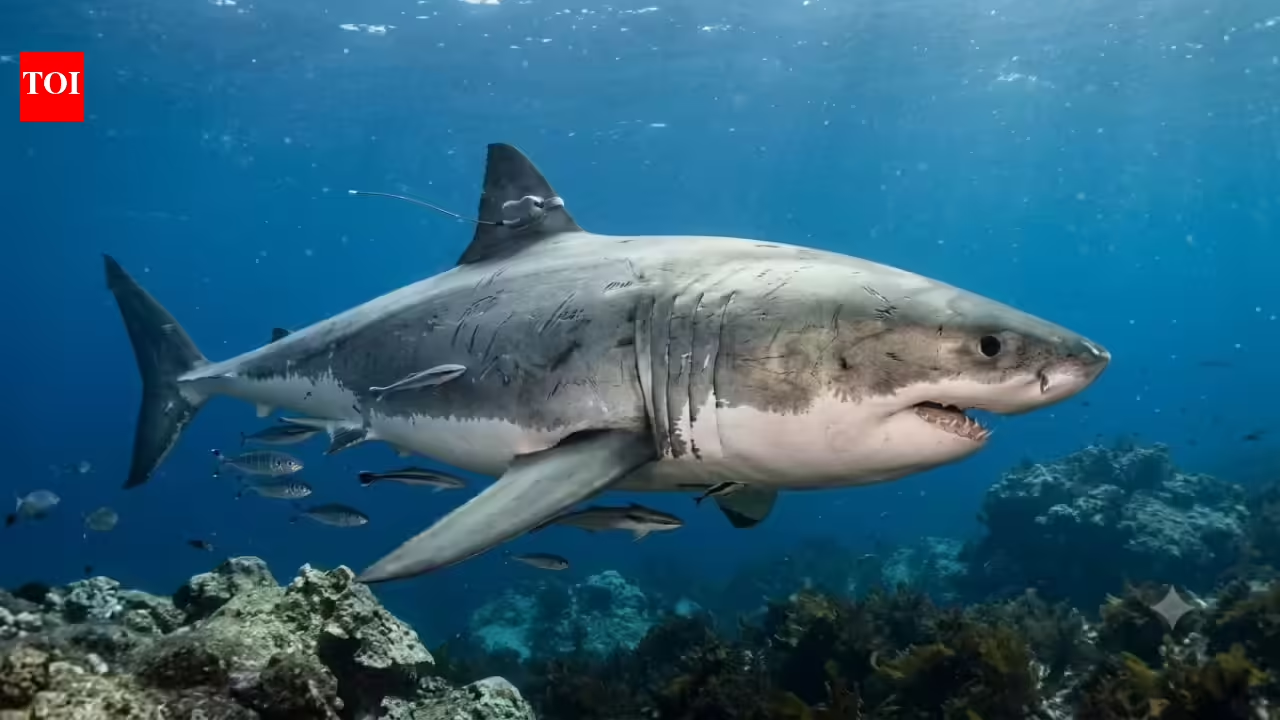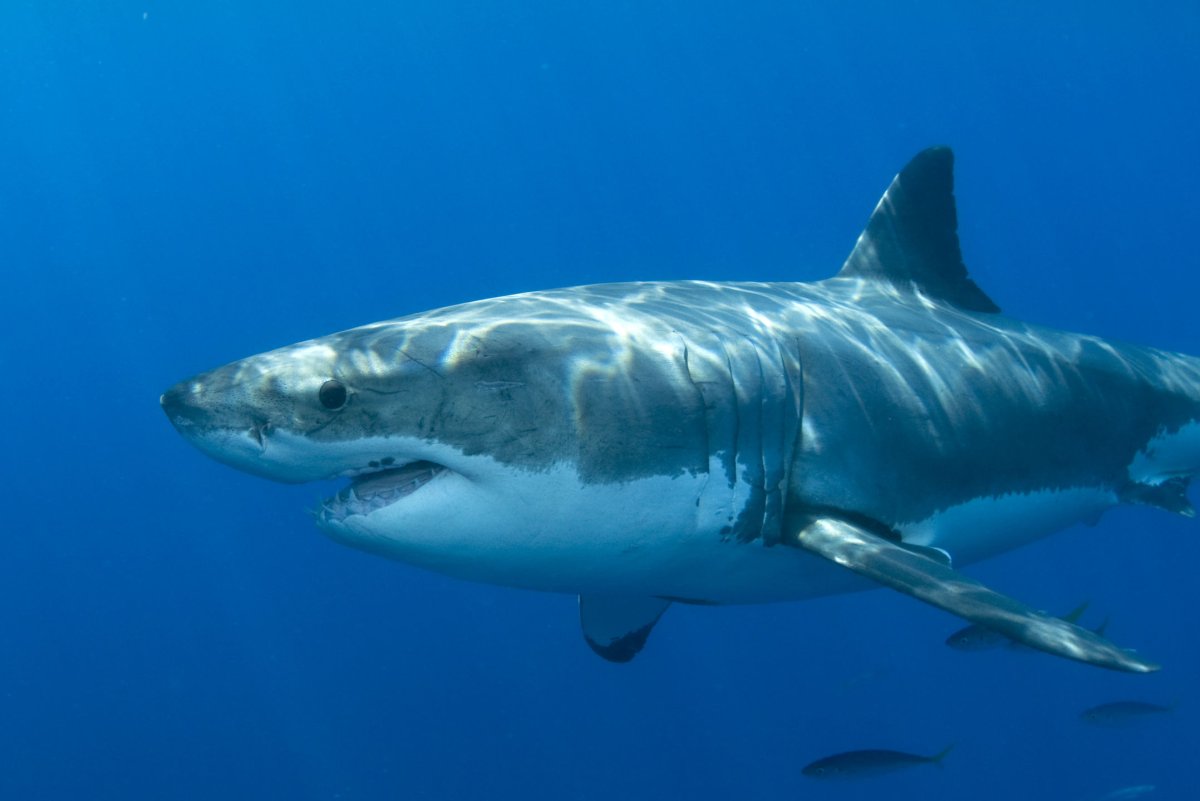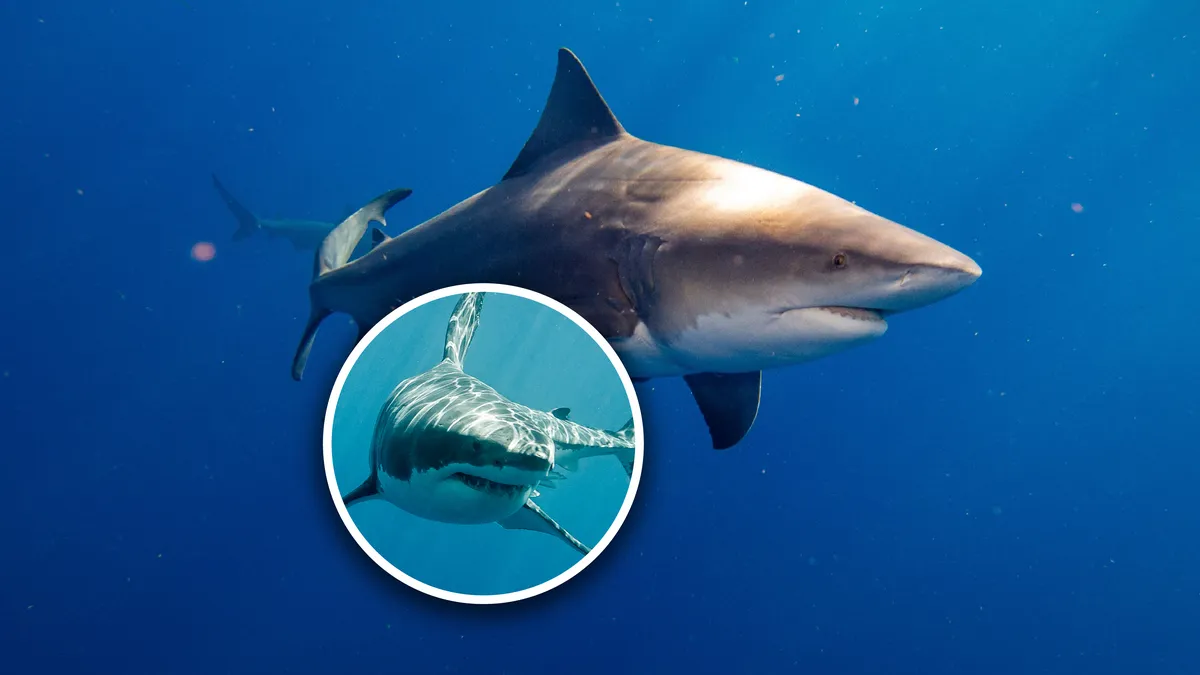
As interest in sharks ramps up ahead of Discovery Channel's Shark Week, which runs from July 26 through Aug. 1, two recent studies offer new insights into how sharks are changing their behavior and habitats.Researchers found that rising ocean temperatures are reshaping where sharks live and travel. Some species are expanding their range farther north along the East Coast, while others, such as great white sharks, use the Gulf of America (also known as the Gulf of Mexico) as an important winter habitat.The oceans have experienced historic warming over the past decade, soaking up more than 90% of the surplus heat accumulating in the climate system, according to the National Oceanic and Atmospheric Administration.So does that mean Americans will see more sharks along our coastlines?Not necessarily. You may not see more sharks overall, but you could see them in places where they were once less common.Shannon Barry, a researcher in the Department of Ocean Engineering and Marine Sciences at the Florida Institute of Technology and lead author of a recent study, seems to agree. "As we see ocean temperatures increasing, especially as you move northward along the U.S. Atlantic coast, these near-shore habitats that bull sharks use for nursery sites are moving into the temperature range preferred by juveniles."Shark sightings are popping up in regions they don't normally visit as the animals are adjusting to warming waters, USA TODAY previously reported.As ocean conditions change, some species are shifting their migration routes, feeding grounds and nursery habitats, Barry's study says. These changes can lead to more shark sightings and, in some areas, a greater likelihood of shark-human encounters.Unable to view our graphics? Click here to see them.Where sharks are shifting their rangesAs ocean temperatures rise, bull sharks appear to be moving critical nursery habitats farther north along the East Coast. Barry and her researchers found evidence that a new nursery population has become established in North Carolina, signaling a broader shift in the species' behavior."The move poleward is driven by climate change," Barry said. "Bull sharks have a specific temperature range they like to maintain, with adults typically found between 26-30 degrees Celsius (78.8F to 86F degrees), and rarely below 20 degrees Celsius (68F degrees). While juveniles have been found in temperature ranges of 20-34 degrees Celsius (68F to 93.2F degrees)."Another peer-reviewed study, published in the journal Wildlife Research, challenges previous assumptions about great white shark migration. Researchers found that many great whites travel thousands of miles each winter from Canada and the northeastern United States to the Gulf.Using satellite-linked smart position and acoustic tags, researchers tracked 92 white sharks tagged between Nova Scotia, Canada and Jacksonville, Florida, finding that 57 sharks across all life stages spent significant time in the Gulf or Straits of Florida, primarily from December through May, as part of a long-term OCEARCH-led research effort."For years we suspected white sharks were using the Gulf more than people realized,” Chris Fischer, founder and expedition leader of OCEARCH, posted on the group's site. “This research confirms the Gulf is a regular winter habitat for this population and highlights how connected the ecosystems of the Atlantic Ocean truly are."Where shark bites are most common in the United StatesIt's no surprise that Florida leads the nation in unprovoked shark bites. With more than 8,000 miles of coastline and millions of people entering the water each year, the state offers more opportunities for shark-human encounters than anywhere else in the U.S.How often do shark attacks happen in the US?You're far more likely to be struck by lightning than to be attacked by a shark. Shark attacks are considered extremely rare. The Florida Museum, a state natural history museum, puts the odds of being attacked by a shark at 1 in 11.5 million, while the odds of being struck by lightning in a given year are 1 in 1.2 million, according to NOAA.TrackingSharks says seven shark bite attacks occurred this year, as of July 5, in five states: Florida (2), California (2), Georgia (1), New York (1) and Texas (1).How to reduce your risk of being a shark attack victimHave a swimming buddy. Don't go into the water alone.Don't swim at dawn or dusk. The light is low, which can increase your risk of a shark mistaking you for other prey.Don't enter waters where there is fishing activity.Don't wear shiny jewelry. It can catch the sunlight and glint, much like fish that sharks prey upon.Try to avoid splashing. It generates a sound similar to that of struggling fish, which can attract sharks.
Sharks are moving into new waters. Some Americans may see more of them
Sharks are on the move. Bull sharks expand north, great whites head gulfward. We explain.
752 words~3 min read