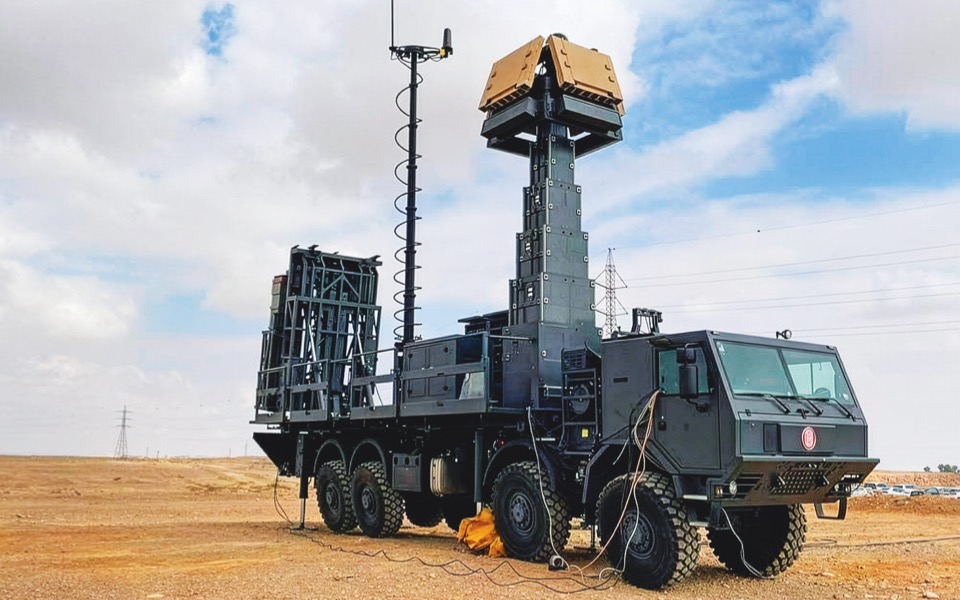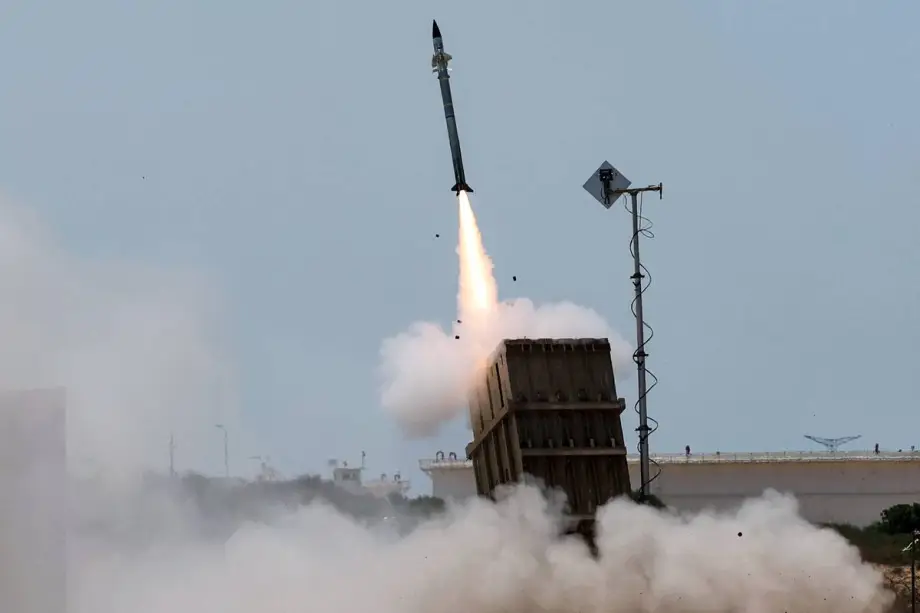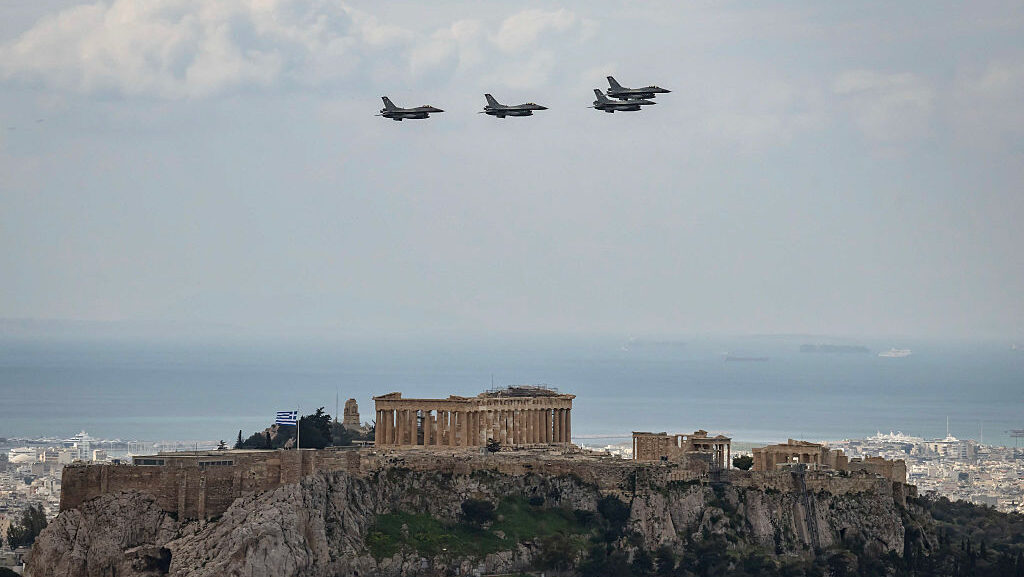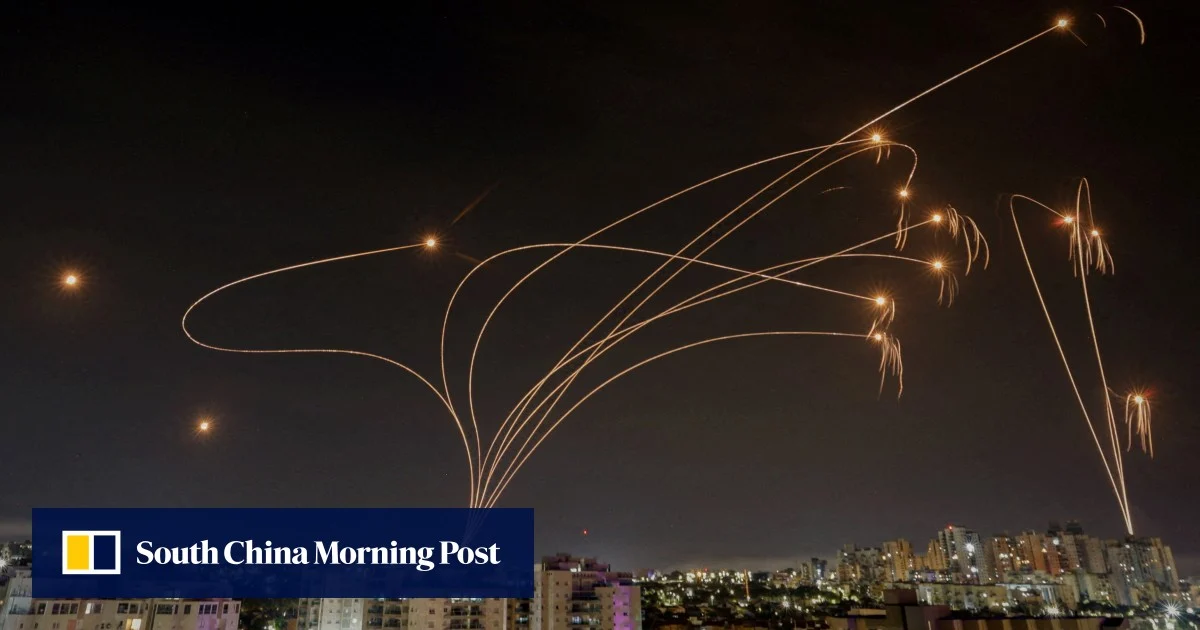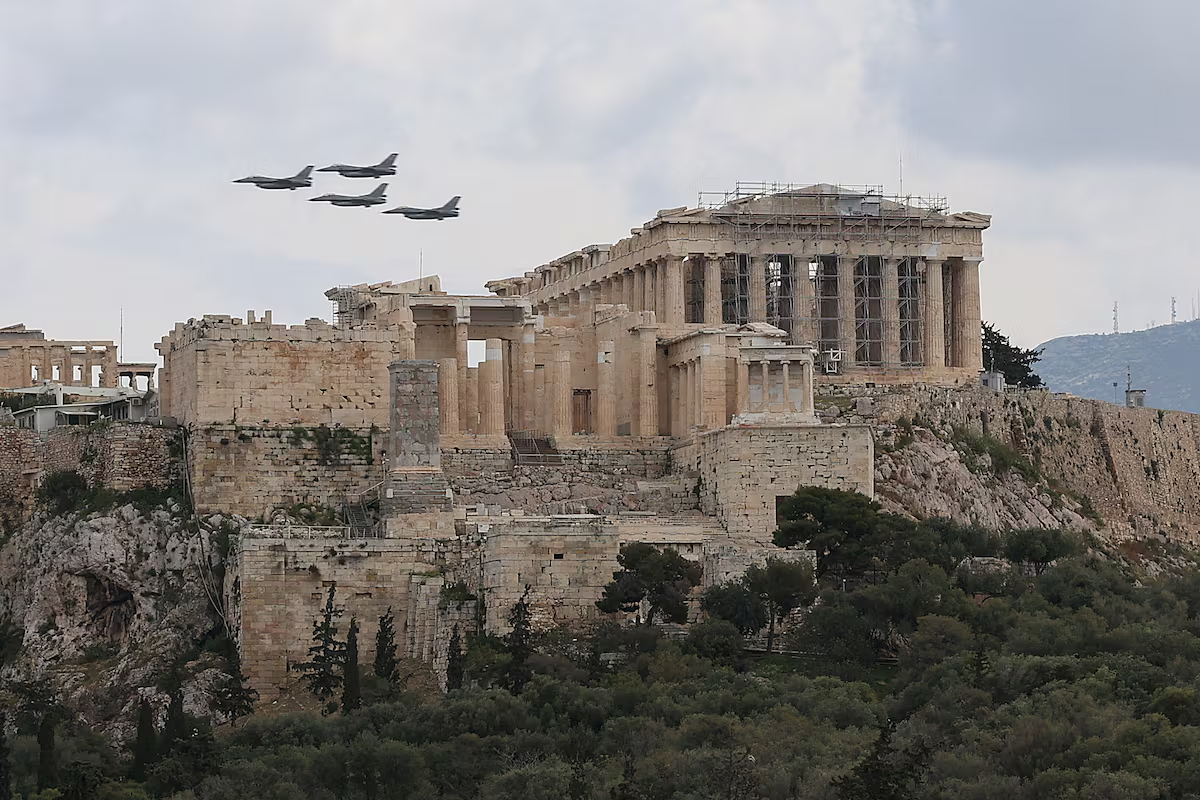
Greece’s Government Council for Foreign Affairs and Defense (KYSEA) on Thursday approved a package of defense procurement programs that included, among others, the systems that will, in roughly three years, form the country’s comprehensive and network-centric air defense architecture. Integrated with the country’s FDI frigates, F-35 and Rafale fighter jets, as well as microsatellites and any other assets incorporated into the country’s defense capabilities, these systems will operate in an entirely new environment.
A few hours before KYSEA’s decision was announced, Kathimerini was the first media outlet to be welcomed to the headquarters of the new Directorate of Informatics and Cyberspace (DIPLIKYV), inaugurated about a month ago at the Ministry of National Defense and built with a donation by Athanasios K. Laskaridis. We also met with the head of the Cyberspace Command (DKYV), Brigadier General G.G., to discuss the new directorate and its mission. The two developments are closely linked, as the Cyberspace Command’s primary role is to secure the closed network that interconnects the full range of the Hellenic Armed Forces’ operations.
Impregnable cage
Our tour of the DIPLIKYV facilities – spanning a total of 2,500 square meters across two levels – was understandably restricted as only personnel with directorate clearance are allowed full access and only after biometric authentication. The building itself was constructed as a Faraday cage, shielding its interior from electromagnetic interference and protecting the equipment contained within.