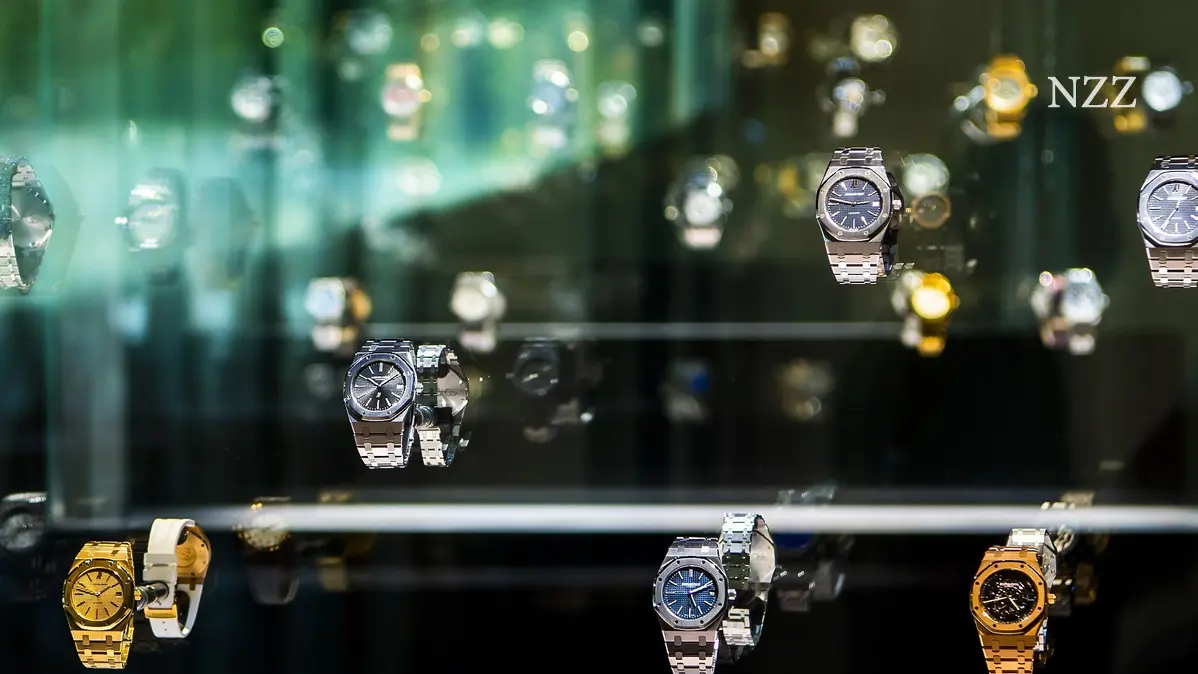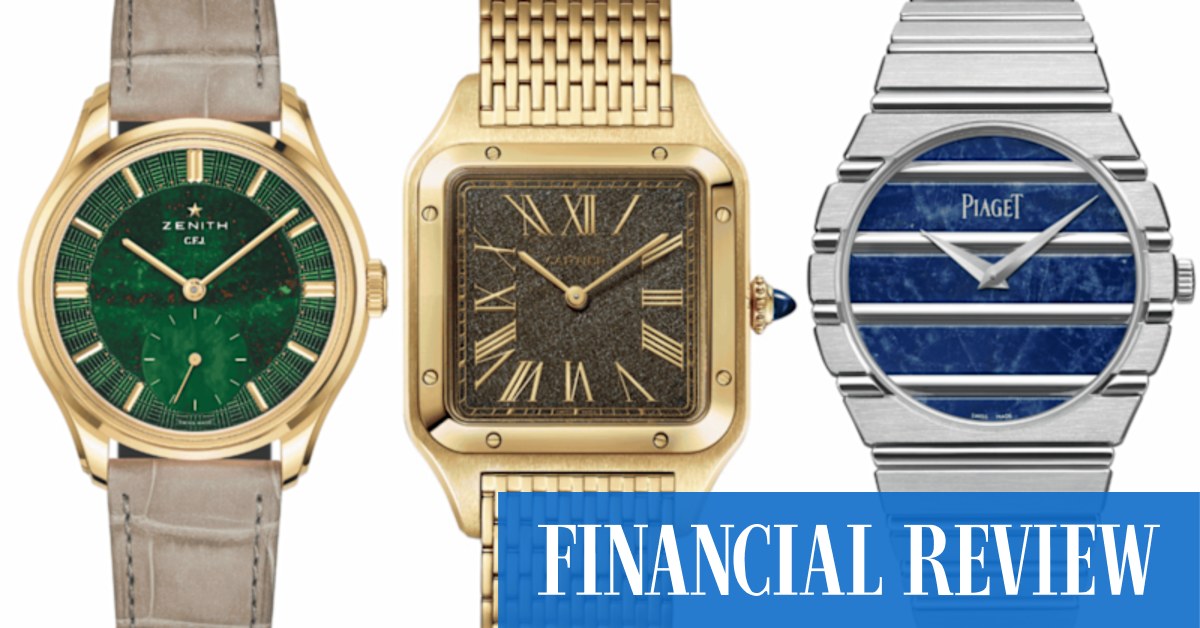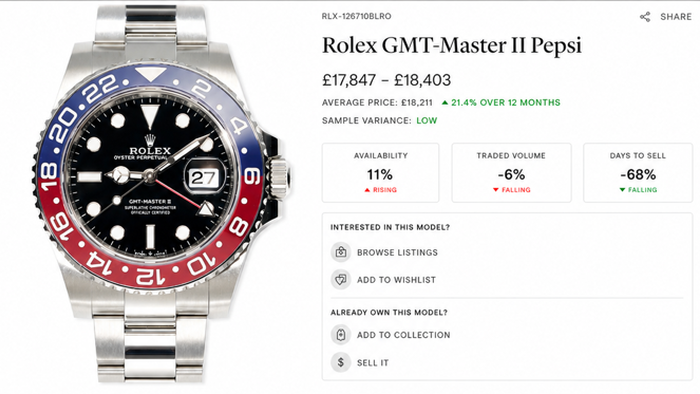
Jul 28, 2026 – 5.00amOfficial figures from the Swiss watch industry paint a picture of a category that’s holding its own – just – after the unexpectedly buoyant years of the COVID pandemic. Unable to travel, it’s possible we satisfied our need for something special by snapping up a new timepiece back then. Sales since have tracked steadily lower, dropping overall by 3.1 per cent this year, but still averaging about 2 billion Swiss francs ($3.6 billion) each month.Here in Australia we’ve done slightly better, accounting for a 2.6 per cent increase by value in the watches we import from Switzerland (CHF 167.7 million from January to May.) If that’s healthy enough, it obscures changes beneath the surface, two in particular: the shrinking number of actual watches being sold, and a move away from some of the traditional bestsellers.Subscribe to gift this articleGift 5 articles to anyone you choose each month when you subscribe.Subscribe nowAlready a subscriber? Bani McSpeddenWatch editorBani McSpedden is watch editor of The Australian Financial Review.Fetching latest articles
The luxury watch bubble has popped, so where is the smart money going?
While the multibillion-dollar market is staying afloat, a look beneath the surface reveals a systemic shift.
TL;DRAI
Swiss luxury watch sales dropped 3.1% YoY to $3.6B monthly despite unit decline. Bestseller erosion and market bifurcation force luxury incumbents toward portfolio consolidation and niche positioning, reshaping competitive dynamics in premium goods.
171 words~1 min read