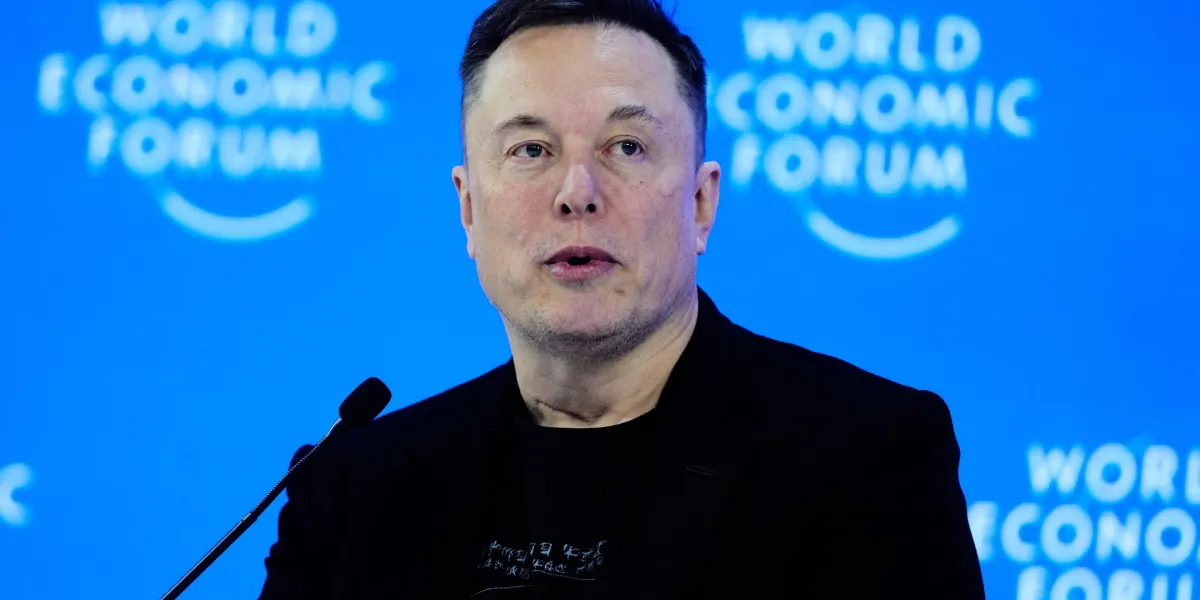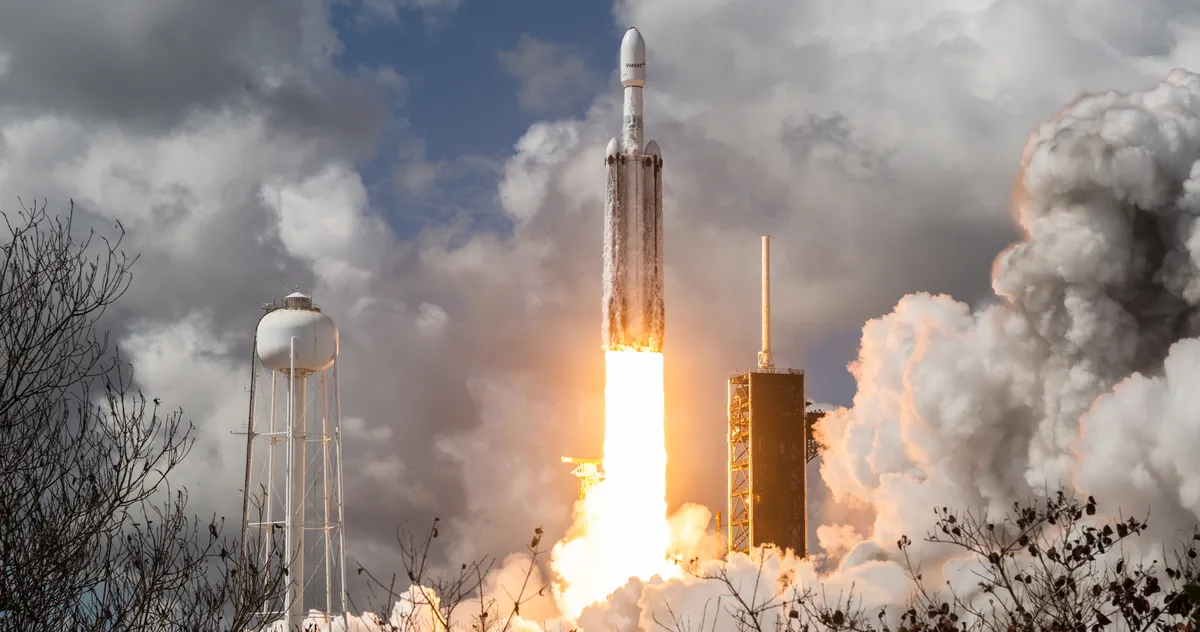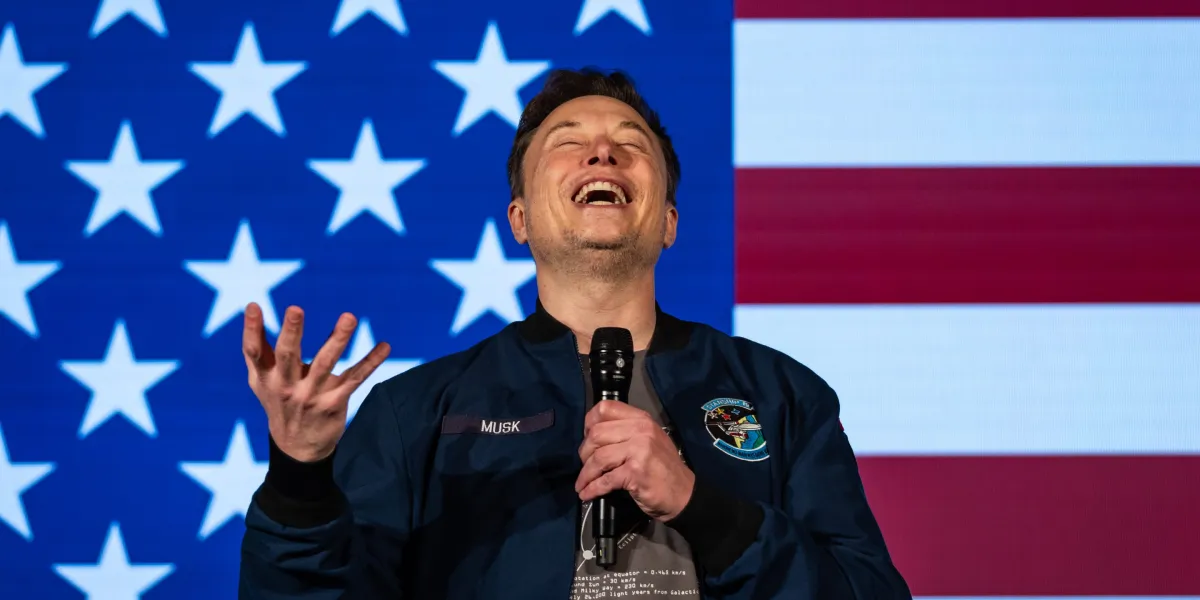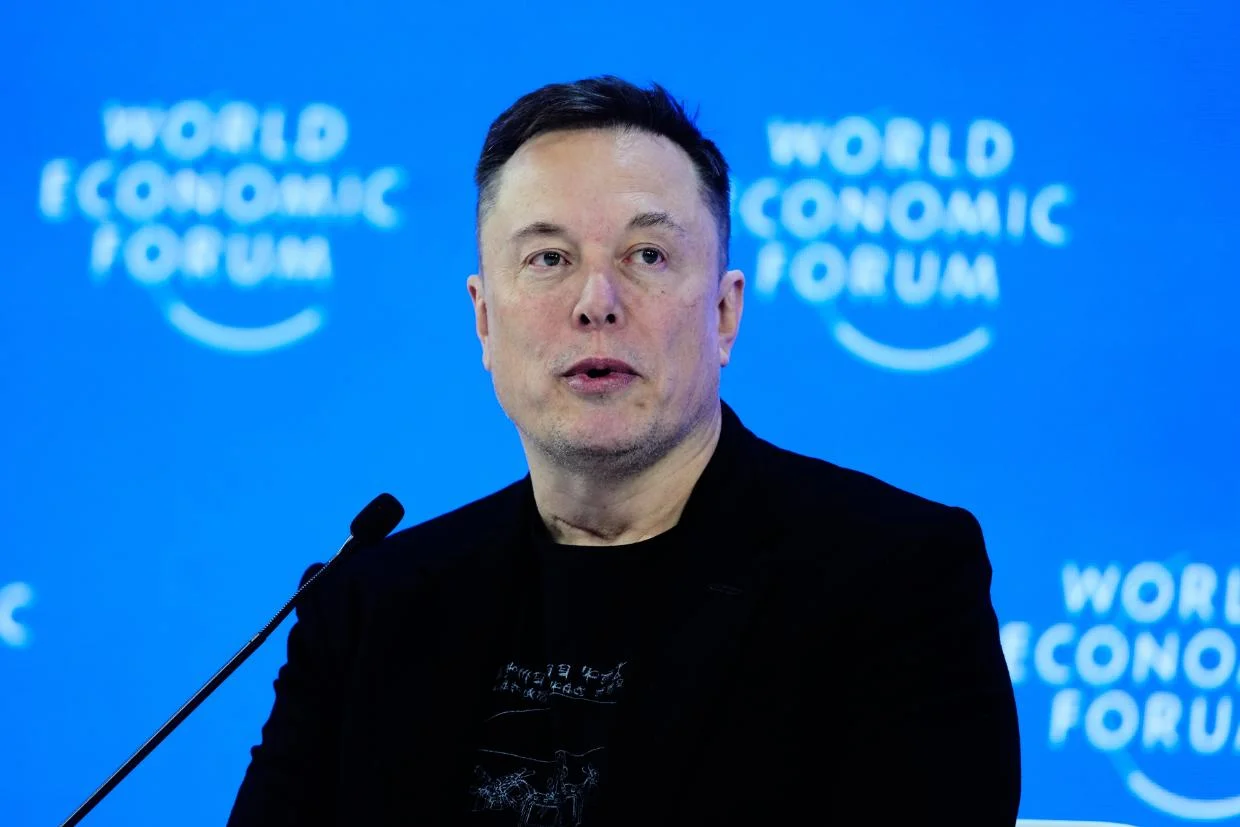
When SpaceX filed its prospectus to go public last May, seeking $75 billion from investors, it warned that humans would suffer “the same fate as dinosaurs,” i.e., a mass-extinction event, if people didn’t snap up shares of the company. (In addition to running a Hitler-loving chatbot, SpaceX is hard at work building “the systems and technologies necessary to make life multiplanetary, to understand the true nature of the universe, and to extend the light of consciousness to the stars,” it declared.) Apparently scared to miss out (or scared to go the way of the brontosaurus), investors went all in; shares went public at $135 apiece and hit a high of $225 in the first month of trading. Elon Musk became the world’s first trillionaire. Fast-forward a month, though, and things are looking less like a rocketship gloriously blasting off into space and more like an explosion.
Shares of the company that claims it will ultimately save humanity have fallen below their IPO price, hitting just over $111 as of late Monday morning and losing more than $1 trillion in value from their high. The world’s first trillionaire is no longer a trillionaire, a reality he acknowledged on X:
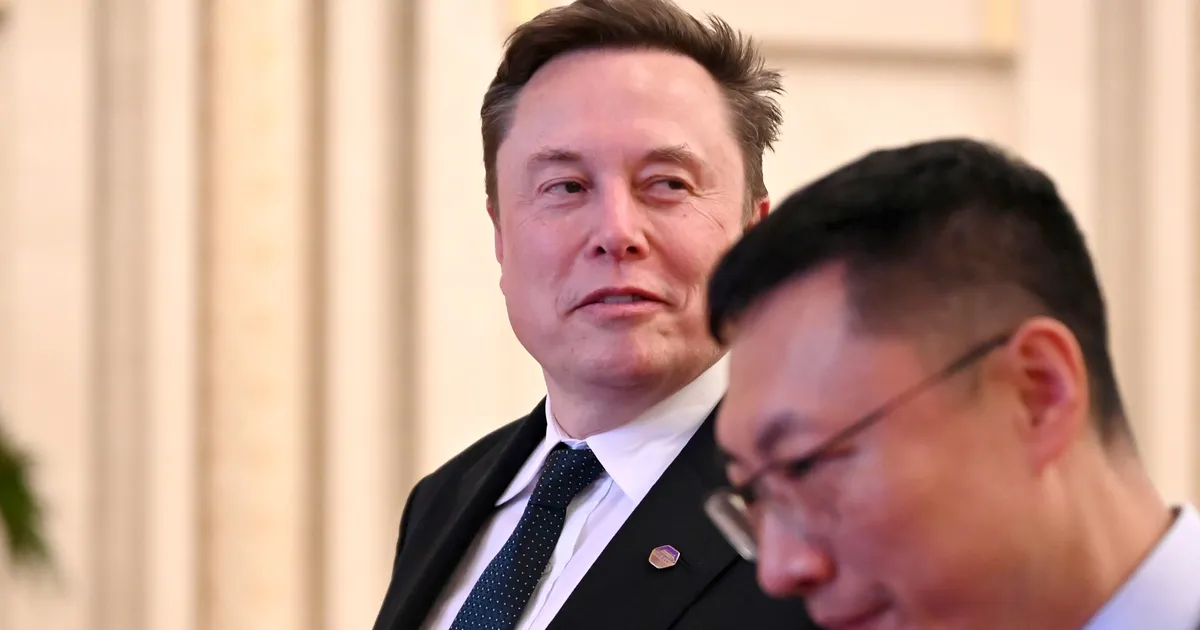
Musk, of course, is doing fine. Even with just $700 billion to his name, he’s still the richest person in the world several times over. But if investors without hundreds of billions in the bank are concerned about SpaceX’s stock falling off a cliff, worry not. According to Musk, this is all part of the plan — saving humanity by colonizing the moon, Mars, etc. — and anyone who doesn’t get that is a simpleton. In an interview with The Economist’s Zanny Minton Beddoes, Musk explained that “one of the challenges with being a public company is the pressure to have great results every single quarter and not really invest in things that may only pay off in five to ten years … We’ll be spending all this money on a moon base or a Mars base … People will say, ‘You missed your earnings this quarter because you spent too much on Mars.’ I’m like, ‘Yes.’” In the early hours of Monday morning, he reiterated his love for the fourth planet from the Sun, vowing never to forget about it: