Thirty years ago, President Bill Clinton declared an end to “welfare as we know it” by signing the Personal Responsibility and Work Opportunity Reconciliation Act of 1996. The legislation marked a historic turning point, ending the federal government’s longstanding commitment to protecting income support to women and children living in poverty. Aid to Families with Dependent Children, a program originally established by President Franklin D. Roosevelt in 1935, was abolished and replaced with a system of block grants, time limits, and work requirements.
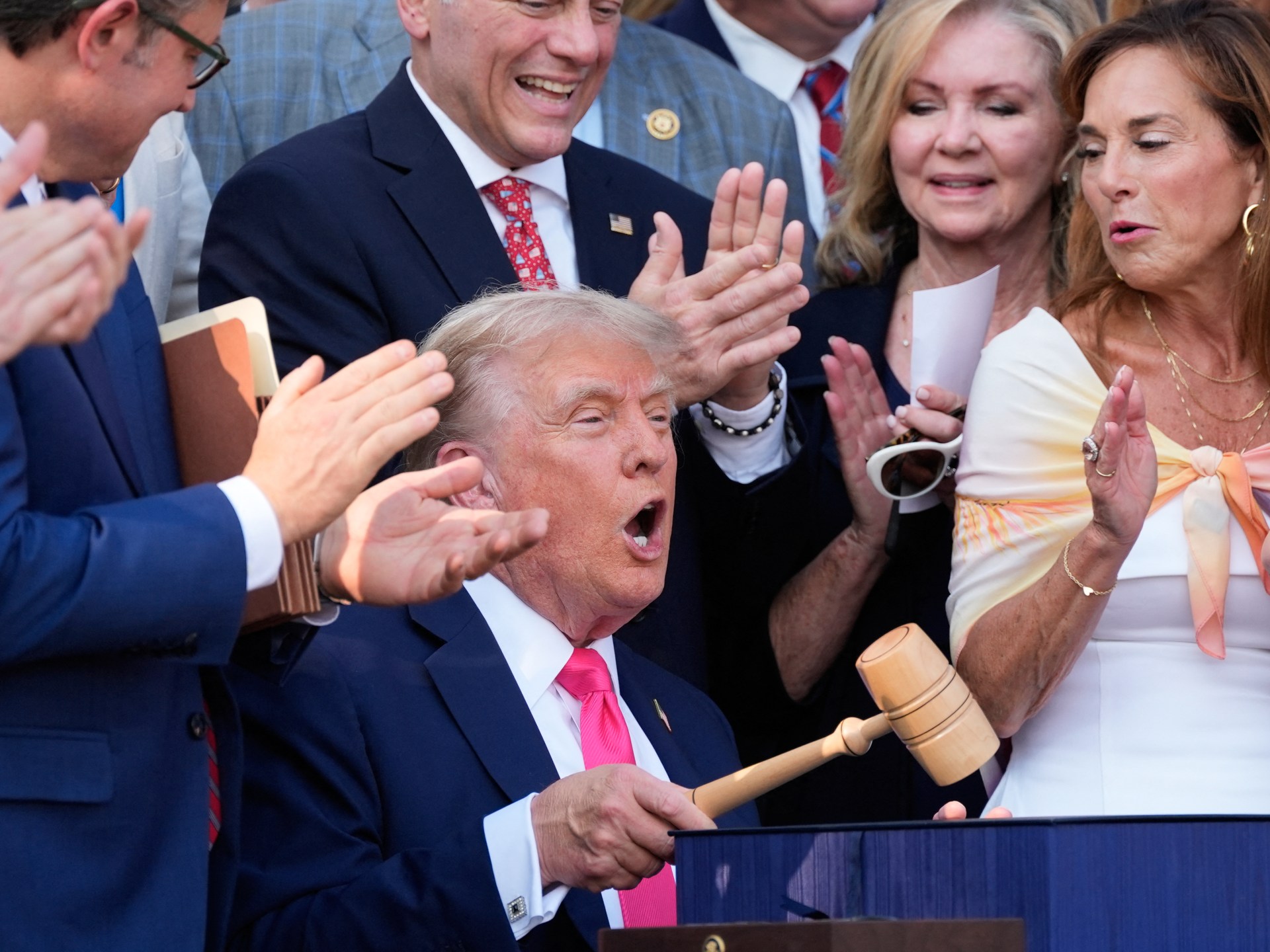
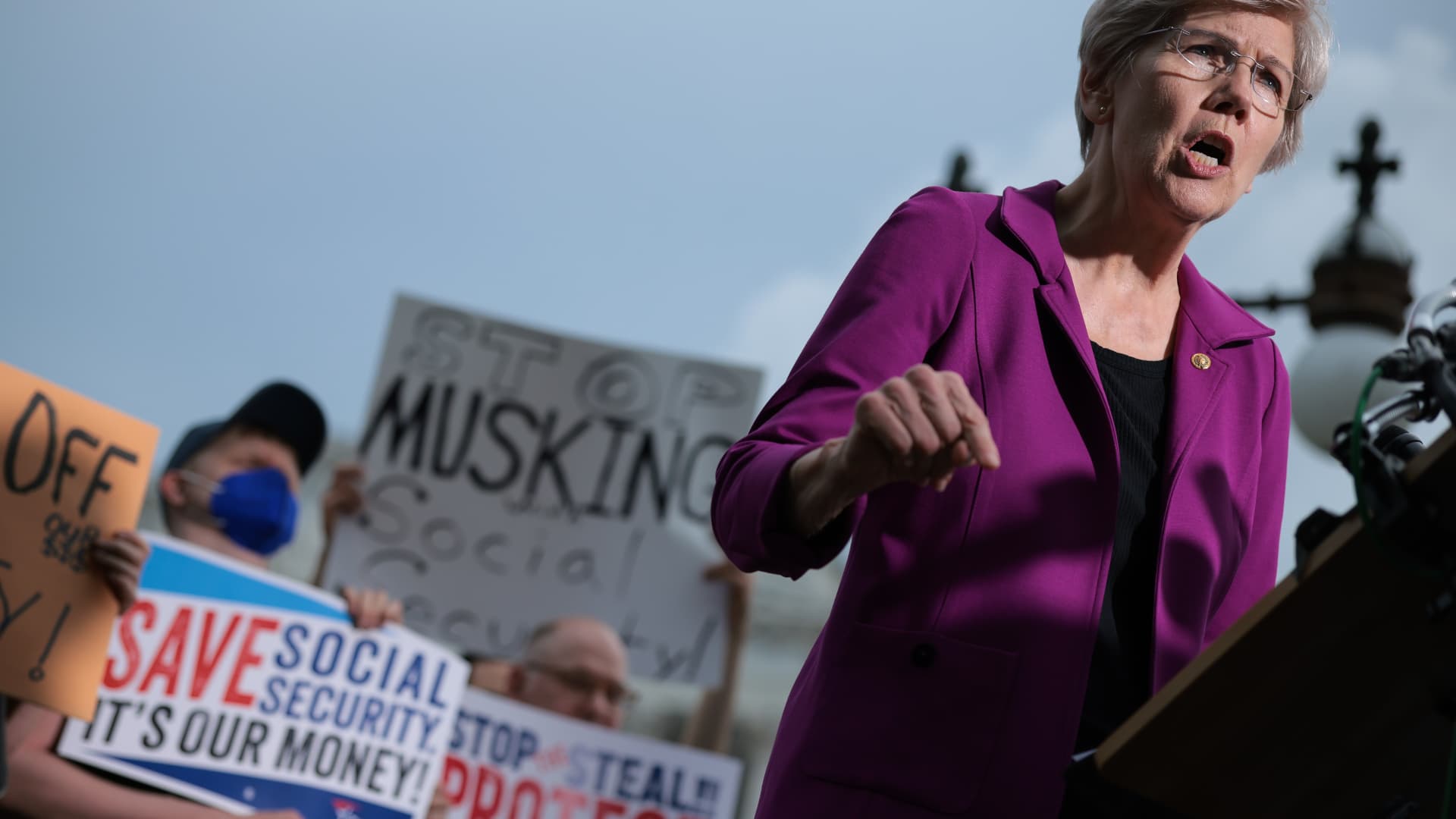
In 2026, Americans live in a country where many citizens facing severe economic hardship cannot count on support from Washington. Under an increasingly conservative Republican Party, led by a president who has shown little sympathy for the social safety net, the balance Clinton hoped to strike between the liberal tradition from the New Deal and a more centrist Democratic path on domestic policy has proven to be extraordinarily difficult to achieve. The nation is starting to see just how severe the current policy outlook has become as the provisions of President Donald Trump’s 2025 “big beautiful” act take effect. Healthcare and food stamp benefits for some of the most vulnerable populations have been scaled back or eliminated. And if Republicans retain control of Congress after the midterms, those cuts could run even deeper.