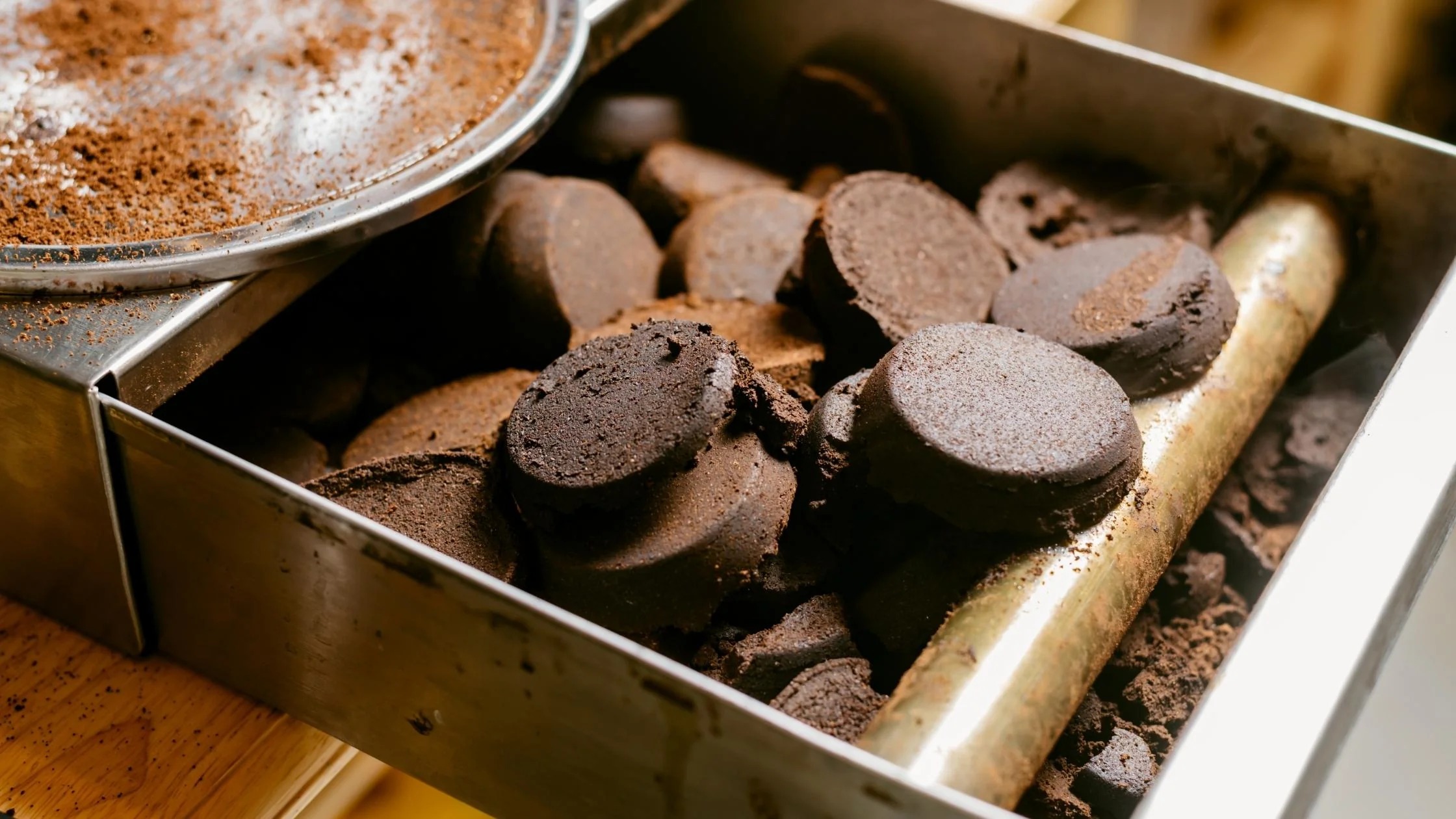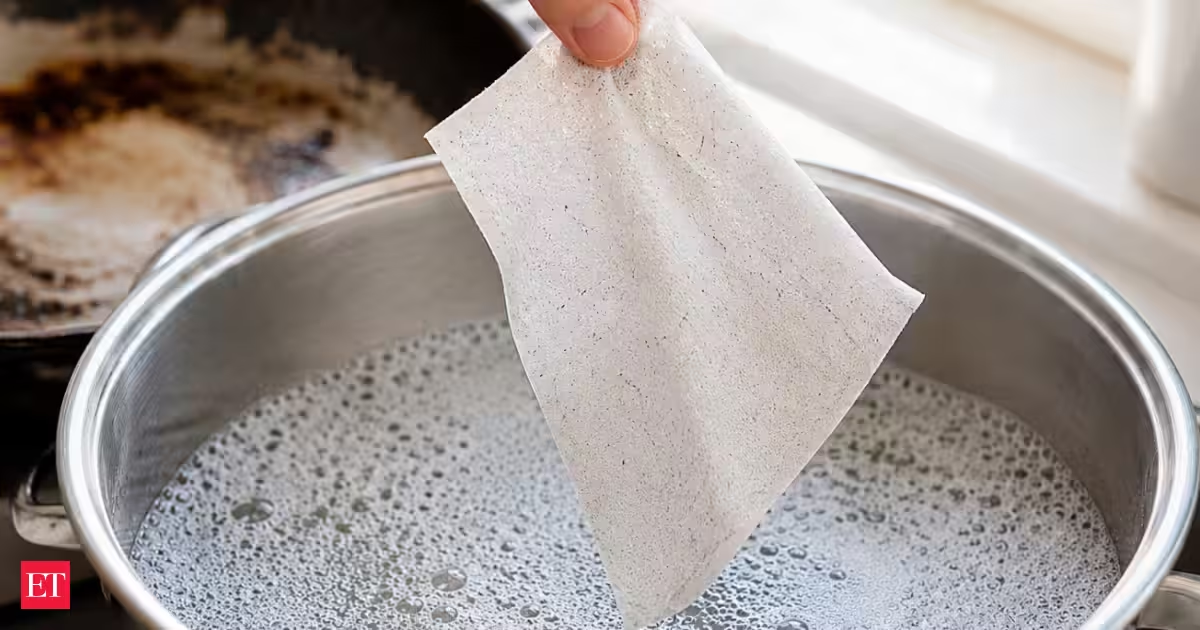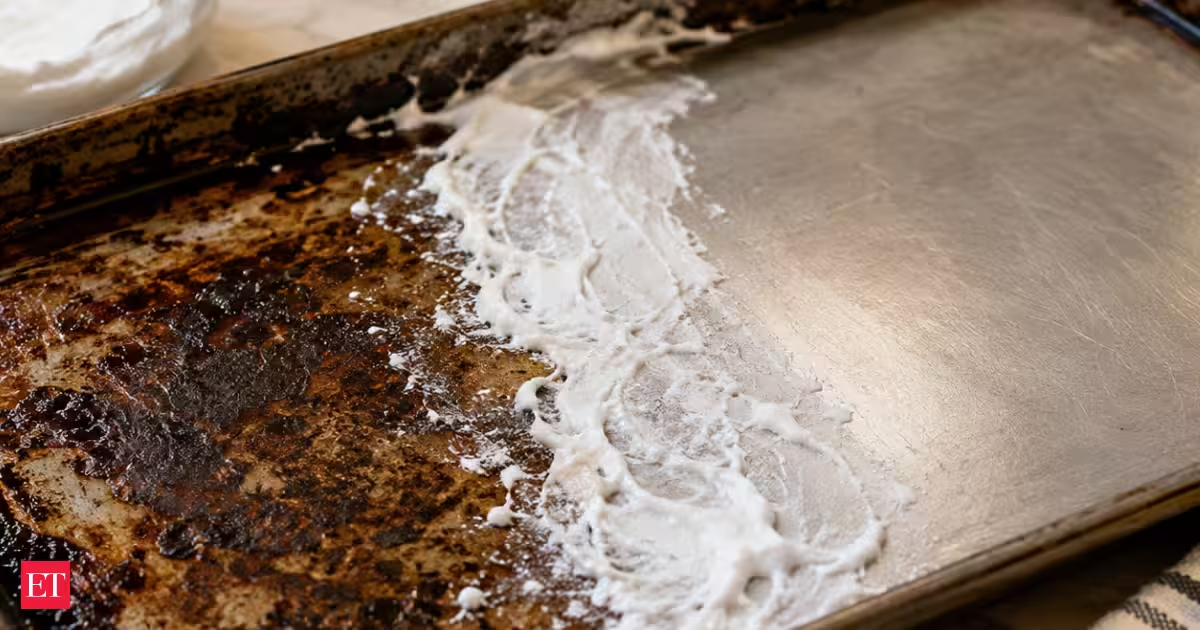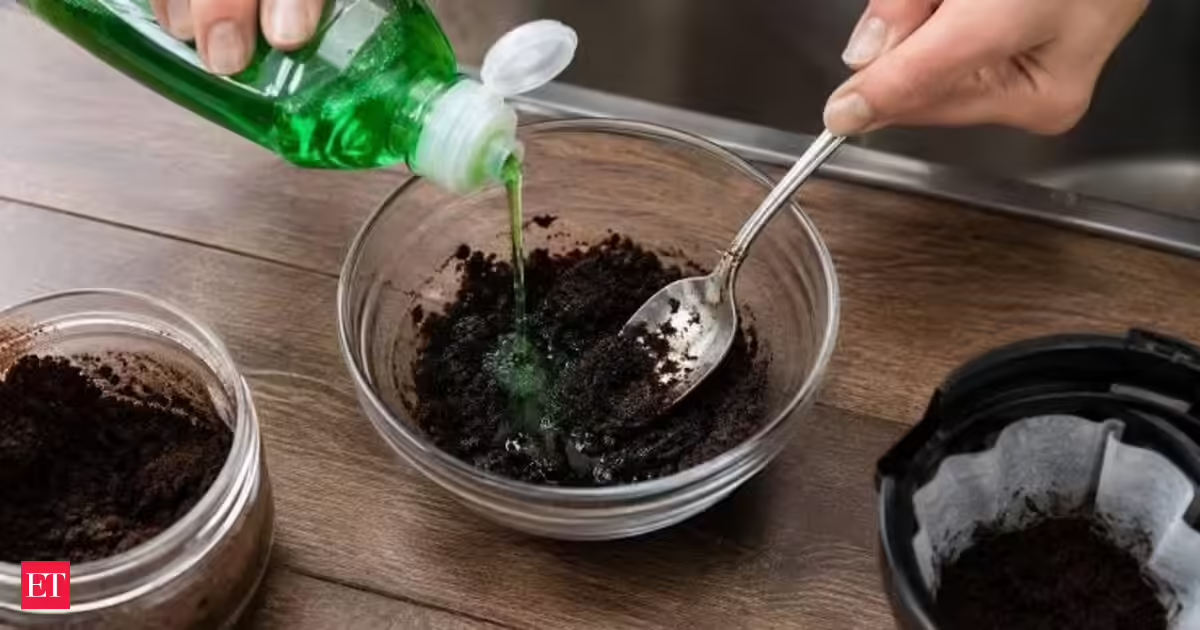
SynopsisMixing leftover coffee grounds with liquid dish soap creates a powerful, zero-waste cleaning paste that easily cuts through heavy grease and burnt-on food. This natural abrasive works exceptionally well on durable cookware like stainless steel pots, metal baking trays, and oven grates. However, it should never be used on nonstick coatings, polished aluminum, or marble surfaces, as the grit can scratch sensitive finishes and cause dark staining.By mixing used coffee grounds with standard dish detergent, you create a gritty, grease-cutting paste (AI generated)We’ve all stood over the sink staring at a greasy stainless steel pan, wondering how much muscle it’s going to take to get that baked-on mess clean. Before you reach for harsh chemical sprays or dump your morning coffee remnants straight into the bin, there is a simple homemade trick US home cooks are turning to.Mixing your morning leftover coffee grounds with standard dish soap creates a surprisingly powerful scrub that cuts through stubborn grease and stuck-on food in seconds.ALSO READ: In the 1930s, the Dust Bowl devastated America but Franklin D. Roosevelt's massive tree-planting project is still protecting US farmland nearly 90 years laterA Powerful Zero-Waste Cleaning HackMillions of people throw away their coffee grounds every morning. Yet, a simple homemade combination is turning this daily waste into a highly effective kitchen cleaner.By mixing used coffee grounds with standard dish detergent, you create a gritty, grease-cutting paste. The natural friction of the coffee lifts stuck-on food, while the soap breaks down stubborn oils.Instead of relying on harsh store-bought abrasives, this zero-waste alternative uses physical texture to do the heavy lifting for you.ALSO READ: In 1939, a US couple crossed Nazi-controlled Europe to save 50 Jewish children after Kristallnacht and every one of them survived the Holocaust. Read their storyWhere to Use It And Where to Avoid ItThis DIY abrasive is a highly targeted tool. It excels on durable kitchen items that accumulate heavy, baked-on grime.Use the coffee-detergent paste to scour stainless steel pots, heavy-duty pans, metal baking trays, and oven grates.However, you must avoid delicate surfaces. Because the grounds act as a mechanical abrasive, this mixture will destroy certain finishes.Do not use on: Teflon or nonstick cookware.Avoid: Polished aluminum and nonstick ceramics.Keep away from: Marble countertops, which can easily scratch or absorb dark coffee stains.ALSO READ: Sam Altman says ‘we are now in the singularity’, OpenAI CEO reveals why he believes humanity has entered an AI era once thought possible only in science fictionHow to Prepare the Cleaning PastePreparation takes less than a minute. Start by placing two tablespoons of used coffee grounds into a small bowl.The grounds can be slightly damp, but they must be fresh enough to be entirely free of mold. Add a few drops of liquid dish detergent and stir.You want to achieve a thick, workable paste. If the mixture feels too dry or crumbles, stir in a small splash of warm water.Application and Cleanup ProtocolApply the paste directly to the dirty surface using a regular kitchen sponge. Scrub in gentle, circular motions without applying excessive downward pressure.Once the grease and burnt food lift away, rinse the cookware with plenty of clean water to ensure no dark coffee residue remains.Keep in mind that this paste physically removes debris, but it does not replace chemical disinfection. When you finish scrubbing, always throw the leftover coffee paste into the garbage.Read More News on
Don't throw out used coffee grounds: The easy and simple zero-waste cleaning hack is taking over US and Canada kitchens
Mixing leftover coffee grounds with liquid dish soap creates a powerful, zero-waste cleaning paste that easily cuts through heavy grease and burnt-on food. This natural abrasive works exceptionally well on durable cookware like stainless steel pots, metal baking trays, and oven grates. However, it should never be used on nonstick coatings, polished aluminum, or marble surfaces, as the grit can scratch sensitive finishes and cause dark staining.
558 words~3 min read