Despite the availability of multivalent pneumococcal vaccines, infants remain susceptible to invasive pneumococcal diseases.In this French study, infants immunized against RSV with nirsevimab were about 35% less likely to be hospitalized for invasive pneumococcal disease through 9 months.The rise in pneumococcal disease cases in kids involving serotypes not covered by vaccines highlights the need for complementary prevention strategies, the researchers said.
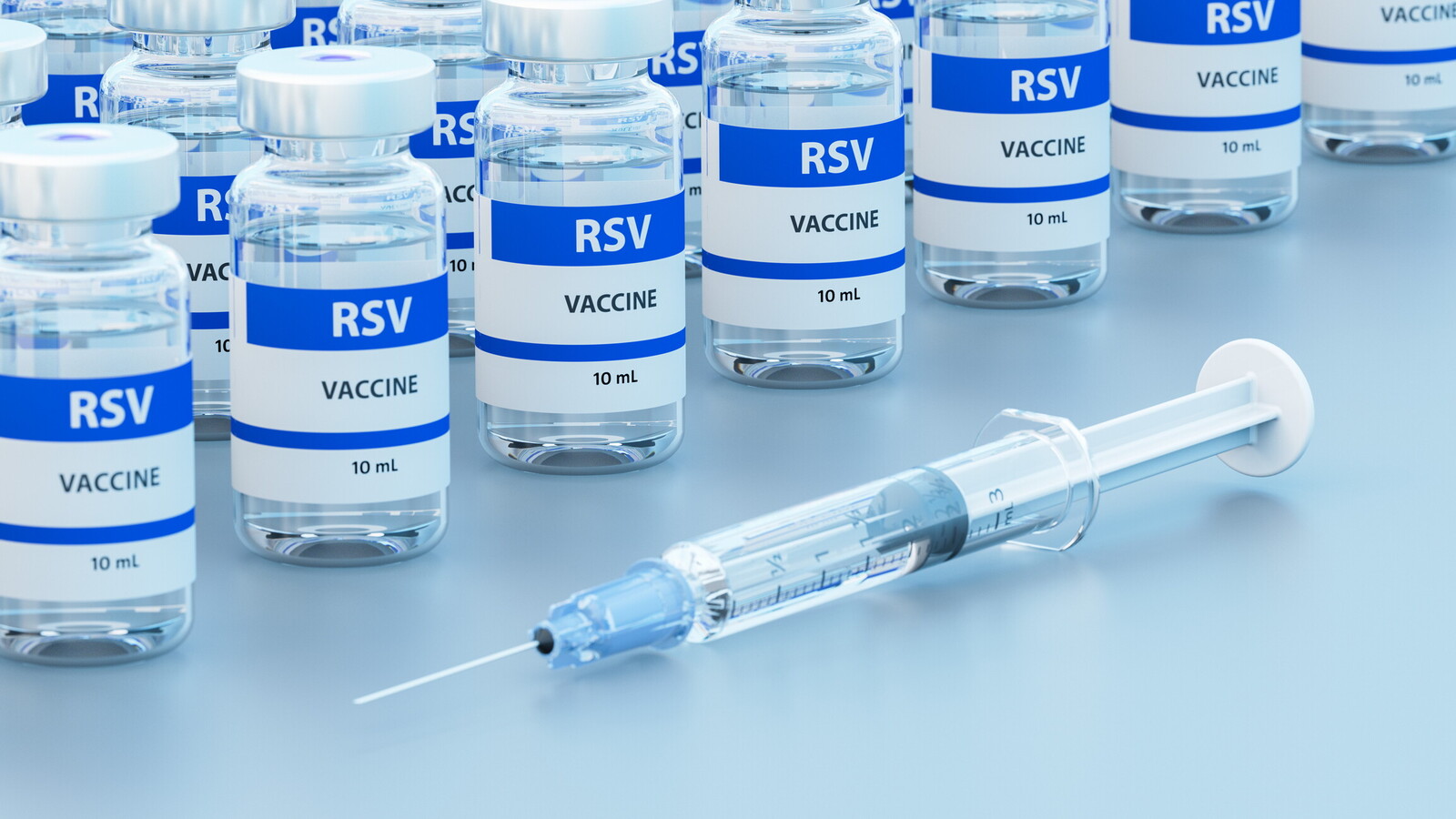
Nirsevimab (Beyfortus) for preventing respiratory syncytial virus (RSV) infections may have a protective spillover effect when it comes to invasive pneumococcal disease, a retrospective study suggested.
Among babies born in France from February 2023 to January 2024, those who received nirsevimab were 36% less likely to be hospitalized for invasive pneumococcal disease over 6 months compared with children who didn't get the injectable monoclonal antibody (14.2 vs 23.3 cases per 100,000; OR 0.64, 95% CI 0.46-0.82).
That association persisted at 9 months as well (19.3 vs 27.7 cases per 100,000; OR 0.66, 95% CI 0.51-0.85), reported Naïm Ouldali, MD, PhD, of Assistance Publique-Hôpitaux de Paris, and colleagues in Lancet Infectious Diseases.