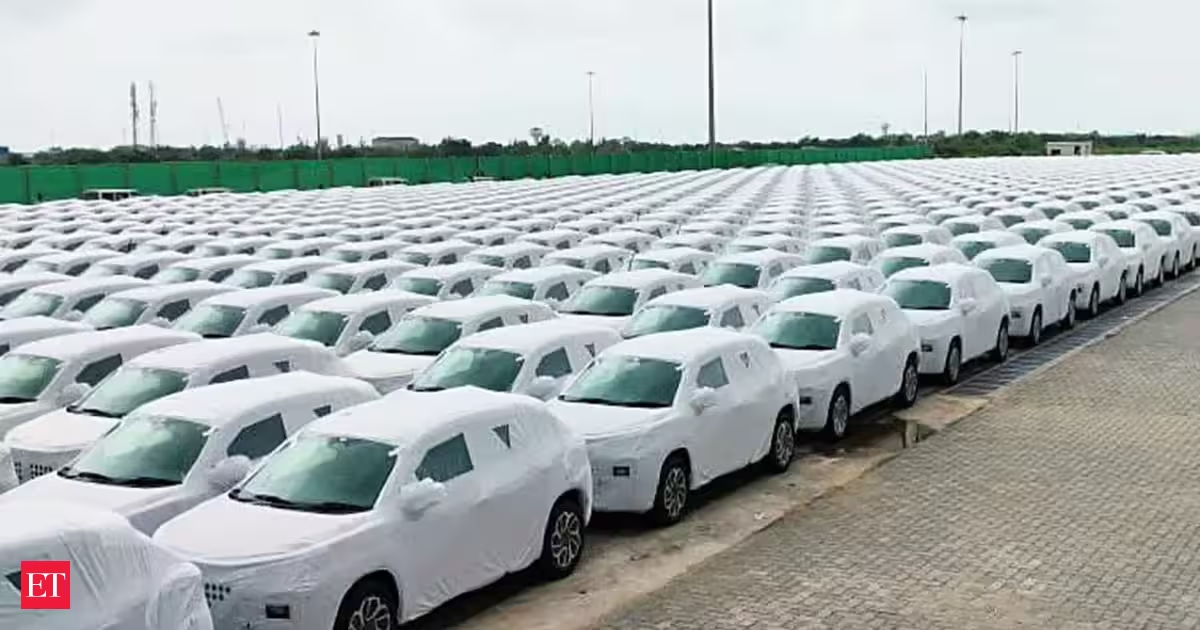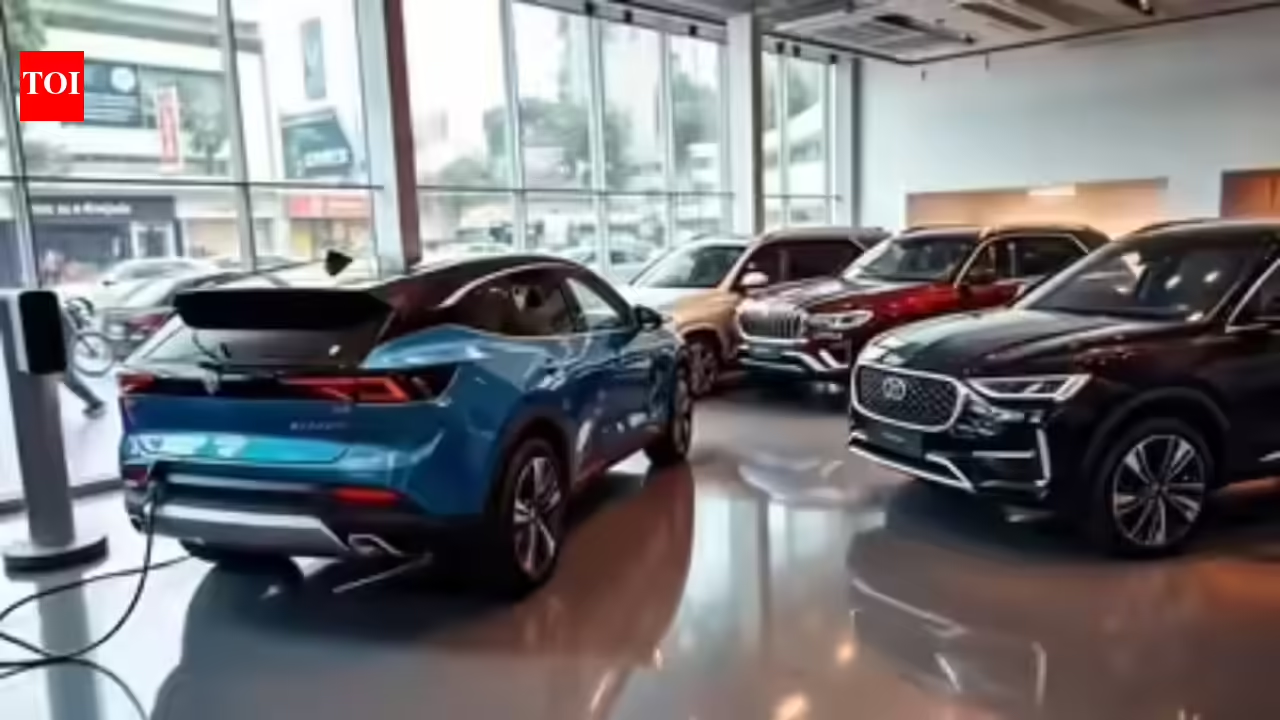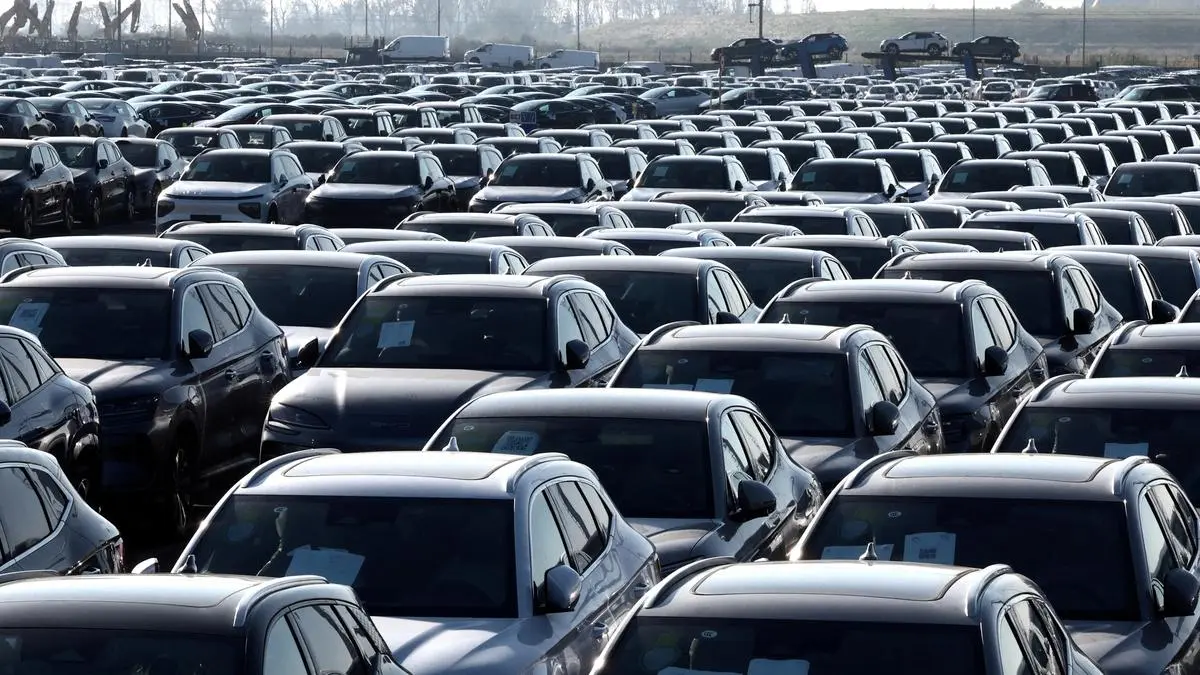
Indonesia's automotive market is not in decline but is undergoing a reset. While higher interest rates and affordability pressures have softened new-car sales, the market's long-term fundamentals remain intact. Electrification, urbanization and manufacturing investment are reshaping the industry and creating the foundation for its next phase of growth, according to Lukmanul Arsyad, an Industrials & Services Leader and Partner at PwC Indonesia.Several cyclical factors have weighed on vehicle demand in recent years. Higher interest rates, tighter financing conditions and the normalization of post-pandemic purchasing patterns have affected affordability and delayed purchase decisions.
Bank Indonesia raised its benchmark interest rate from around 3.5 percent in 2022 to around 4.75–5.75 percent in 2025 in response to global economic uncertainty and inflationary pressures. Since an estimated 70–80 percent of vehicle purchases rely on financing, higher borrowing costs have significantly increased the cost of ownership. At the same time, the expiration of government automotive incentives, including the Sales Tax on Luxury Goods for Motor Vehicles (PPnBM), has contributed to higher vehicle prices.