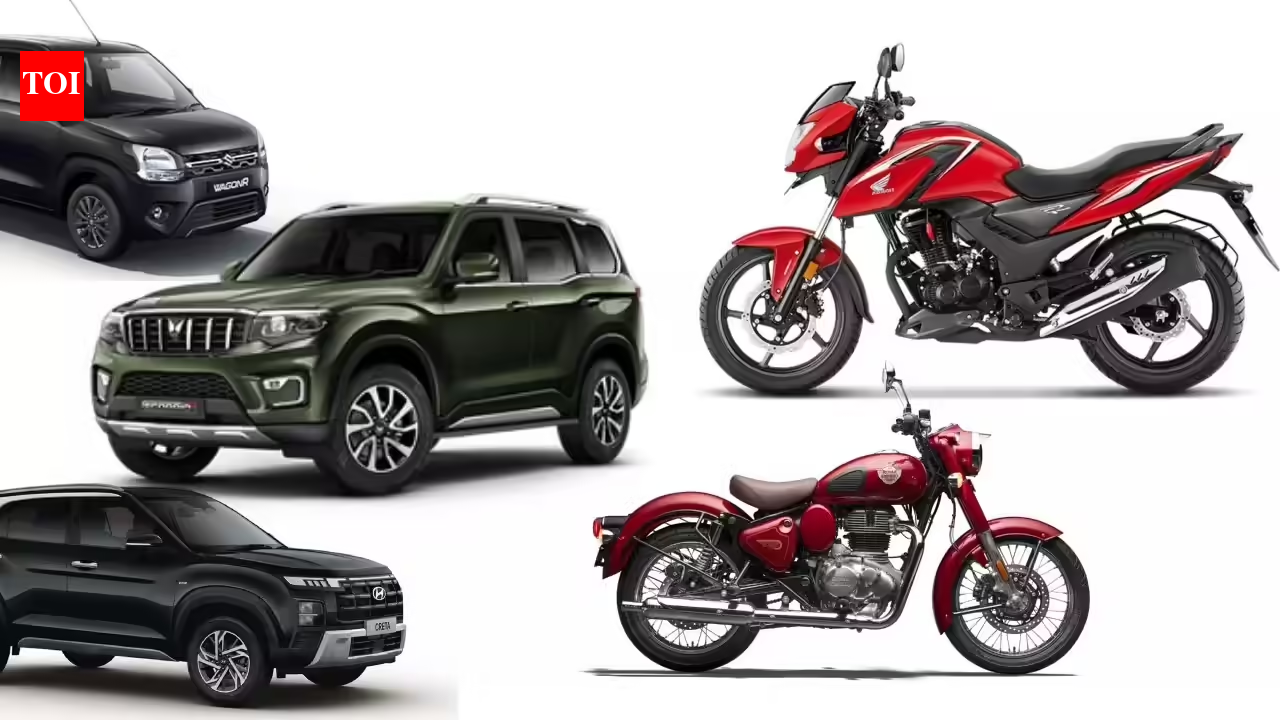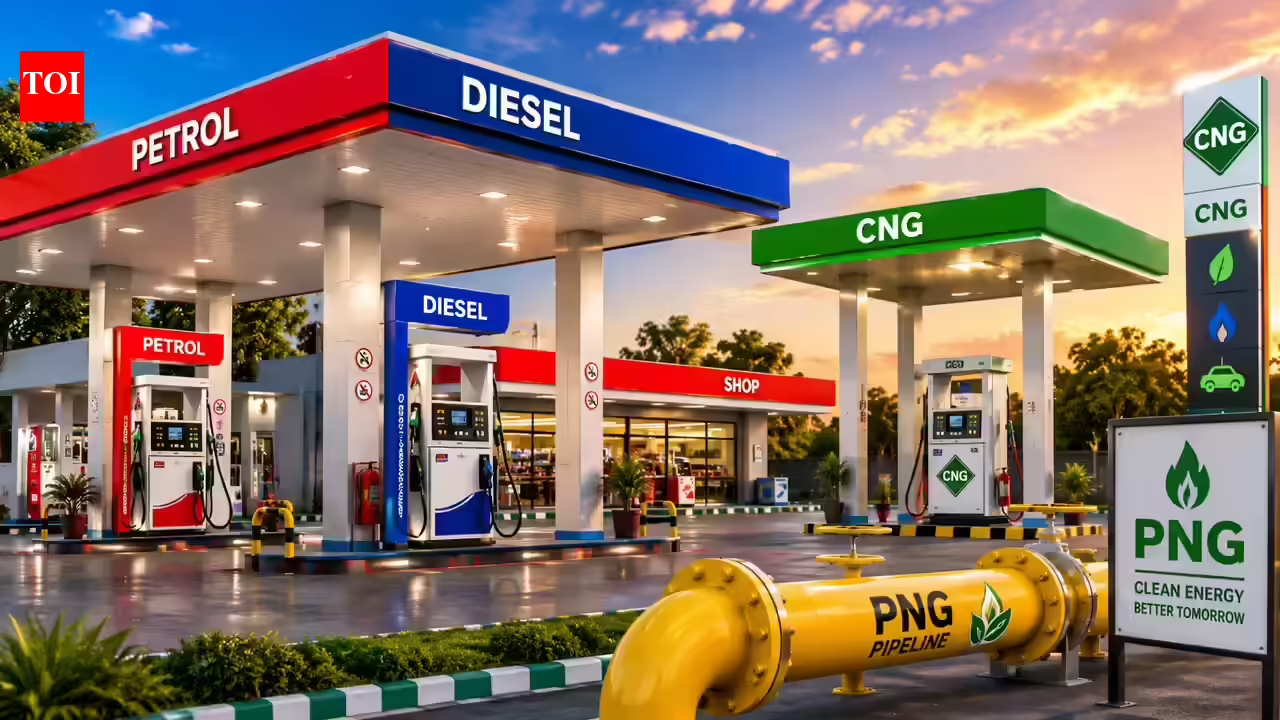
Rising fuel prices and ownership costs are putting pressure on entry-level cars, commuter motorcycles and commercial vehicles, while SUVs, EVs, hybrids and premium vehicles continue to remain resilient.
| Photo Credit:
iStockphoto
Early May sales trends, VAHAN retail data, and brokerage estimates are beginning to signal selective stress across India’s auto market, with rising fuel prices and ownership costs weighing on entry-level cars, commuter motorcycles, and commercial vehicles, even as SUVs, EVs, and premium segments continue to hold up. .Brokerages tracking the sector say the industry is entering a more uneven phase of growth rather than a broad-based slowdown, with affordability-led categories facing pressure from fuel inflation, rising operating costs and weaker retail conversion, while premium and fuel-efficient segments remain relatively resilient.Brokerages remain bullish on premium and urban demandBrokerages including Nomura and Nuvama remain constructive on near-term auto demand, arguing that financing availability, premiumisation, new launches and urban consumption are helping sustain “wholesales momentum” despite macro headwinds.Nomura expects passenger vehicle wholesales to rise 24 per cent year-on-year in May to around 427,000 units while projecting FY27 passenger vehicle growth at roughly 8 per cent. Nuvama similarly expects passenger vehicle growth above 20 per cent in May alongside “strong double-digit growth” across two-wheelers, commercial vehicles and tractors, supported by “better affordability, new products and adequate financing availability”.Choice Institutional Equities, citing VAHAN retail data for May 1–24, said overall auto retail sales rose 7.8 per cent year-on-year, led by 20.8 per cent growth in passenger vehicles. The brokerage said demand continues to be supported by “steady consumer sentiment”, recent launches and softer interest rates.Even within the bullish camp, however, brokerages are beginning to acknowledge emerging cracks beneath headline growth. Nomura warned that rising fuel prices, inflation, and vehicle price hikes could “moderate demand” for entry-level passenger vehicles and commuter two-wheelers in the coming months.Nuvama’s dealer checks also indicated that “discounts have trended higher” across several mass-market passenger vehicle models, signalling increasing pressure on retail conversion and inventory levels. The brokerage also flagged “uncertainties relating to freight availability” and said farm “terms of trade have turned significantly adverse” following the recent fuel inflation shock.Affordability-led segments face mounting pressureBrokerages including HDFC Securities and Emkay Global are becoming increasingly cautious on affordability-led segments, arguing that fuel inflation and rising ownership costs are beginning to weaken mass-market demand.The divergence is becoming particularly visible in two-wheelers, where rising fuel prices are effectively acting as a “direct tax on rural and lower-middle-class disposable income”, weakening recovery prospects for commuter motorcycles and entry-level cars. HDFC Securities said consumers are becoming increasingly “mileage-sensitive”, strengthening the appeal of fuel-efficient and CNG-heavy portfolios.Commercial vehicles are emerging as the most vulnerable segment in the current cycle. Choice’s VAHAN retail data showed CV retail growth at only 4.7 per cent in May despite healthy passenger vehicle momentum, with the brokerage citing “stagnant freight rates” and “higher operating costs”.Nomura said rising diesel costs are already affecting fleet economics and replacement demand, while Emkay Global warned of “earnings stress before outright demand destruction”, cautioning that elevated steel, aluminium, energy and logistics costs could squeeze profitability for OEMs and suppliers with “weak pricing power”.Nomura has also highlighted a widening disconnect between wholesale and retail momentum in passenger vehicles. While the brokerage expects PV wholesales to rise 24 per cent year-on-year in May, it estimates retail growth at only around 14 per cent, implying “inventory additions” of roughly 61,000 units. The brokerage also noted that “waiting periods have largely normalised”, while discounts have started inching up.EVs and premium vehicles gain structural advantageBrokerages including Elara Capital and Motilal Oswal believe the current cycle is less about an outright demand collapse and more about a structural shift in how growth is emerging across India’s auto market.Elara Capital said “fuel-price movements have historically shown weak direct correlation with volume growth” and argued that the industry’s cycle is instead shaped by broader “total cost of ownership dynamics”, financing conditions and consumer sentiment.The brokerage said the current environment remains “materially better than FY19–20”, but warned that the industry’s “favourability matrix is turning adverse” as fuel inflation, weakening consumer sentiment, and rising ownership costs begin affecting demand quality.Elara and Motilal Oswal both believe rising fuel prices are structurally improving EV economics by reducing EV payback periods and accelerating migration toward EVs, hybrids and fuel-efficient vehicles. Motilal Oswal said fuel inflation is “fundamentally altering the total cost of ownership equation” for consumers, while brokerage commentary indicated EV bookings and electric scooter demand continue to outpace ICE products.Growth shifts toward SUVs, EVs and fuel-efficient vehiclesThe broader consensus emerging across brokerages suggests India’s auto industry is not entering a broad-based slowdown, but a more selective and uneven growth cycle. Growth is increasingly concentrated around premium SUVs, EVs, hybrids, CNG vehicles, and fuel-efficient platforms, while affordability-led mobility segments such as entry-level cars, commuter motorcycles, and diesel-heavy commercial vehicles face mounting pressure from rising ownership costs and fuel inflation.Published on May 28, 2026