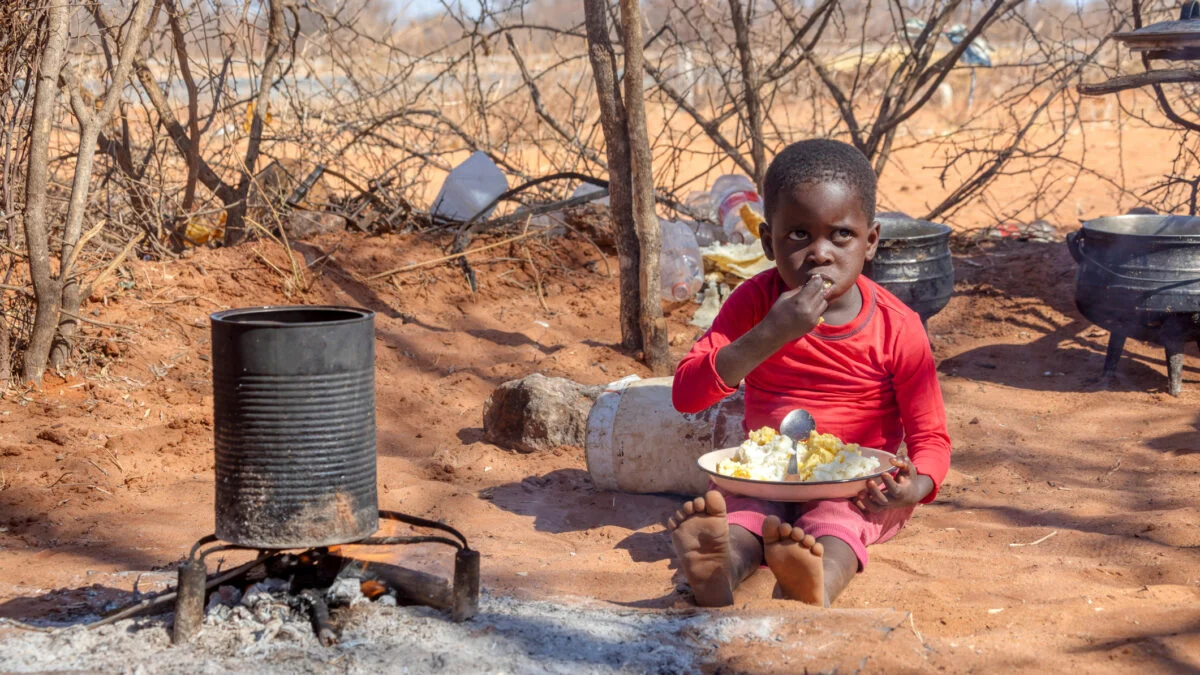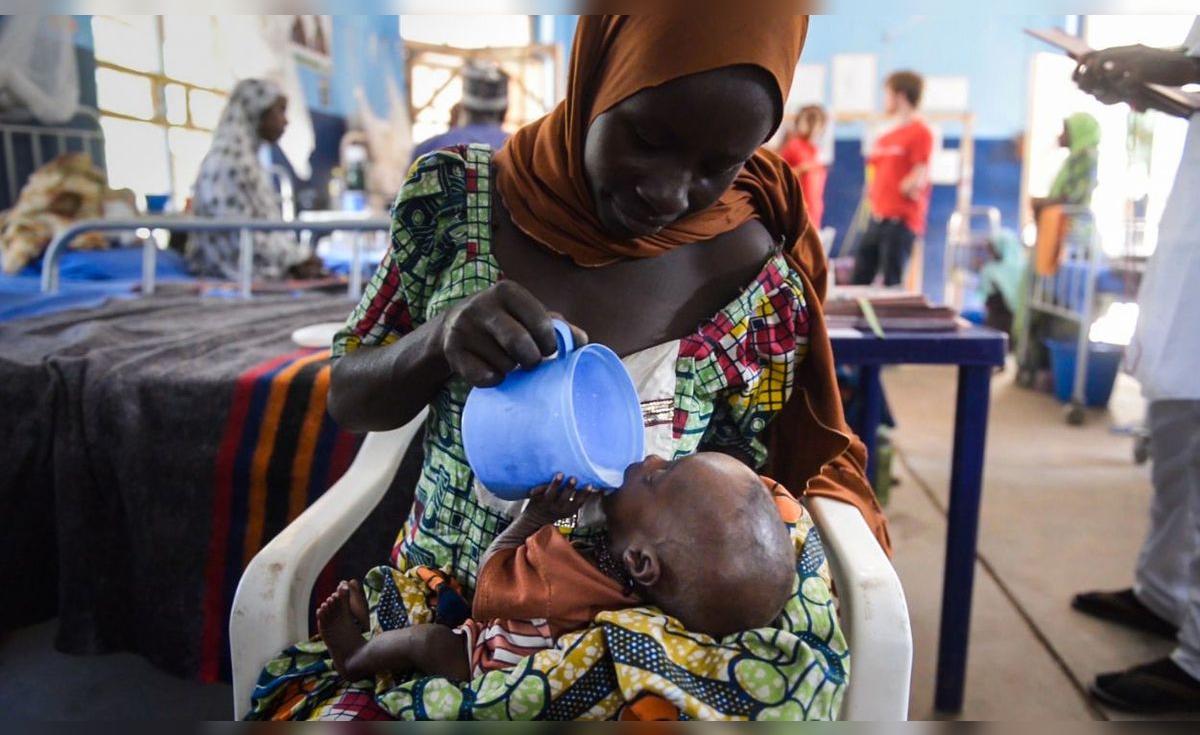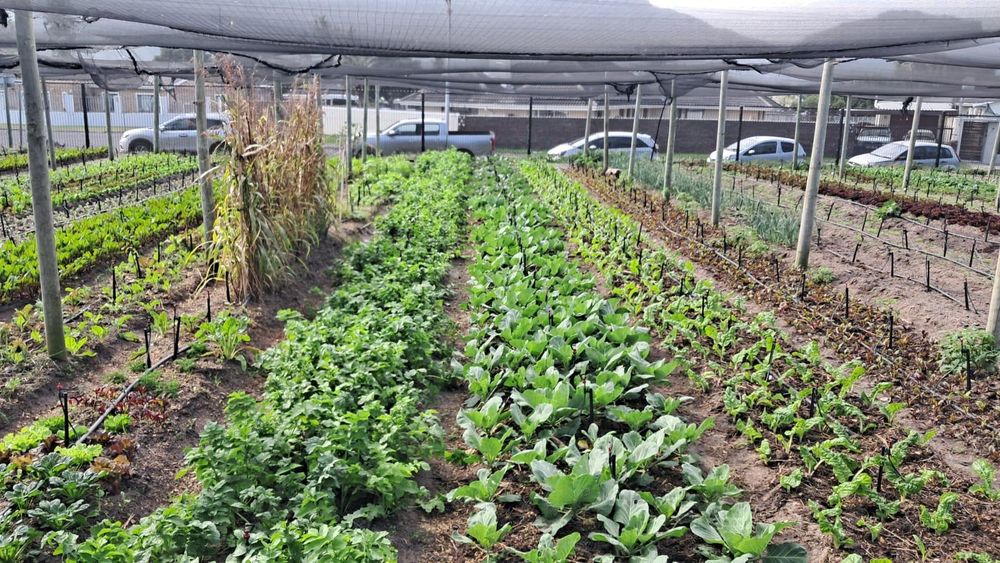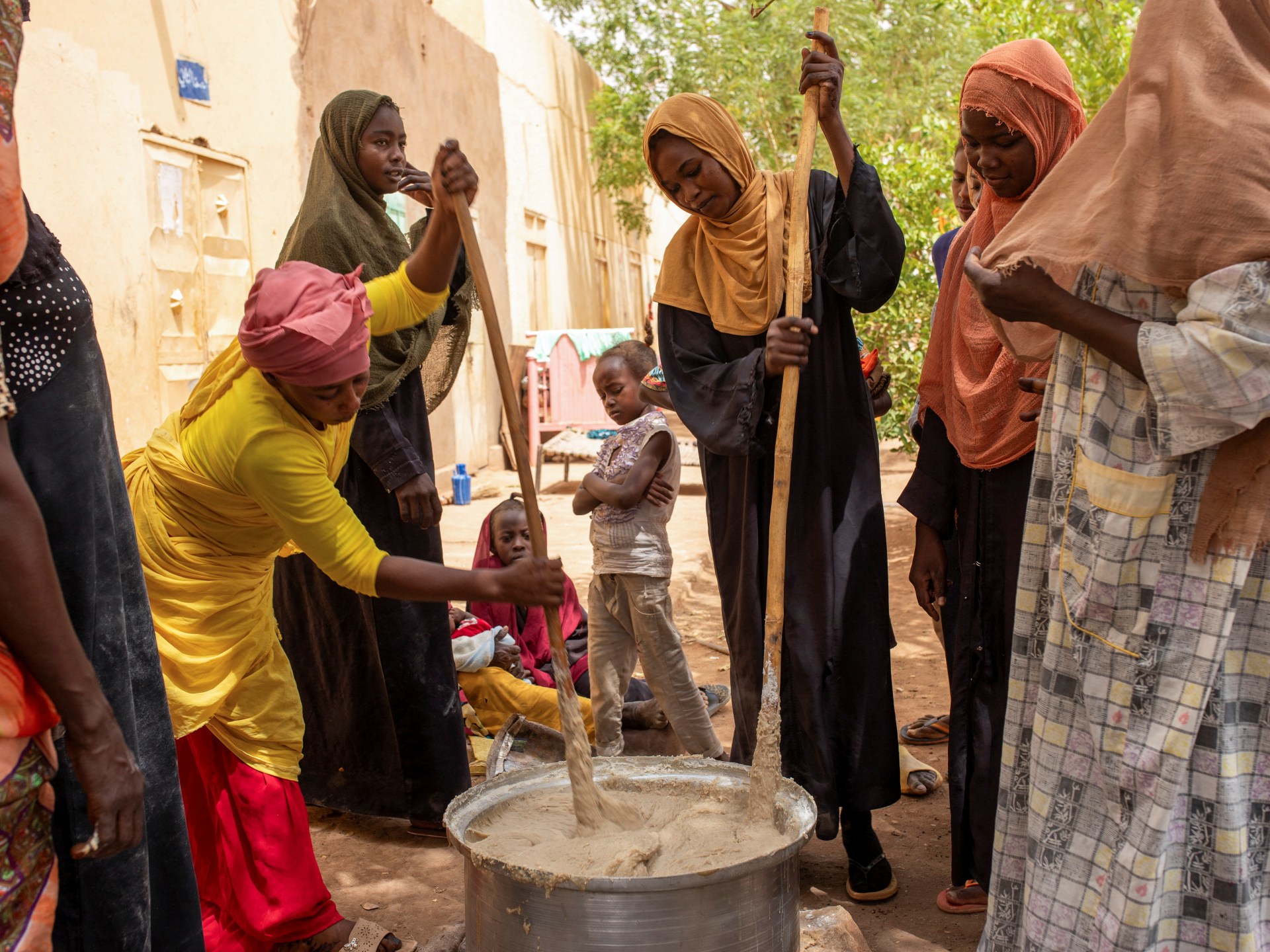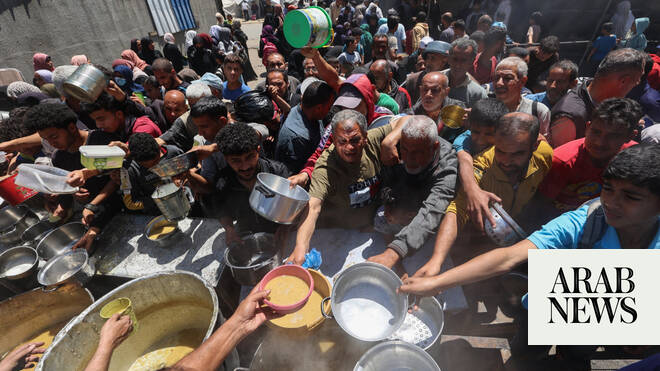
Across Africa last year, fewer people were uncertain about obtaining adequate food or were forced to reduce the quality and quantity of what they ate. The hunger rate fell for the first time in nearly 10 years, from 20.3 percent in 2024 to 20 percent in 2025.
Moderate or severe food insecurity fell from 58.5 to 56.6 per cent, or 8.6 million fewer people. Severe food insecurity also declined. Child stunting is falling. Even hunger, which had been rising in Africa since 2017, appears to have stopped climbing.
The change is modest, but it could mark a turning point. After a decade of deterioration, Africa has shown that the architecture behind food security can work. Keeping that progress alive will need a second shift: from reducing hunger alone to making nutritious diets affordable.
Related
Kenyans unable to afford a healthy diet rise by 9m