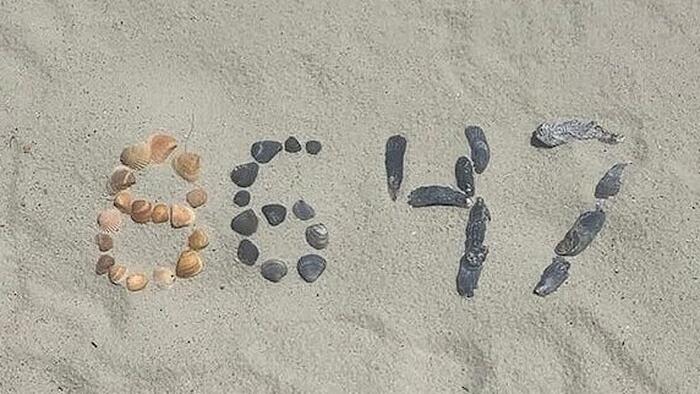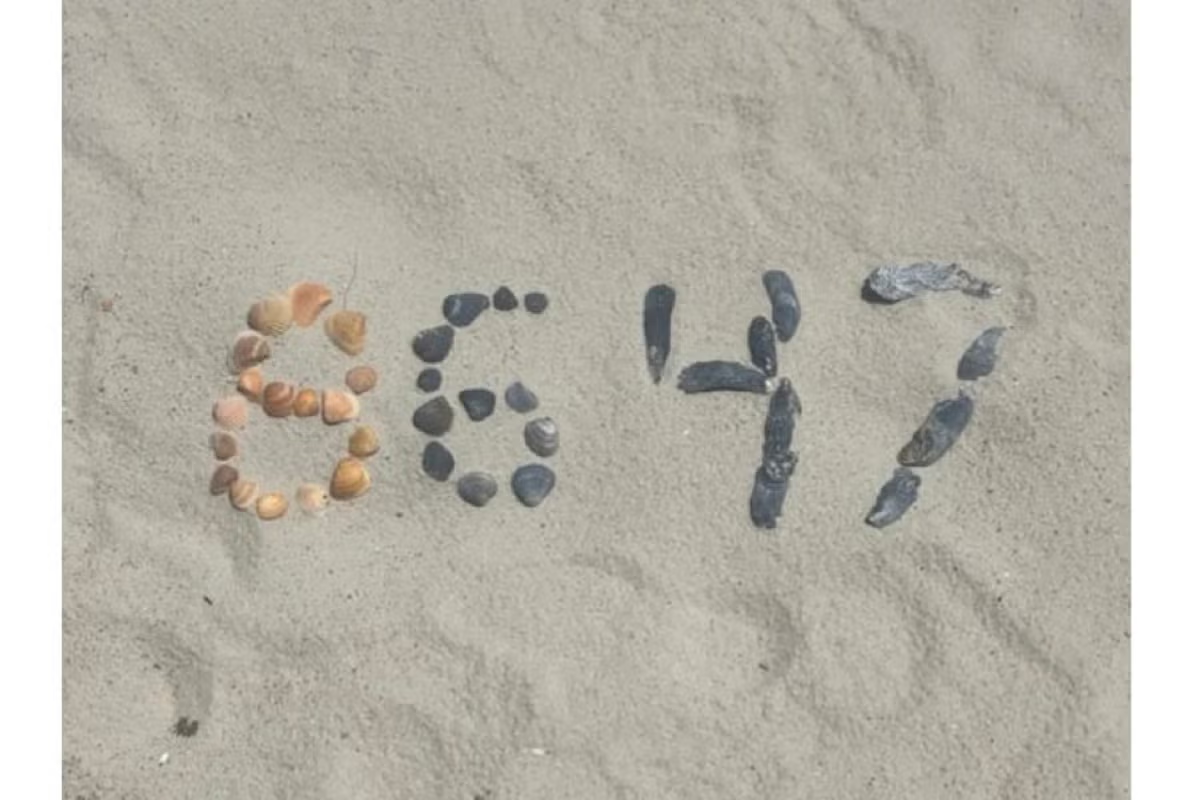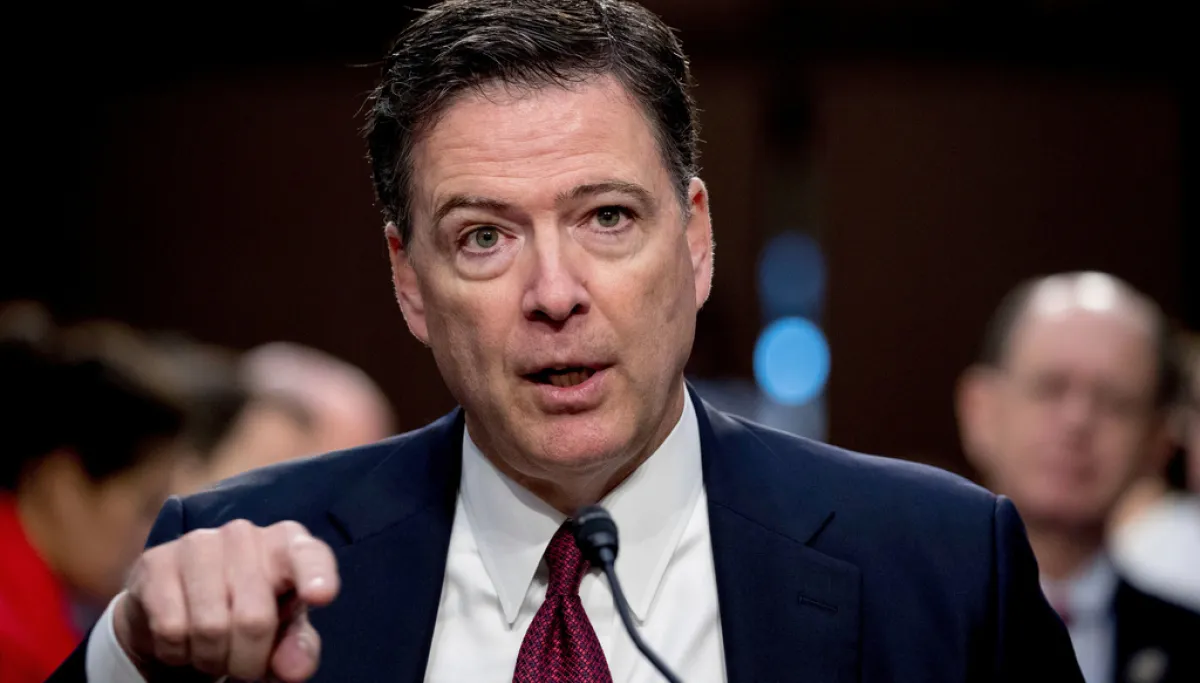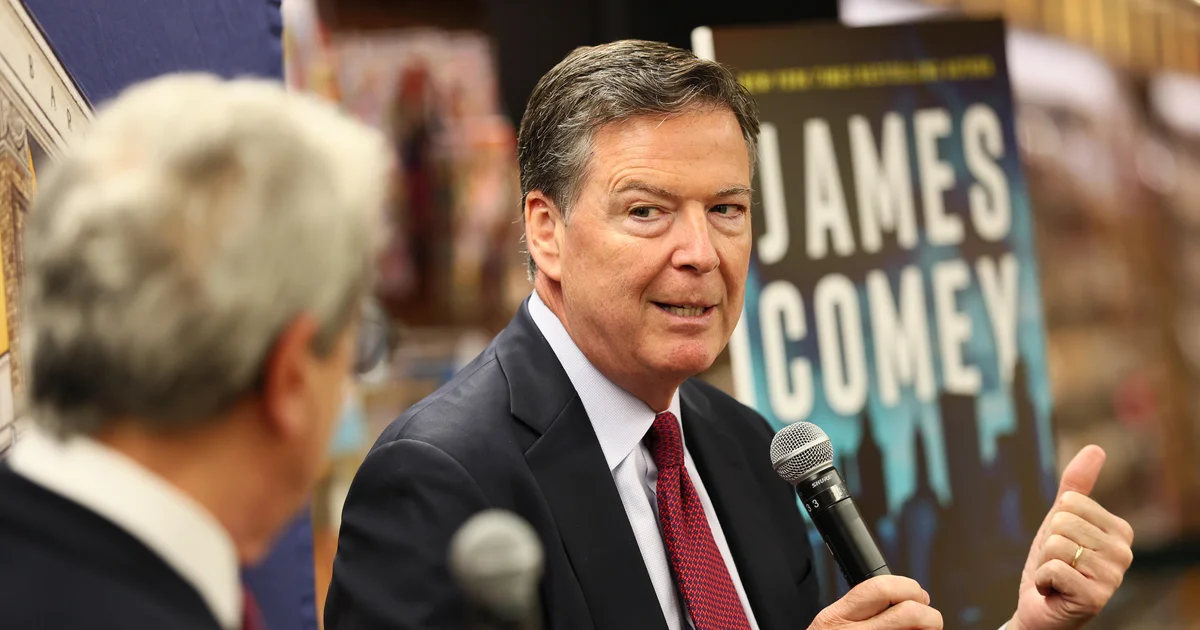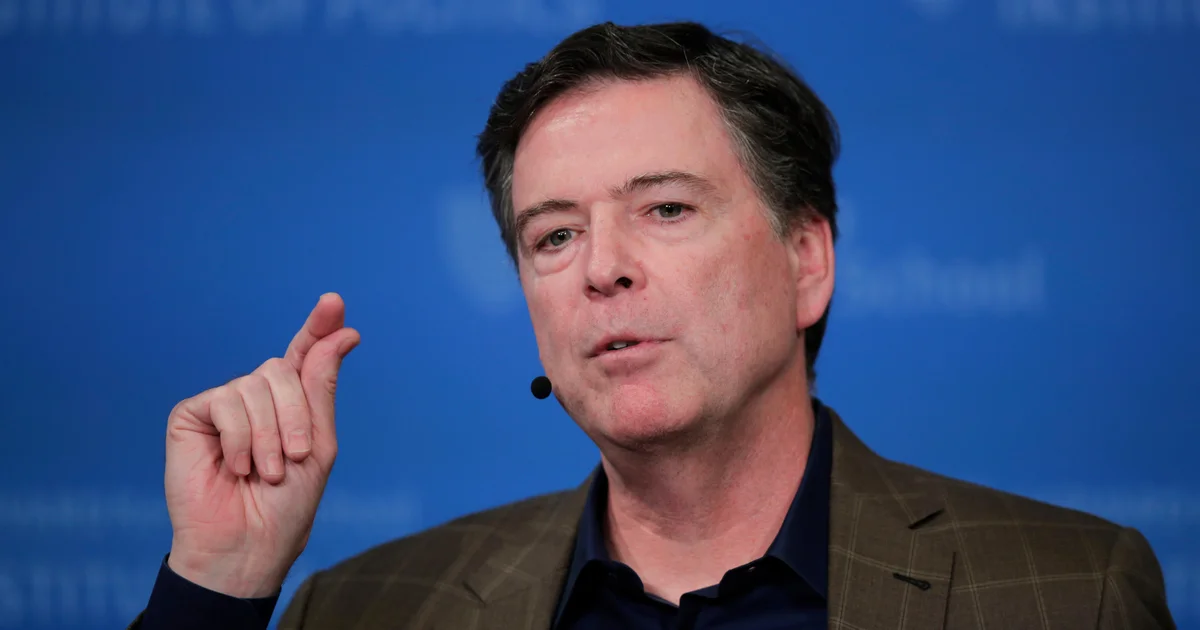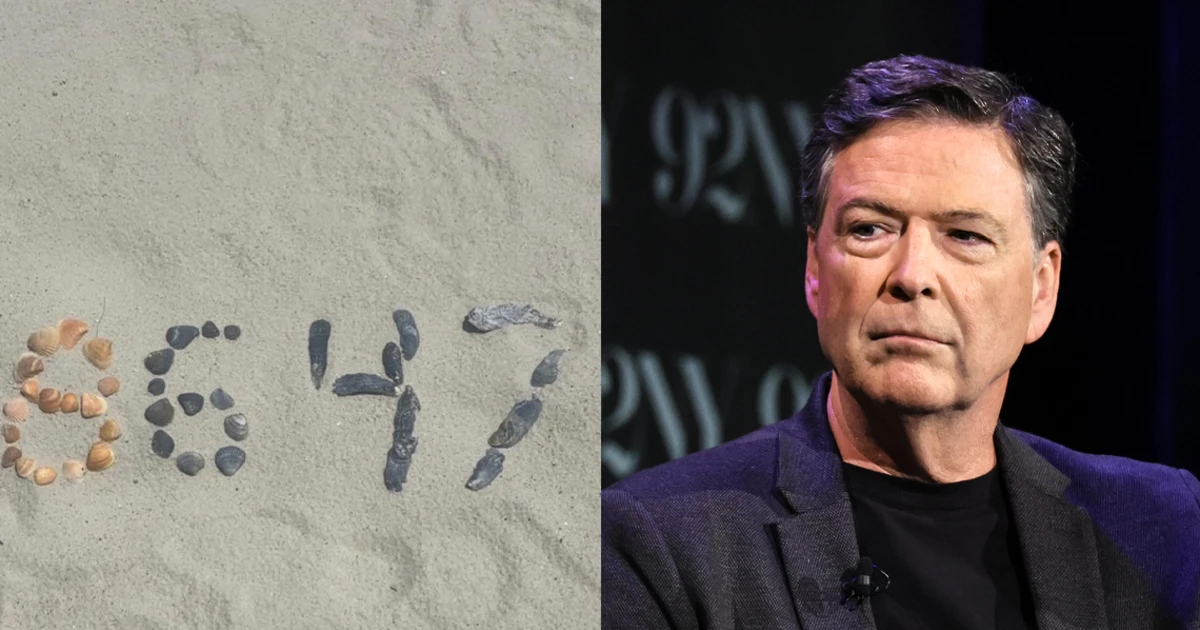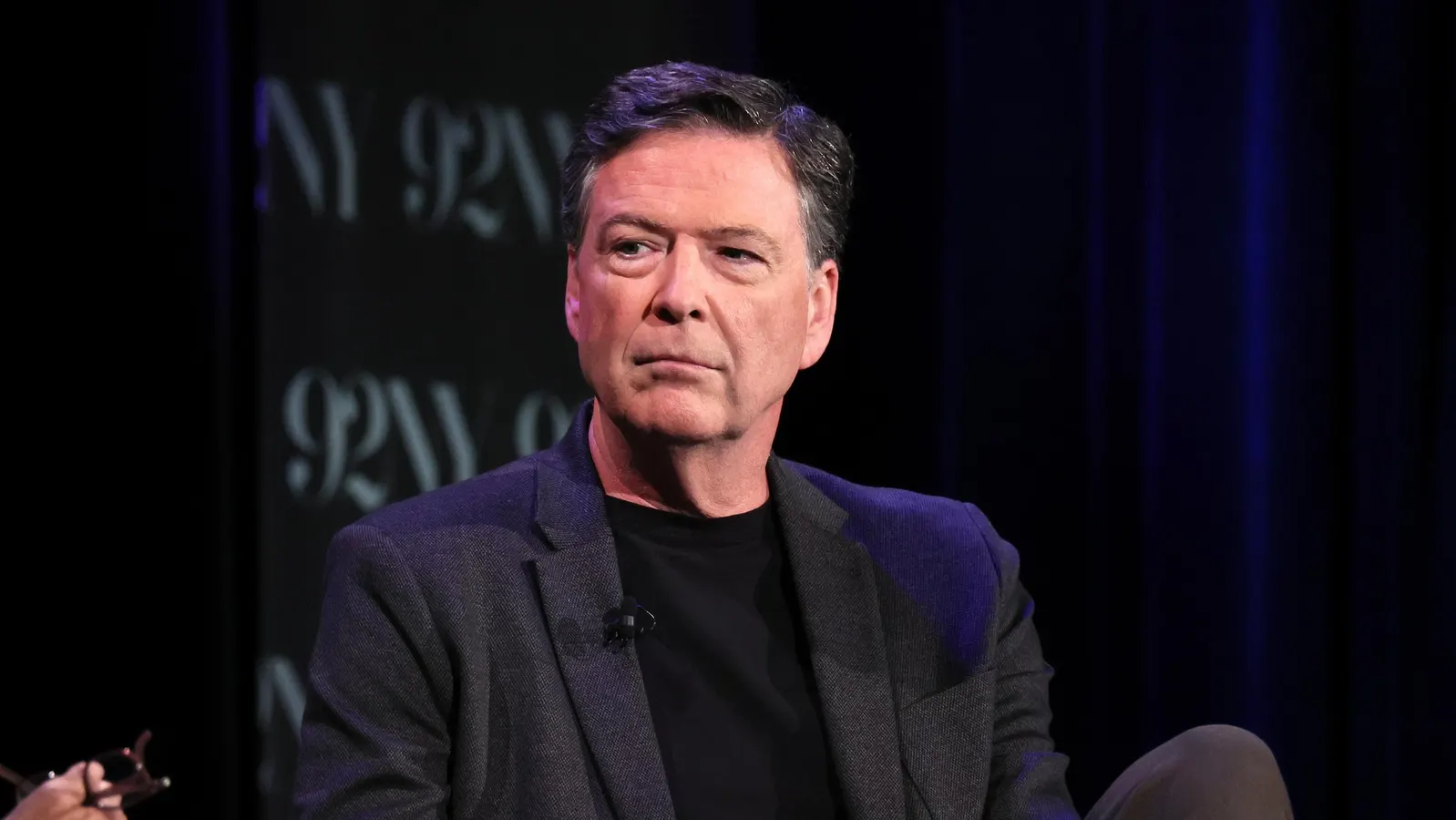
ToplineFormer FBI Director James Comey asked a federal court Monday to throw out the Trump administration’s criminal charges against him, alleging he’s being unfairly punished for protected speech and his “86 47” photograph wasn’t a “true threat” against President Donald Trump.Former FBI Director James Comey is interviewed at 92NY on May 30, 2023 in New York City. Getty ImagesKey FactsComey filed a motion Monday to dismiss the criminal charges against him, after the Justice Department indicted the longtime Trump critic for posting a photo on Instagram of seashells arranged to read “86 47,” a phrase prosecutors interpreted to be a “true threat” against the president’s life.Comey’s lawyers disputed the phrase constitutes a threat, arguing “86” means to “‘get rid of’ or ‘eject’ and has no violent connotation except in the most uncommon usages,” and should at most be thought of as “mere political hyperbole” that’s protected under the First Amendment.His Instagram post—which Comey deleted and then apologized for—also “contains no serious expression that Mr. Comey himself intended to commit violence against the President,” his attorneys argued. Prosecutors are unfairly “singl[ing] out” Comey because he’s an outspoken critic of the president, his attorneys alleged, noting the phrase “86 47” is a “well-known political slogan that expresses opposition to the President” and has been used widely on merchandise and at protests without the government taking action.The Trump administration is trying to chill Comey’s political speech against the president, the former FBI chief’s lawyers argued, claiming that even allowing the case to go to trial “would itself be an unconstitutional punishment of free speech” and “would invite future prosecutions by the Executive Branch against perceived political enemies for their opposition to the President.”The DOJ has not yet responded to a request for comment.Crucial Quote“The indictment here has no precedent. No authority holds that broadcasting to the world another person’s expression of a well-known political slogan with (at most) only an attenuated, obscure, and implausible suggestion of a call to violence can constitute a true threat,” Comey’s attorneys wrote in their filing. “This Court should not be the first to endorse that radical theory.”This story is breaking and will be updated.
James Comey Responds To ‘86 47’ Charges: Argues Trump DOJ Stifling His Free Speech
Comey’s photograph of sea shells reading “86 47” was at most “political hyperbole,” his attorneys argued.
357 words~2 min read