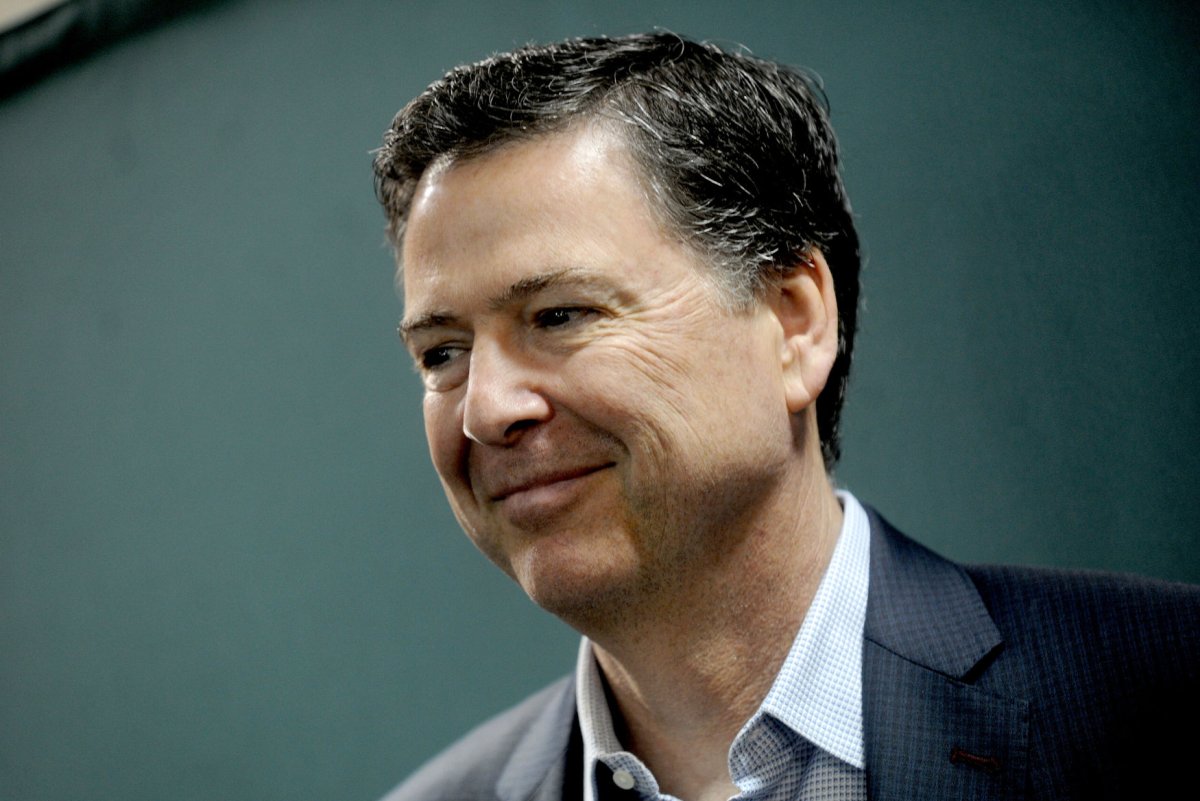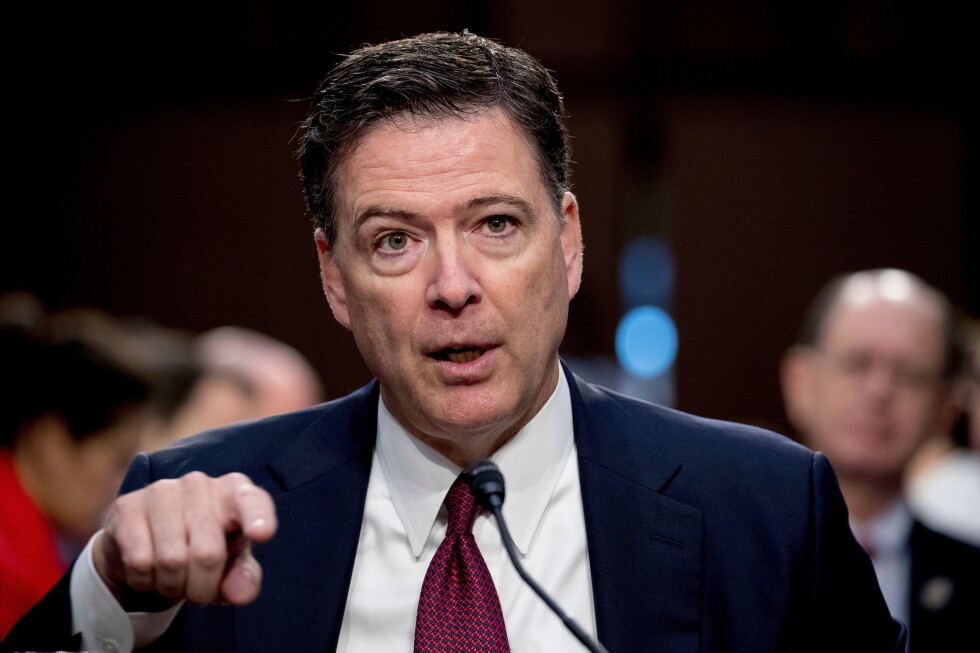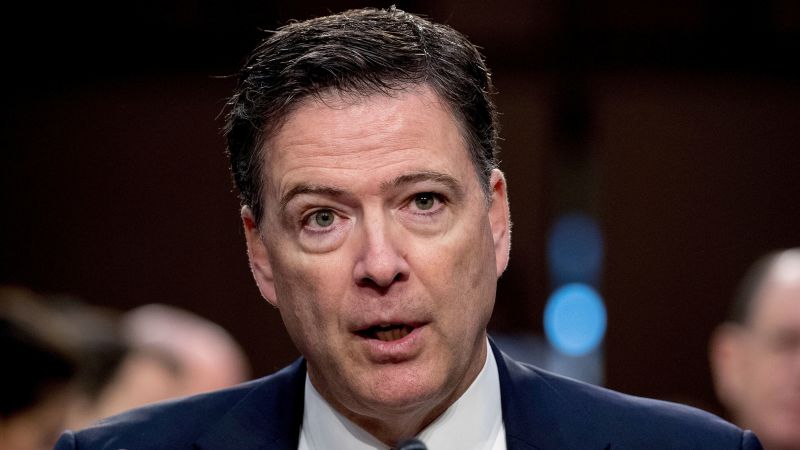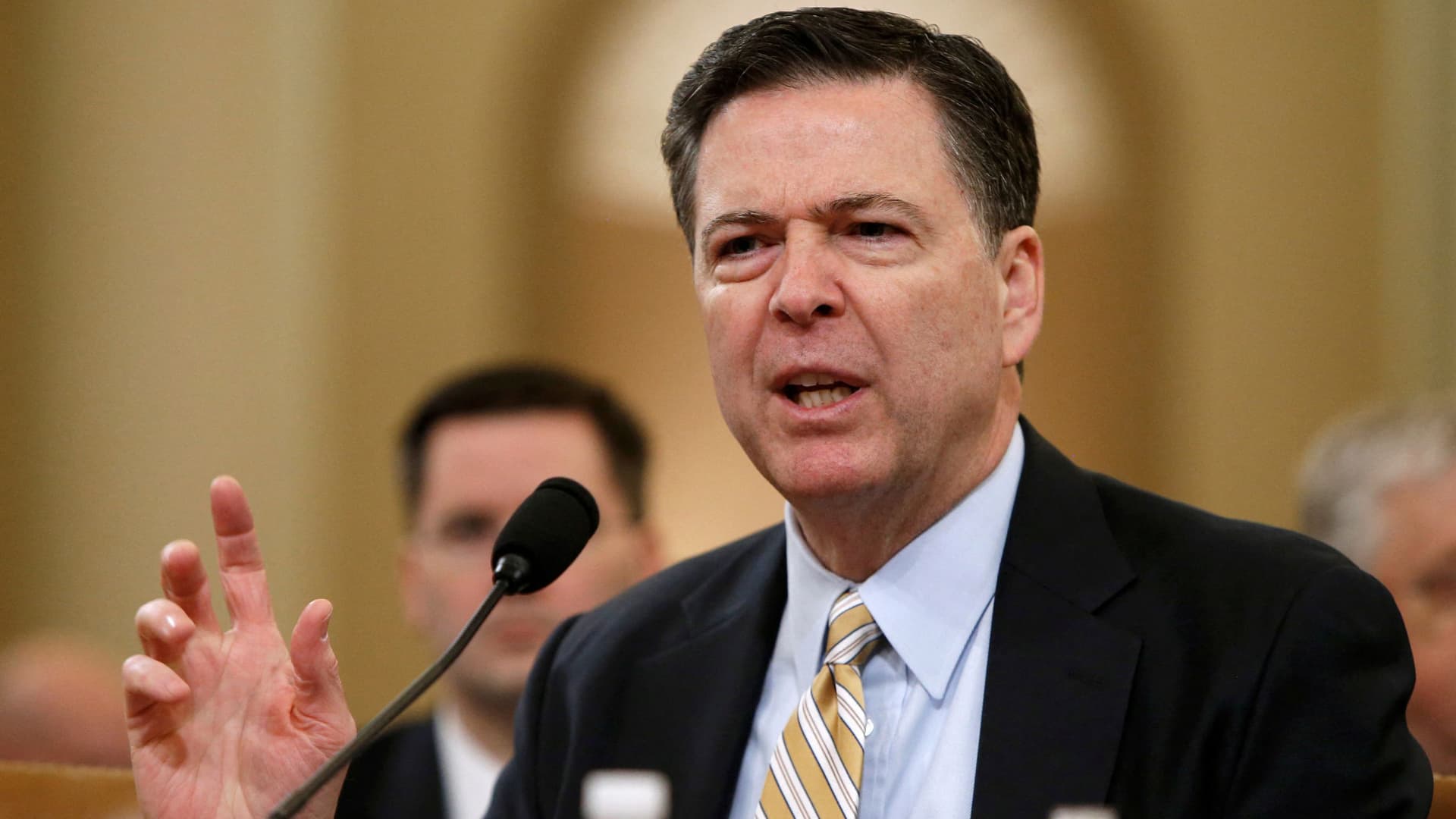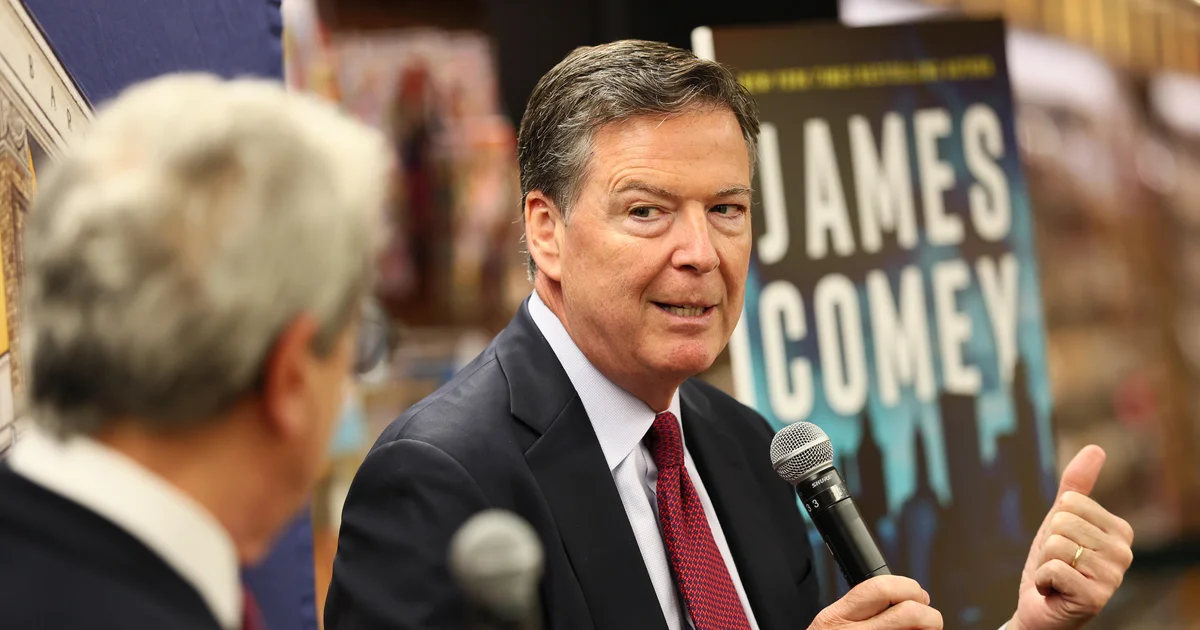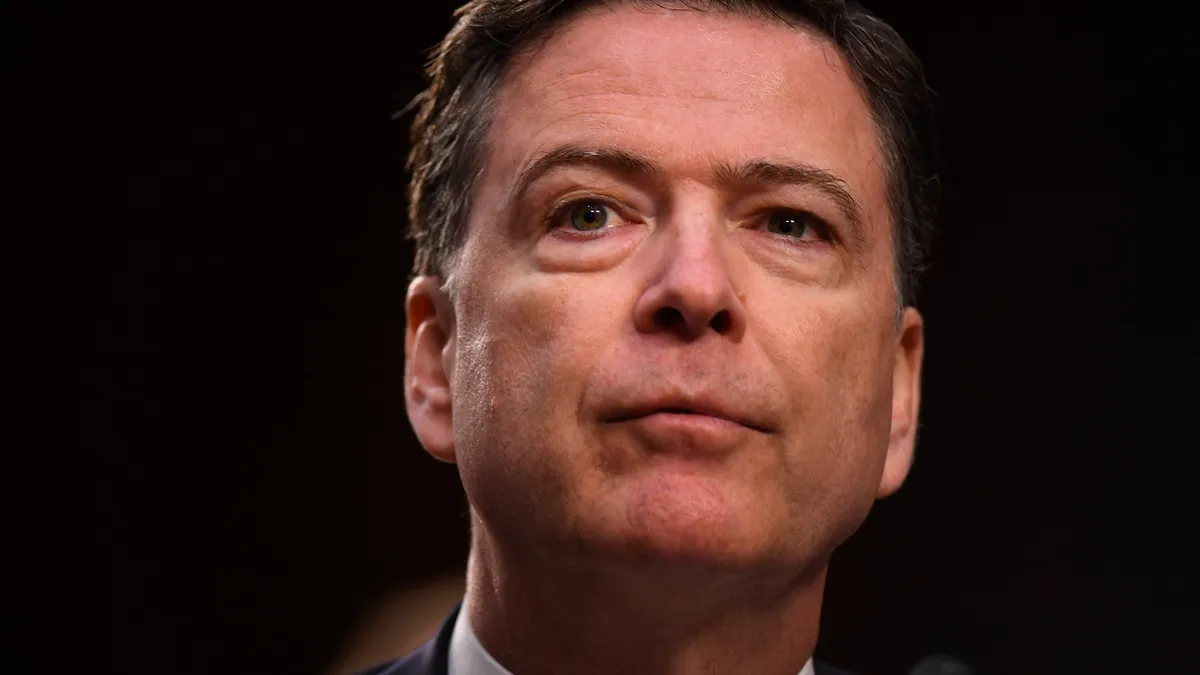
"Forcing Mr. Comey to stand trial for a statement opposing the President—even if he is ultimately acquitted—would itself be an unconstitutional punishment of free speech," Comey's legal team wrote.Show Caption
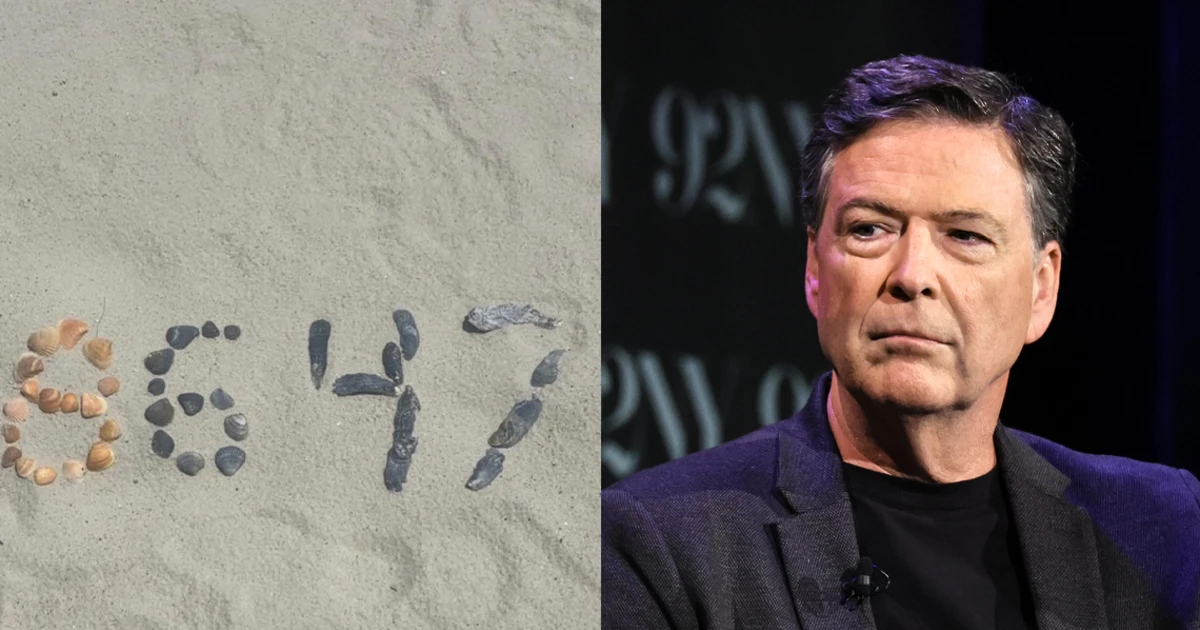
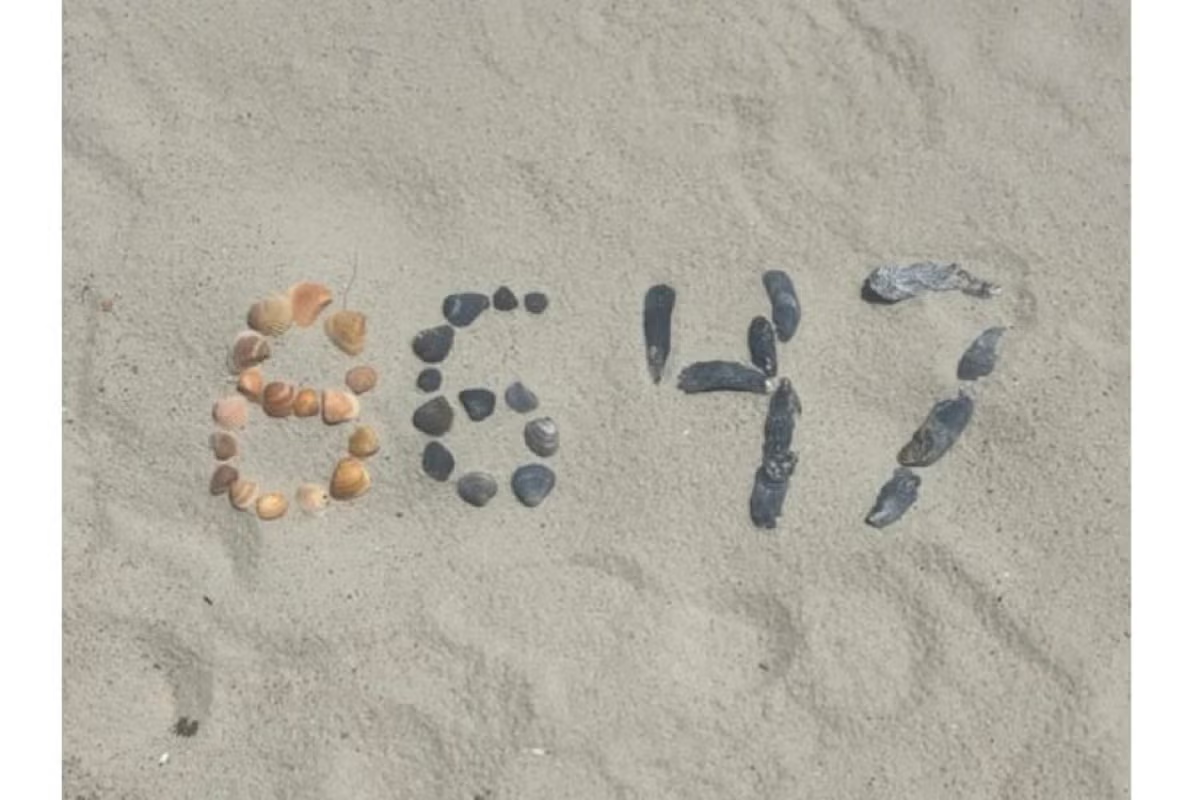
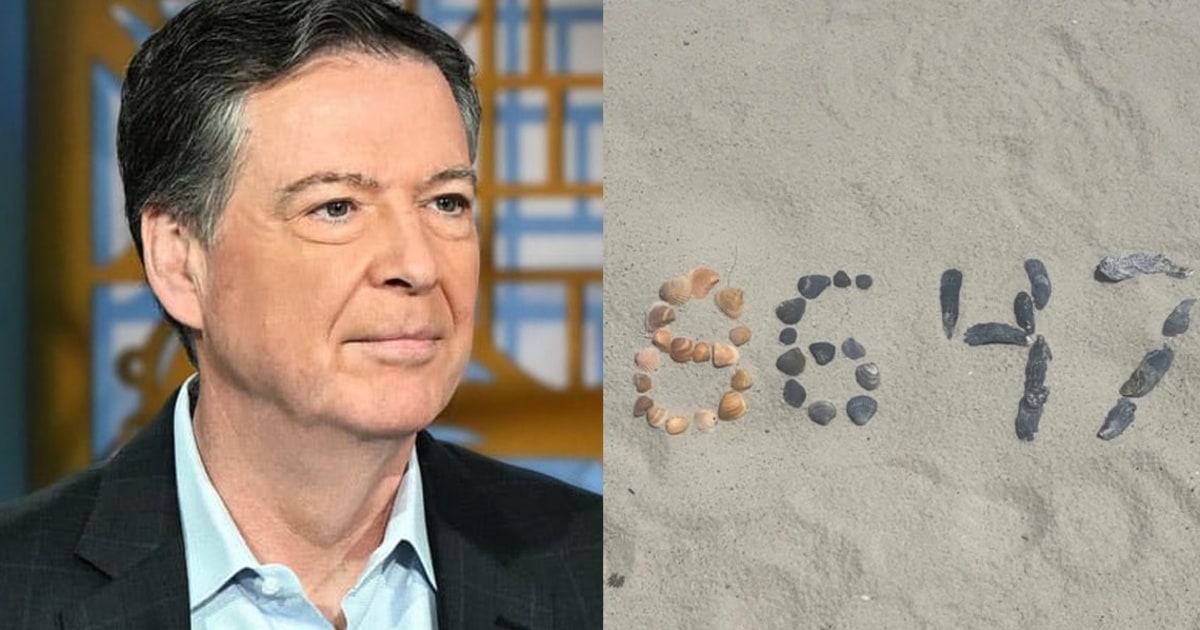
Former FBI Director James Comey is asking a federal judge to dismiss a controversial criminal case that accuses him of threatening to harm or kill President Donald Trump by posting an image of seashells on social media, calling the case an unconstitutional attempt to suppress his criticisms of the president.The case centers on an image of seashells in the shape of "86 47," which Comey posted on social media in May 2025. "86" is a slang term that means "to throw out" or "to get rid of," according to Merriam-Webster. Trump is the 47th U.S. president.Comey deleted the post within hours, after some Trump supporters interpreted the post as a threat against the president. He said in a new post that he "didn’t realize some folks associate those numbers with violence" and he opposes "violence of any kind." The Justice Department secured an indictment against Comey this past April, after Trump's former personal defense lawyer, Todd Blanche, became acting attorney general that month.On July 27, Comey's legal team said in their plea for dismissal that, if the case against him is allowed to go forward, it would invite future prosecutions against other perceived political enemies who oppose the president."Forcing Mr. Comey to stand trial for a statement opposing the President—even if he is ultimately acquitted—would itself be an unconstitutional punishment of free speech," Comey's legal team wrote in his court filing.A DOJ spokesperson highlighted in a statement to USA TODAY that the department secured the charges from a North Carolina federal grand jury. The spokesperson said Comey, like all defendants, would have his day in court, and it wouldn't be fair to the prosecution or to Comey for the DOJ to reveal further details on the case.The case against Comey is the second one brought by the DOJ since Trump publicly called for him to be prosecuted in September 2025.The first case, which alleged that Comey lied to Congress, was dismissed in November, after a judge ruled that the prosecutor who secured the charges – another former personal lawyer to Trump, Lindsey Halligan – was unlawfully appointed. The DOJ has appealed that ruling.The most recent charges against Comey have sparked widespread criticism, including from conservative legal voices who have argued that a successful prosecution would mean the government may criminalize a wide range of political speech.Tensions between Trump and Comey go back many years. In 2017, Trump fired Comey, who was then chief of the FBI. At the time, the bureau was investigating possible contacts between the 2016 Trump campaign and the Russian government. In the following years, Comey became a prominent critic of the president.In their July 27 filing, Comey's legal team wrote that "86 47" is a "well-known political slogan" expressing opposition to the president."In fact, thousands of items featuring this slogan have been sold on the internet and are available to this day, and the slogan was commonly displayed at protests around the country in the months preceding Mr. Comey’spost," according to the court filing.In 2022, conservative commentator Jack Posobiec posted "86 46" on social media, referring to then-President Joe Biden.Asked on CBS Mornings in April whether the DOJ would pursue charges against Posobiec as well, Blanche said he had "no idea" whether that post was investigated, but that "you cannot compare, 'Well, what happened last time, what happened this time.' Every investigation is different."