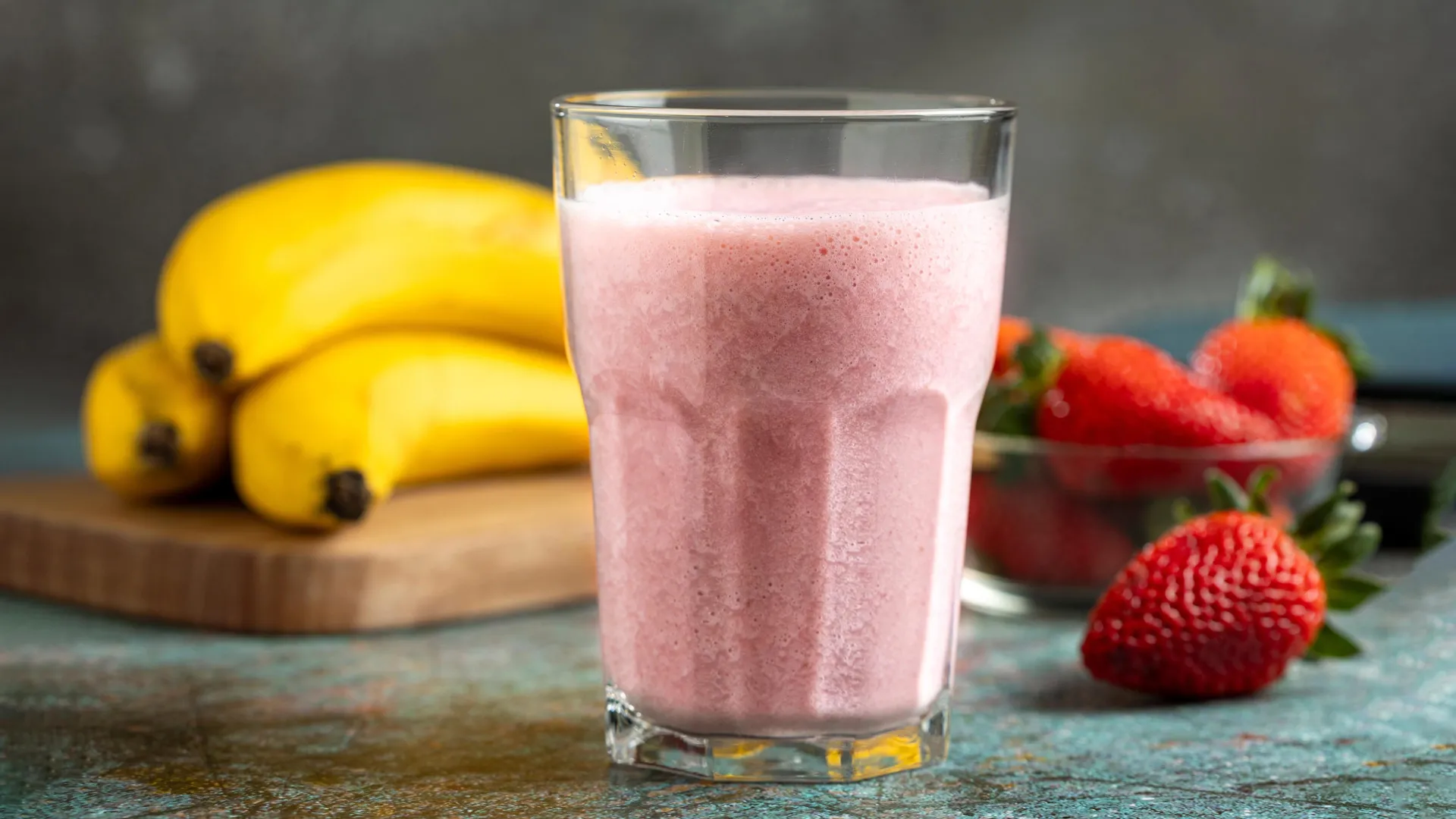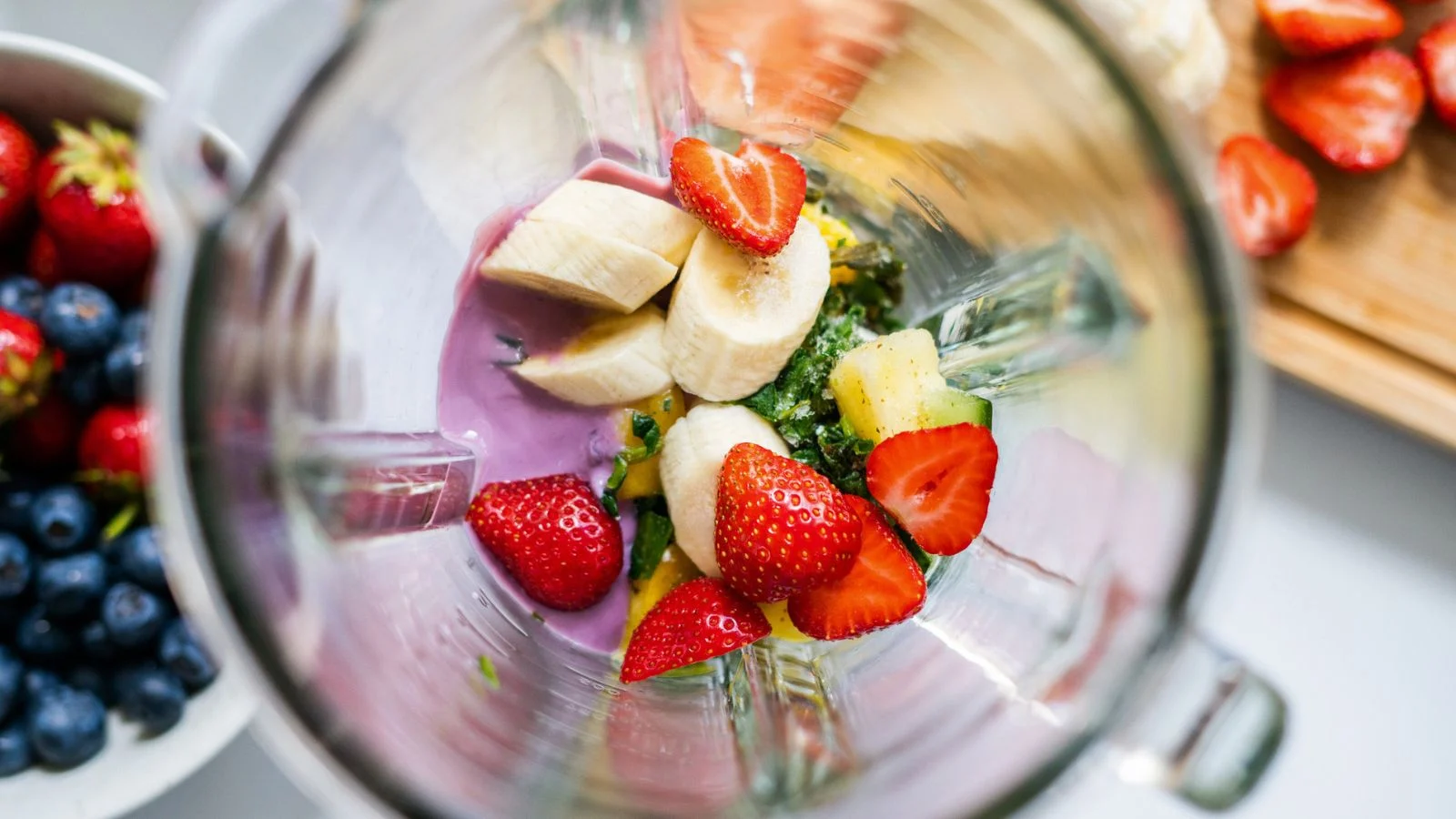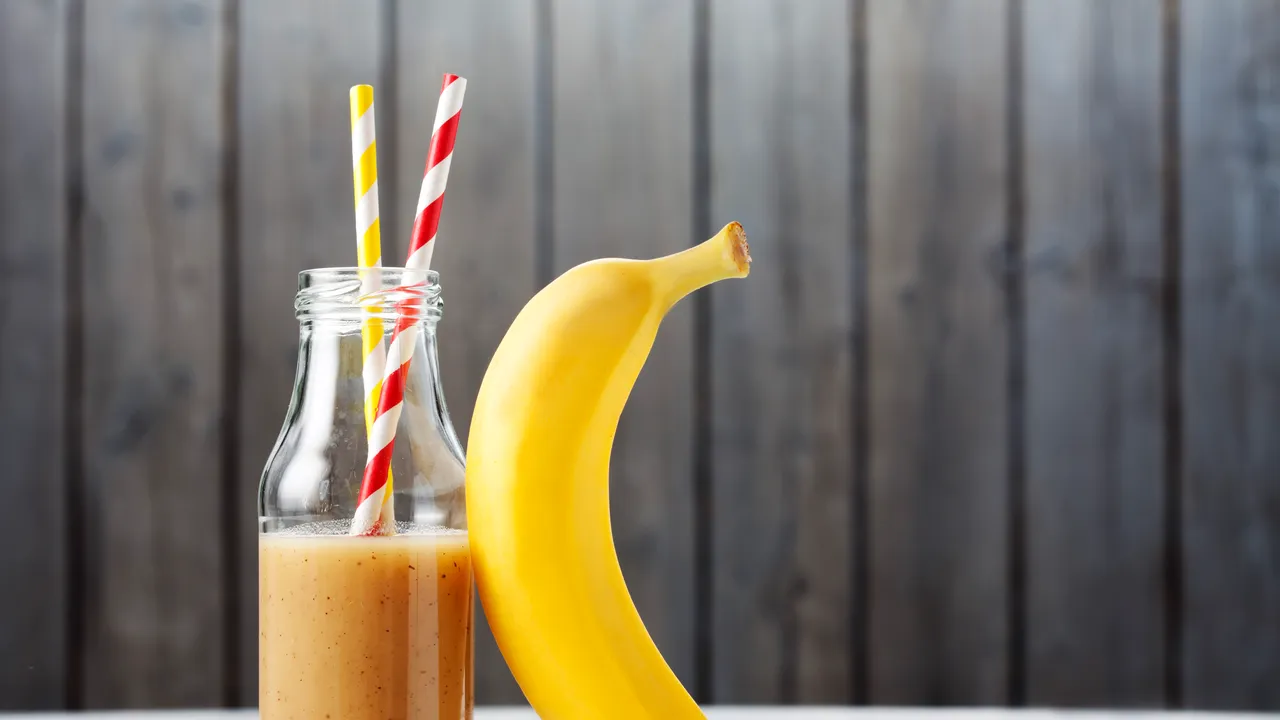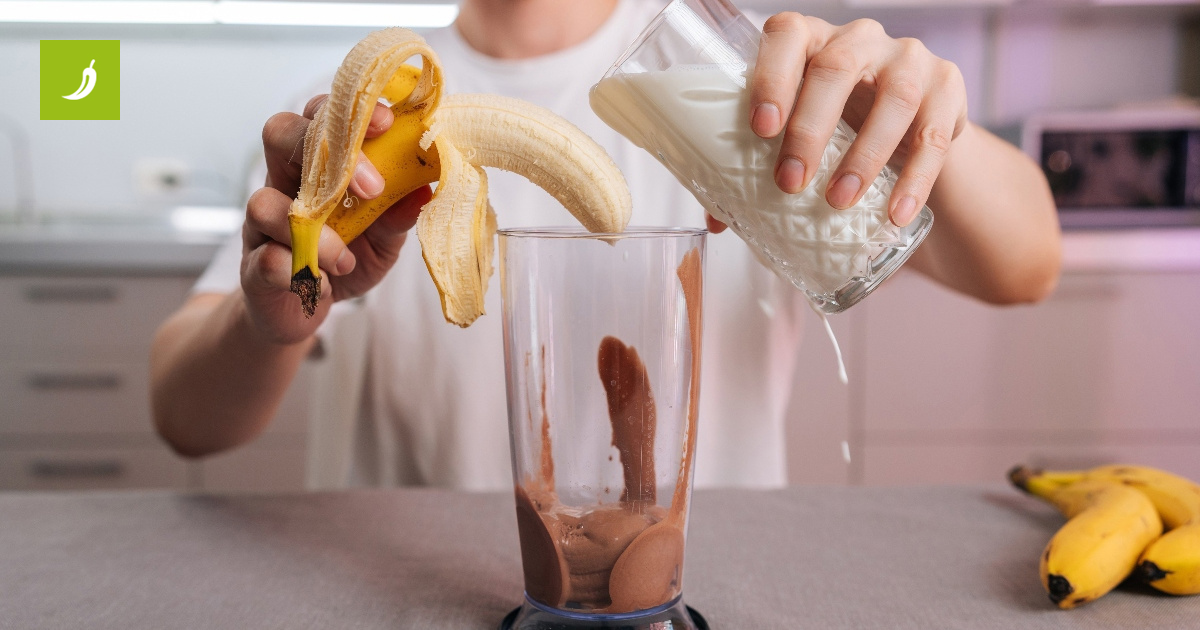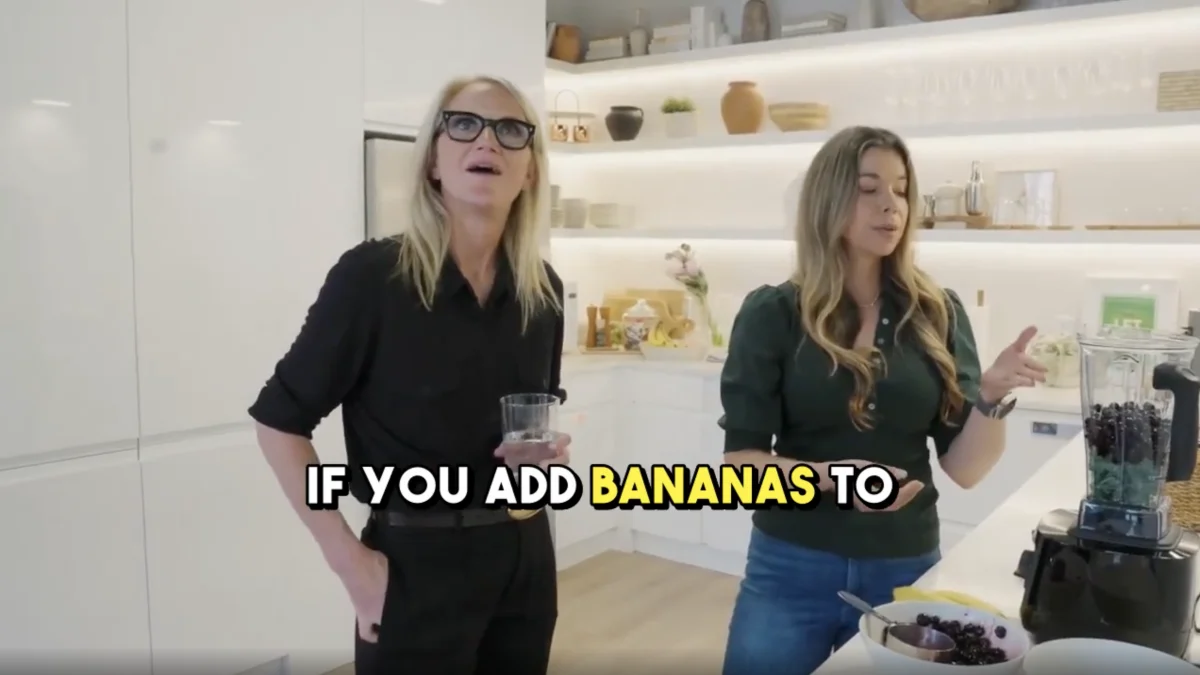
Who doesn't love a banana in their smoothie? It adds sweetness and does wonders for the texture. Well, not Rhonda Patrick, who proudly told her followers she does not put bananas in her smoothies because of a fear that it's breaking down polyphenols from blueberries. This belief is one that made the rounds on social media a few years ago, and its grain of truth has been blown way out of proportion. I'll break down where this myth comes from, and what you actually need to know. Why people believe bananas are bad for smoothiesThe idea that you need to avoid bananas in your smoothies started in 2023, when a study published in the journal Food & Function found that bananas can reduce the bioavailability of flavon-3-ols in smoothies. The study is real, and several of the TikTok clips that immediately popped up to discuss it described the study more or less accurately. Where they went wrong is concluding that we shouldn’t put bananas in our smoothies. That’s not what the scientists concluded. There’s no need to give up your bananas. The press release announcing the study probably started this mess (it calls adding a banana to your smoothie a “mistake”) but it also mentions that the lead author of the study, Javier Ottaviani, “said bananas remain a great fruit to be eaten or consumed in smoothies.” So clearly the banana warnings are overblown. What the study actually foundThe study wasn’t about the nutritional value of bananas or smoothies in general. It was looking at a particular question of biochemistry: Does an enzyme in bananas react with one particular type of antioxidant found in cocoa extract? (Note that Rhonda Patrick's recent videos are focused on polyphenols in blueberries; those weren't tested in the study.)Antioxidants are a broad class of chemicals. For context, vitamin C is an antioxidant, but so are lycopene and resveratrol (compounds famously found in tomatoes and grapes) and so are anthocyanins, the red and blue pigments found in berries. The antioxidant studied here is not any of the above, but a different one found in tea and cocoa. It’s called (-)-epicatechin, and it’s part of the antioxidant family called flavon-3-ols. In the study, eight healthy men recruited from around the UC Davis campus were given each of the following, on different days: A smoothie made with bananas, almond milk, and an epicatechin-containing cocoa extract.A smoothie made with the same cocoa extract plus strawberries, blueberries, blackberries, raspberries, almond milk, water, crushed ice, and yogurt (presumably the yogurt and ice were required for texture).A glass of milk and a capsule containing the cocoa extract.Bananas contain an enzyme called polyphenol oxidase (PPO), and the scientists wanted to find out if the PPO in a banana could affect the levels of (-)-epicatechin, one of those flavon-3-ols, in food such as smoothies.Somewhat surprisingly, it did! Our bodies convert epicatechins into other chemicals in the same family, and the researchers took blood samples from the volunteers to look for these chemicals after each of the experiments. After drinking the berry smoothie or taking the capsule with milk, blood levels of these chemicals were elevated. But after drinking the banana smoothie, they weren’t. This strongly suggests that the PPO in the banana had destroyed a lot of the epicatechins present in the cocoa extract. Further experiments described in same paper suggest that this chemical activity happens when the ingredients are sitting together in the smoothie glass, and it likely also happens in our stomachs. More importantly, what the study did not findThe study did not test a berry smoothie with an added banana. None of the smoothies or experiments combined berries and bananas. The study did not test levels of antioxidants or other nutrients from berries. They were looking specifically at what happened to the antioxidants provided in the cocoa extract. The study also did not look at other aspects of nutrition besides this very specific chemical reaction (PPO from bananas plus (-)-epicatechins from cocoa extract).
No, Bananas Don't Destroy the Nutrients in Smoothies
Influencers are telling us to never put a banana in your blueberry smoothie, based on a misunderstanding of a study about bananas and...cocoa extract?
1,126 words~5 min read