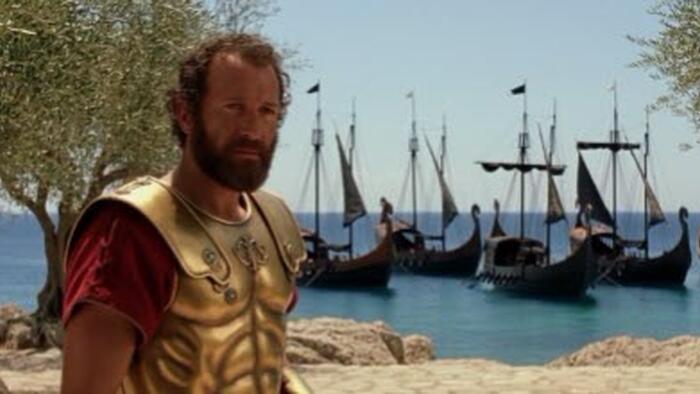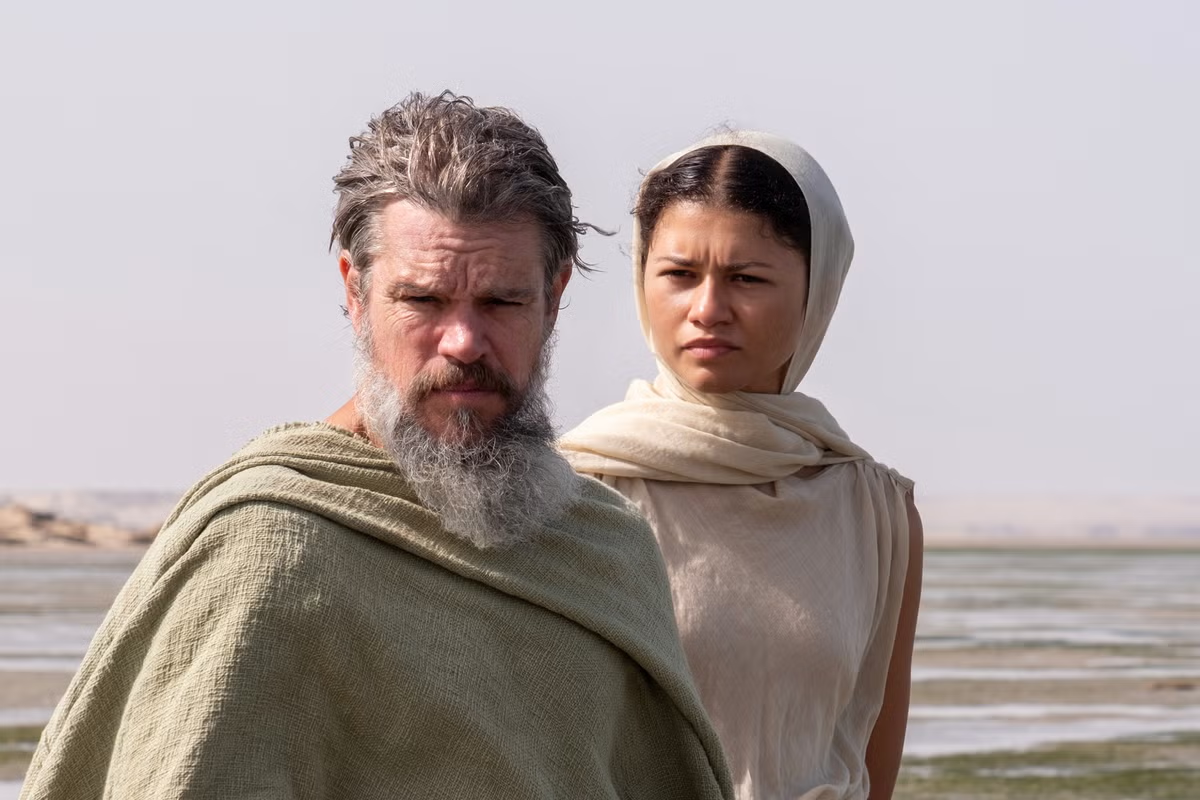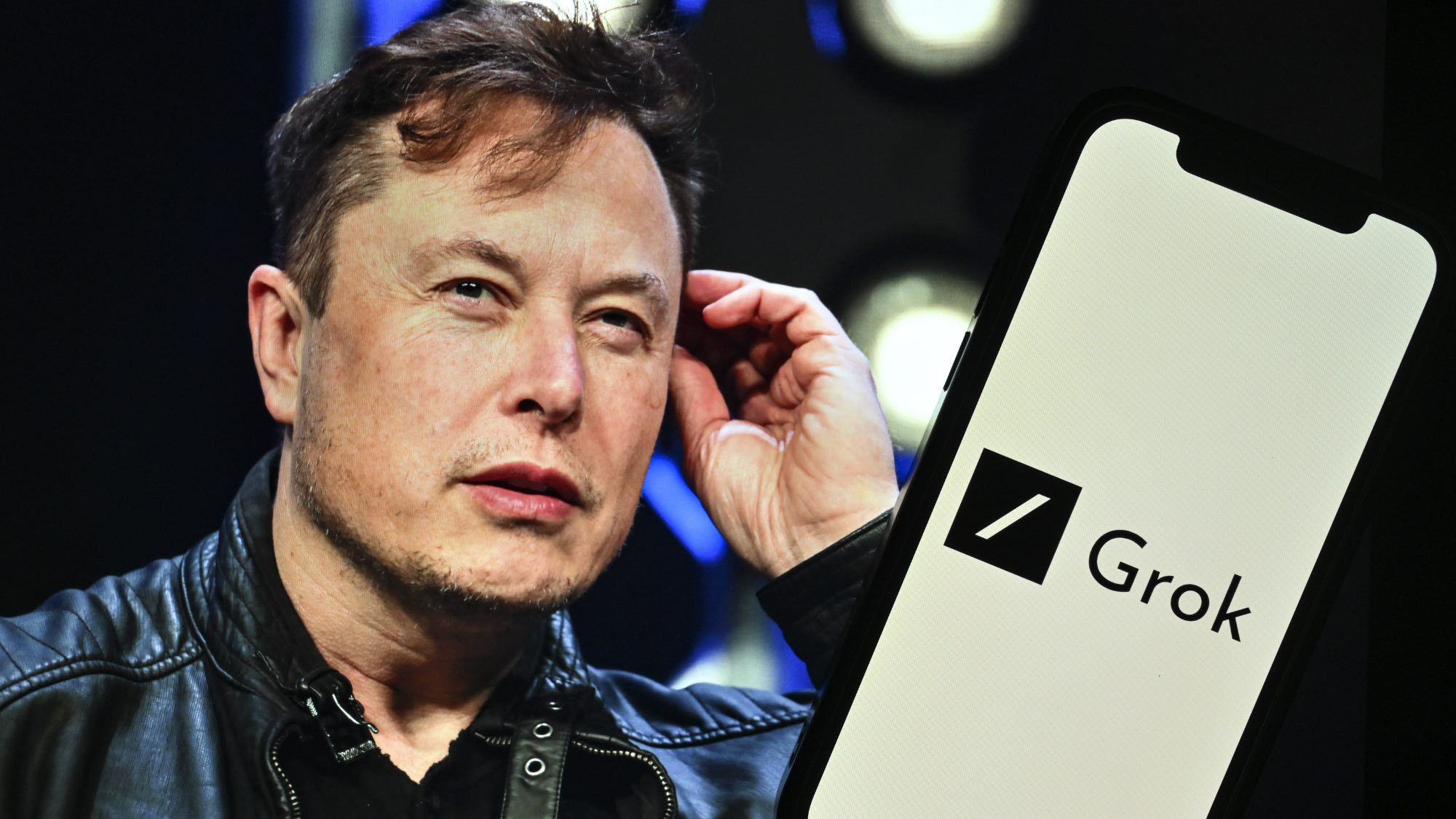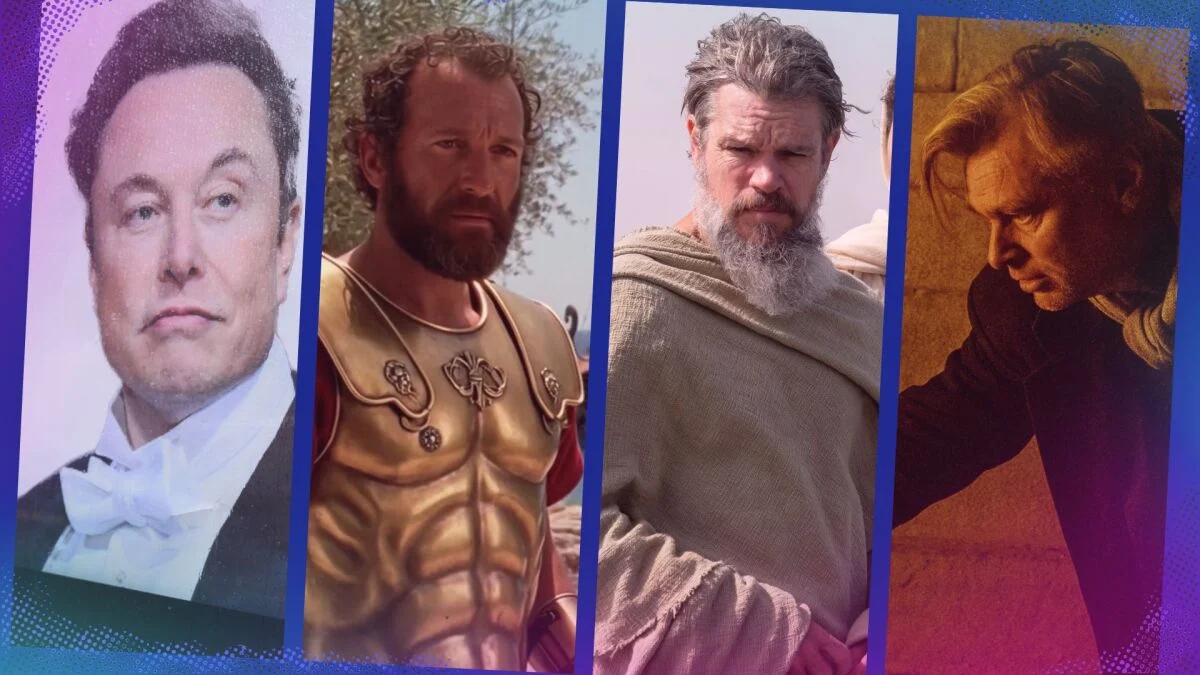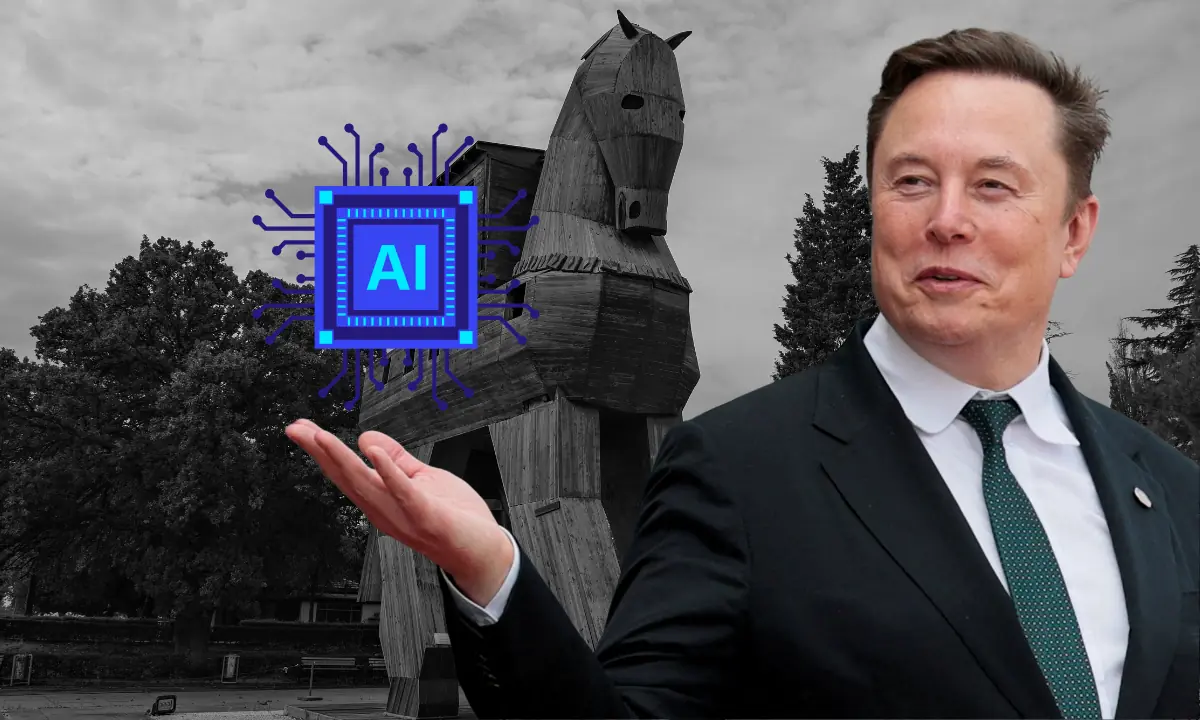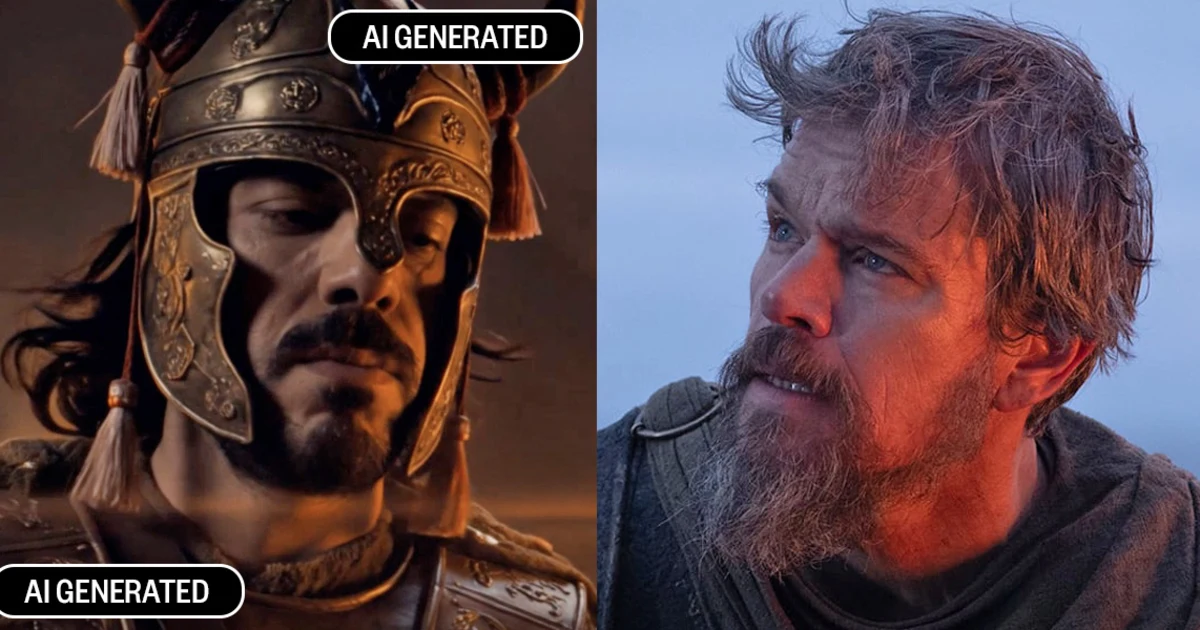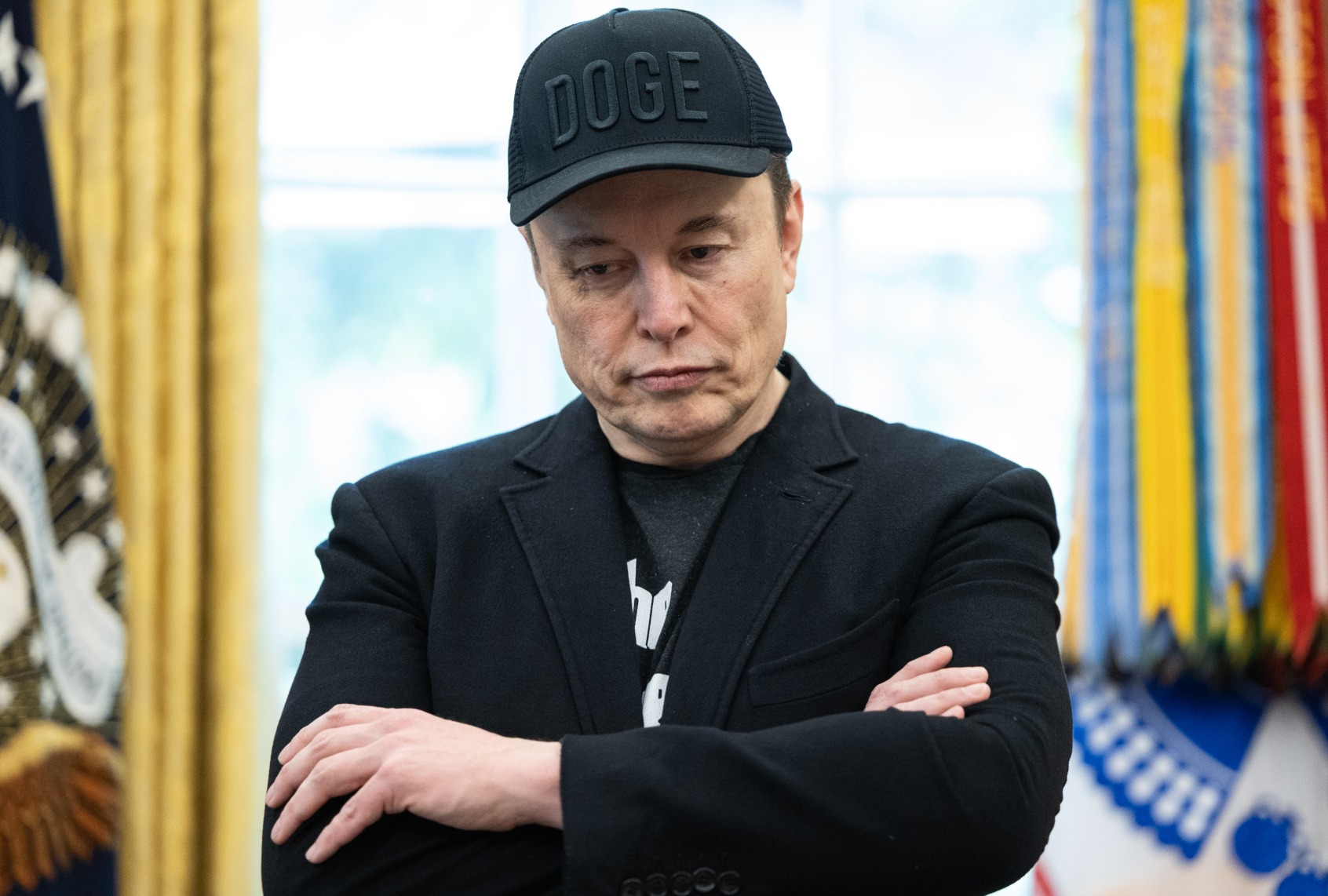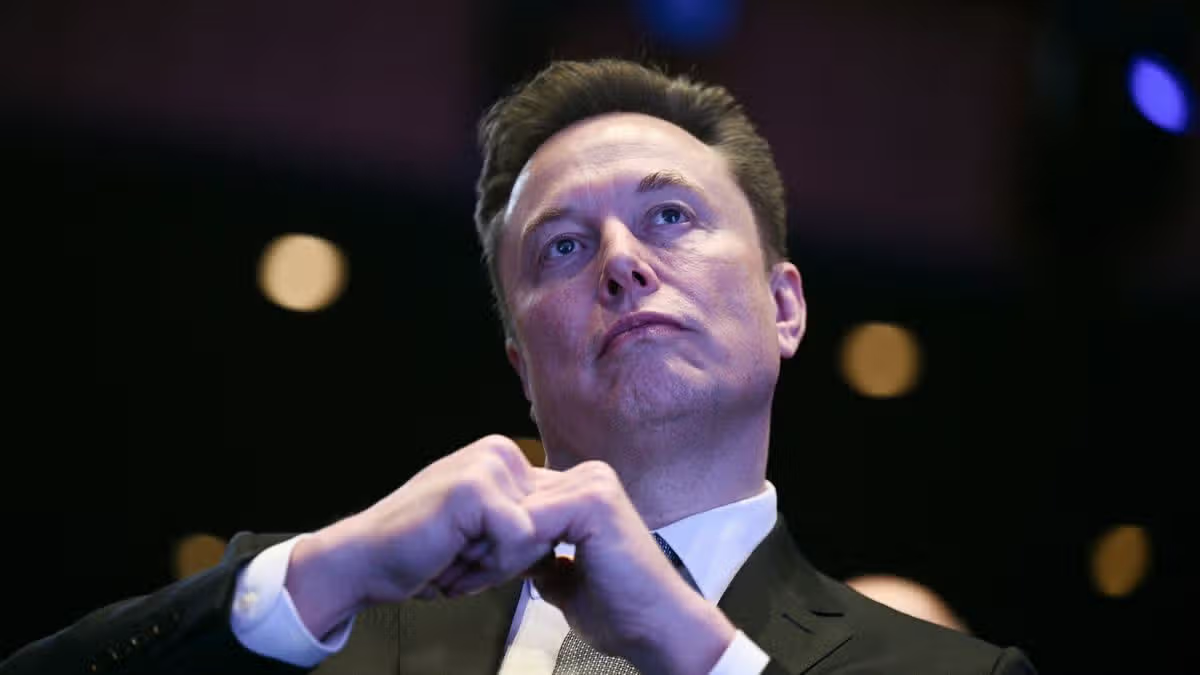
Elon Musk has promised that before the year is out, his AI tool Grok Imagine will produce a full-length film of Homer’s Odyssey that is, in his words, “historically accurate and true to the art of Homer”.
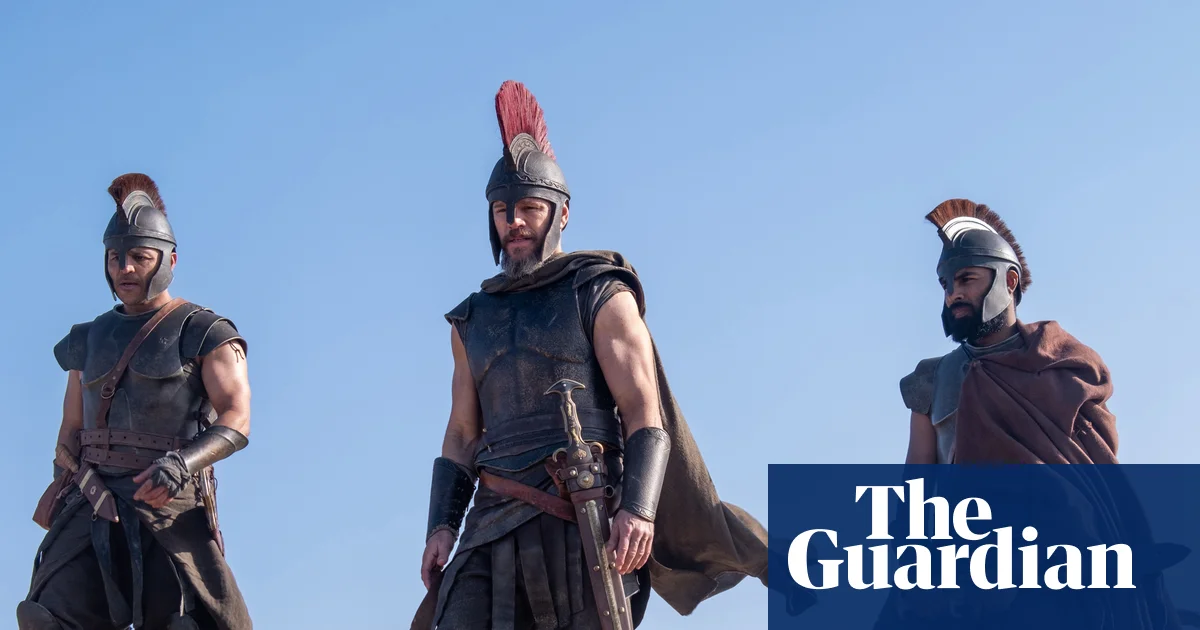
The claim, posted on X in July alongside a three-minute AI-generated scene, arrived days after Christopher Nolan’s blockbuster version reached cinemas worldwide – a film Musk has spent months attacking for being “woke”.
Set aside, for a moment, that The Odyssey is a 2,800-year-old poem that includes a witch who turns men into pigs and a one-eyed giant shepherd, to ask a simpler question: accurate to what?
There are no photographs of ancient Ithaca. There is no footage of the Trojan shore. What we have is stories, poems, pottery and paint, and, more recently, a century of films that imagined the ancient world for us. That is the only material a generative model has ever seen.
So when Grok Imagine – the AI image generator developed by Musk’s xAI company – renders antiquity, it is not reaching back into history. It is reaching for the centre of every image already made about it – the most probable ancient warrior, assembled from Gladiator, Troy and 300 and a hundred years of sword-and-sandal cinema. The result will not look like the past. It will look like other films about the past, averaged out by AI.