See more This is Money on Google - save us as a Preferred SourceBy FREDA LEWIS-STEMPEL, SENIOR MOTORING REPORTER Updated: 16:39 BST, 27 July 2026
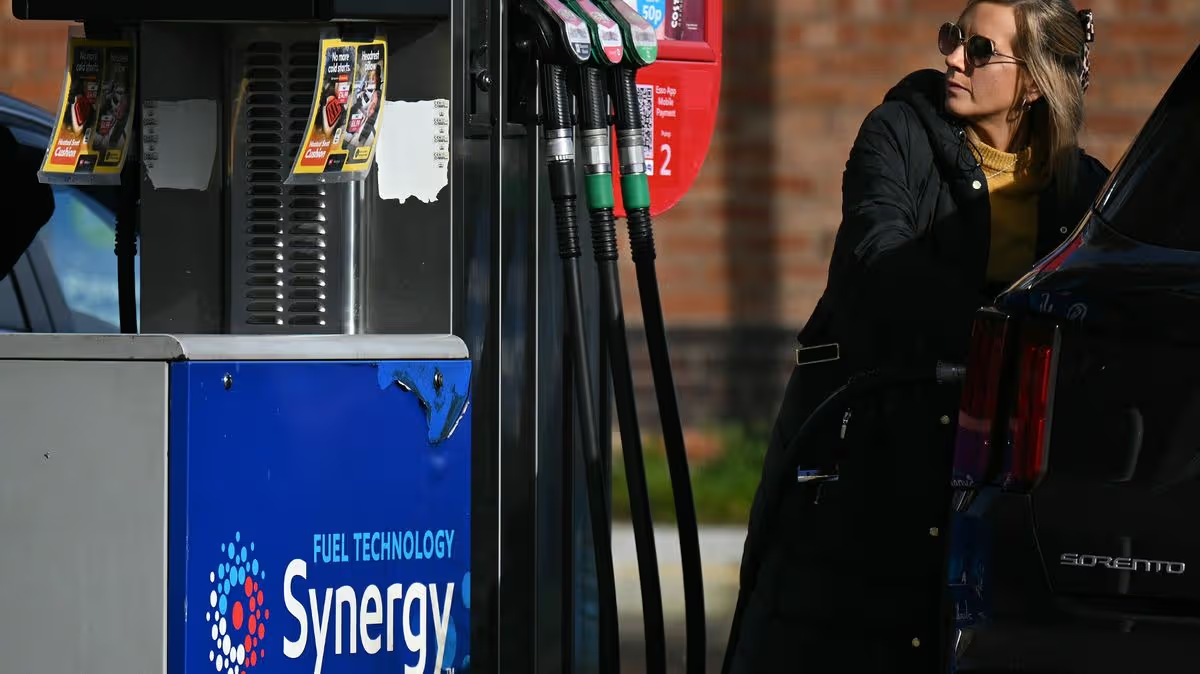
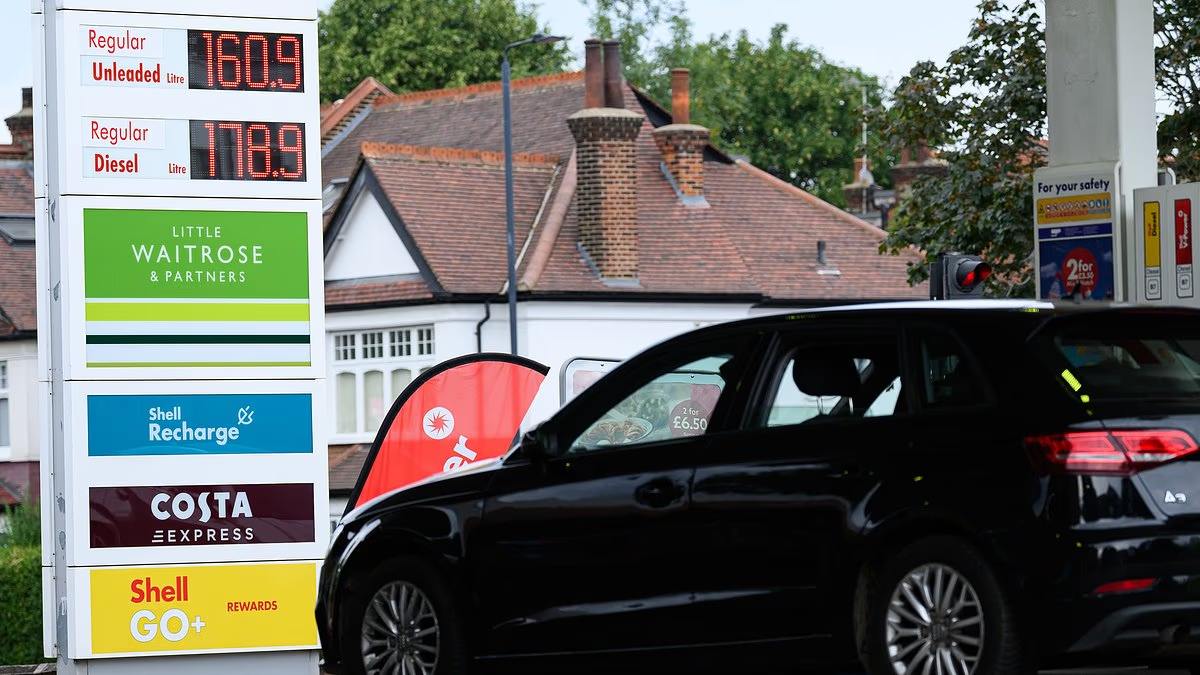
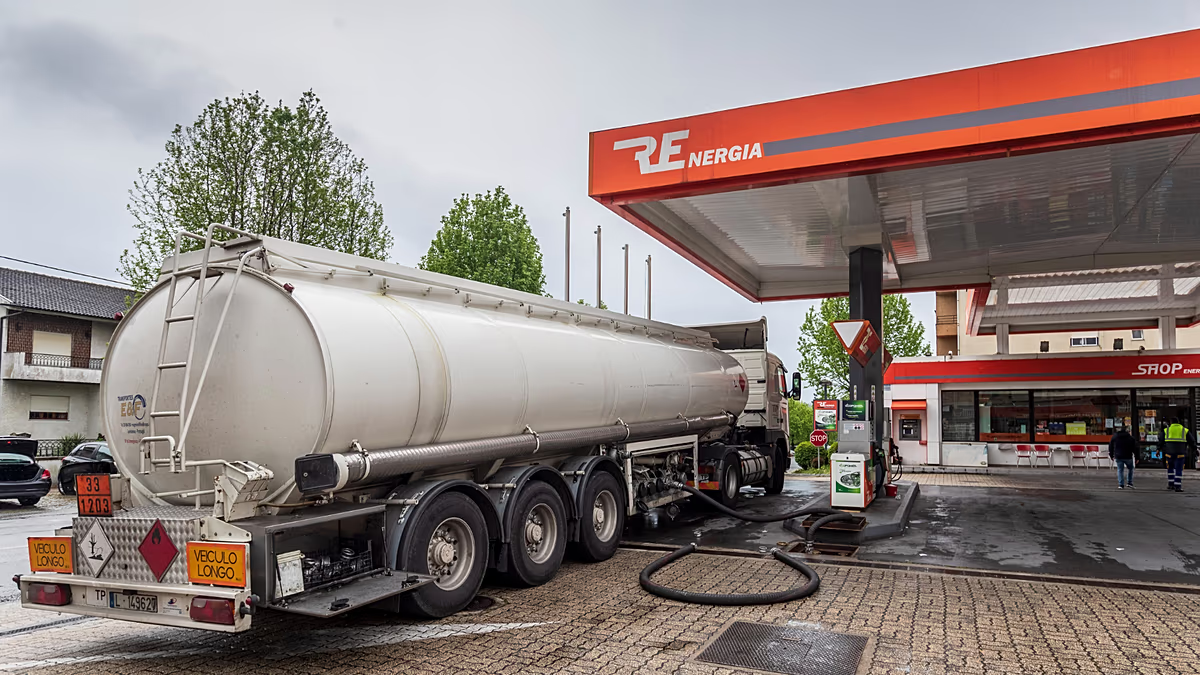
Petrol prices are expected to hit 160p a litre this week, the most expensive they've been since the Iran conflict began.Petrol rose 0.6p over the weekend to an average of 157.81p and diesel rose 1p to 175.71p.The 'highly likely' increase in pump prices follows escalated tensions between the US and Iran, which have seen almost two weeks of daily US strikes and reciprocal attacks.RAC head of policy Simon Williams said: 'Since the start of July, petrol has already increased by more than 6.5p a litre and diesel by 9p, adding £3.50 and £5 to the cost of filling up a family car respectively.'The outlook for drivers is pretty grim. It looks highly likely now that petrol will hit 160p a litre – its highest level since the United States/Iran conflict began – and diesel 180p by the end of this week, off the back of an elevated oil price.'Fuel prices that drivers pay at forecourts depend heavily on the global oil price, which has risen since the ceasefire ended. Petrol rose 0.6p over the weekend to an average of 157.81p and diesel rose 1p to 175.71p, the RAC reports, with petrol set to push 160p this week The RAC is warning that a 'short-term pause in hostilities between the countries is unlikely to be enough to quell the oil price'.Diesel prices are rising faster than petrol because the UK is heavily reliant on diesel imports and due to an increased demand for US diesel.On 23 July, Brent oil hit $102 a barrel before falling to $92 by 27 July. However, that was still around 30 per cent higher than on 1 July.The ongoing Middle East conflict has seen diesel hit highs of 191.54p per litre (15 April) and petrol reach 159.53p per litre (28 May). Diesel prices are rising faster than petrol because the UK is heavily reliant on diesel imports and due to an increased demand for US diesel Petrol was at its lowest on 6 July at 150.59p per litre and diesel was at its lowest on 9 July at 164.52p per litre.Fluctuating prices at the pumps have cost drivers hundreds of millions of pounds.The RAC Foundation has calculated that drivers in the UK paid an extra £307million between 28 February, when the conflict started, and 24 March.With the 'inevitable rise' coming, the RAC says: 'What’s needed is a sustained drop over several weeks and, unless that happens, elevated prices at the pump look like they’re here to stay.'