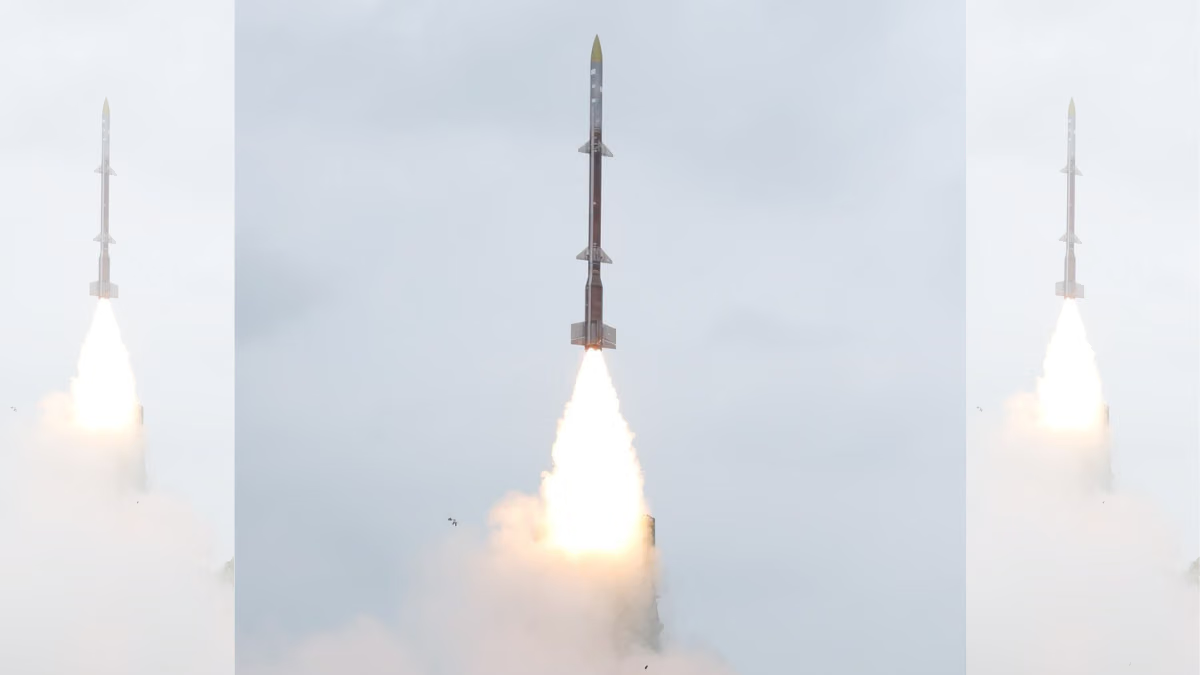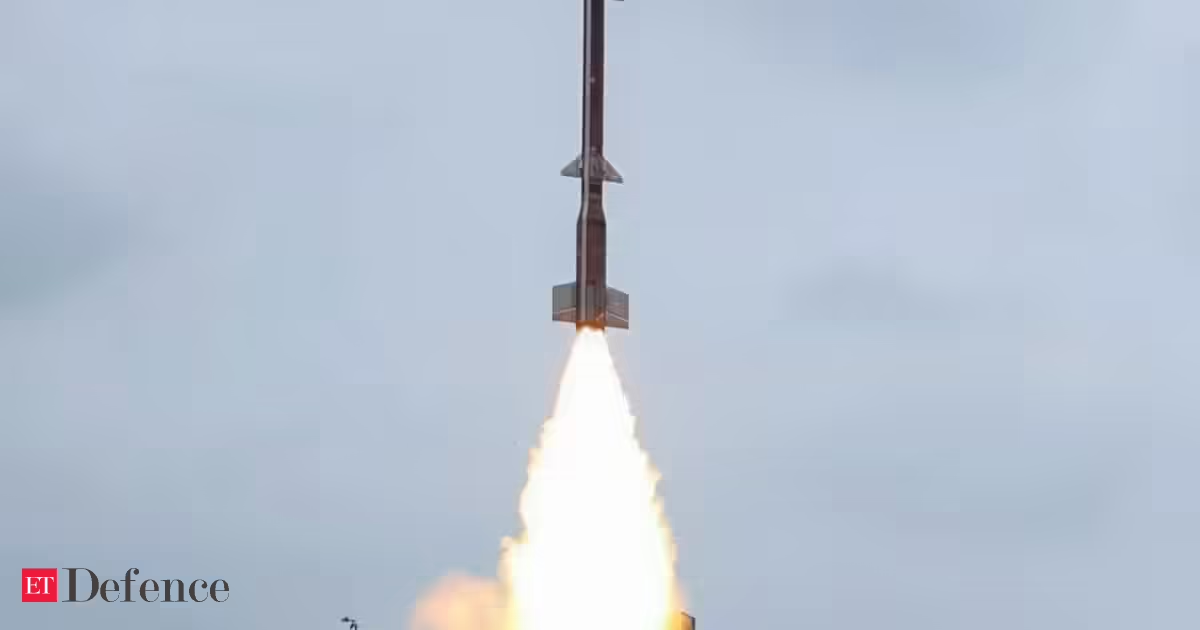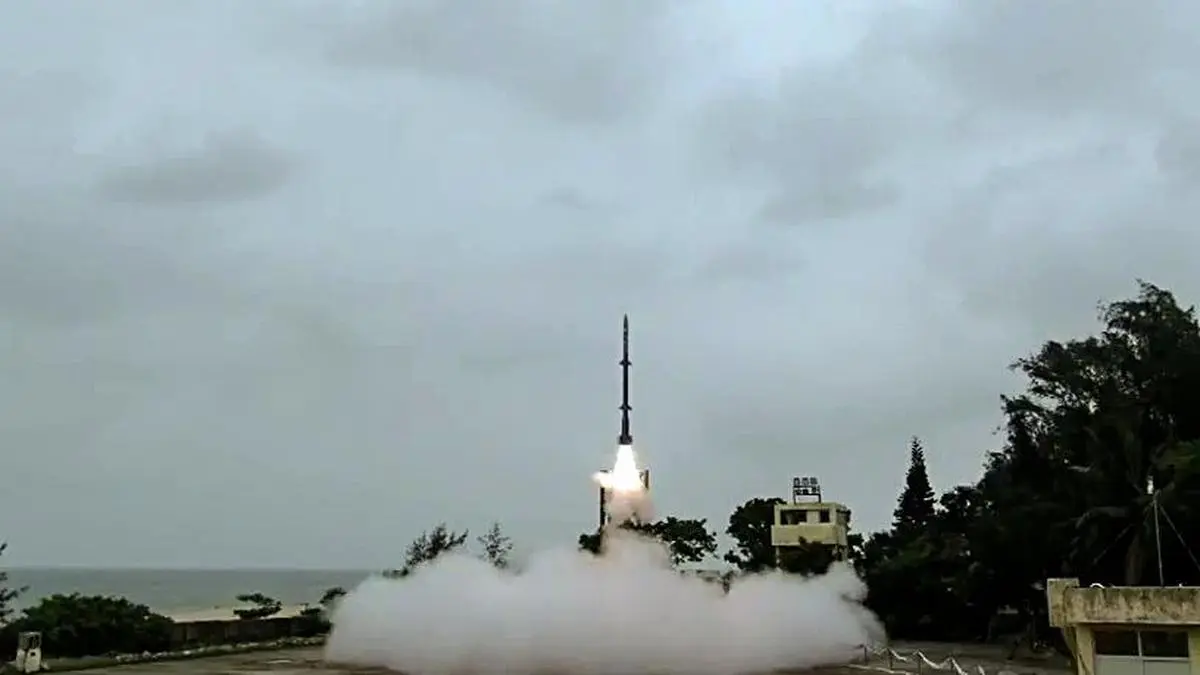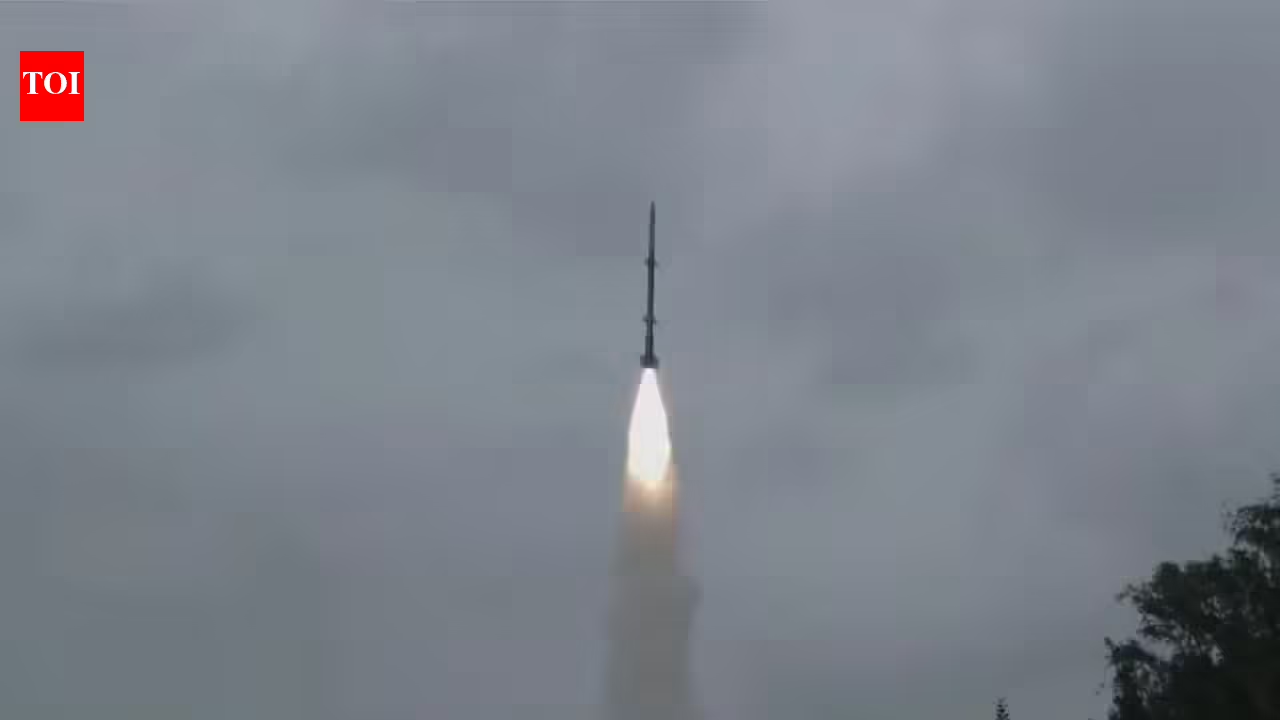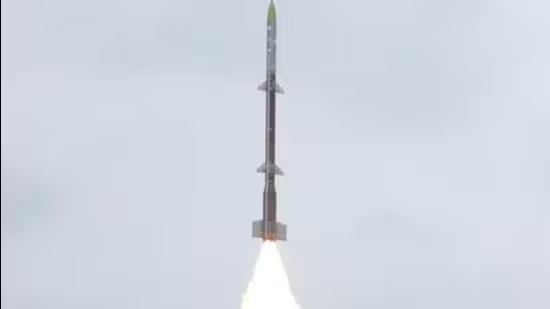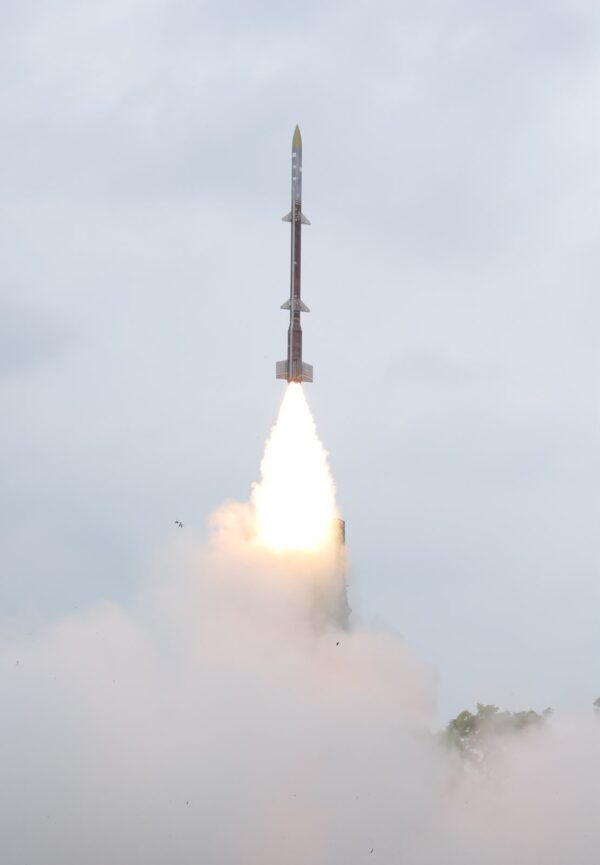
On July 23, India’s Defense Research and Development Organization (DRDO) successfully carried out the maiden test of the M1 long-range surface-to-air missile (SAM), one of three interceptors being developed under the Kusha program, from the APJ Abdul Kalam Island off the Odisha coast. This is an important milestone in India’s evolving multi-layered long-range air defense architecture envisaged under Mission Sudarshan Chakra that is scheduled to be put in place by 2035.
This test was conducted against an electronic target simulating a high-speed and high-altitude aerial threat, which was successfully intercepted. DRDO said that the Kusha missile system is capable of “neutralizing wide variety of aerial threats including fighter jets, missiles, UAVs and large enemy aircrafts within a wide range and altitude envelope.”
Calling the test flight an “important milestone” in Indian defense research and development, India’s Defense Minister Rajnath Singh observed that only a handful of nations possess the capability of developing a long-range SAM system.
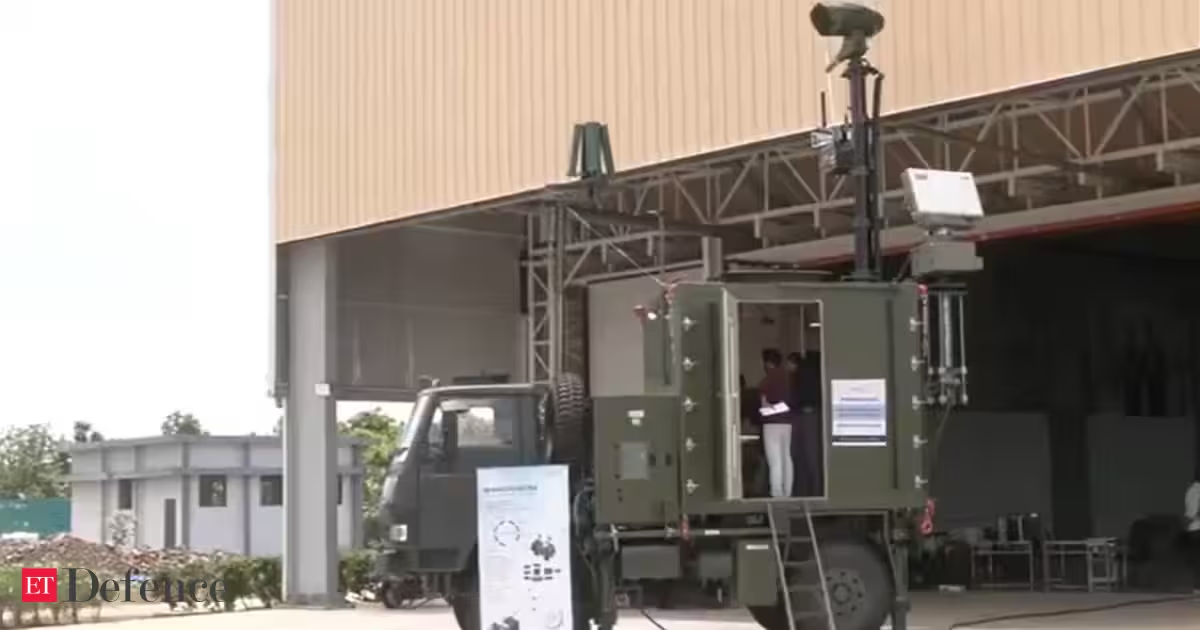
Under Project Kusha, DRDO is developing three long-range interceptors – M1 to engage targets up to 150 km, M2 with a range of 250 km, and M3 to engage targets at distances of 350-400 km. The kill vehicle will remain the same, with a booster added to augment the range. Development is expected to be completed in the next couple of years, with induction targeted by 2030. Defense public sector undertaking Bharat Dynamics Limited and Solar Industries are the chosen Development-cum-Production Partners and are involved in the process. Bharat Electronics Limited is the development partner with DRDO for different types of radars and control systems.