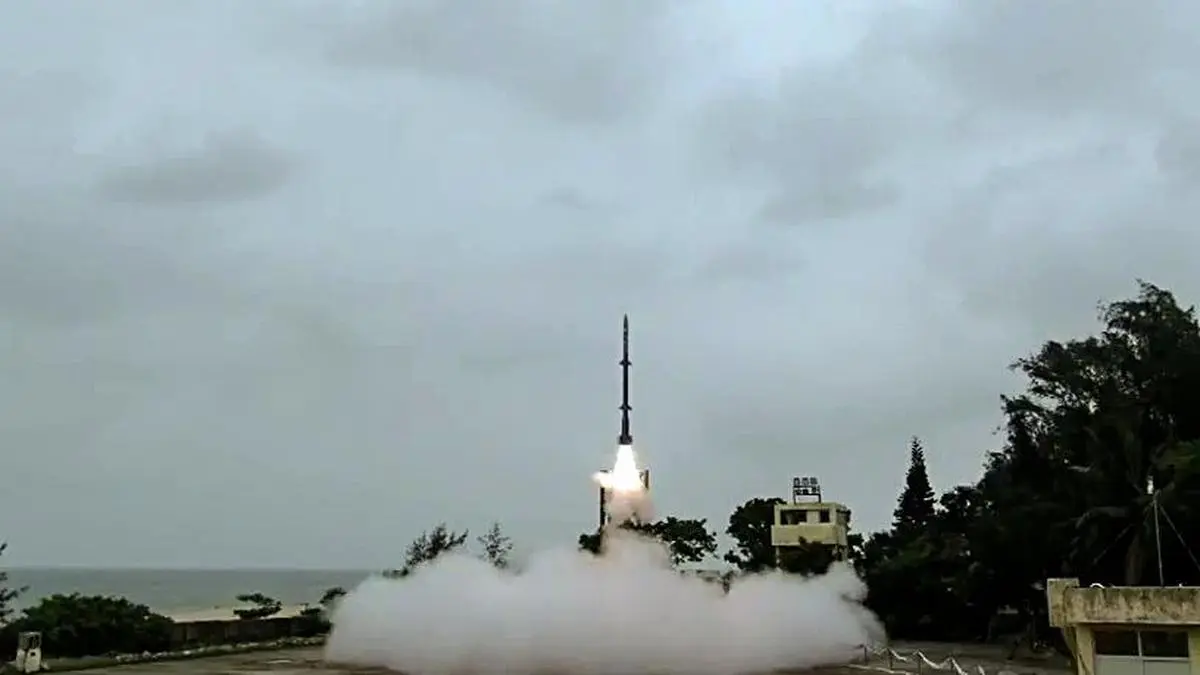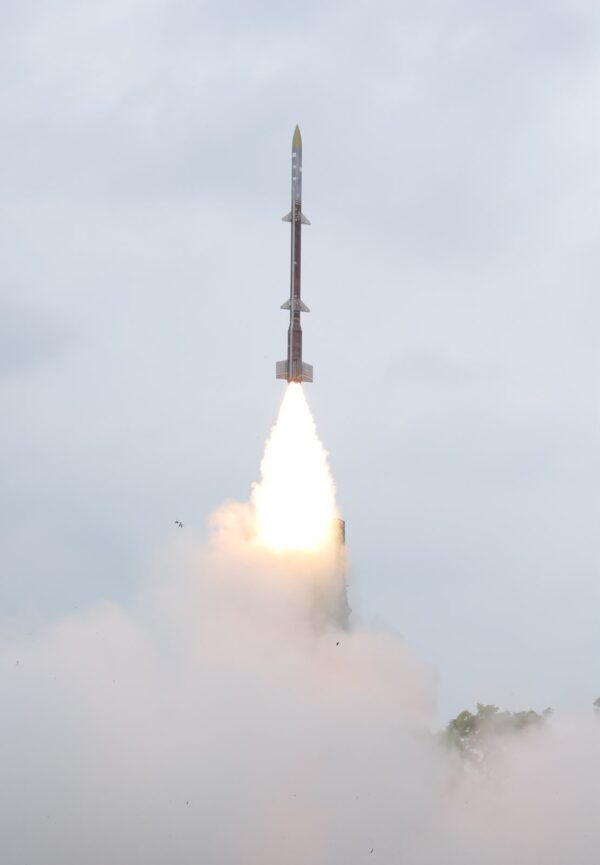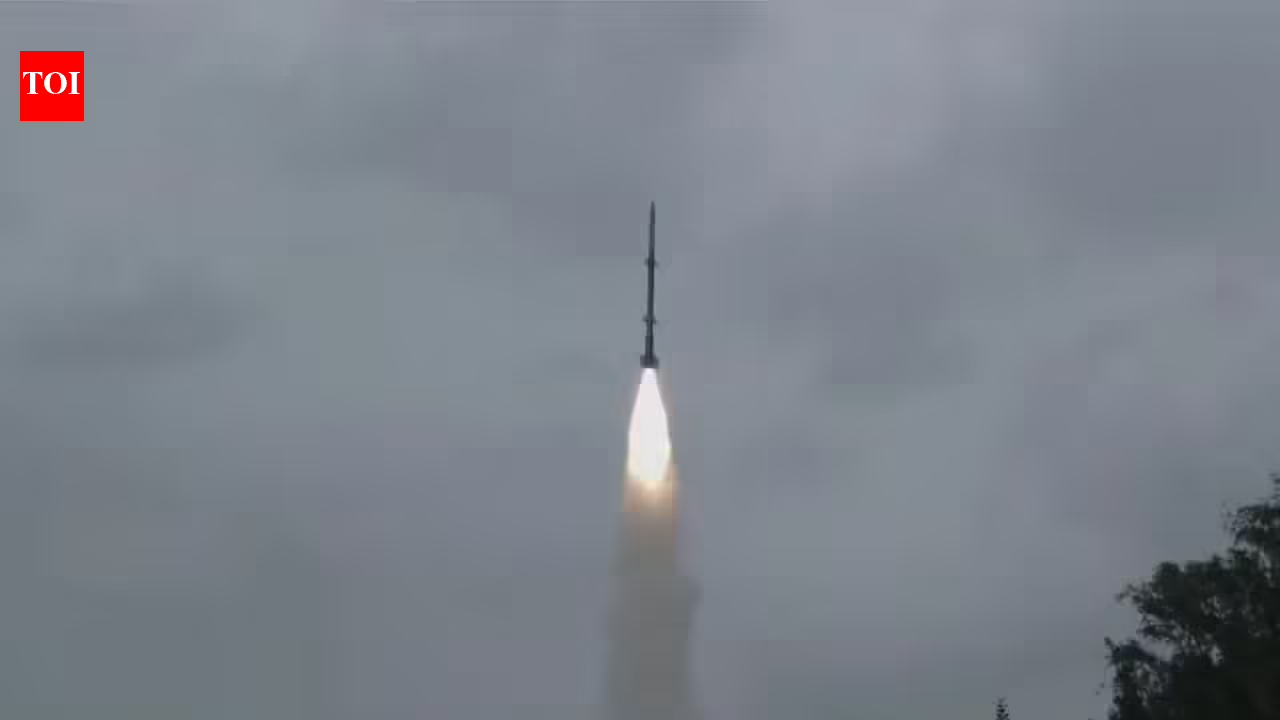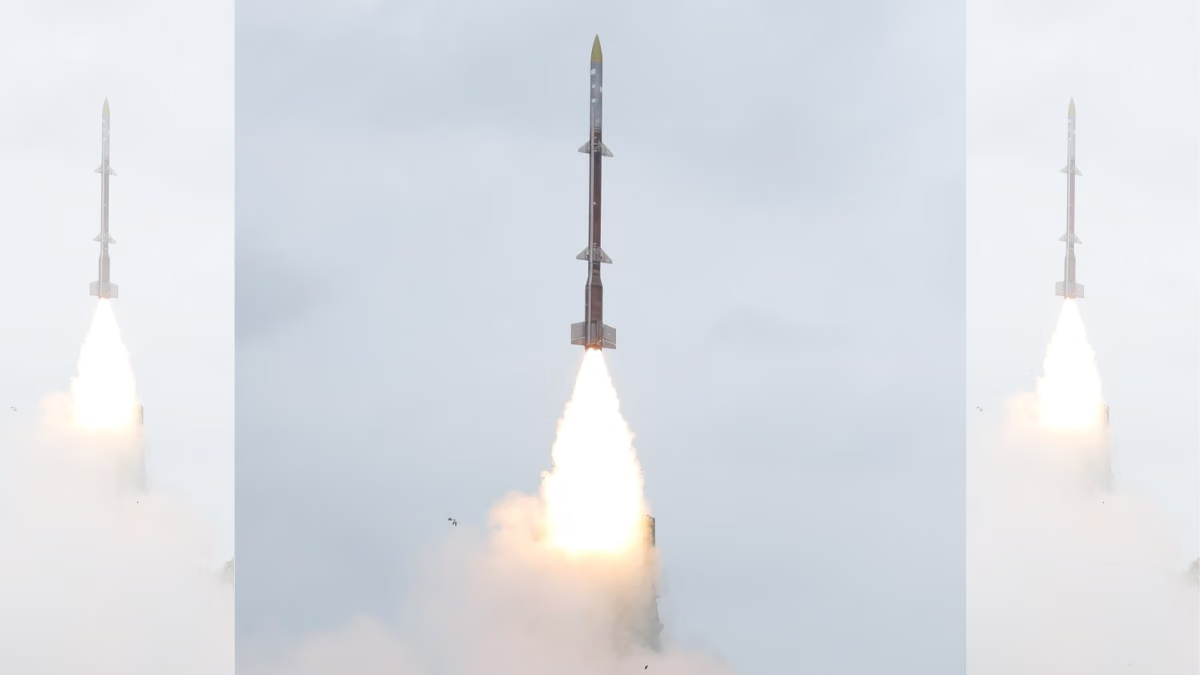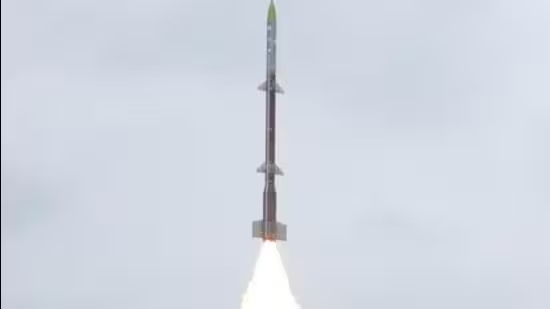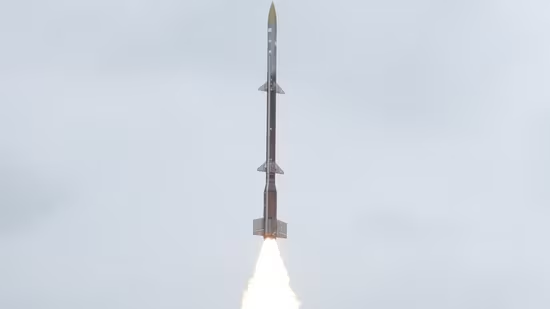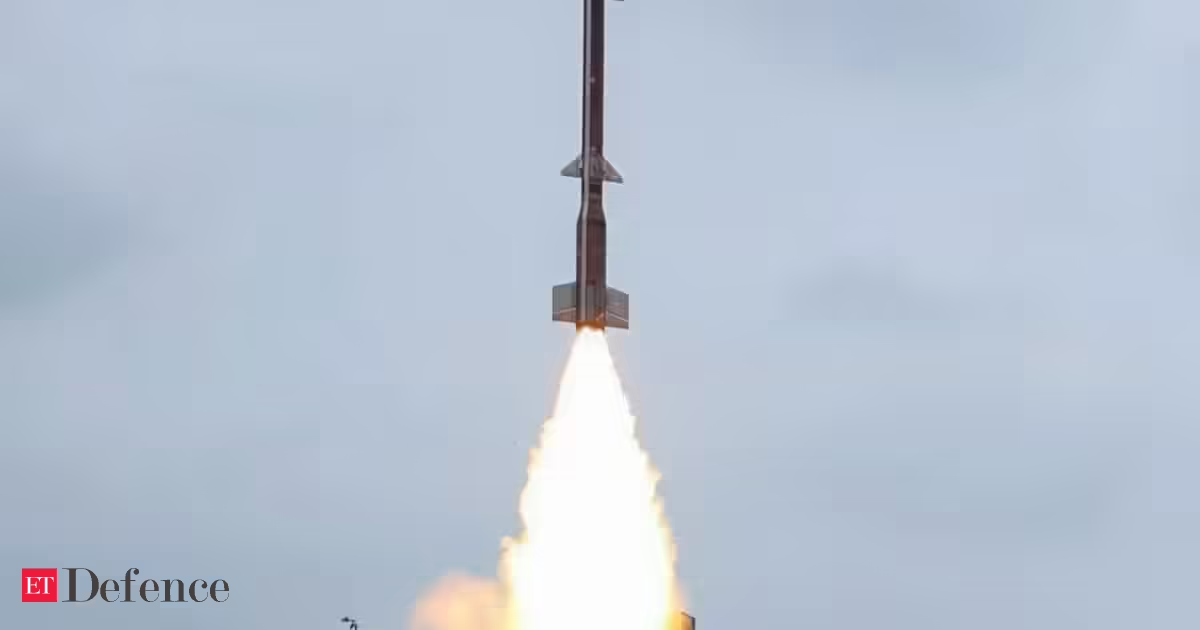
The Defence Research and Development Organisation (DRDO) on Wednesday successfully conducted the maiden flight test of the indigenous long-range surface-to-air missile (LRSAM) Kusha from APJ Abdul Kalam Island off the coast of Odisha, marking a key milestone in India's efforts to strengthen its air defence capabilities.The Kusha missile system is capable of neutralising a wide range of aerial threats, including fighter aircraft, missiles, unmanned aerial vehicles (UAVs) and large enemy aircraft across a broad range and altitude envelope.Defence Minister Rajnath Singh hailed the successful trial, saying it marked an important milestone in India's defence research and development."The capability in developing a long-range surface-to-air missile system is possessed only by a handful of nations. This will also eliminate import dependency for such systems and signifies a giant leap in the nation's air defence capability," Singh said in a post on X.The successful maiden test is expected to bolster India's indigenous air defence programme by reducing reliance on imported long-range air defence systems while enhancing the country's ability to counter diverse aerial threats. The development also reflects the government's continued push for self-reliance in defence manufacturing under the Atmanirbhar Bharat initiative.Kusha is being developed as an indigenous long-range air defence system and is designed to provide layered protection against multiple airborne threats over extended ranges and varying altitudes. The successful maiden flight test marks a significant step towards its induction into the armed forces following further developmental trials.
DRDO successfully conducts maiden flight test of Kusha missile
India's Defence Research Organisation successfully tested its new long-range missile. The Kusha missile system can counter various aerial threats effectively. This successful trial marks a significant milestone for India's defence capabilities. It reduces import dependency and boosts self-reliance in defence manufacturing. The missile system will soon be inducted into the armed forces.
236 words~1 min read