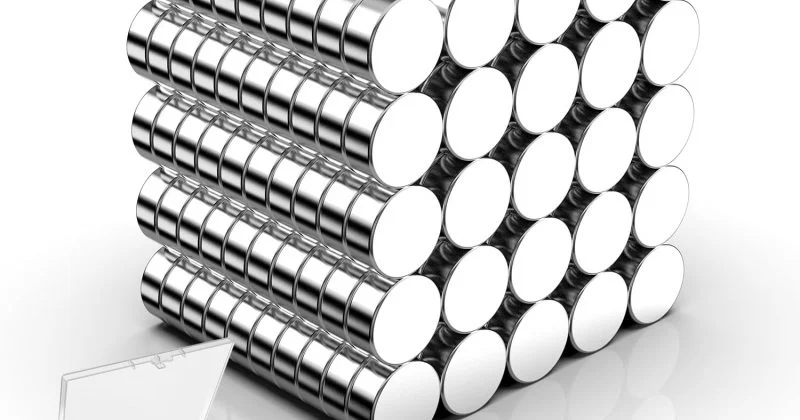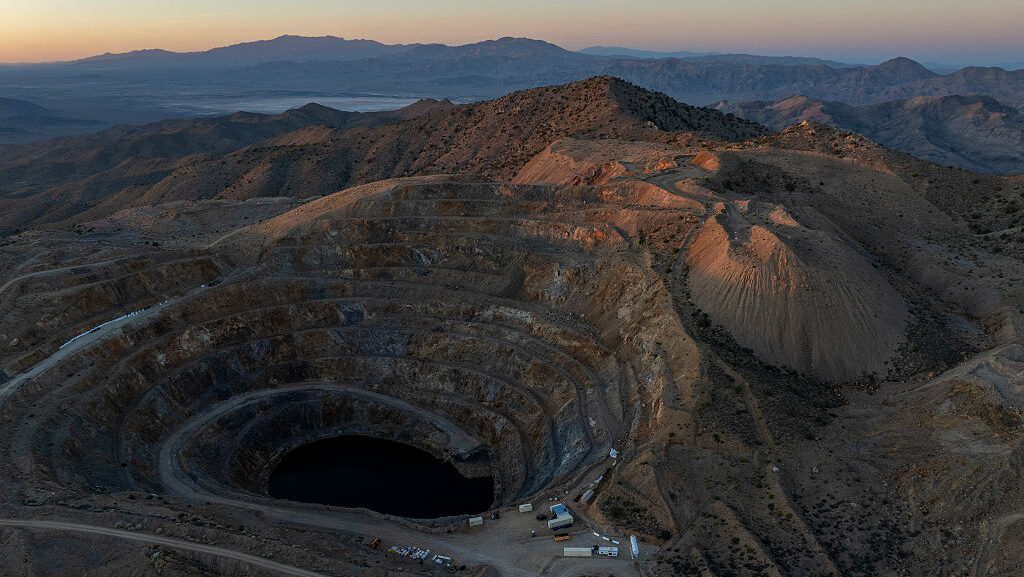
The US military has a magnet problem, and it is bigger than most people realize. Defense contractors are quietly sounding alarms about a January 1, 2027 deadline that will prohibit sourcing rare earth magnets from China, Russia, Iran, and North Korea. The catch: domestic production is nowhere near ready to fill the gap.
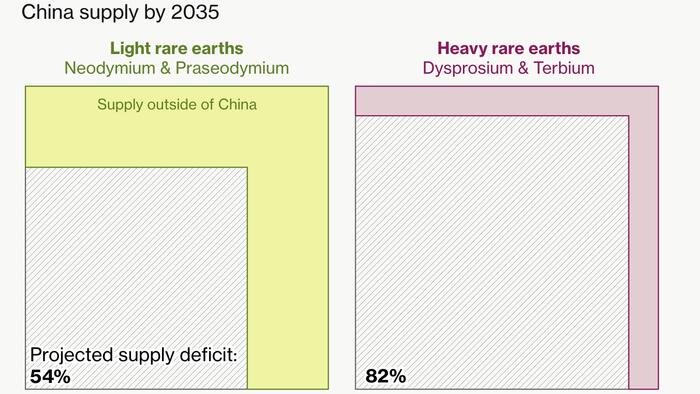
The numbers tell the story bluntly. US demand for neodymium-iron-boron magnets, the kind used in everything from missile guidance systems to fighter jet motors, runs at roughly 48,000 metric tons per year. Domestic supply in 2025 sat at just 300 metric tons. Even with aggressive scaling, US output is projected to reach only about 5,000 metric tons by early 2026. That is still a shortfall of more than 40,000 metric tons heading into a hard compliance deadline.
Why 2027 is the cliff edge
The rule in question sits inside the Defense Federal Acquisition Regulation Supplement, known as DFARS. Starting January 1, 2027, any Pentagon supplier caught sourcing covered magnets from adversarial nations faces contract disqualification. Recent executive orders have tightened enforcement further, limiting the waivers that previously gave contractors breathing room.
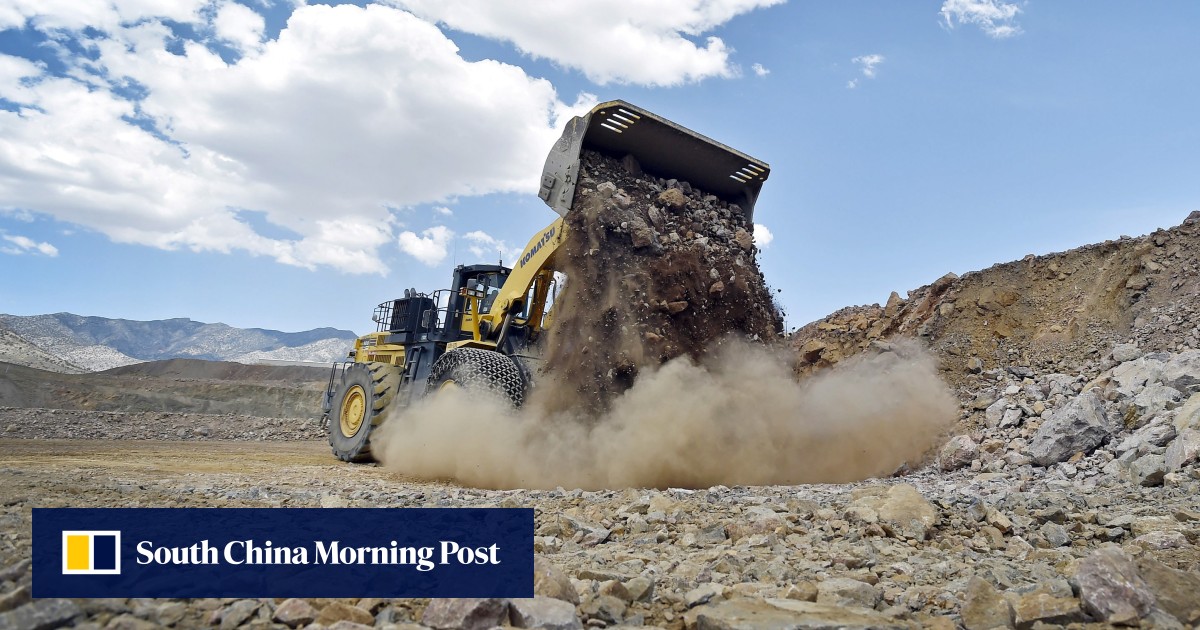
Companies like MP Materials and Evolution Metals are working to build out non-Chinese magnet production. MP Materials operates the Mountain Pass mine in California, the only active rare earth mining and processing facility of scale in the US. But mining ore is different from manufacturing finished magnets, which requires a separate, capital-intensive processing chain that the US has largely offshored over the past three decades.