Support CleanTechnica's work through a Substack subscription, on Patreon, or on Stripe. Help us produce all of the high-quality, original content we publish week after week despite the challenges of content-scraping AI, antisocial media, inflation, and other hurdles.
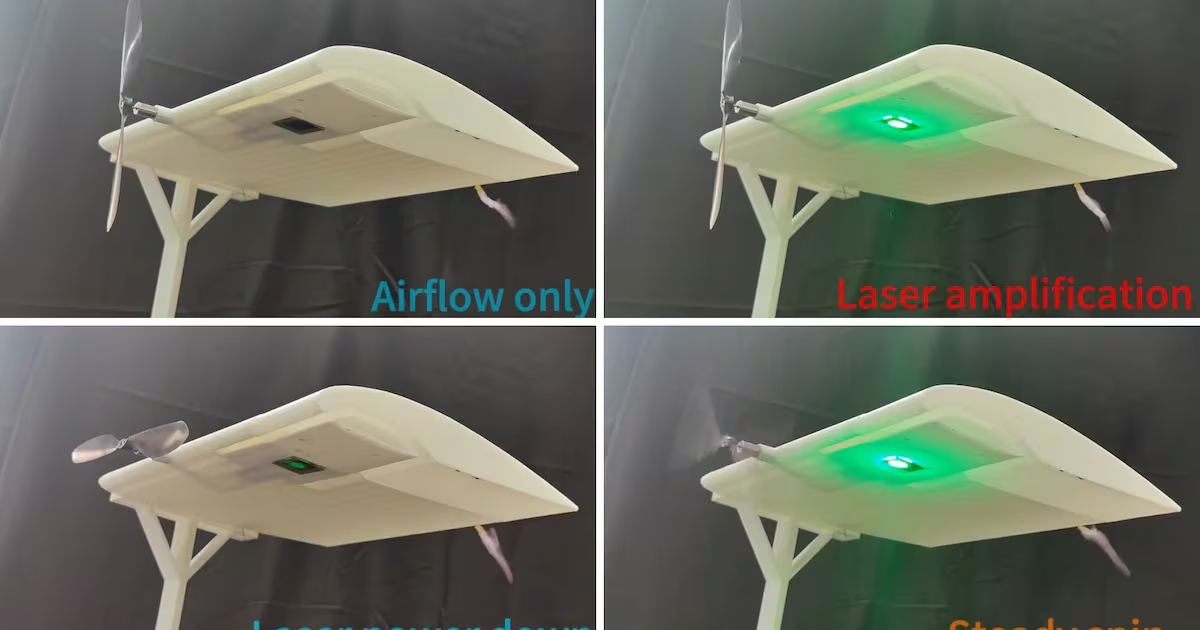
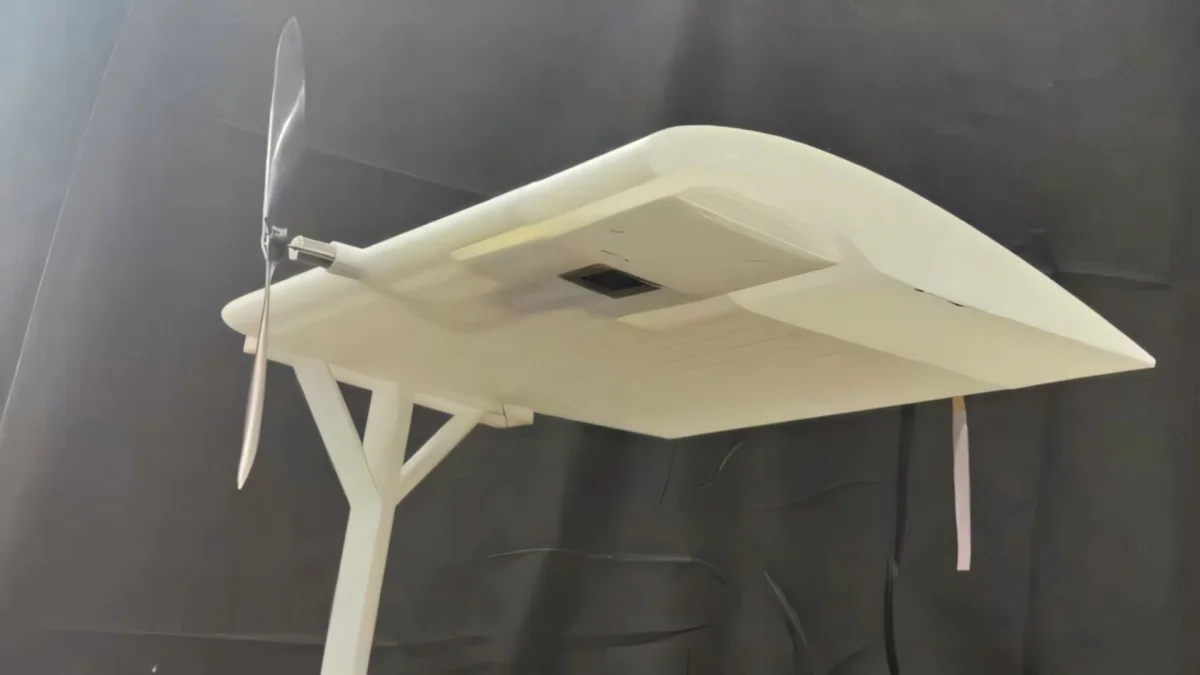
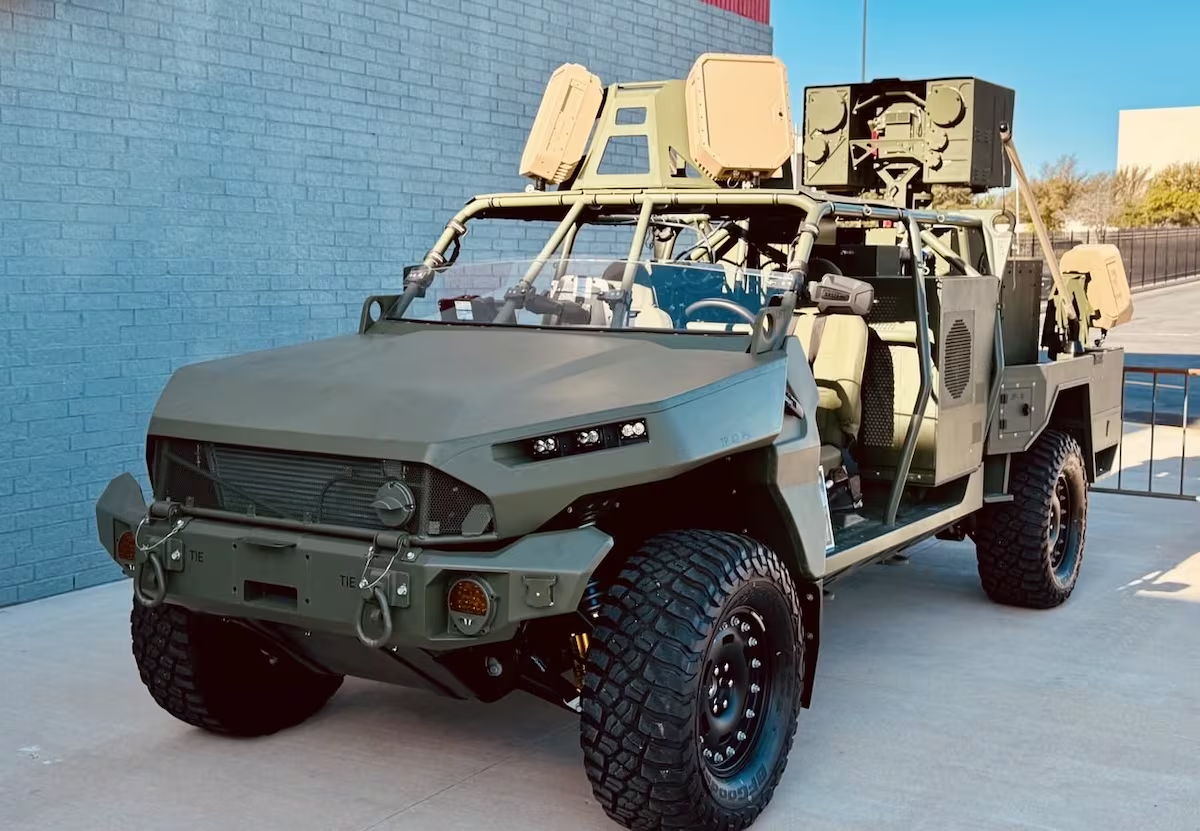
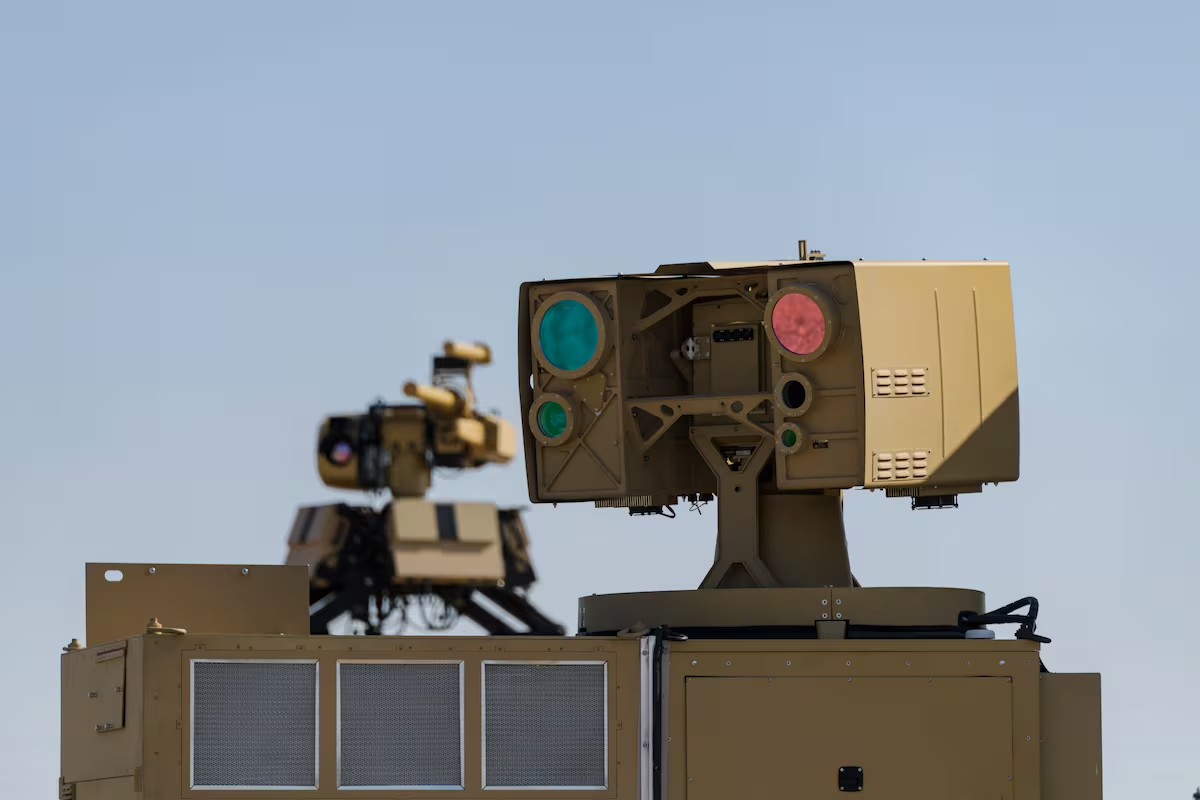
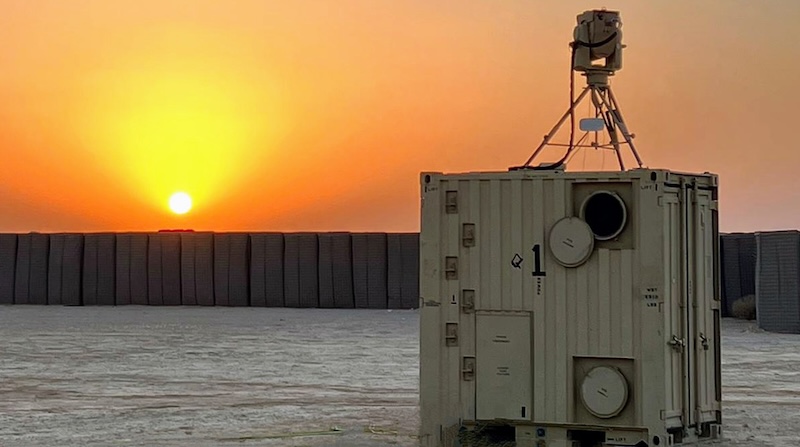
The US military has been a leading funder of solar cell research since the early 2000’s, branching out into the related areas of microgrids, distributed energy resources, transportable power systems, and other key elements of the electrification movement. In the latest development in that area, the Naval Research Laboratory is supporting an inter-service collaboration aimed at deploying an existing laser weapon for wireless power transfer over long distances.
The Laser Beam Journey
Those of you familiar with the household microwave oven, disposable menstrual pads, and GPS may recognize the connection. These are among the everyday products and systems that slipped into the civilian market alongside military deployment, either directly through the work of Department of Defense scientists and engineers, or by virtue of the purchasing power of the US military.
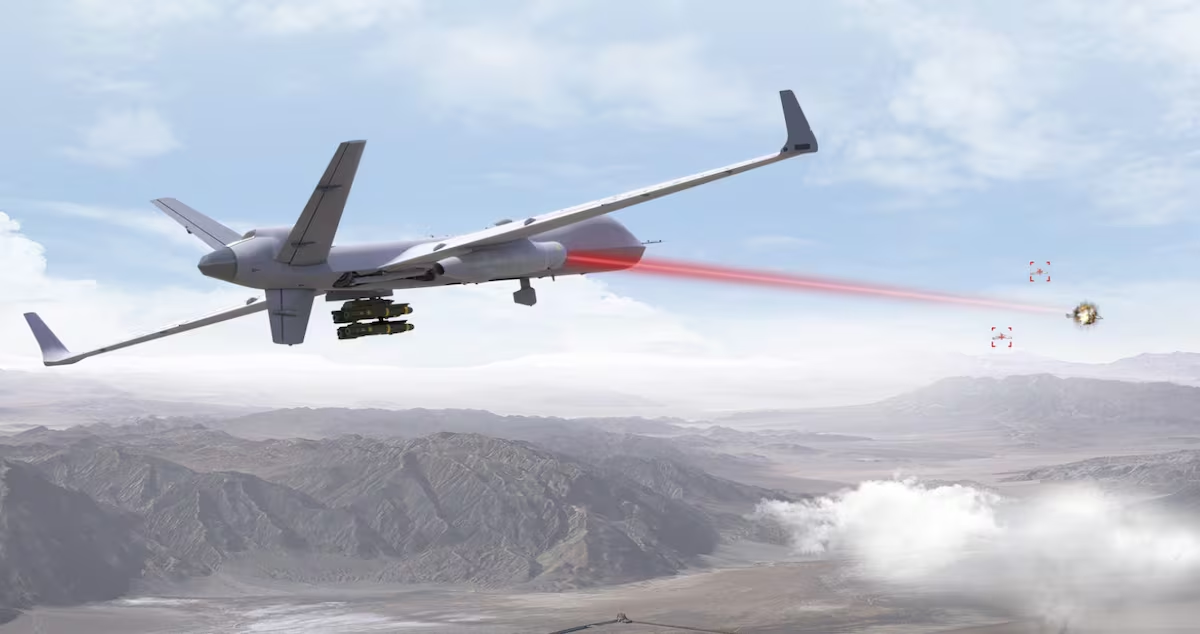
Beating swords into plowshares is a whole ‘nother can of worms (see Nuclear: Fukushima), but the US Naval Research Laboratory has spotted an opportunity to dual-purpose laser weaponry for wireless power transfer, a capability that could help fill gaps and alleviate bottlenecks in civilian energy systems.