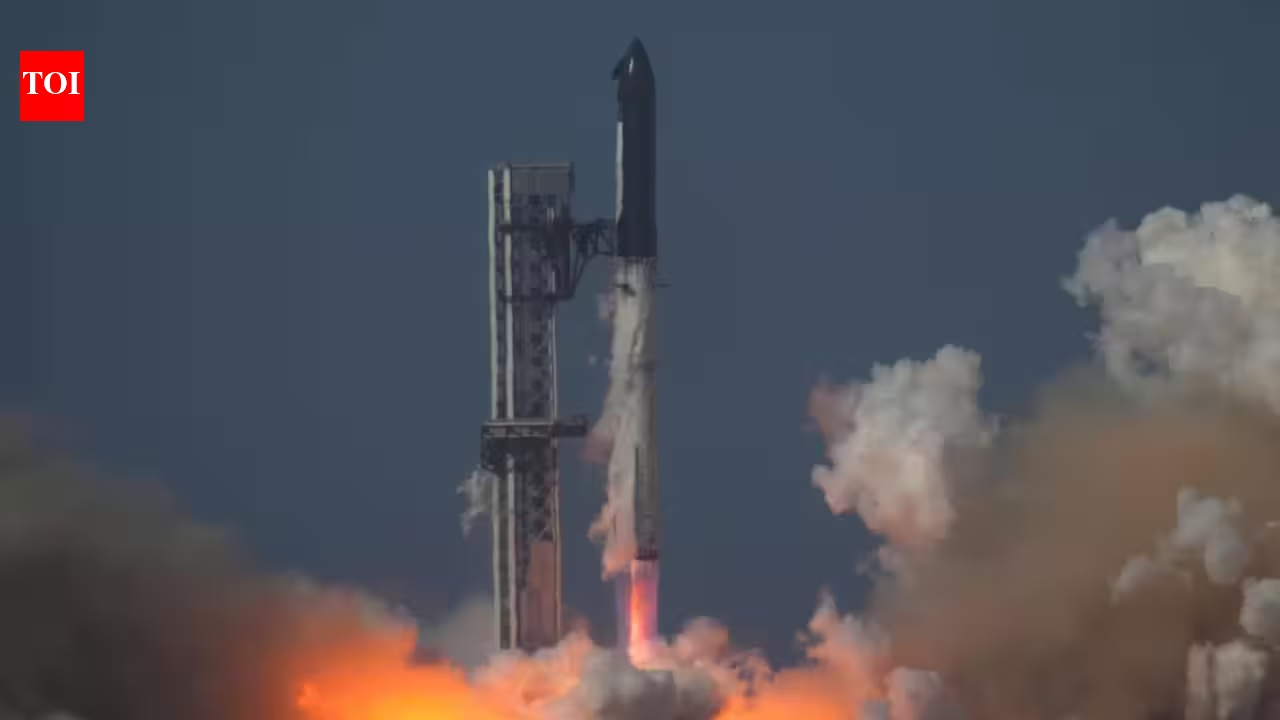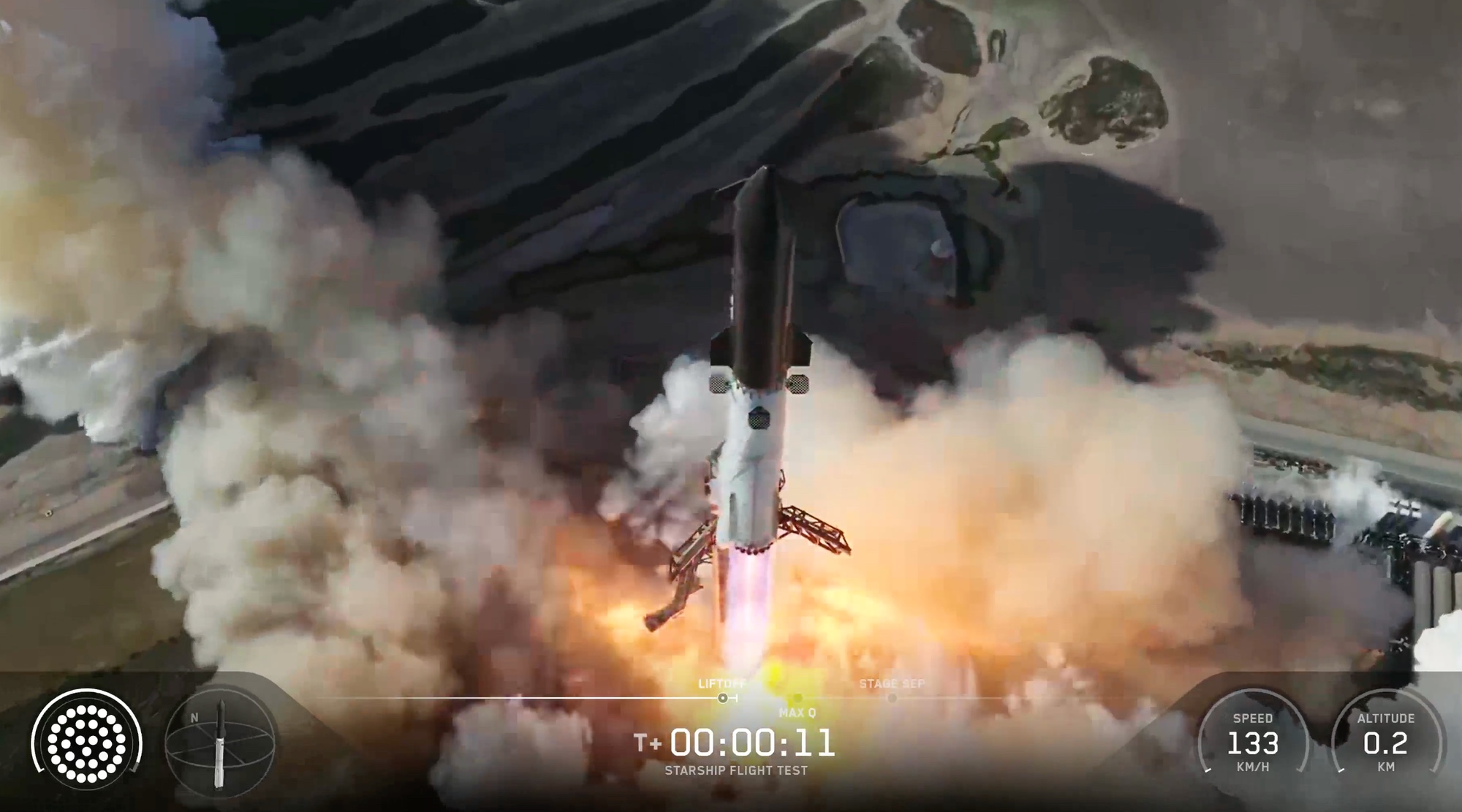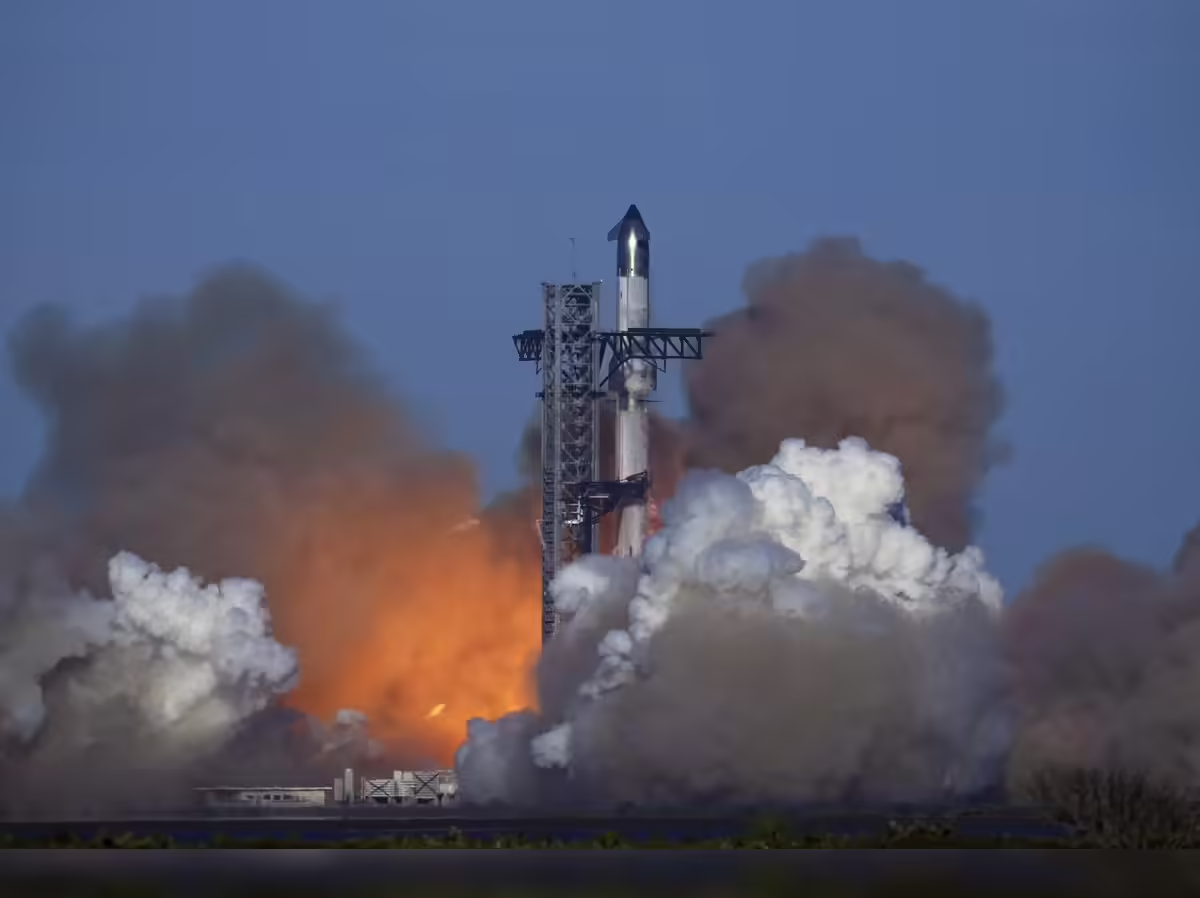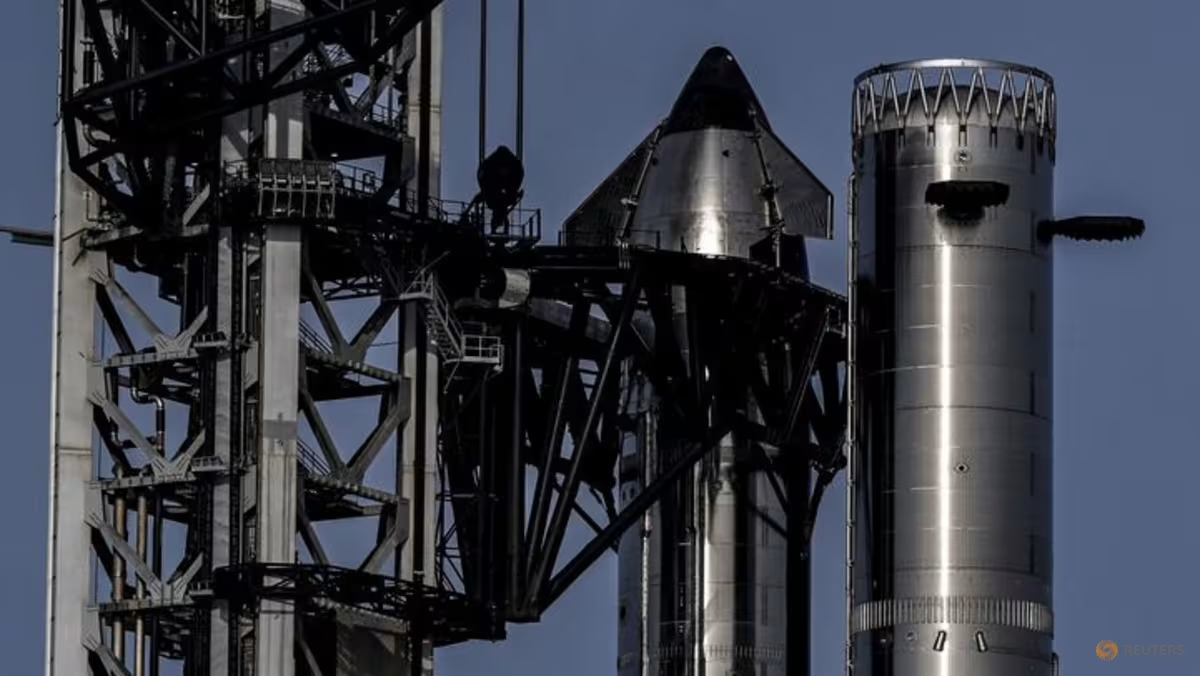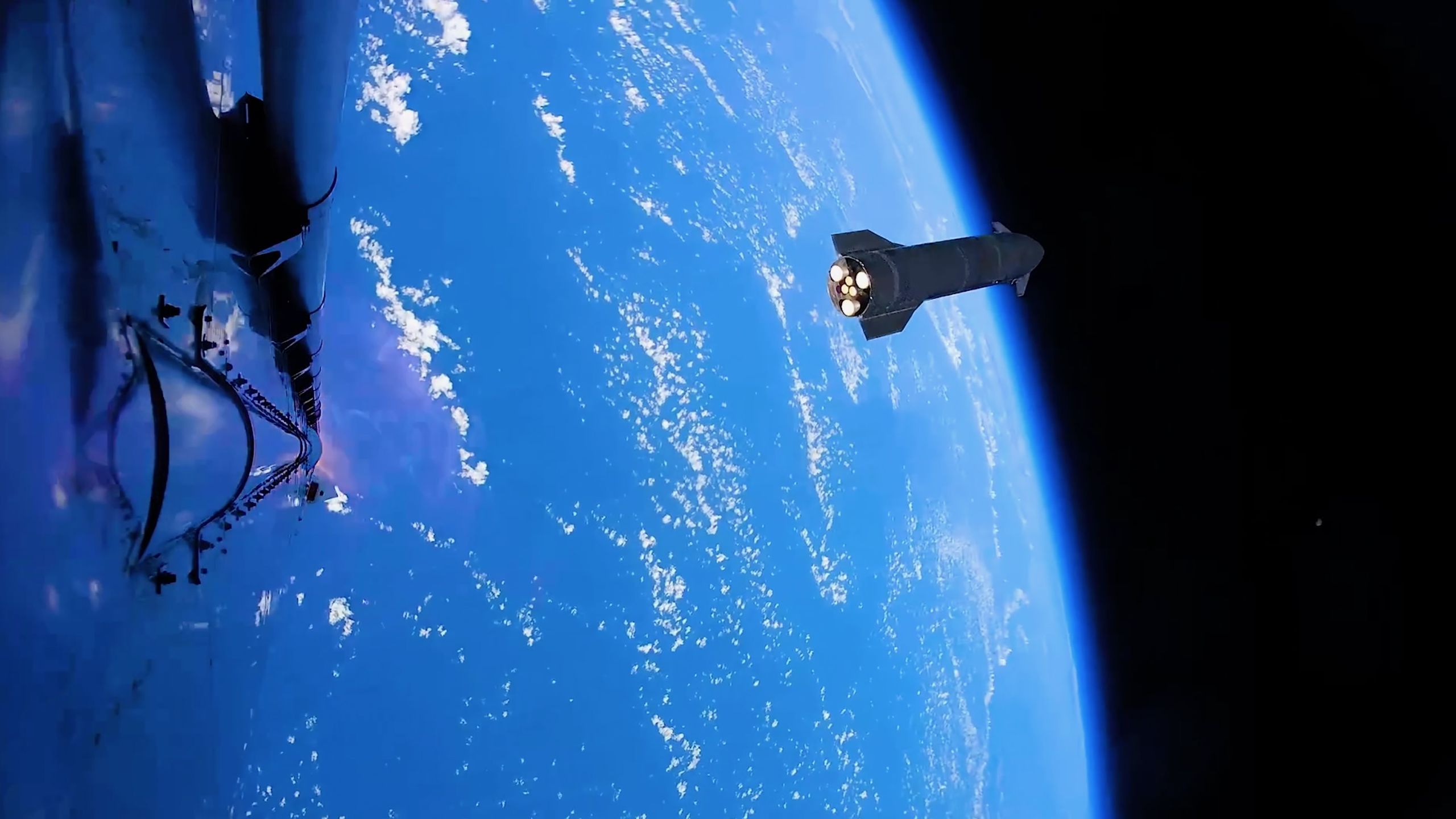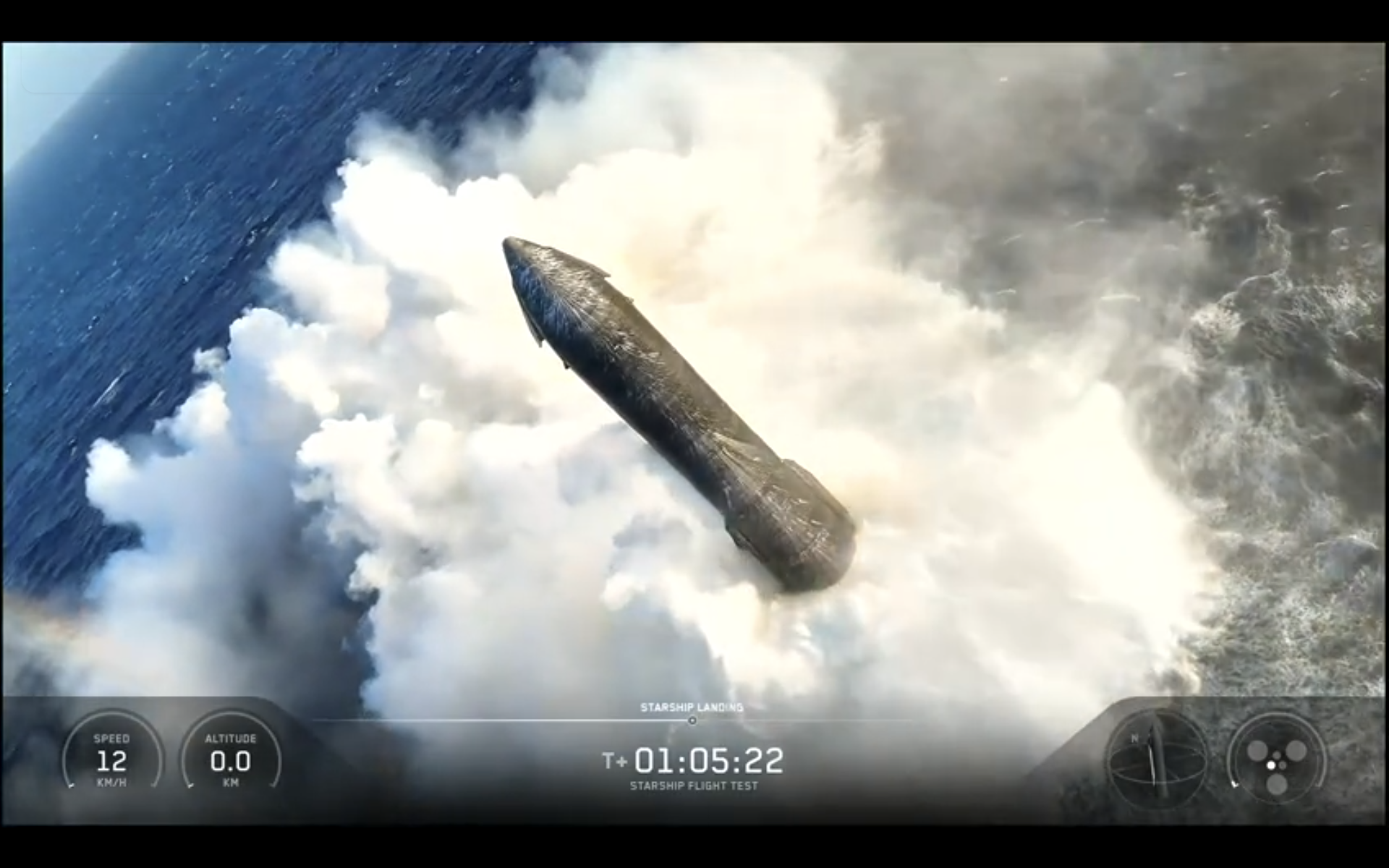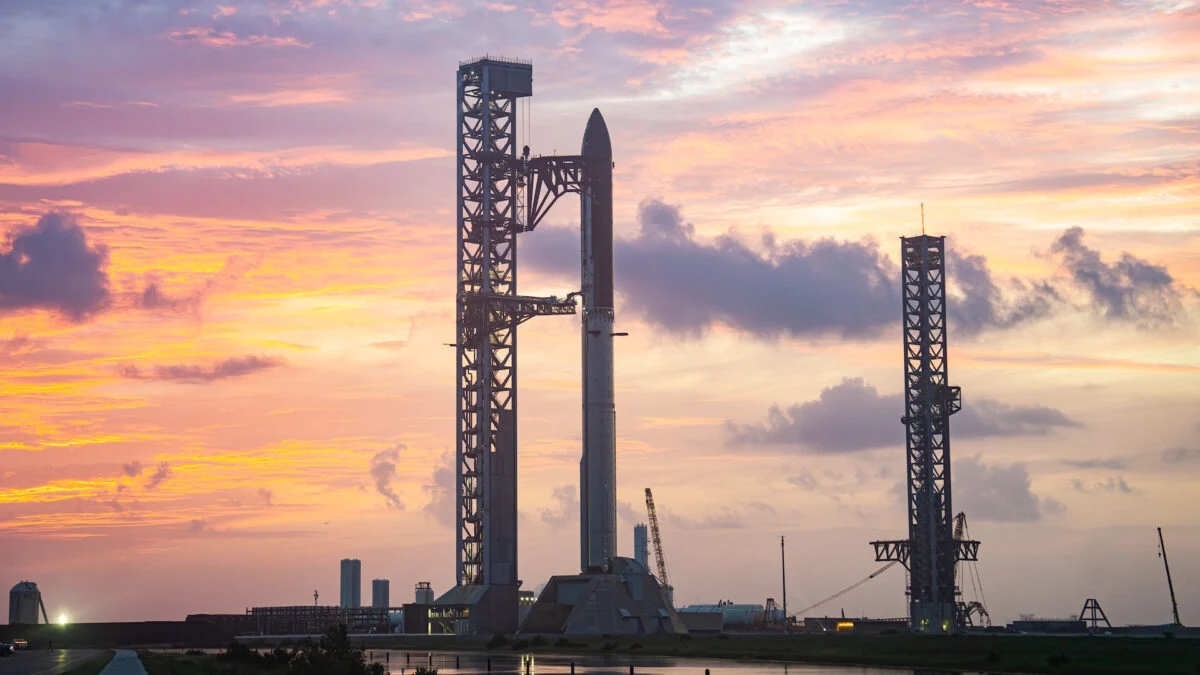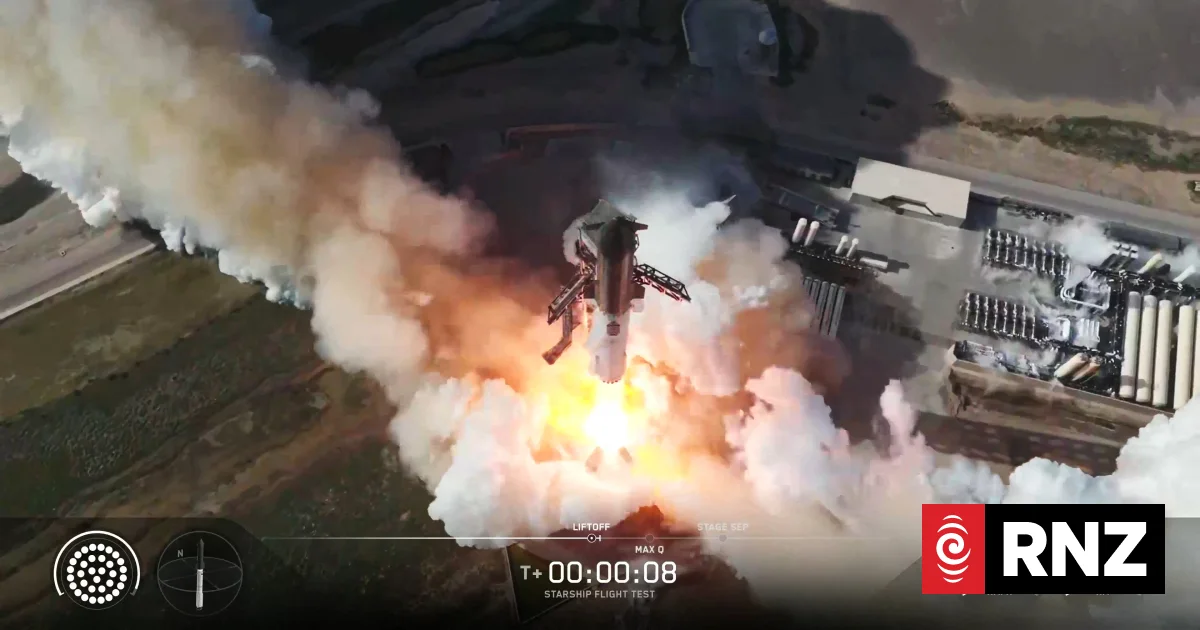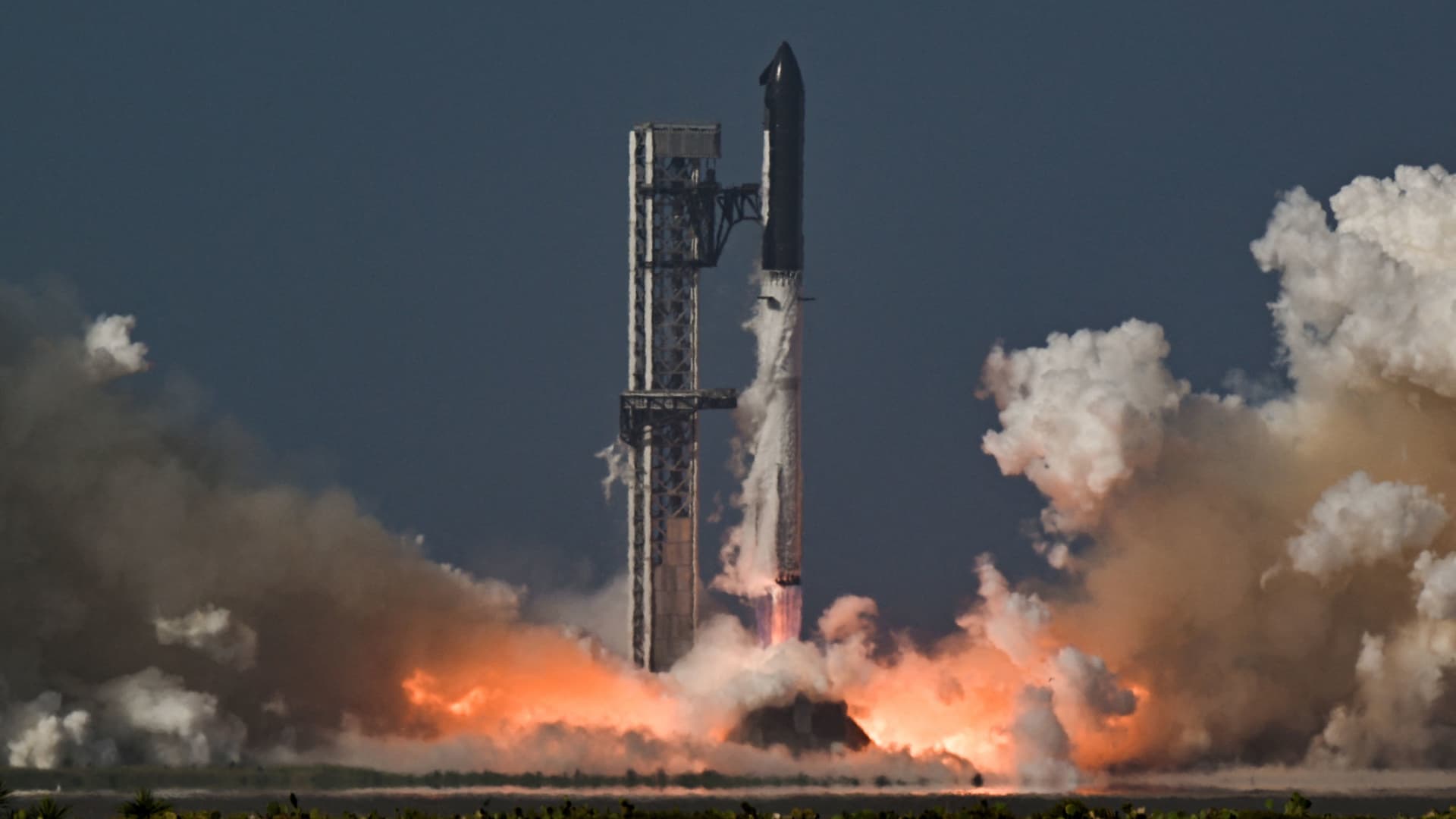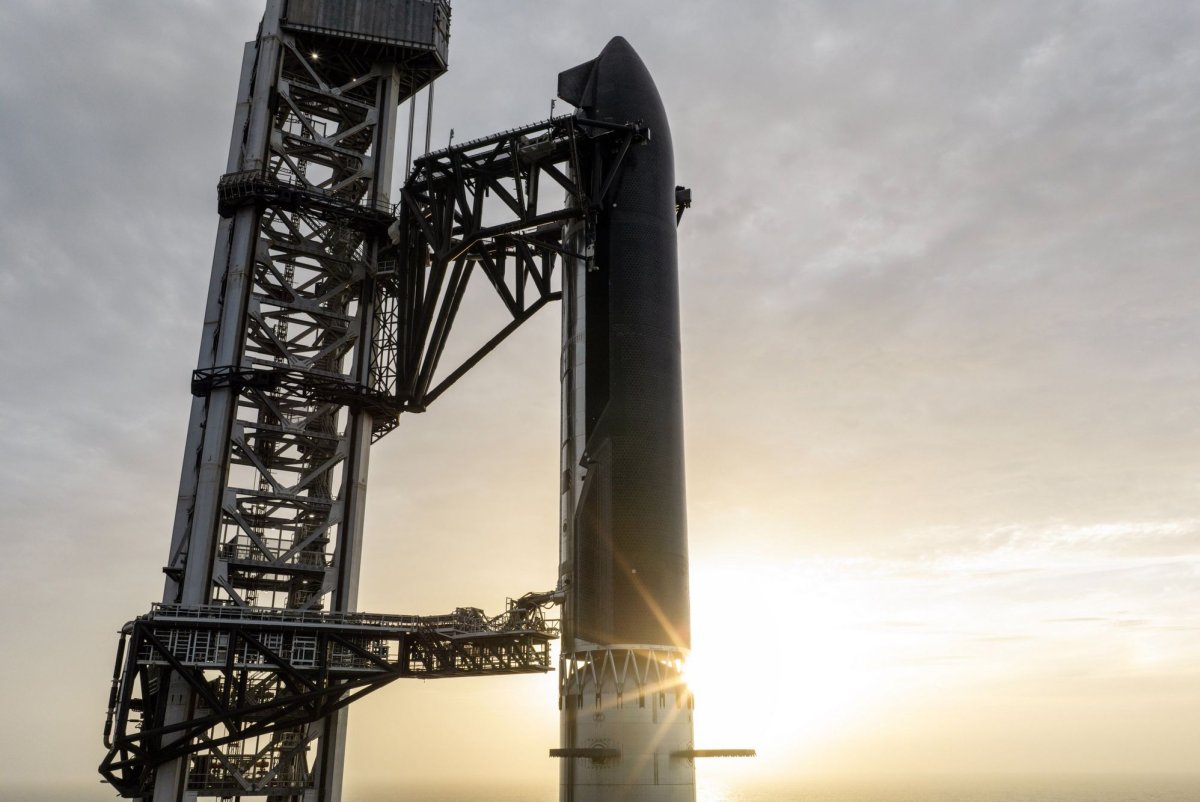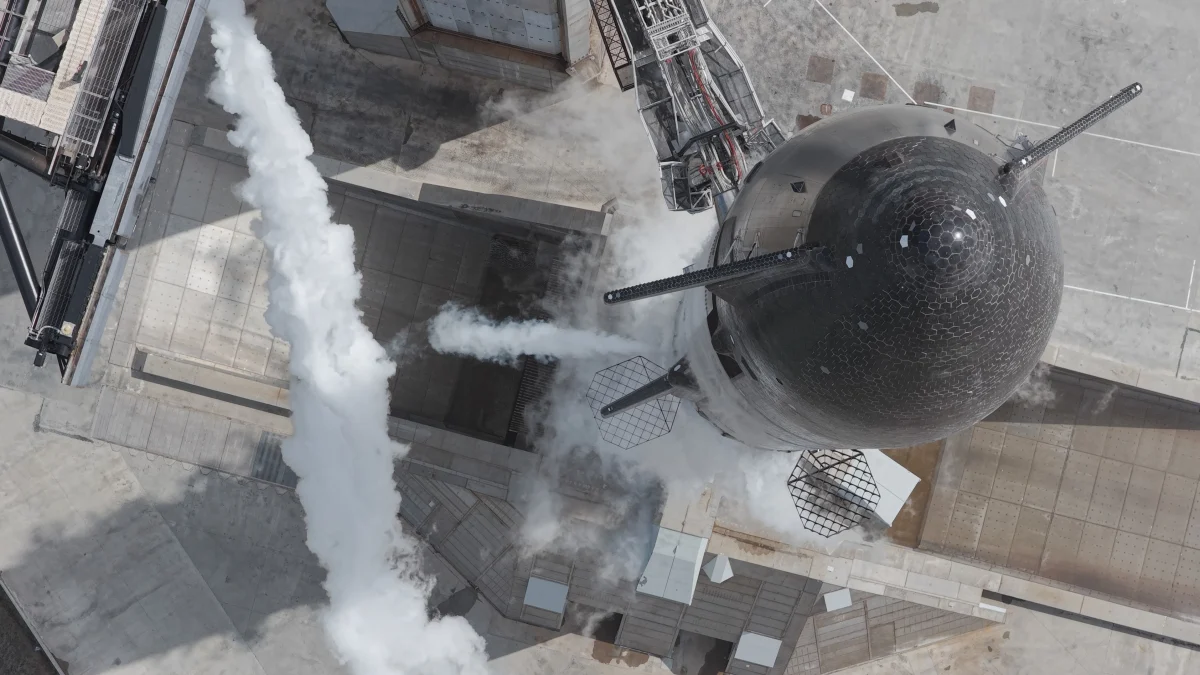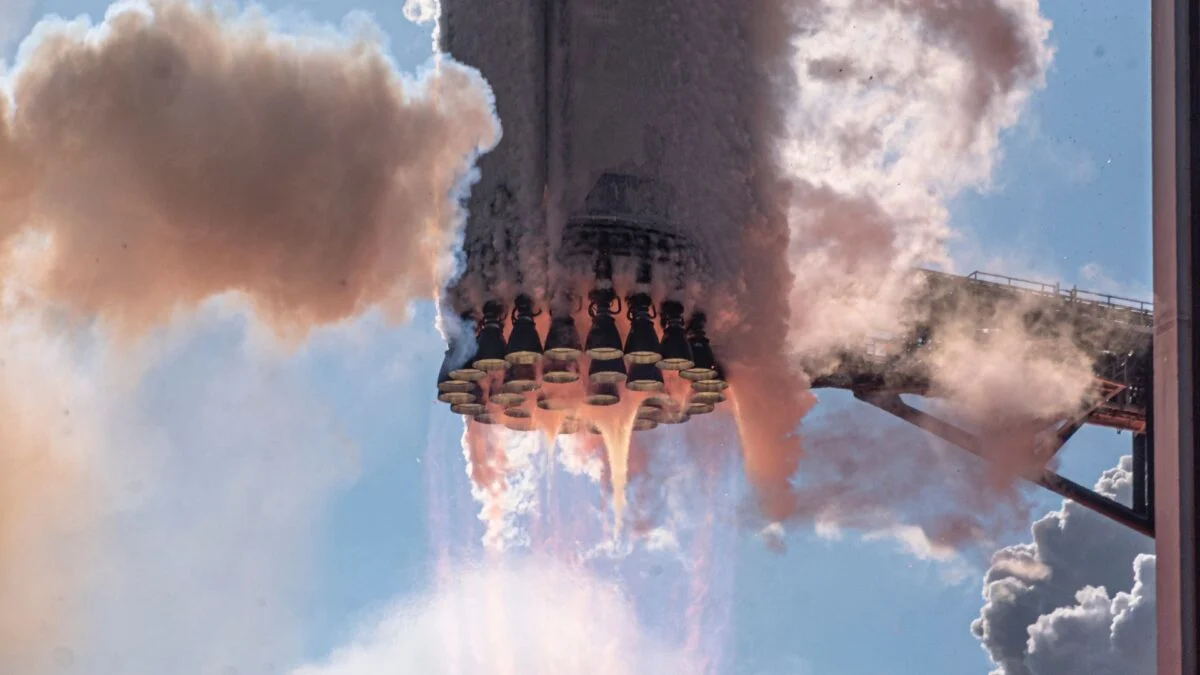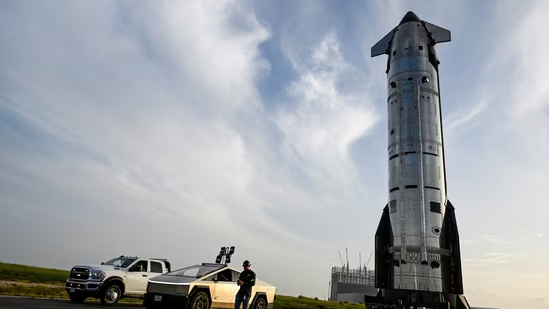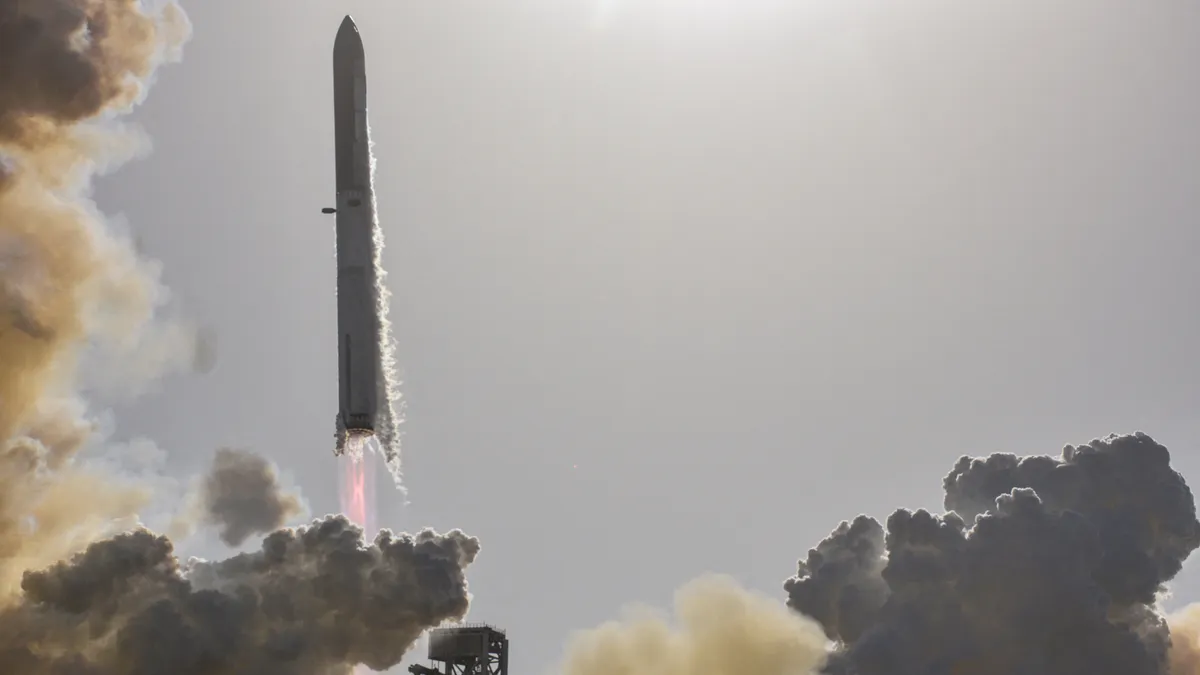
SpaceX launched its Starship rocket on a successful test flight from South Texas known as flight 13.If you were busy over the weekend, you may have missed the world's largest rocket launching on its latest test flight.SpaceX, the commercial spaceflight company founded by tech entrepreneur Elon Musk, got its towering Starship rocket off the ground for just the second time in 2026 from South Texas. For about an hour, the vehicle soared in space halfway around the world in a vital test mission coming as SpaceX races to have Starship ready for NASA's upcoming moon landing missions.Farther down the road, Musk also has dreams of using Starship on humanity's first interplanetary missions sending the vehicle with people aboard to colonize Mars.Engine troubles and poor weather may have forced two delays of Starship's 13th overall flight test, but the launch ended up marking one of the vehicle's most successful missions to date.Want to catch up with the Starship launch after the weekend? Here's what you missed.SpaceX launches Starship V3 on 13th flight testSpaceX was initially working toward a July 16 launch of Starship on its second flight test of 2026 before the mission was twice delayed. The first delay was for a week when several engines failed to start, and then a second scrub came July 23 when Tropical Storm Bertha brought poor weather to Texas.But the rocket finally go off the ground at 6:51 p.m. ET Friday, July 24, from SpaceX's Starbase company town and headquarters near the U.S.-Mexico border.The craft's 236-feet-tall first-stage booster known as Super Heavy fired all 33 of its third-generation Raptor-class engines to propel the rocket over the Gulf of Mexico, renamed in the U.S. under executive order as the Gulf of America, SpaceX said on its website.The ensuing one-hour flight test then marked a noted improvement over the previous demonstration in May, which saw the debut of the third-generation prototype of Starship. Standing at 407 feet tall when fully stacked, the new iteration of Starship – known as Version 3, or V3 – is the largest and most powerful rocket SpaceX has ever launched since Starship testing began in April 2023.The latest Starship launch was the 13th integrated test of the massive rocket, which is why SpaceX refers to it as "flight 13."Super Heavy booster makes 'hard splashdown' off Gulf Coast near TexasAfter providing the initial burst of thrust at liftoff, the Super Heavy booster separated from the upper-stage to make a landing in the Gulf.While the booster was able to make a controlled landing, SpaceX spokesman Dan Huot noted during livestream coverage that it was traveling faster than intended and made what the company later referred to as a "hard splashdown."The trouble arose when five of its engines failed to relight to slow the booster for a landing burn, Reuters reported, citing a graphic on the livestream."We were targeting a softer splashdown, and as you saw it came in with quite a bit of velocity still,” Huot said during the livestream.Starlink satellites successfully operate in spaceAfter stage separation, the 171-feet-tall upper-stage of the Starship spacecraft ignited its own six Raptor engines to fly for about an hour in space.The vehicle also successfully deployed 20 third-generation Starlink satellites, which are larger and more powerful than the nearly 11,000 broadband internet satellites SpaceX already operates in low-Earth orbit. While the satellites were not designed to stay in space, they did manage to communicate with the rest of the Starlink network before they burned up in Earth's atmosphere, SpaceX said.The milestone comes after SpaceX has deployed mock satellites on previous tests and paves the way for the company to expand its Starlink network in the future by using Starship to deploy the technology.Upper stage of Starship lands intact in Indian OceanDuring the flight, the upper-stage also reignited a single Raptor engine for the fourth time ever in space (and the first since October) in a maneuver necessary to not only allow it to change its orbital trajectory, but bring the vehicle back to the ground.The Starship spacecraft then reentered Earth’s atmosphere and guided itself using its four flaps to come down upright in what SpaceX said was a "soft" water landing in the Indian Ocean. Rather than exploding, as has previously happened, the vehicle managed to remain intact, providing critical views of how well its heat shield help up – a development Musk celebrated on social media site X.See photos of flight 13NASA's Jared Isaacman praises Starship launchIn a nod to Starship's importance to NASA's future human moon landing missions, NASA Administrator Jared Isaacman shared an image of the liftoff with the moon visible in the background.“Pretty clear from this shot that SpaceX knows where we are going!" Isaacman said. "When Starship comes online, its capabilities will be game-changing, not least of which will be ensuring we never give up the Moon again!"SpaceX develops world's largest rocket for moon, MarsSpaceX is developing the rocket to be a fully reusable transportation system, meaning both the rocket and vehicle can return to the ground for additional missions.Musk's vision has long been for Starship to be an interplanetary vehicle that takes humans to Mars, where they can establish a self-sustaining colony. While the world's richest man has indicated that SpaceX will focus on building a lunar city first, the company has already announced a human-led expedition to Mars' orbit – though it has not set a target date.SpaceX is also under contract with NASA to develop a lunar lander configuration of its Starship, known as the Human Landing System, to ferry astronauts to the moon under the U.S. space agency's Artemis program.But before those goals can be realized, SpaceX needs to demonstrate that Starship is capable of these three things:flying in orbit. So far, the upper-stage has cruised at lower suborbital trajectories;refueling mid-flight in a complex process that requires two Starships equipped with docking adapters to meet in orbit to transfer propellant;having an upper-stage capable of returning to the launch site, similar to how SpaceX has already demonstrated the ability for the Super Heavy booster to return and be caught by giant mechanical arms known as "chopsticks" on the launch pad.Contributing: ReutersEric Lagatta is the Space Connect reporter for the USA TODAY Network. Reach him at elagatta@usatodayco.com
Miss the Starship launch? Here's what SpaceX accomplished in flight 13
If you were busy over the weekend, you may have missed SpaceX's latest launch of its Starship rocket. Here's what to know about flight 13.
1,040 words~5 min read