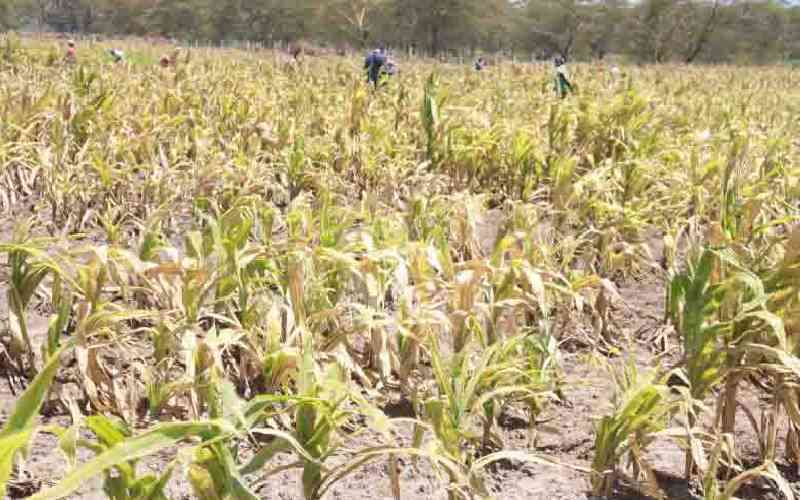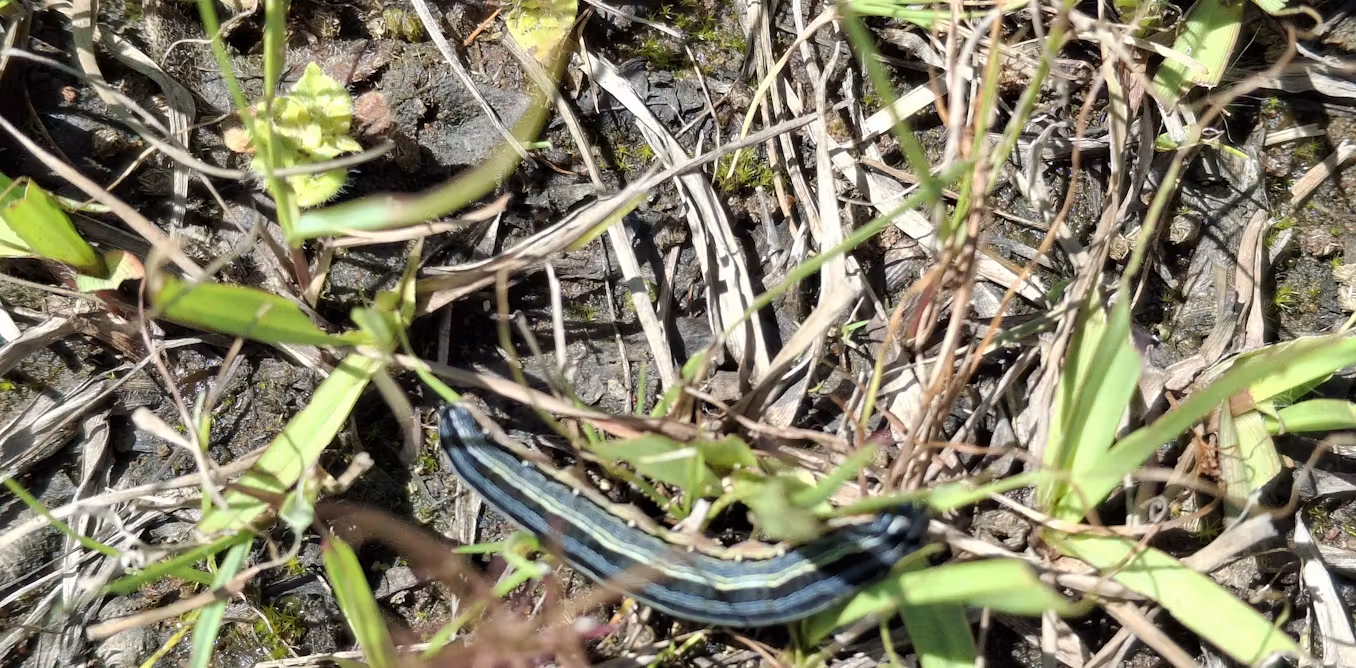
The African armyworm is a highly destructive migratory pest that damages maize, sorghum, millet and sugarcane. These caterpillars also cause indirect damage to livestock as they destroy grazing lands and pastures.
The last major outbreak of armyworm in southern Africa was from February to April 2025. It affected South Africa’s KwaZulu Natal, Limpopo, Gauteng and Mpumalanga provinces and neighbouring Zimbabwe.
Controlling armyworm has proved a major challenge. The most common method has been application of a pyrethroid based synthetic chemical insecticide. But the method has proved to be less effective in achieving complete control, as the insecticide is only effective against the larval instars (caterpillars) when they are about 1-5mm in length, as they are more susceptible to the poison than the grown larvae. The insect has a complete metamorphosis consisting of the egg, larvae (caterpillar), pupae and adult stage, which is a moth. The caterpillar stage is the most damaging stage.
I am an entomologist and my work focuses mainly on integrated pest management of economically important agricultural insect pests. Specifically, it looks at the use of disease-causing (entomopathogenic) fungi and nematodes as biological control agents of insects in agro-ecosystems. In a recent paper I set out my findings on a fungus that naturally infects and kills the larval instars of the African armyworm. This is the first report of the presence and successful isolation of the fungus in South Africa.