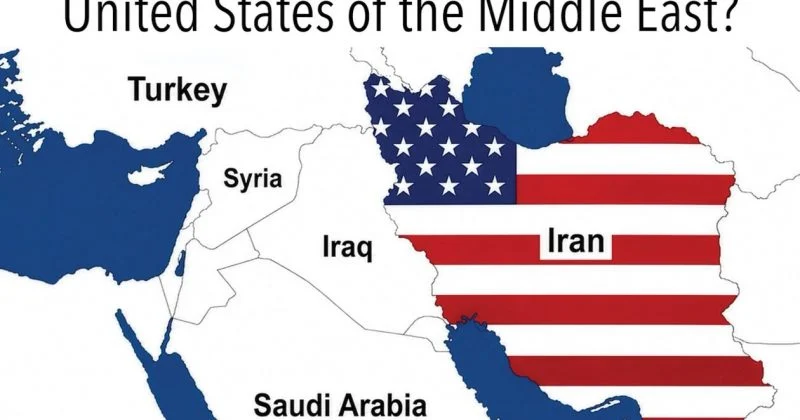
Iran’s rejection of two US demands during Islamabad talks highlights ongoing difficulties in reaching a diplomatic resolution between the two nations. The discussions, which are part of the broader ceasefire-linked negotiations following the 2026 Iran war, continue to face significant roadblocks, particularly concerning nuclear restrictions and regional security issues. Deputy foreign minister Kazem Gharibabadi said on Monday that Washington had warned negotiations would fail if Tehran refused to accept the demands. This latest development suggests that the diplomatic process is under strain, with potential implications for related geopolitical scenarios, including the status of the Iranian blockade.
The current pricing in prediction markets reflects this uncertainty. The probability of the US announcing an end to the Iranian blockade by July 31, 2026, has decreased to 10.5%, down from 22% just 24 hours prior. Similarly, odds for a US-Iran diplomatic meeting by the same date have also fallen, now standing at 5.5%. These market movements indicate a perceived setback in negotiations, as market participants adjust expectations based on recent developments.
Key Takeaways
Iran’s rejection of US demands appears consistent with ongoing negotiation challenges, particularly regarding nuclear and regional security issues.