Listen
/
1.0x
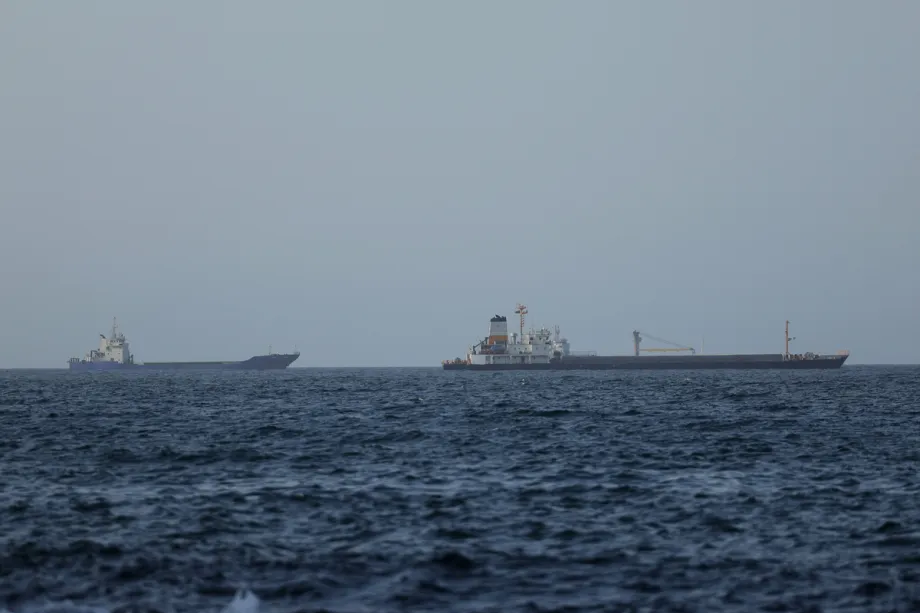
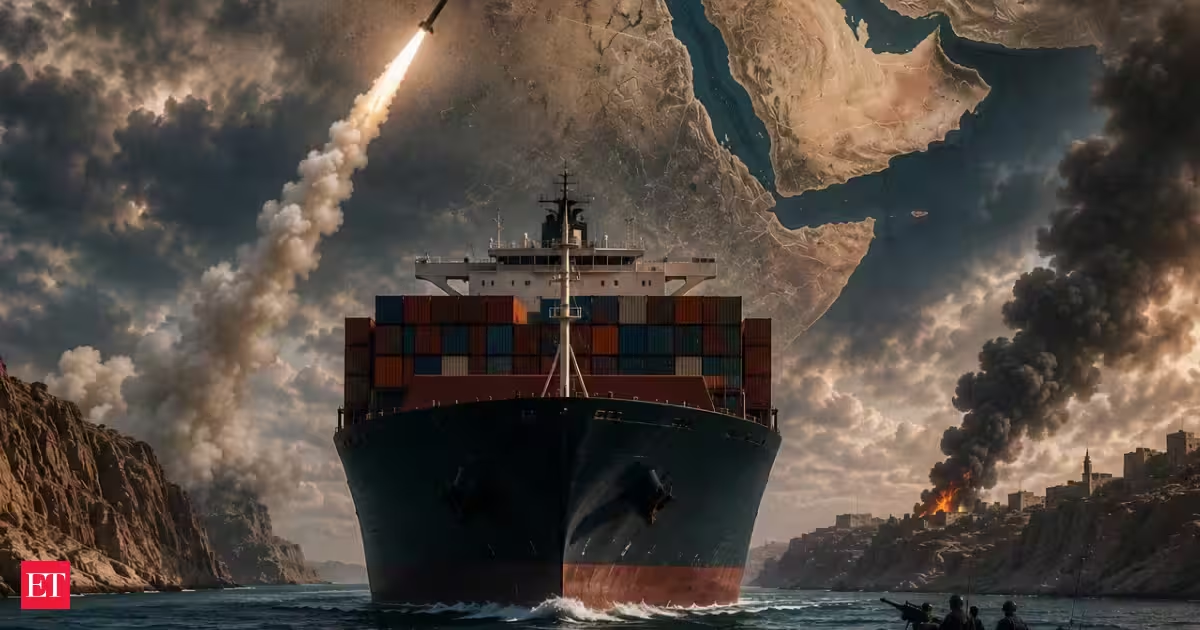
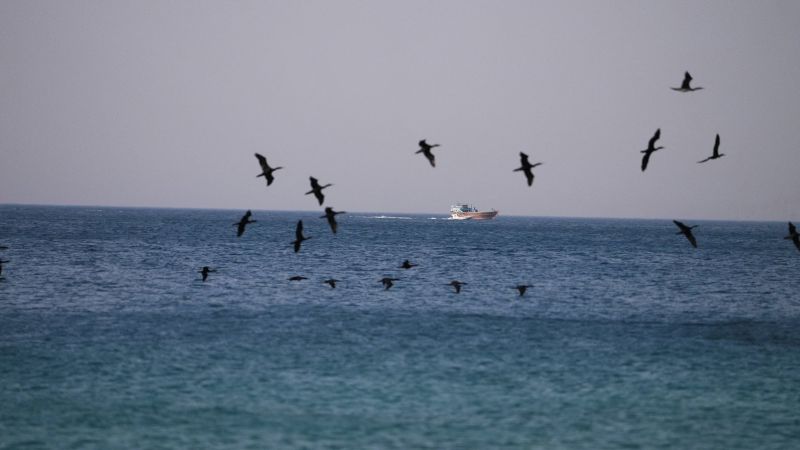
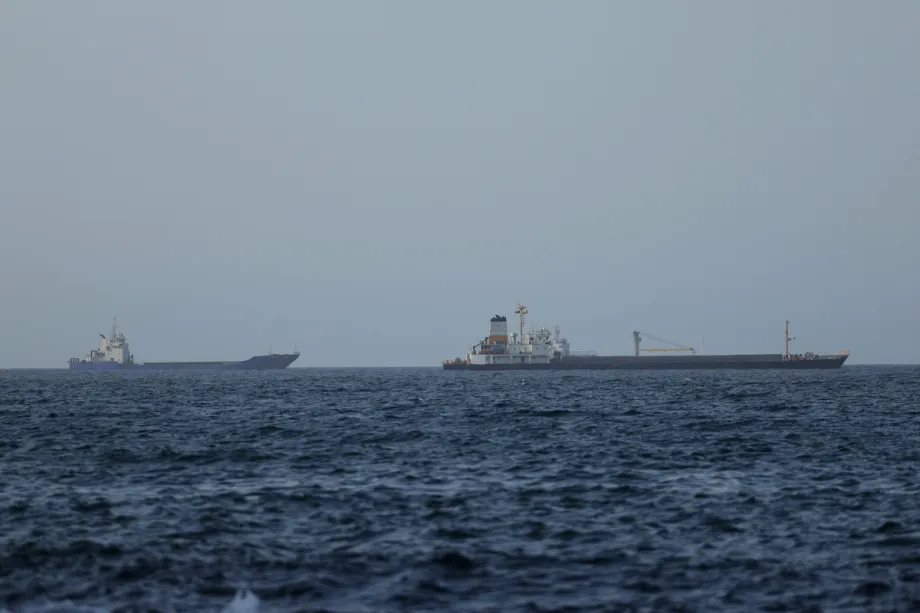
From attacks on shipping in the Red Sea to repeated threats around the Strait of Hormuz, the Middle East’s energy arteries are under growing pressure. The war in Gaza and its regional repercussions have added another layer of instability to a system already strained by sanctions, political fragmentation and competition over new corridors. Together, these shocks have exposed a hard truth: in today’s energy order, power belongs not only to those who produce, but increasingly to those who can redirect flows, reach alternative markets and adapt their energy systems fastest when disruption strikes.
For decades, influence was measured primarily through reserves, production and export capacity. Those measures still matter, but they no longer tell the whole story. A country may possess enormous resources and still find them trapped behind a vulnerable chokepoint, tied to one buyer or dependent on one technology. Another may own less energy but command ports, storage, cables and commercial relationships that give it greater freedom of action.