Current Climate brings you the latest news about the business of sustainability every Monday. Sign up to get it in your inbox.
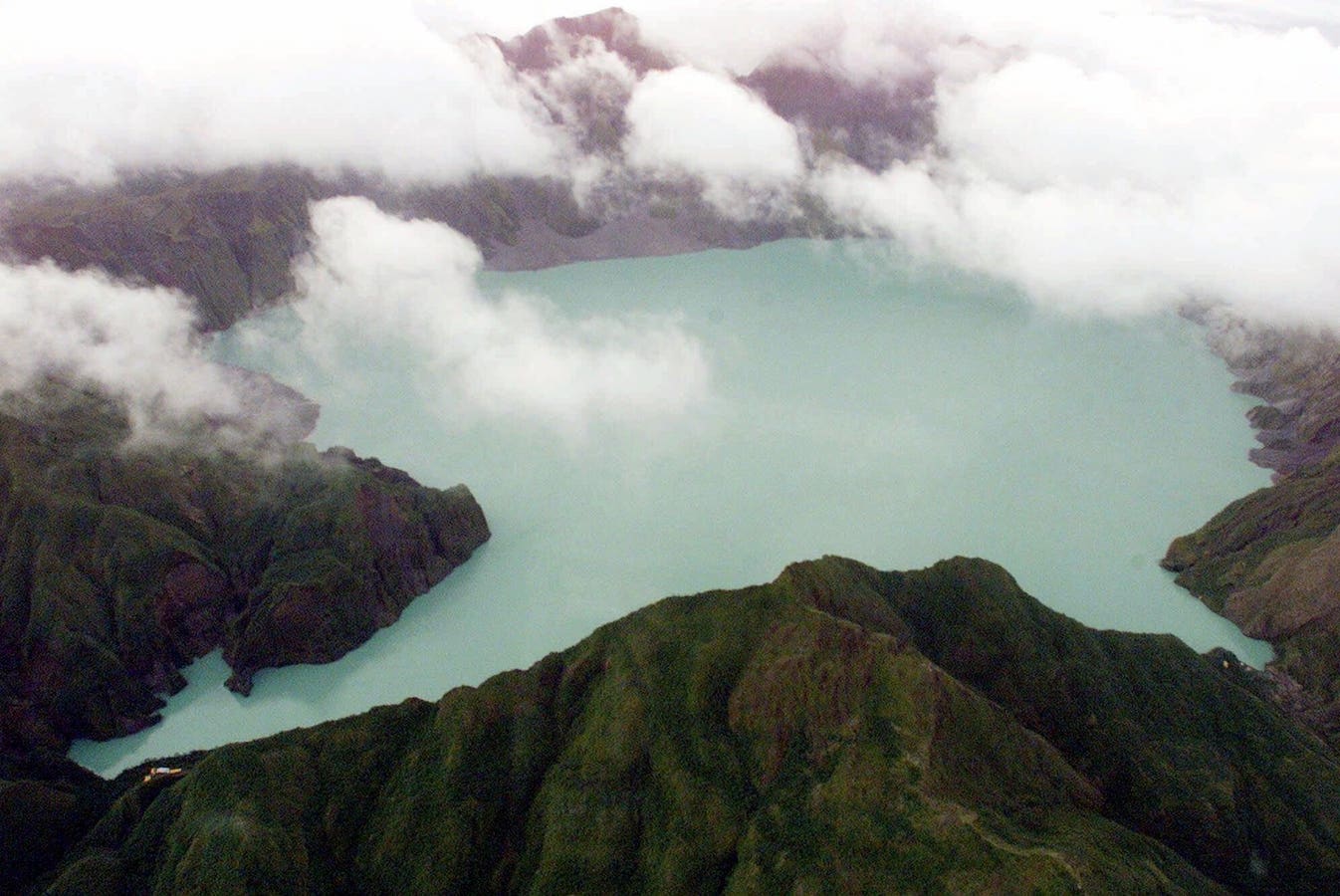
The Mount Pinatubo volcano and its crater lake, created by its 1991 eruption.
W
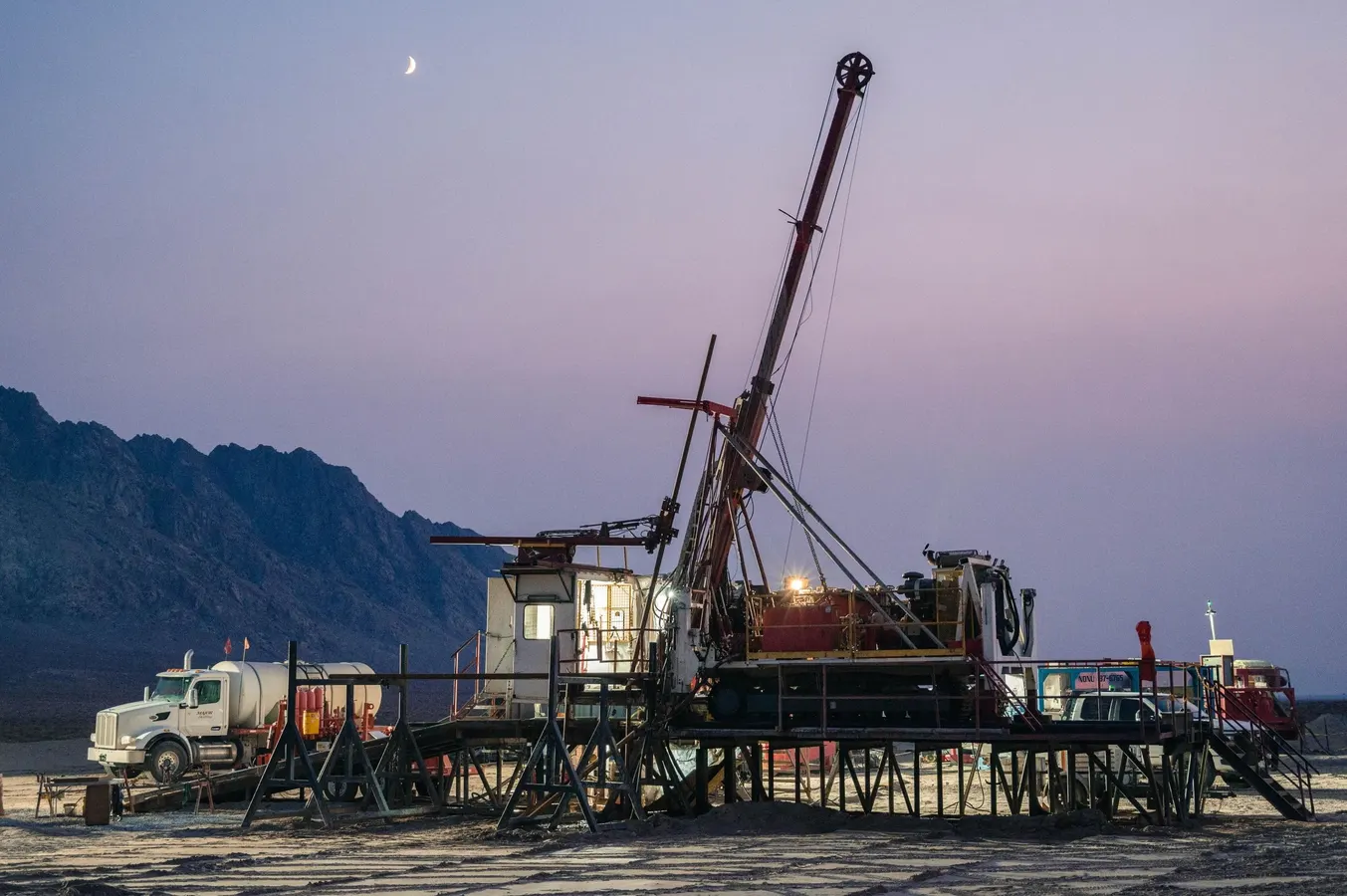
elcome back to Current Climate. The realization that clean, carbon-free hydrogen is produced naturally underground rocked the energy world a few years ago, with the U.S. Energy Department estimating there could be trillions of metric tons sitting in underground pockets around the world. The challenge has been finding large enough deposits that drilling for the universe’s most abundant element is worth the effort.
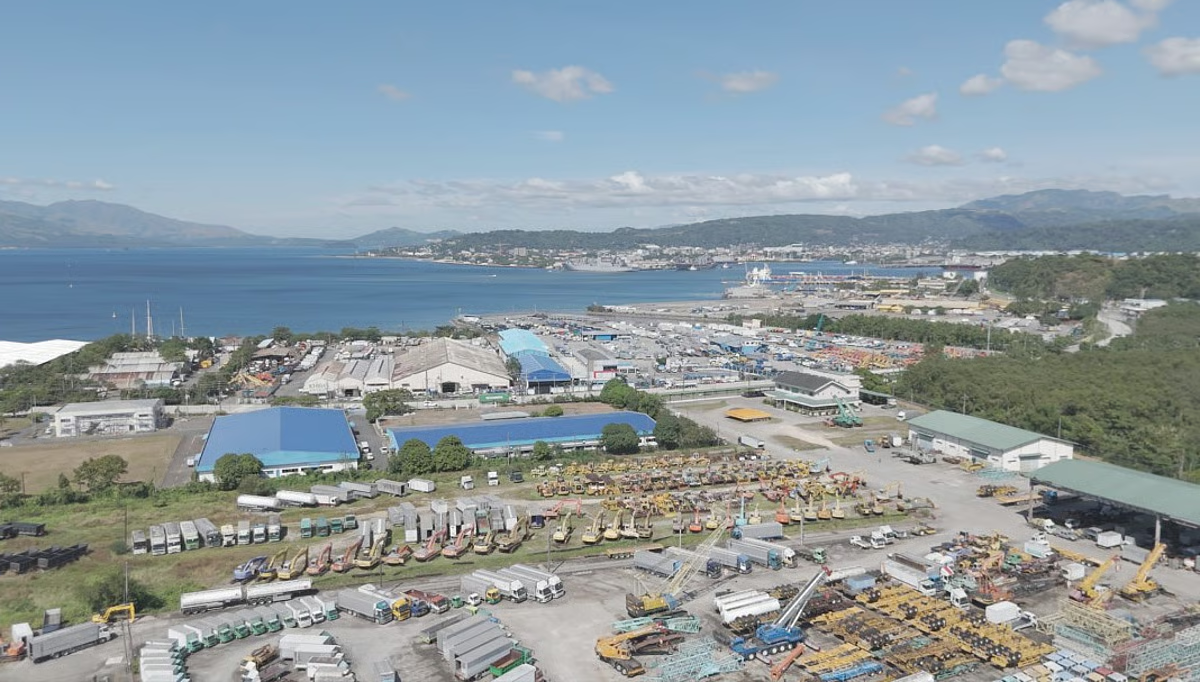
Koloma, an energy startup that emerged from stealth four years ago, has been the leader in the hunt for geologic hydrogen, backed by $400 million from investors including Bill Gates’ Breakthrough Energy, Mitsubishi Heavy Industries and Amazon. It’s been scouring the globe for promising sites, sampling rock and geologic conditions at sites in the U.S., Australia and other parts of the world the CEO Pete Johnson declined to identify. But last week, its attention shifted to the Philippines, where the country’s government granted it access to develop potential hydrogen well sites in Zambales Province, west of Manila. That region, once home to two massive U.S. military bases, is geologically active and famous for Mount Pinatubo, the powerful volcano that devastated the area when it erupted in 1991.