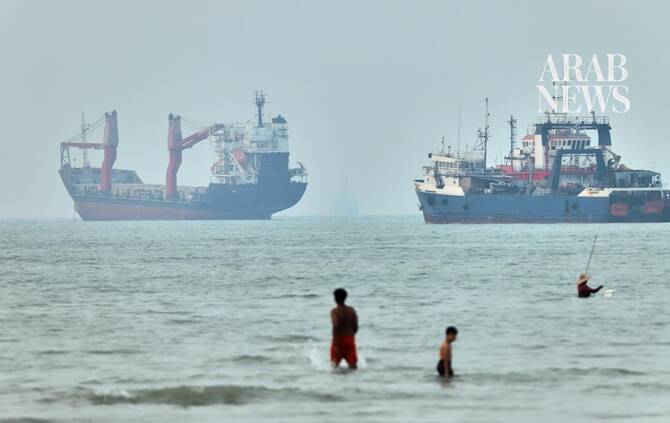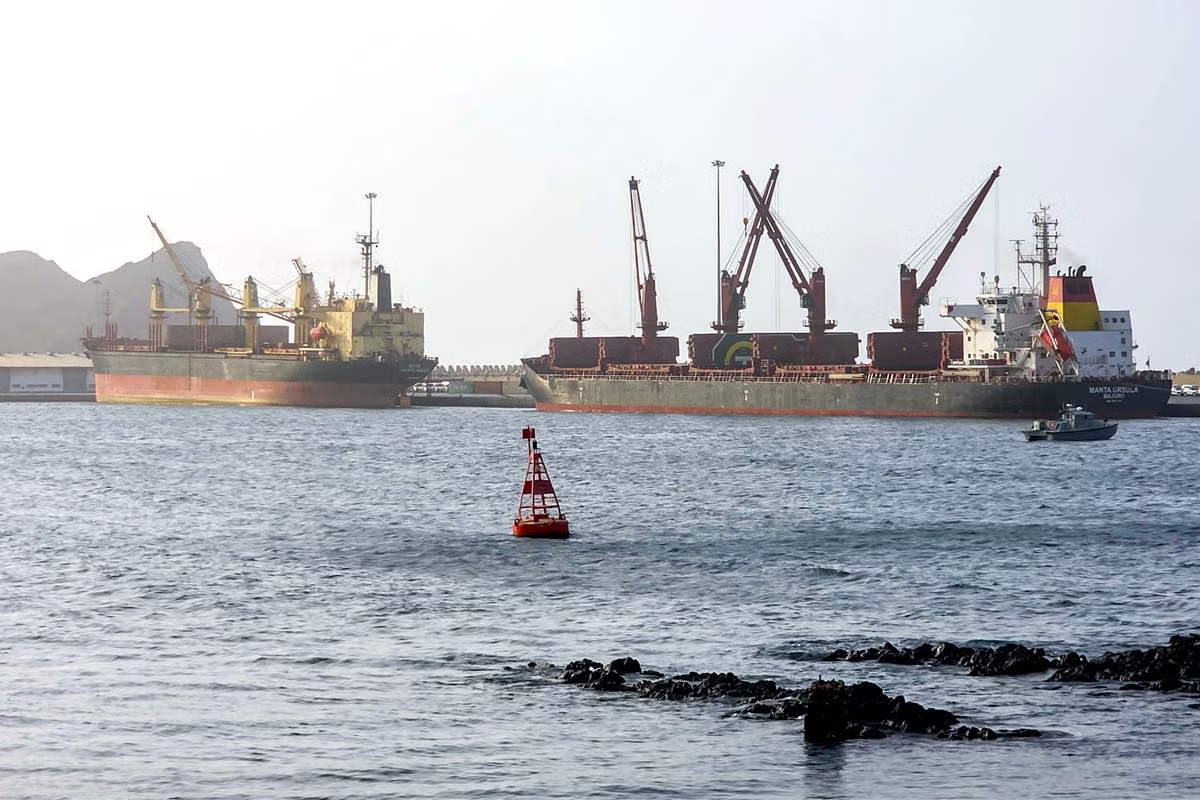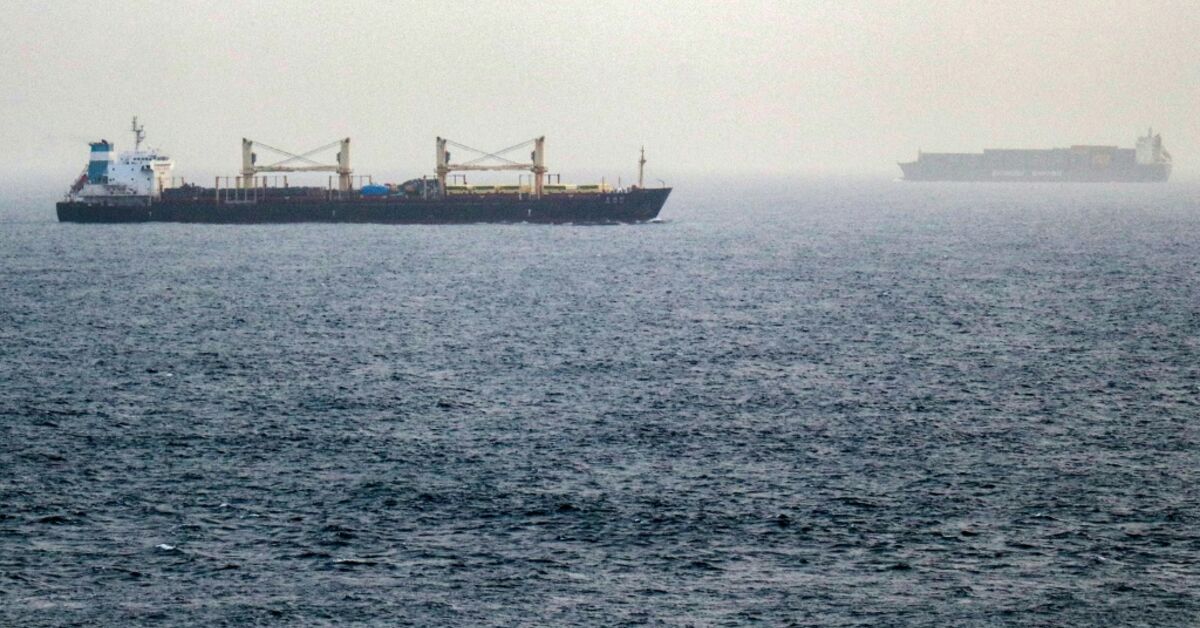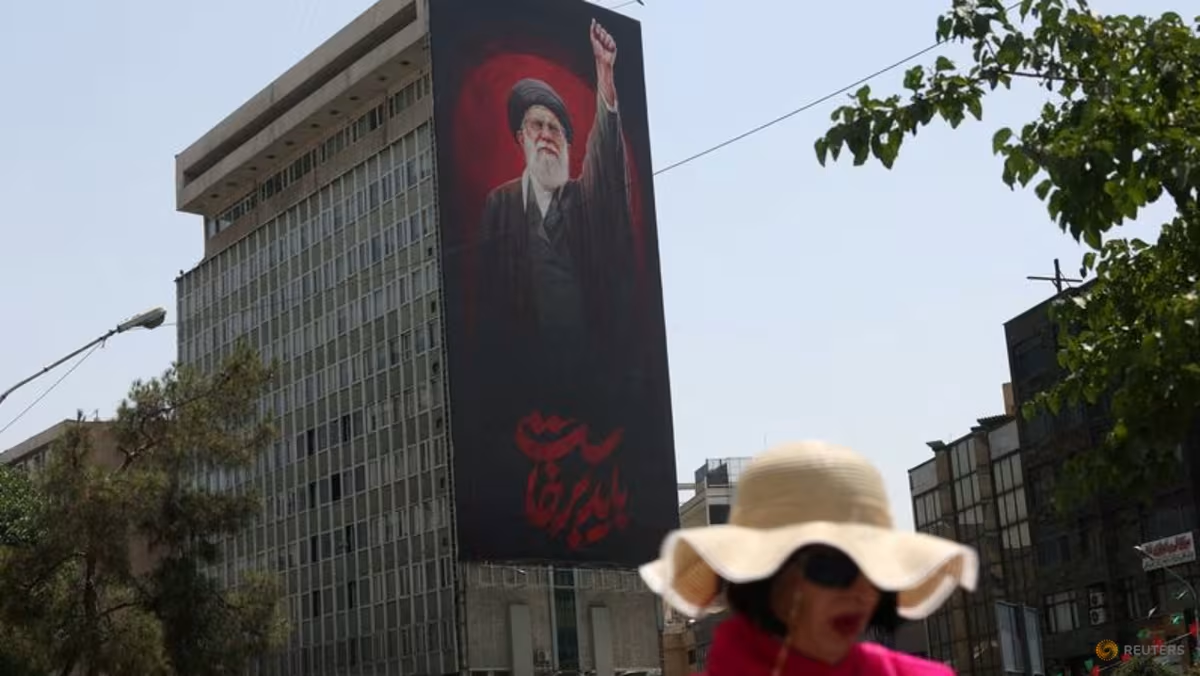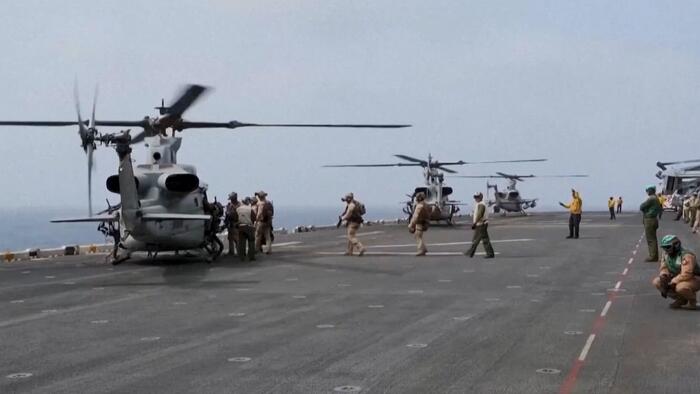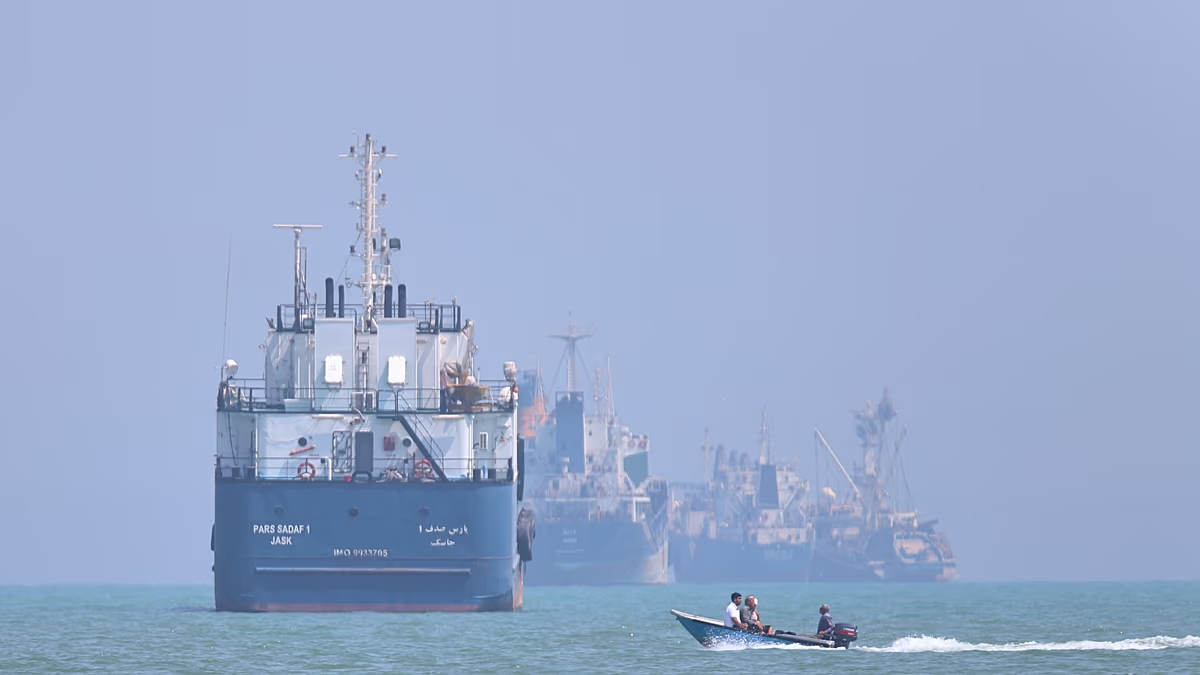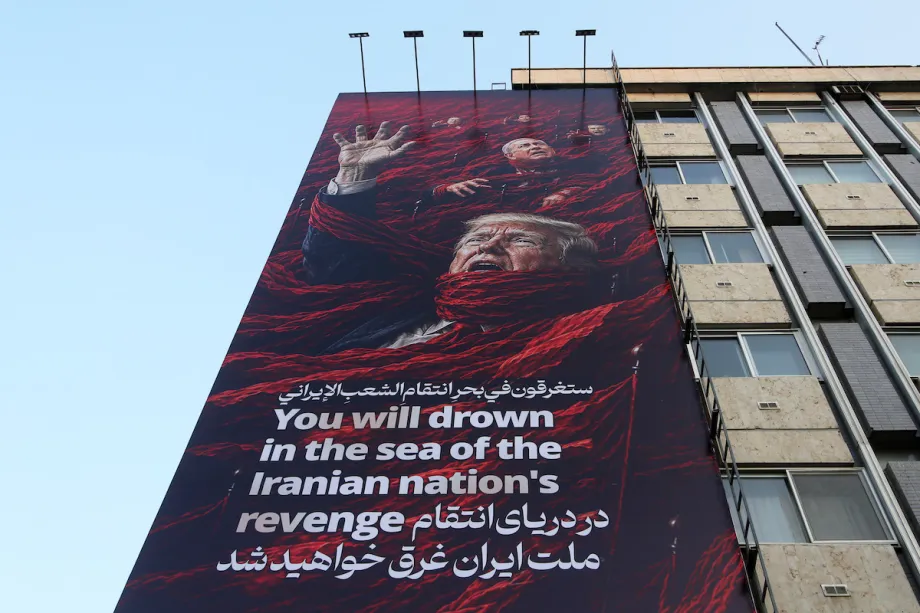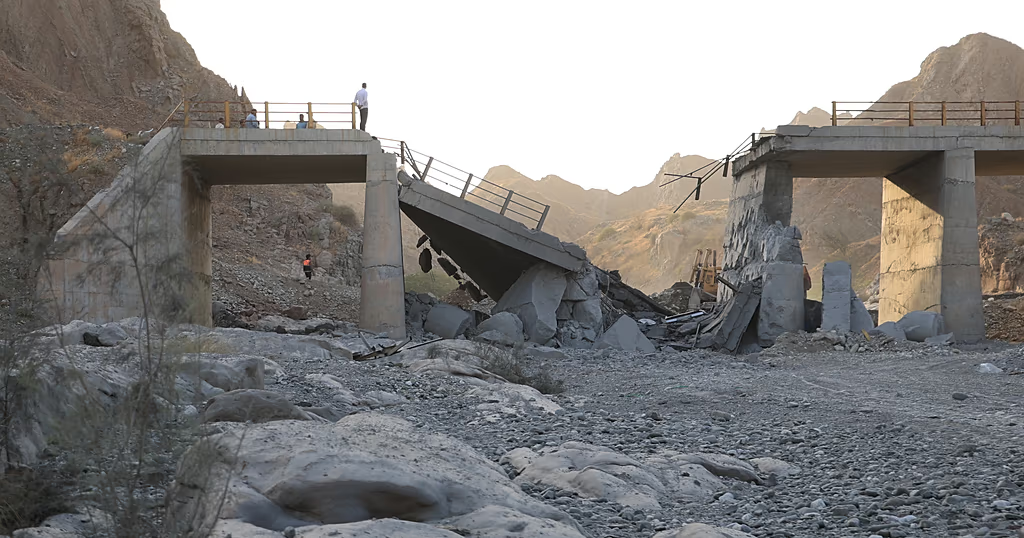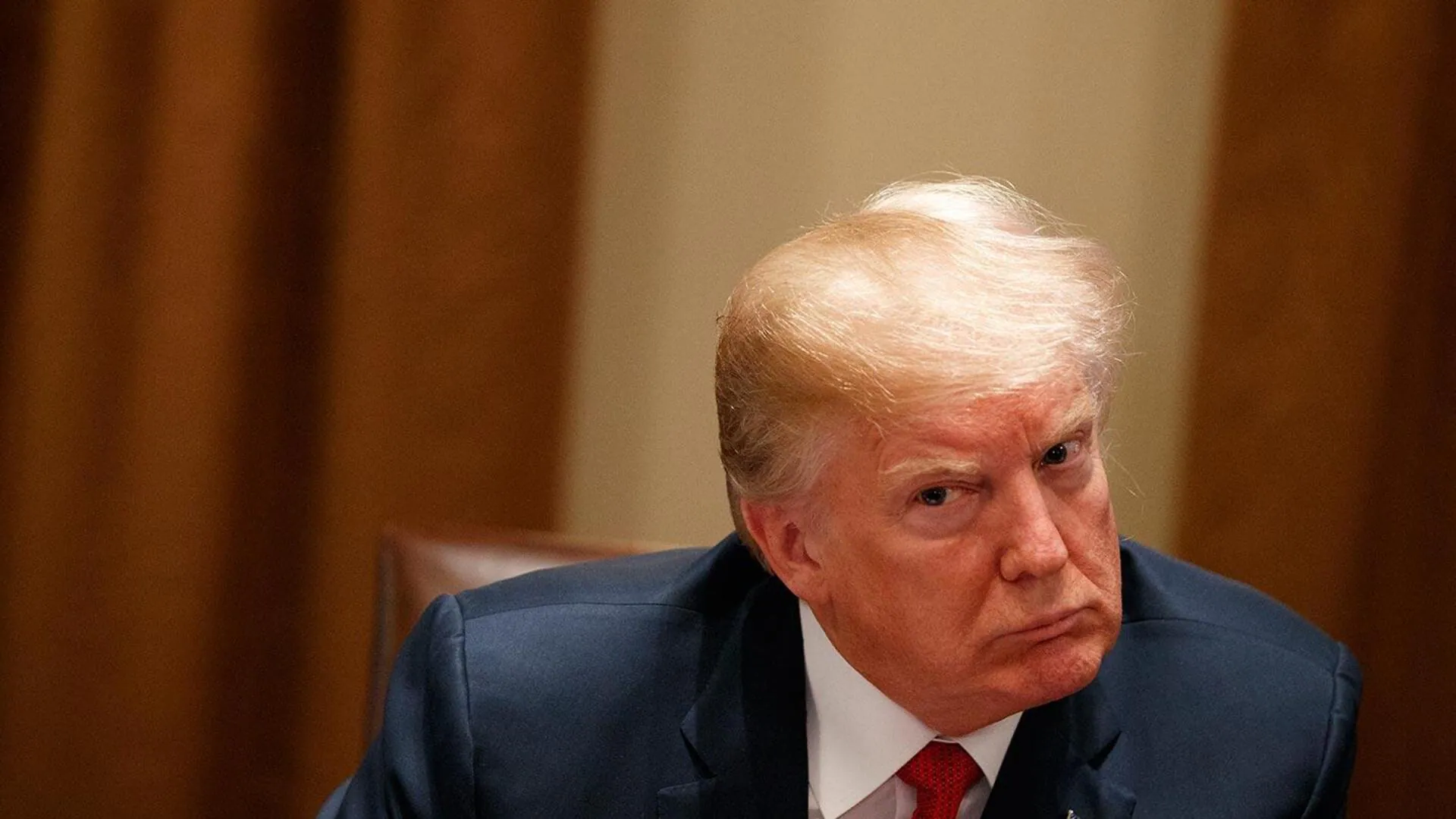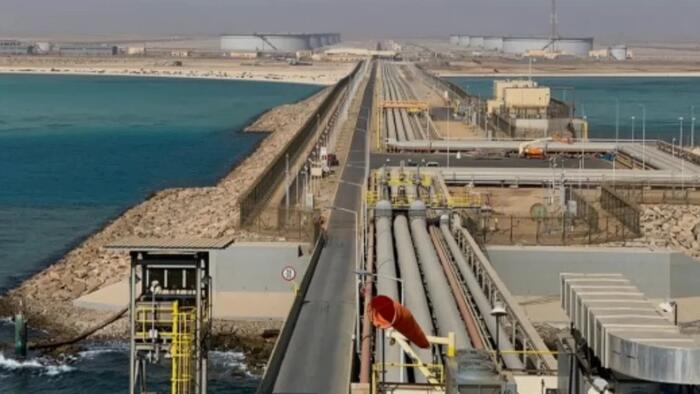
Saturday saw a final break in what was 13 consecutive days of tit-for-tat attacks between the United States and Iran, with US Ambassador to the United Nations Mike Waltz having confirmed to Fox News Sunday that President Trump is trying to give peace talks "some space"."He's giving it a little bit of room," Waltz said. "We’ve had both Oman and Iran and a number of our other negotiators engaged at every level, from the most senior levels all the way down to the technical level, over the past few weeks and particularly in the past few days."via CENTCOMWalsh has brushed aside emerging reports that US defense interceptor supplies are running low, "I want to be crystal clear: The U.S. military, and I’ve verified this every which way, has everything that it needs to conduct this campaign as effectively as it needs to be," he said. But a who's who of top admin and military officials have voiced concerns, including the following:The New York Times reported Gen. Dan Caine, chair of the Joint Chiefs of Staff, has privately argued resuming major combat operations against Iran would seriously deplete the antimissile interceptors available to U.S. Central Command (Centcom). The outlet reported the threat to interceptor stockpiles is one of many considerations that have made a return to major combat operations risky. Vice President Vance raised concerns about escalating the war in a meeting with the president at the White House on Friday, CNN reported. Two sources with knowledge of Adm. Brad Cooper's position told Axios that the Centcom commander has recommended stopping the bombing campaign around the Strait of Hormuz because it has reached the limit of its effectiveness. An Iranian military official warned Sunday that the country would expand its 'retaliatory' attacks in the region if the US restarts airstrikes. This as a pause has held for two days."I believe that if the Americans once again fall for the Zionists' deception, or move in line with them, and insist on continuing the war, particularly through airstrikes, geographically this will expand further," Iranian army spokesman Mohammad Akraminia told AFP. Iran is also boasting that it still controls the Strait of Hormuz, and that Washington is "stuck" in the region - and that only Tehran decides when the conflict ends.Tehran has at the same time once again confirmed there are no negotiations happening. "It’s possible that mediators share messages from the US side about current developments in the region, but at the moment we have no negotiations with the US," Iranian Foreign Ministry spokesman Esmail Baghaei told reporters on Monday.The ARAMCO refinery in Jizan, eastern Saudi Arabia, is still burning more than 2 days after the impact of ballistic missiles launched by the Houtis.
Saudi Aramco Targeted, Including Sprawling Abqaiq Facility, As Tehran-Aligned Militants Test US-Iran 'Pause'
President Trump trying to give peace talks "some space" amid reports of dwindling interceptors...
905 words~4 min read