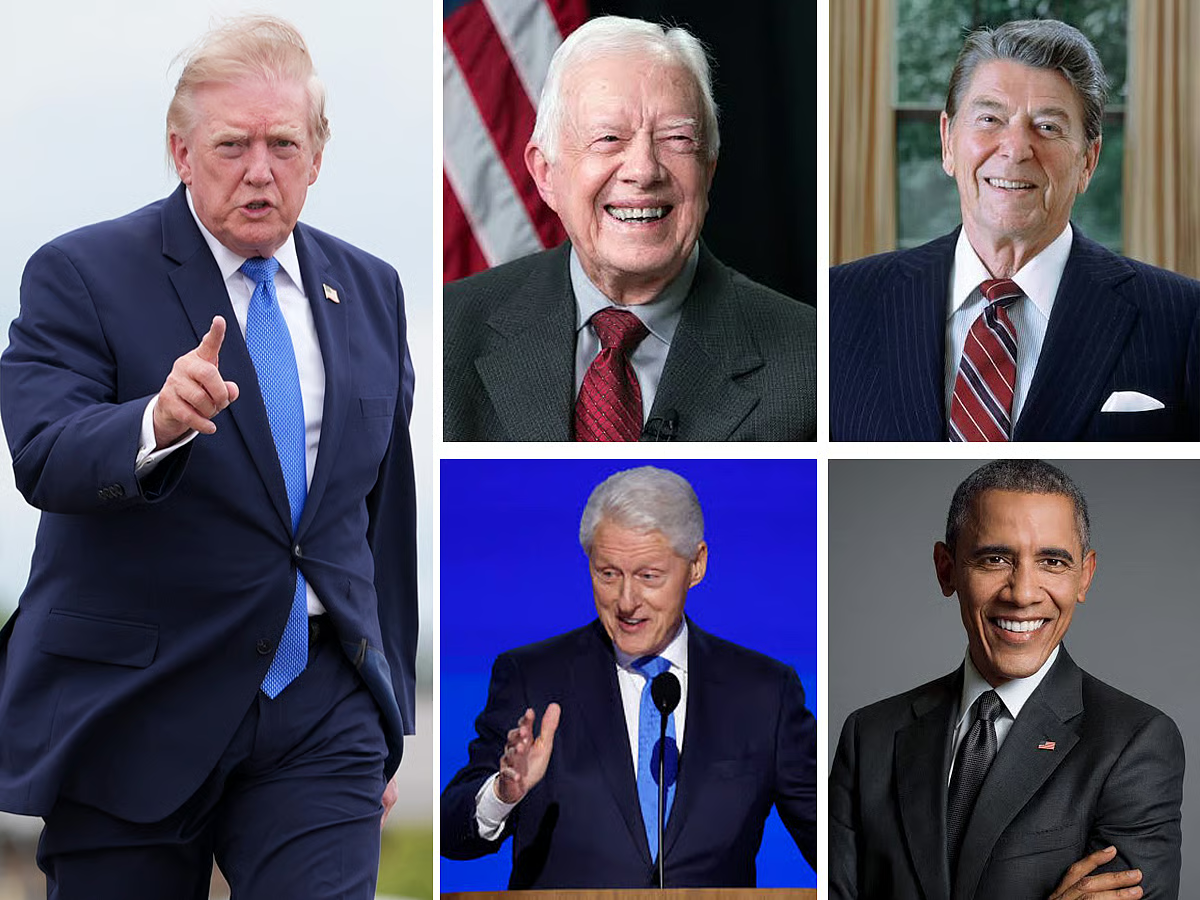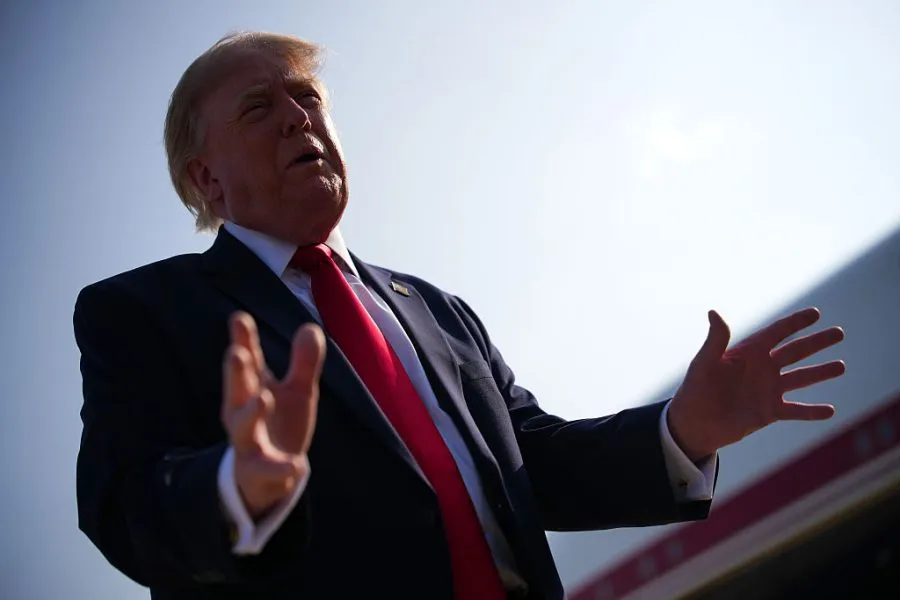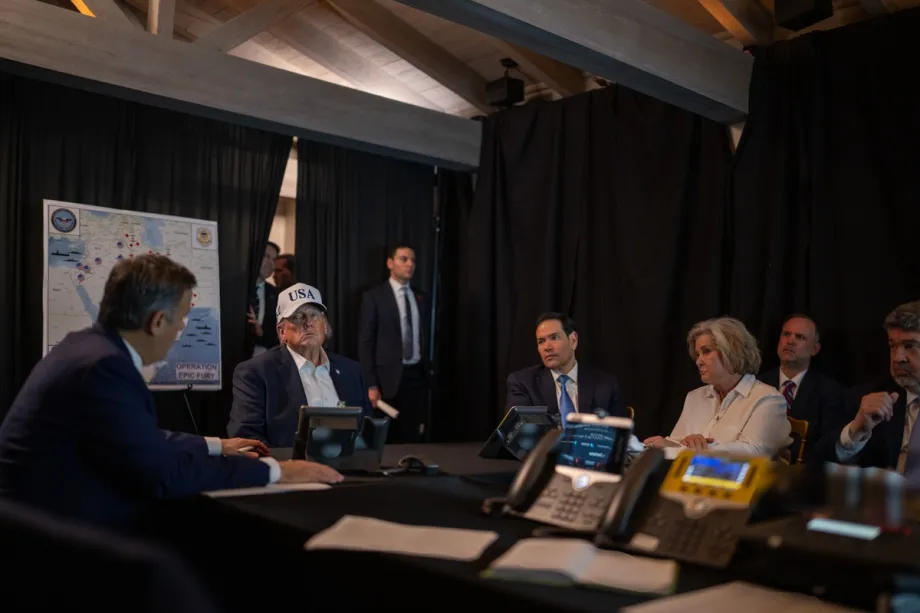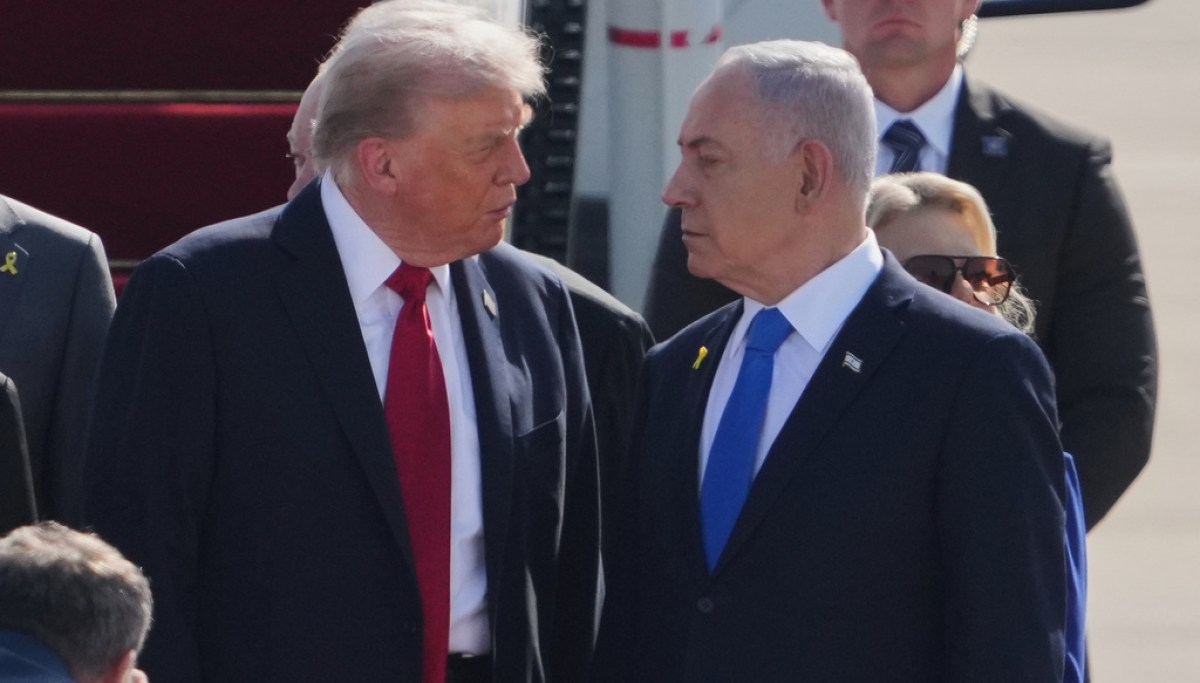
As President Donald Trump prepares to meet Israeli Prime Minister Benjamin Netanyahu once again, both leaders confront a question that has shaped the Middle East for nearly half a century: how did the West so profoundly misread the Islamic Revolution in Iran — and can that mistake still be corrected?The roots of this miscalculation trace back to 1979. The Carter administration viewed Ayatollah Ruhollah Khomeini through a religious and largely apolitical lens, underestimating the ideological nature of the revolution he led. Many in Washington failed to grasp that Khomeini was not merely a spiritual figure, but the architect of a doctrine that fused theology with political absolutism. In contrast, Israeli intelligence — along with warnings from the Shah — recognized that Iran was undergoing not just a political upheaval, but the emergence of a revolutionary ideology with regional ambitions.What followed was not a conventional regime change, but the birth of an ideological state. The Islamic Republic grounded its legitimacy in a theological framework tied to the authority of the Hidden Imam, transforming governance into a mission that transcended national borders. From its inception, the regime defined itself not as a typical nation-state, but as the vanguard of a broader revolutionary project.
Trump miscalculated Iran — and exposed all his cards
Iran's mullahs have seen President Donald Trump's cards, because he did not know when to hold or when to fold.
710 words~3 min read