Probabilistic Graph Neural Inference for bio-inspired soft robotics maintenance with ethical auditability baked in
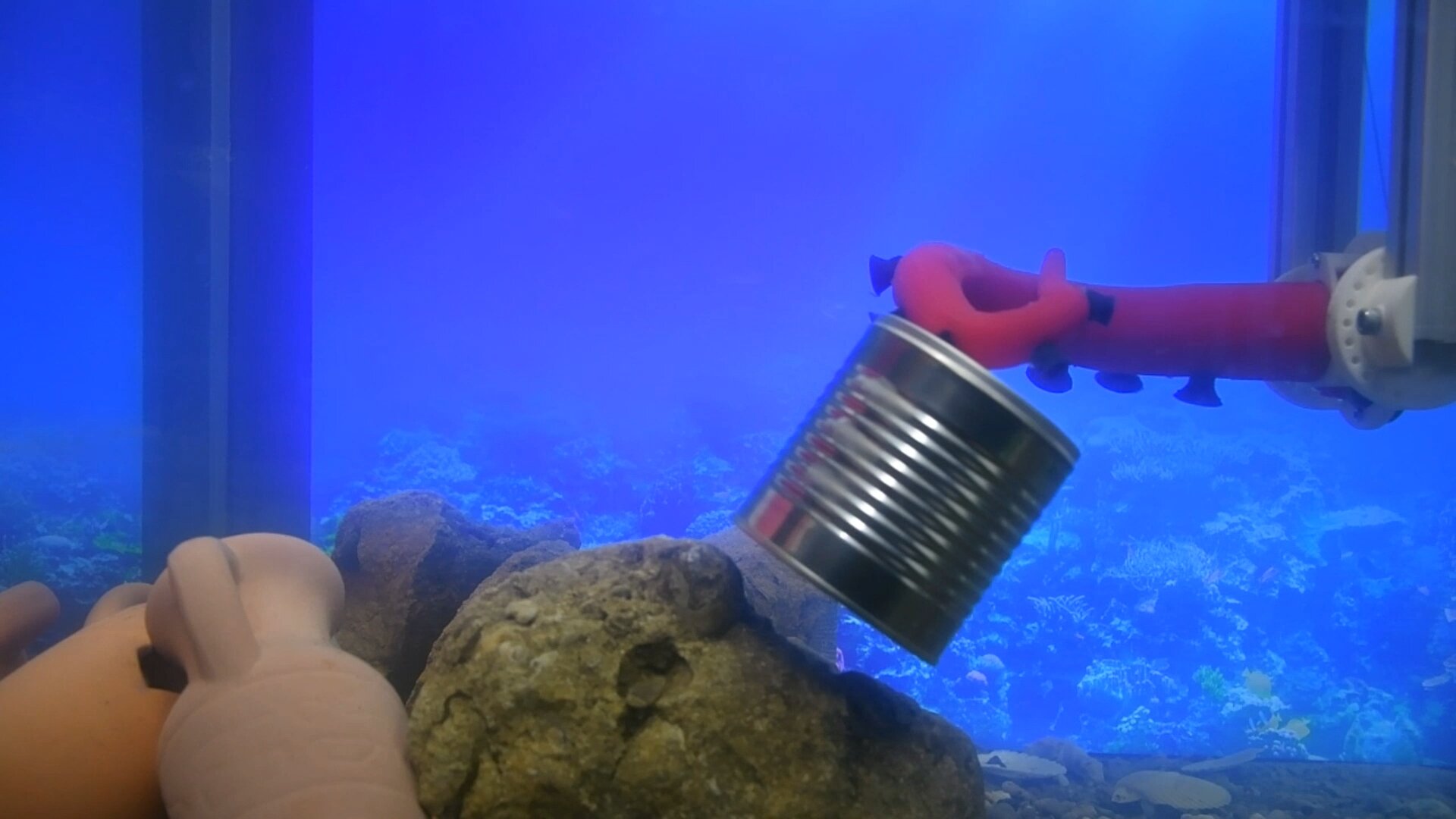
I remember the moment it clicked. I was hunched over a workbench in my home lab, staring at a tangled mess of silicone tentacles—a soft robotic octopus arm I’d 3D-printed and embedded with pneumatic channels. The arm was supposed to mimic the graceful, adaptive movements of a real cephalopod, but after a few cycles, it had developed a slow leak at one of the joint interfaces. The pressure sensors were giving erratic readings, and my traditional rule-based diagnostic script was useless. I’d spent weeks training a simple neural network to detect anomalies, but it kept flagging benign sensor noise as critical failures. That’s when I stumbled upon a paper on probabilistic graph neural networks (PGNNs) for molecular dynamics, and I realized: soft robotics maintenance isn’t about deterministic predictions—it’s about reasoning under uncertainty over a complex, interconnected system. This article is the story of how I built a PGNN-based inference system for bio-inspired soft robots, with ethical auditability baked in from the ground up.
Technical Background: Why Soft Robotics Needs Probabilistic Graph Inference