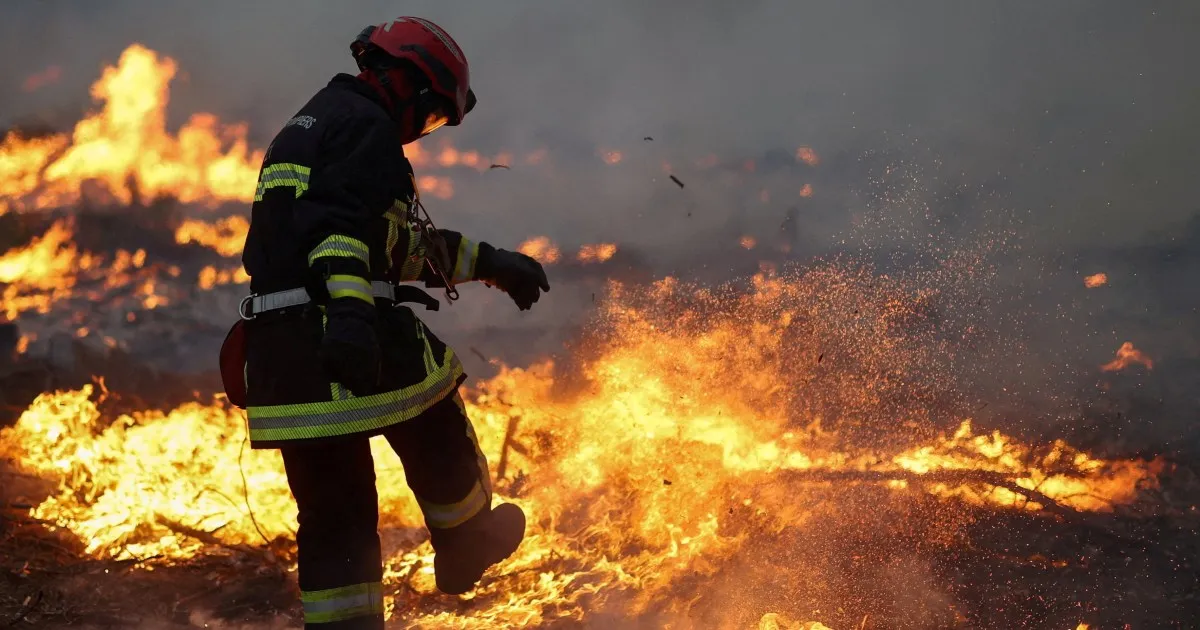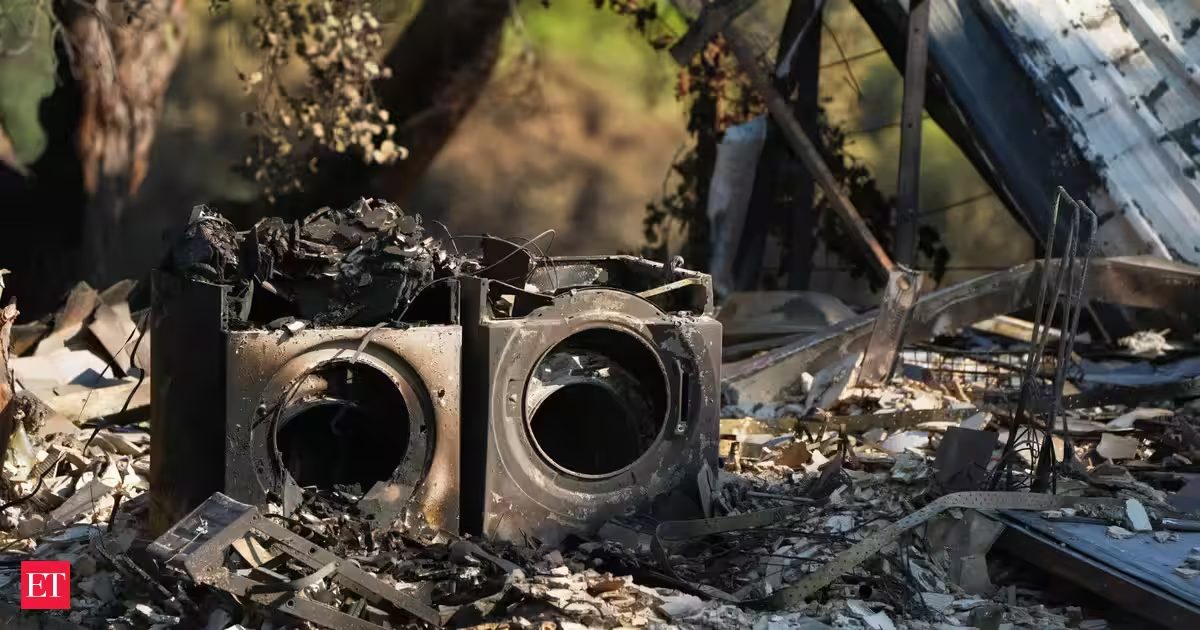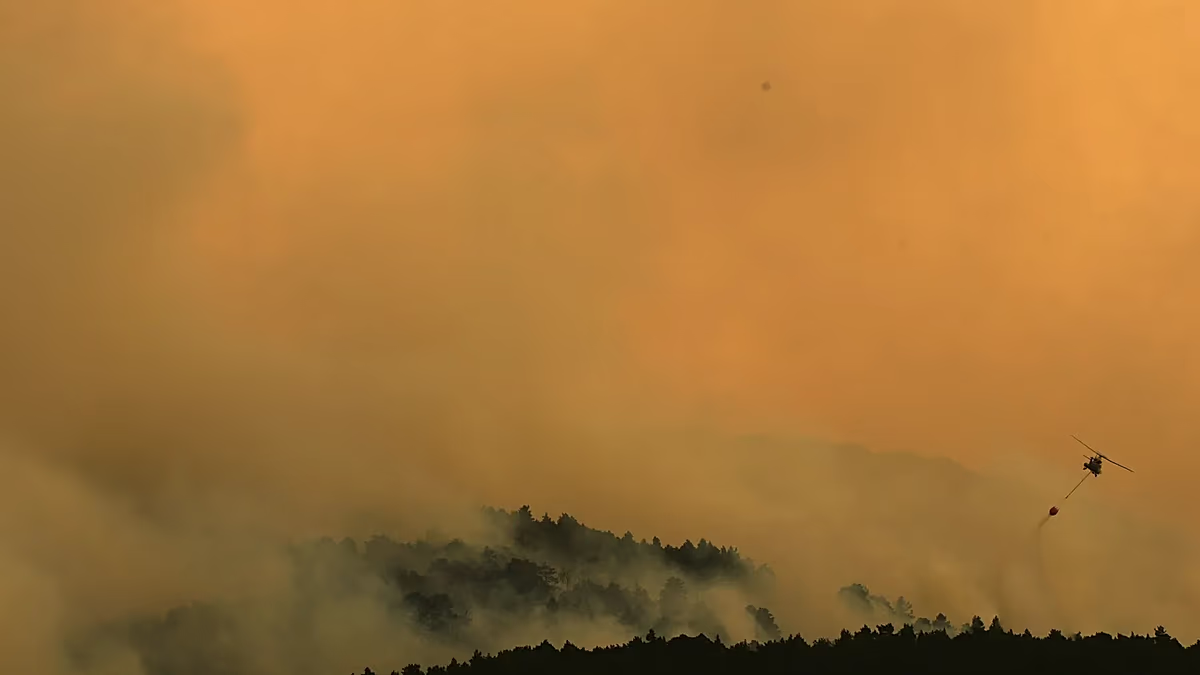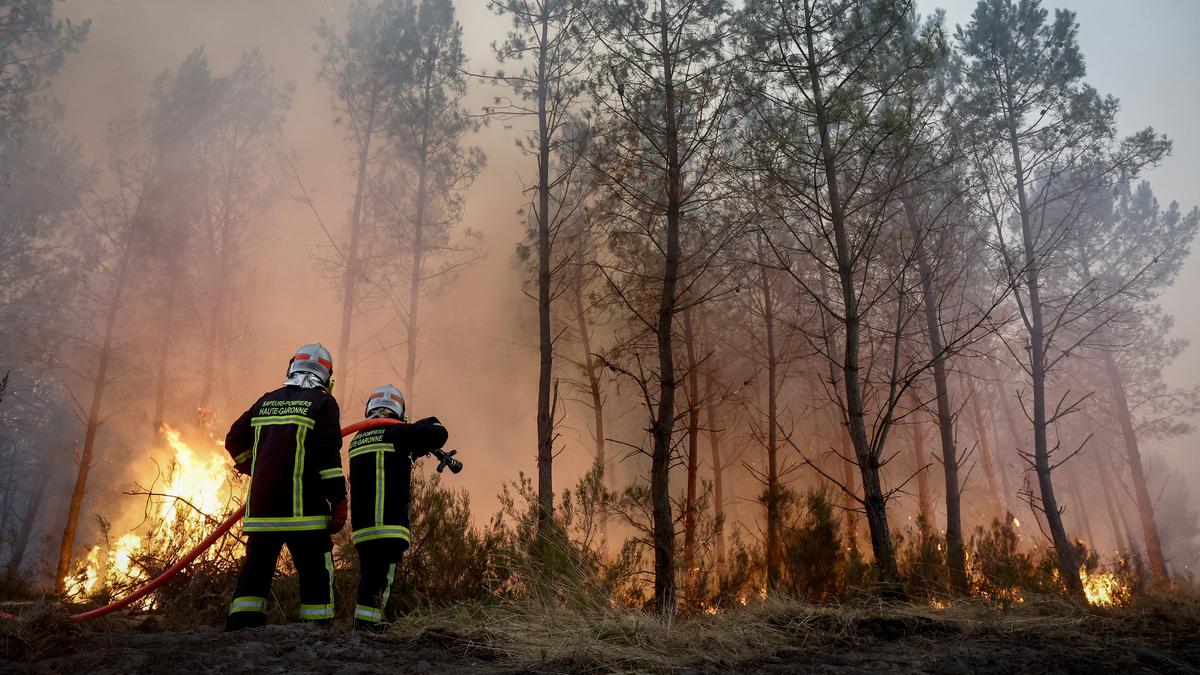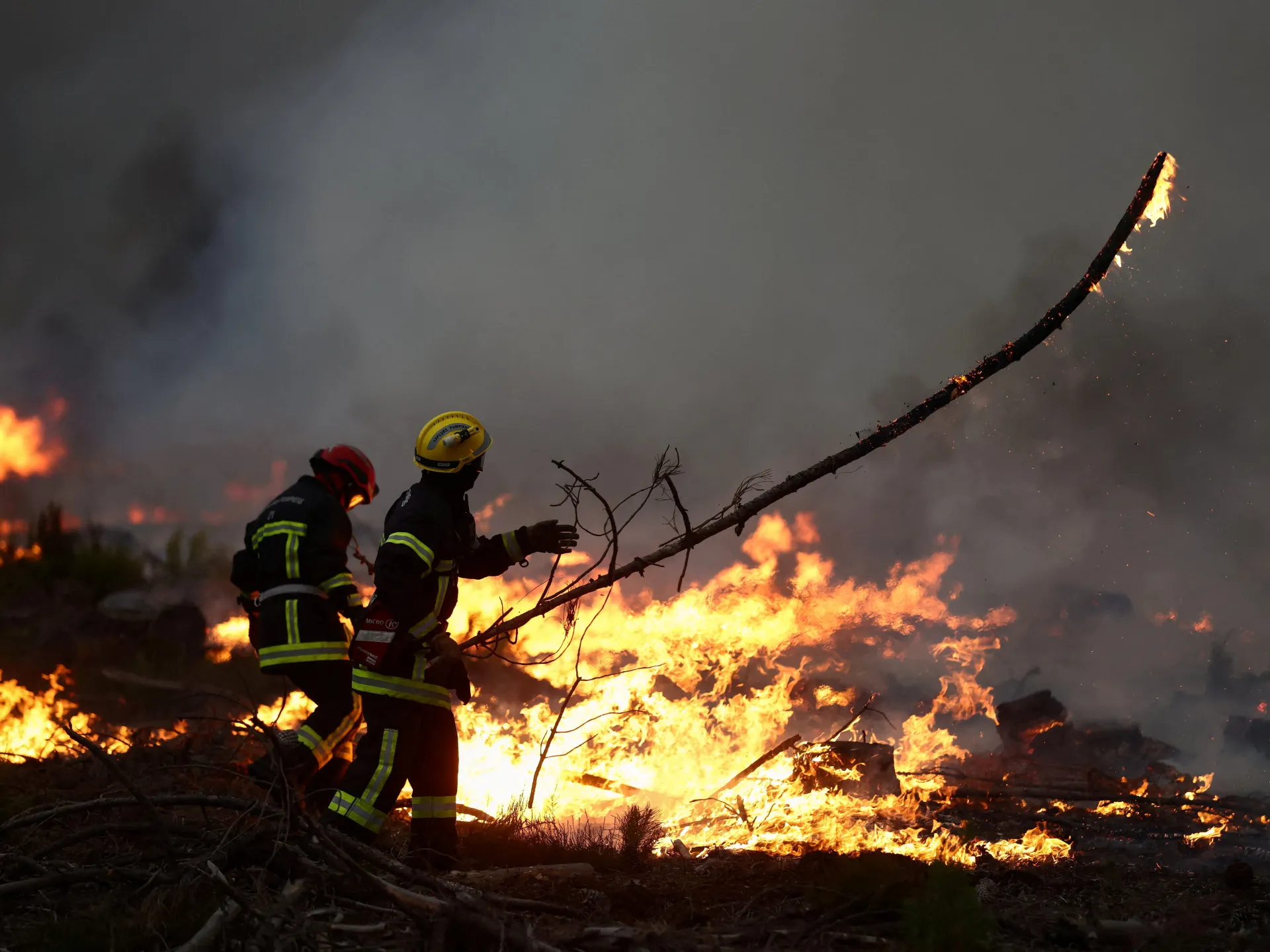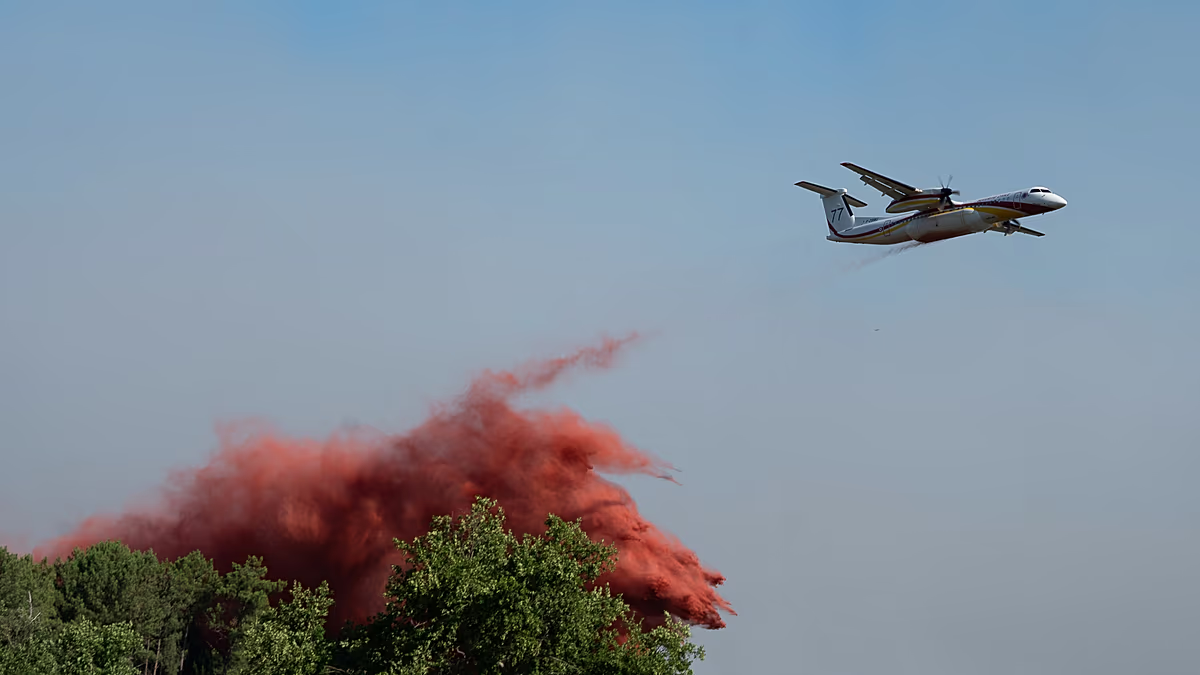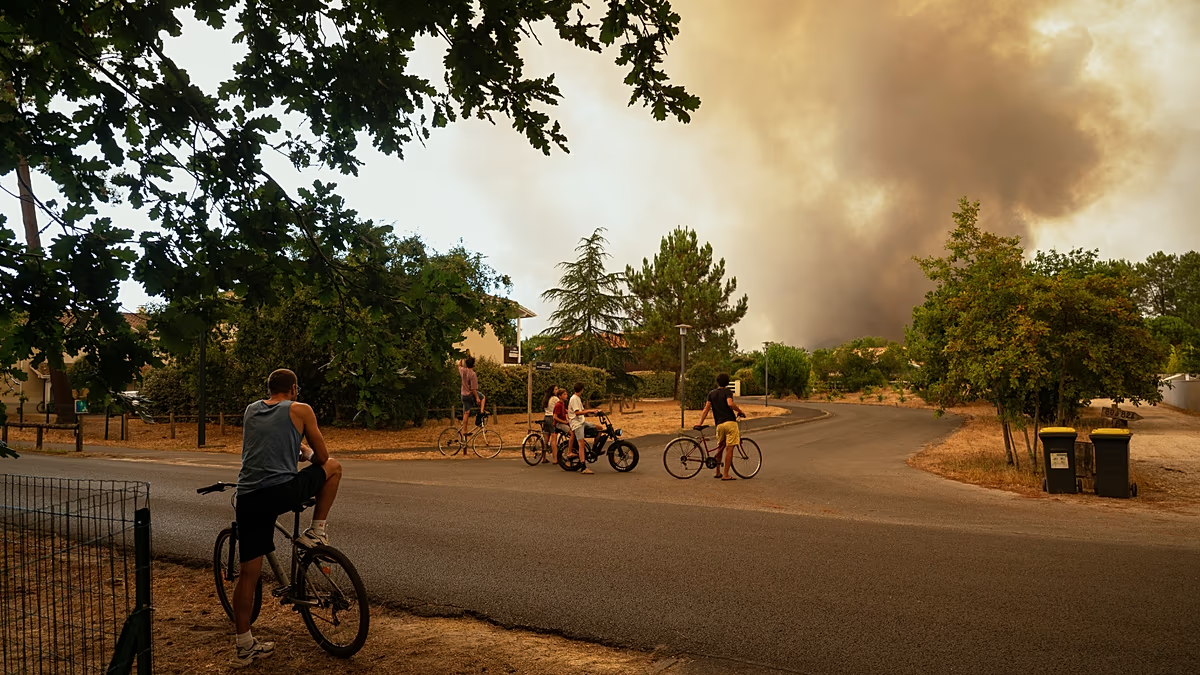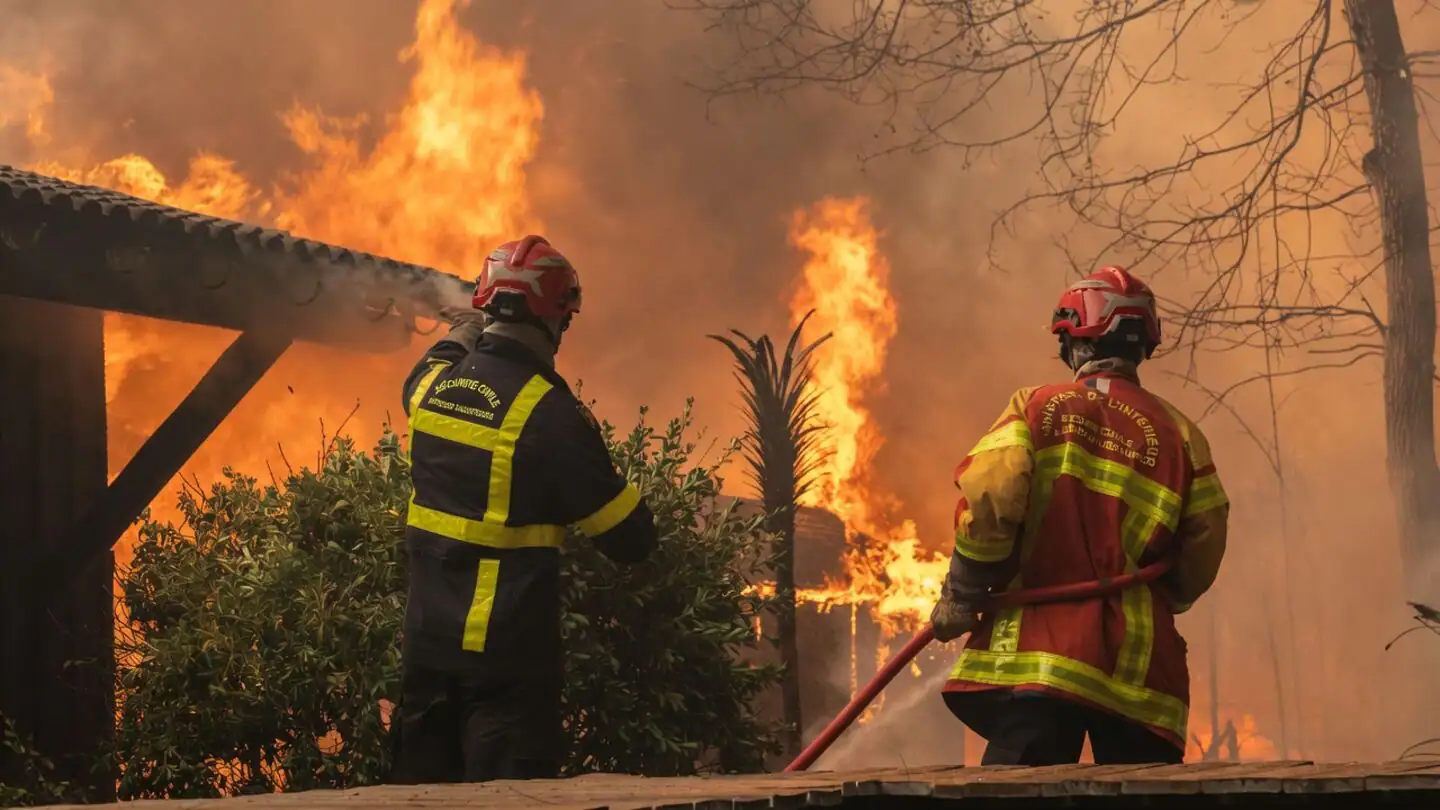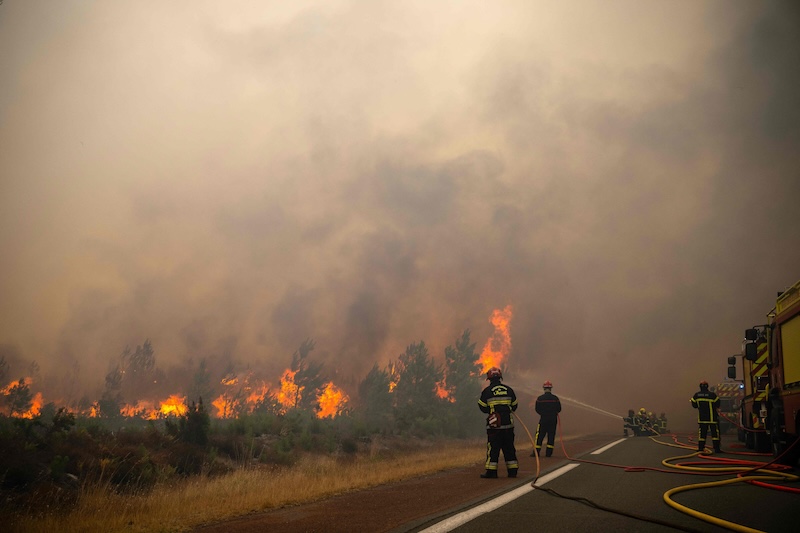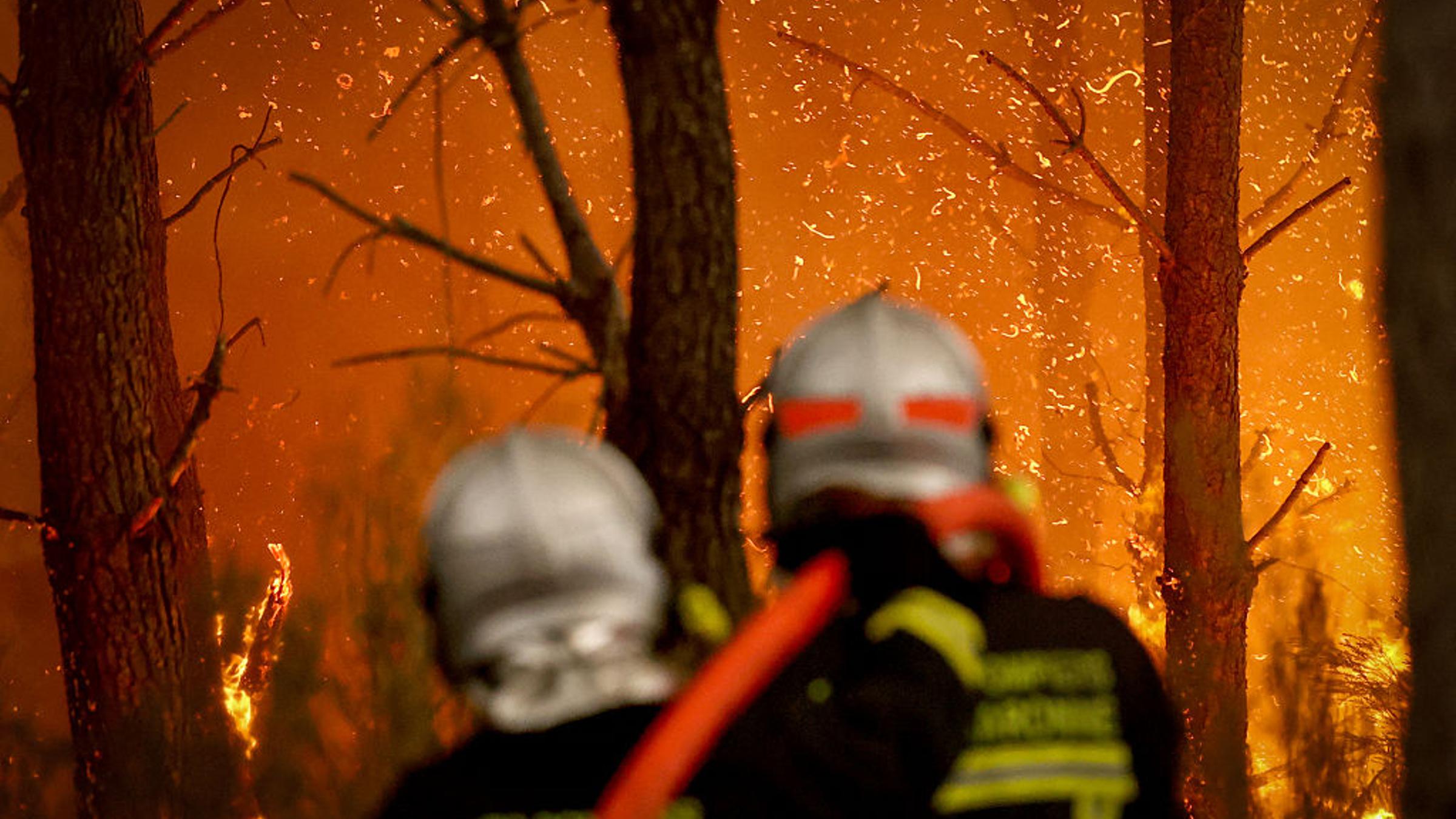
More than 300,000 people were evacuated and at least one person killed because of wildfires in France and Spain, with fire crews battling the blazes for several days.In France, a major fire broke out in Saumos in Gironde last Wednesday, and a separate fire began near Biscarrosse in the Landes department the next day. Several fires broke out in Spain last Wednesday, including one in Toledo that spread into Madrid’s Villa del Prado and another in Ávila. Fires in Madrid, Castellón, and Manises broke out in the following days.Both countries had already faced deadly wildfires earlier in the summer.Here’s what to know about the wildfires affecting France and Spain.What has been the impact?Fire crews were dealing with a 280-km perimeter of fire covering 77,000 hectares across Madrid, Ávila, and Toledo, Spain’s Secretary-General for Civil Protection and Emergencies Virginia Barcones told state broadcaster TVE.The Spanish regions of Madrid, Ávila, and Valencia were among the worst affected areas. The government declared a national emergency in Madrid and Ávila on Thursday evening, extending it to Toledo on Saturday. It was Spain’s first such declaration over wildfires and only the second overall, after the nationwide blackout in April 2025. The government deployed 1,200 and 400 vehicles to fight the fires in Madrid and Ávila, respectively. At least 37 sections of road were closed to traffic on Sunday morning because of fires across seven provinces or regions.Spain recorded its first death from the latest wildfires on Saturday when a 78-year-old man was killed in a fire in Manises, near Valencia. The victim, who reportedly had reduced mobility, was found dead in his car.Several major fronts of the wildfires affecting Madrid and Ávila were contained by Sunday morning, according to Spain’s Military Emergencies Unit, although the fires remained active. The wildfire risk also remained high in the eastern and southern parts of the country, according to Spain’s meteorological agency, Aemet. That risk is expected to go up in the coming days as the temperature warms this week, Aemet said.In France, around 55,000 people were ordered to evacuate villages near Bordeaux, including Le Barp, Marcheprime, Biganos, Mios, and Cestas, overnight on Saturday. In total, more than 250,000 people in southwestern France were forced to evacuate in recent days.In Gironde, at least 240 homes were destroyed as of Sunday, officials said. The fire spread to within 15 km from the edge of Bordeaux’s metropolitan area and around 25 to 30 km from the city center. Bordeaux officials said they are evaluating the situation but that there are no immediate plans to evacuate the city.France’s meteorological agency warned that wildfire danger remained high across many departments despite a slight improvement over the weekend, especially as another heat wave is expected to worsen fire conditions in the coming days.How is climate change exacerbating wildfire risks?Much of Europe has been affected by successive heat waves that have raised the risk of wildfires. With temperatures expected to rise again and little rain forecast in many fire-affected areas, that danger is only expected to increase this week.Global warming has made heat waves more prevalent and more intense, with Europe warming at twice the global average rate since the 1980s. The extreme heat increases evaporation and plant water loss, worsening drought and drying out vegetation which creates more fuel for wildfires.Spain recorded 32 major forest fires so far this year. That’s a significant increase from last year, when the country recorded seven over the same time period.“I’d once again like to urge people to take utmost care and to stay up to date,” Spanish Prime Minister Pedro Sanchez said on Sunday. “The Iberian Peninsula is suffering the effects of the climate emergency.”Heat waves also make it more difficult to contain fires, French Interior Minister Laurent Nuñez told La Tribune Dimanche on Sunday. Dry weather, high temperatures, and dense ground vegetation make the fires spread rapidly once they begin.Earlier this month, other deadly wildfires struck France and Spain. At least 13 people were killed in the Los Gallardos fire in southern Spain and a 22-year-old volunteer firefighter died while battling a vegetation fire in Savoie, France.How to stay safePeople in affected areas should follow official instructions and evacuate immediately if ordered.Anyone in the E.U. who suspects a new fire should call 112 if it is safe to do so, and move away from the flames toward an area with little vegetation. If smoke or ash is present, residents should limit outdoor activities.The Madrid regional government said, as of Sunday, 2,468 evacuees were receiving assistance at 15 temporary shelters, where local authorities supplied meals, beds, and basic hygiene products.French municipalities have also opened temporary shelters. Bordeaux officials said around 3,500 evacuees were staying at its exhibition center shelter on Saturday morning.
What to Know About the Deadly Wildfires in Western Europe
More than 300,000 people were evacuated because of wildfires in France and Spain, with fire crews battling the blazes for several days.
785 words~4 min read