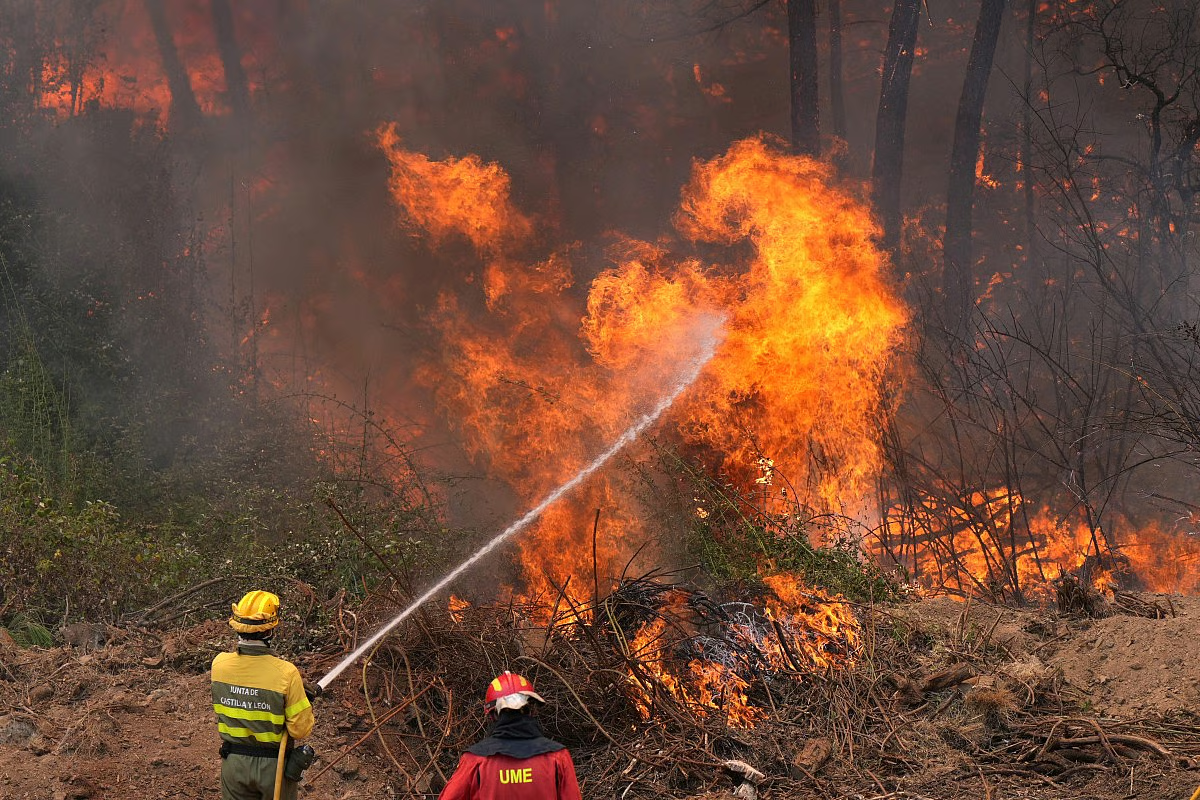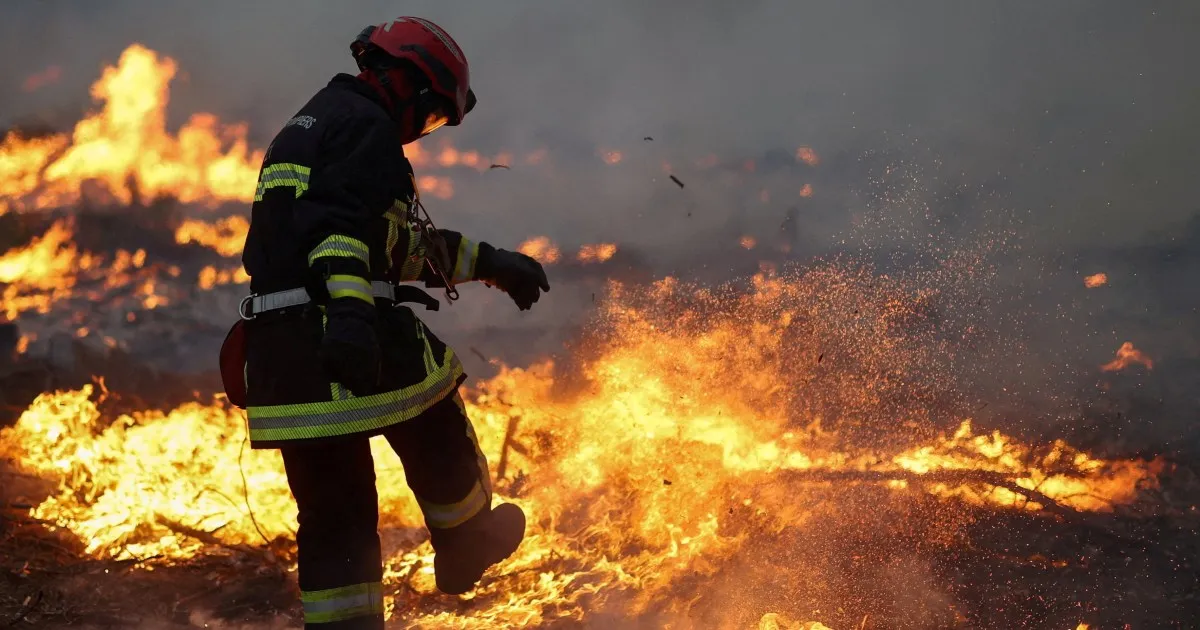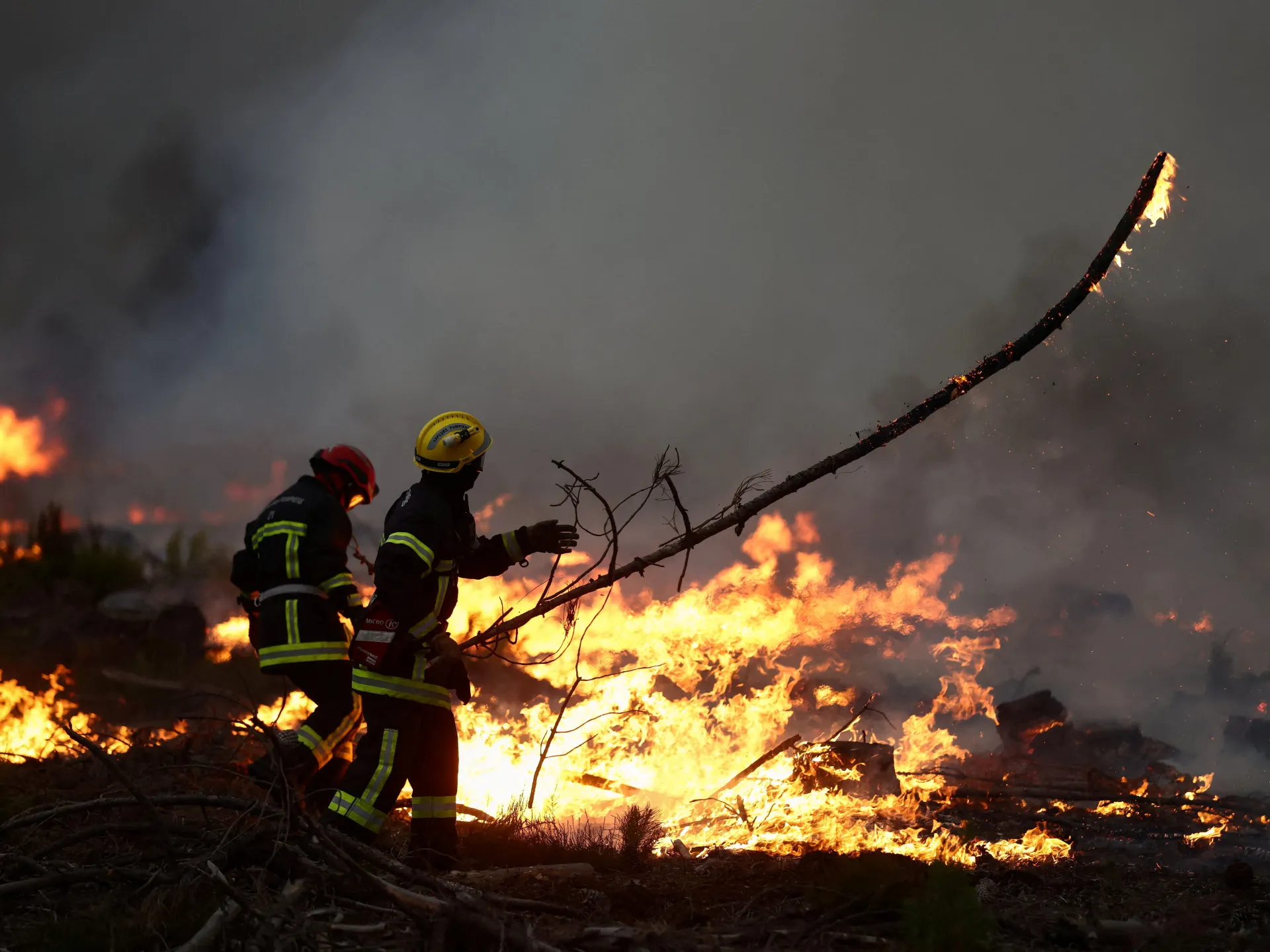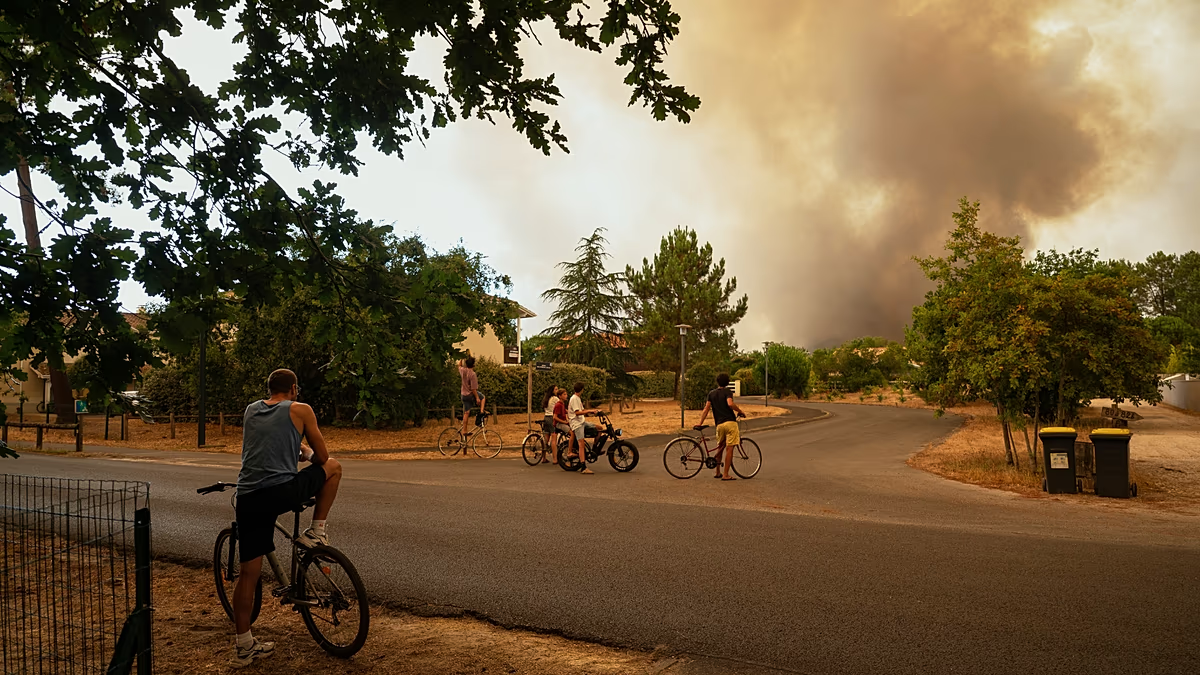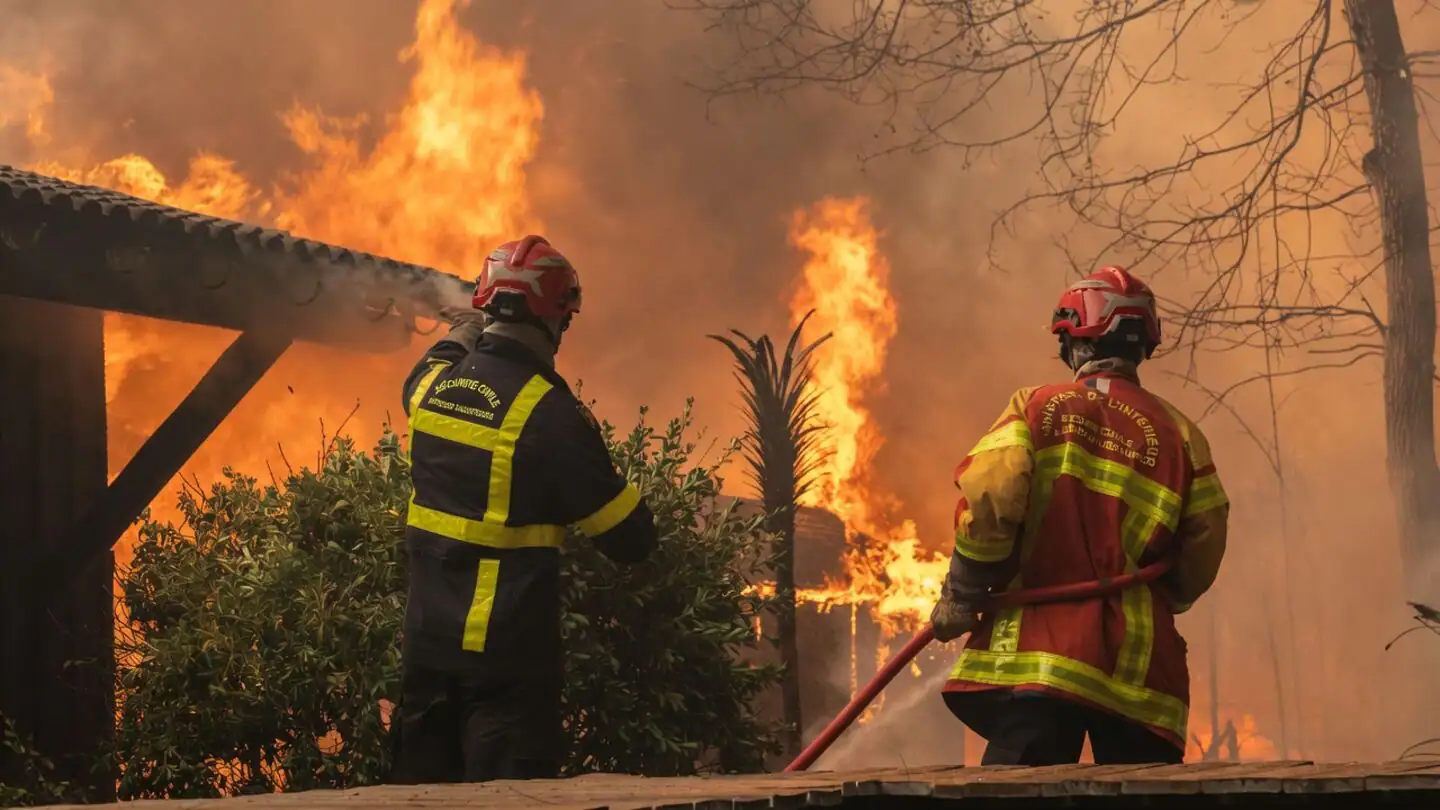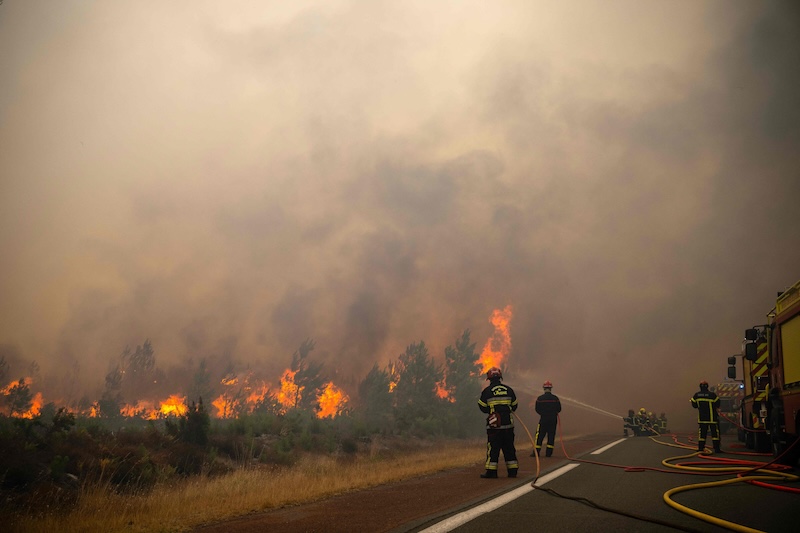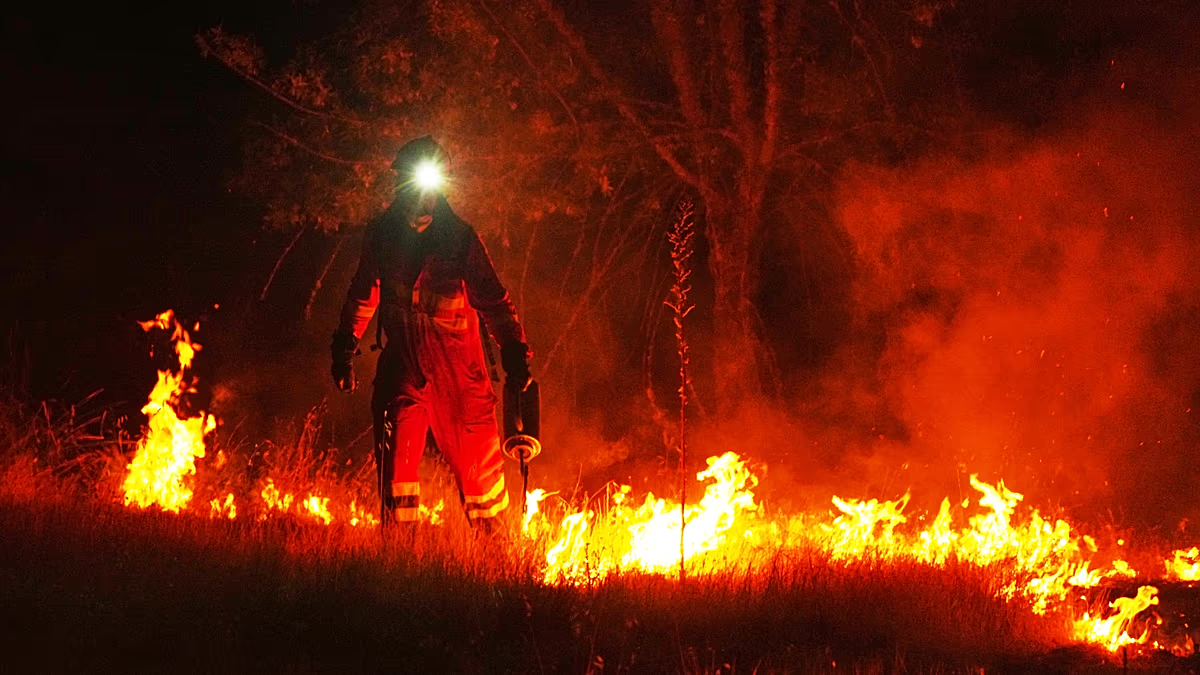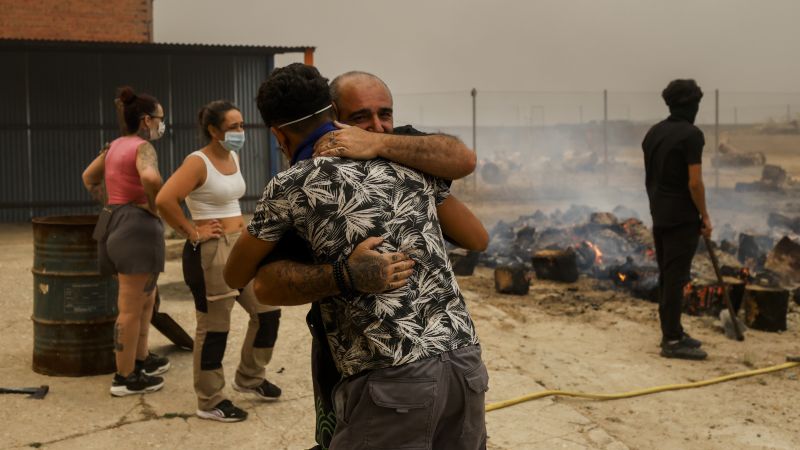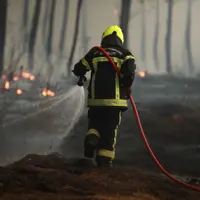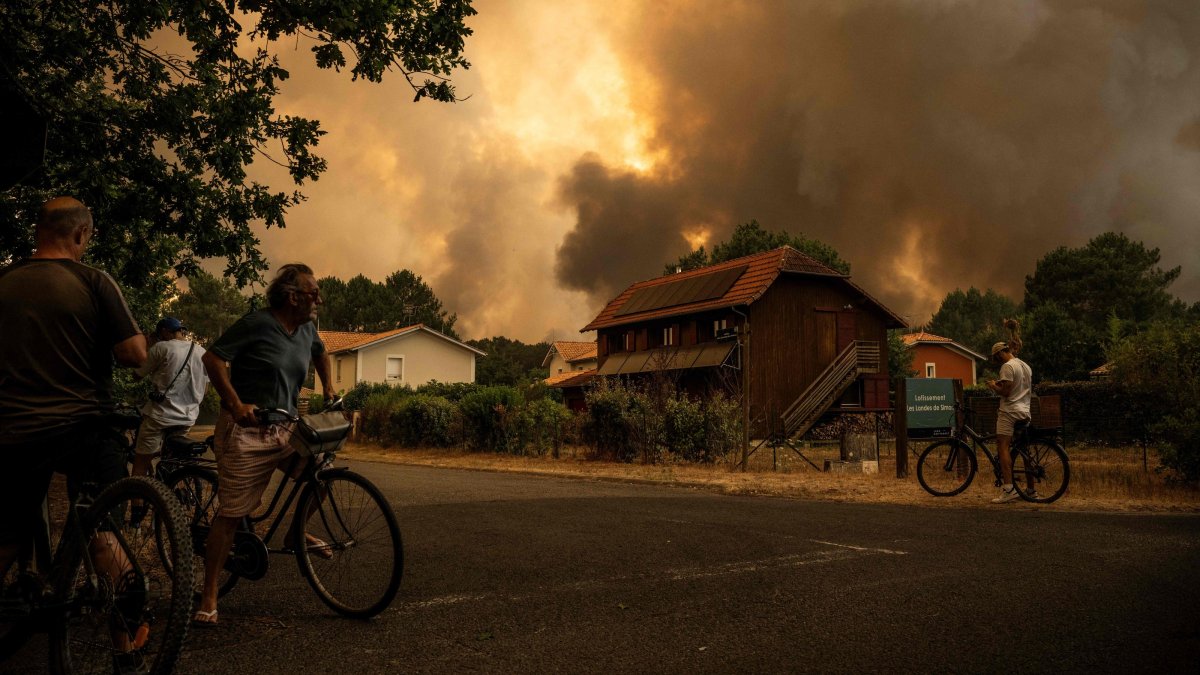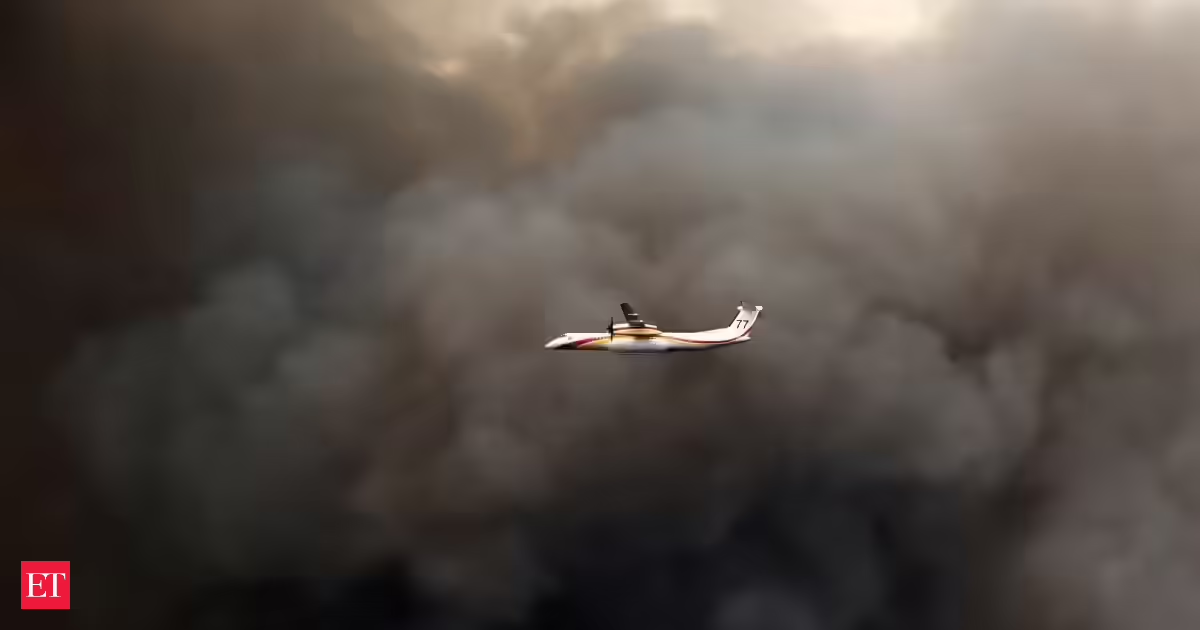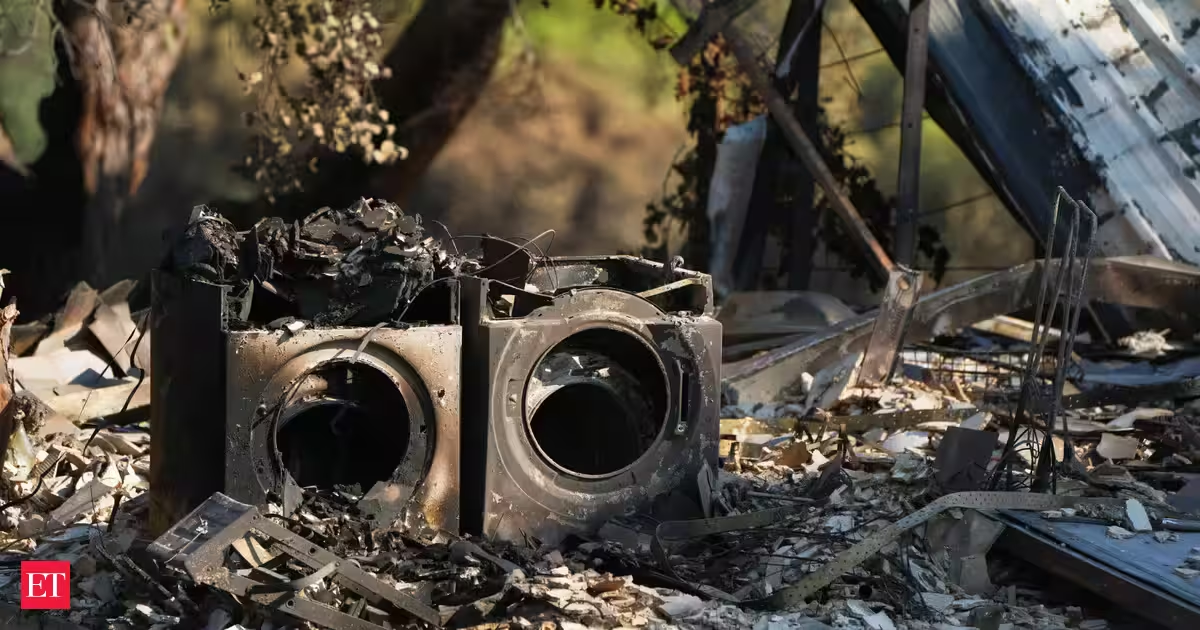
Wildfires in France and Spain have forced more than 300,000 people to leave their homes as heat waves, dry conditions and limited rainfall intensify one of Europe's largest evacuation efforts since World War II. The fires have scorched vast areas, including parts of southwestern France and regions near Spain's capital Madrid. Rising temperatures expected later this week could further challenge firefighting operations. European climate data shows the continent is warming faster than any other region globally, with multiple extreme heat events recorded this year.Check live updates for Spain wildfiresCheck live updates for France wildfires Heat and drought worsen fire conditions Prolonged heat waves and below-average rainfall have created conditions favourable for the rapid spread of wildfires across Europe. Record temperatures in Western Europe have dried vegetation, increasing the availability of fuel for fires and making them more difficult to control. A study by World Weather Attribution in June said recent record-breaking heat would not have occurred without the influence of climate change. France's national weather service Météo-France reported that June was the country's hottest month on record, with average temperatures 3.8 degrees Celsius above normal and rainfall nearly 50% below average. Spain, which regularly experiences forest fires during warmer months, has seen conditions worsen due to hotter summers and drier landscapes. Changes in farming and industries that previously used forest materials have also contributed to the accumulation of dry vegetation.Also Read: Pyrocumulonimbus: France-Spain wildfires are creating rare 'fire clouds' that spark their own lightning Wildfires exceed previous records Authorities in France and Spain have reported fires of unprecedented scale this year. The European Union's European Forest Fire Information System estimates that more than 300,000 hectares of land have burned across the two countries. France's Interior Ministry said 13,566 fires have affected over 116,000 hectares since January, marking the highest annual figure in the country's modern records. In Spain, Ecological Transition Minister Sara Aagesen said around 153,000 hectares have burned this year, six times the area affected during the first half of 2025. Spain has also witnessed some of its largest wildfires on record, including a blaze in Ávila, west of Madrid, which burned more than 50,000 hectares. Earlier this month, a fire in southeastern Almeria killed 13 people, making it the country's deadliest wildfire in recent years. More than 300,000 people evacuated The European Union described the evacuation effort in France and Spain as one of the biggest in Europe. More than 300,000 people have been displaced as authorities work to protect communities from advancing fires. France has evacuated over 250,000 people, including around 220,000 residents in the southwestern Gironde region. Authorities in Gironde have also restricted holiday activities ahead of the August tourist season, including banning camps for children and people with disabilities. In Spain, around 79,000 people have been evacuated from villages west of Madrid and from Castellón province on the eastern coast. Another 30,000 people have been ordered to remain indoors, according to the government. European countries provide firefighting support The European Union has deployed aircraft and helicopters from several countries to support firefighting operations in France and Spain. European Commissioner for Crisis Management Hadja Lahbib said the EU sent seven planes and four helicopters from Czechia, Croatia, Germany, Portugal, Slovakia, Sweden and Turkey to France. Another six planes from Greece, Italy and Turkey were sent to Spain. The EU's Copernicus satellite programme is also assisting emergency teams by providing updated maps of fire risks and affected areas.(With input from agencies)
Where are the wildfires in Spain and France? Areas affected, evacuation updates and latest situation
Wildfires in France and Spain have forced over 300,000 people to evacuate their homes. These fires have scorched vast areas, exceeding previous records in both nations. Prolonged heat waves and below-average rainfall have worsened fire conditions across Europe. The European Union has deployed aircraft and helicopters to support firefighting operations. This event represents one of Europe's largest evacuation efforts since World War II.
574 words~3 min read