Four years ago, at a pub quiz in Cambridge, Massachusetts, my team ferociously debated a music-round question: who conducted the first performance of Handel’s Messiah?
My contribution to our pursuit of a bucket of bottled beer was that one of the most performed choral works on earth premiered on Dublin’s Fishamble Street in April 1742, in a venue so oversold that women were asked to remove their dress hoops and men were told leave their swords at home.
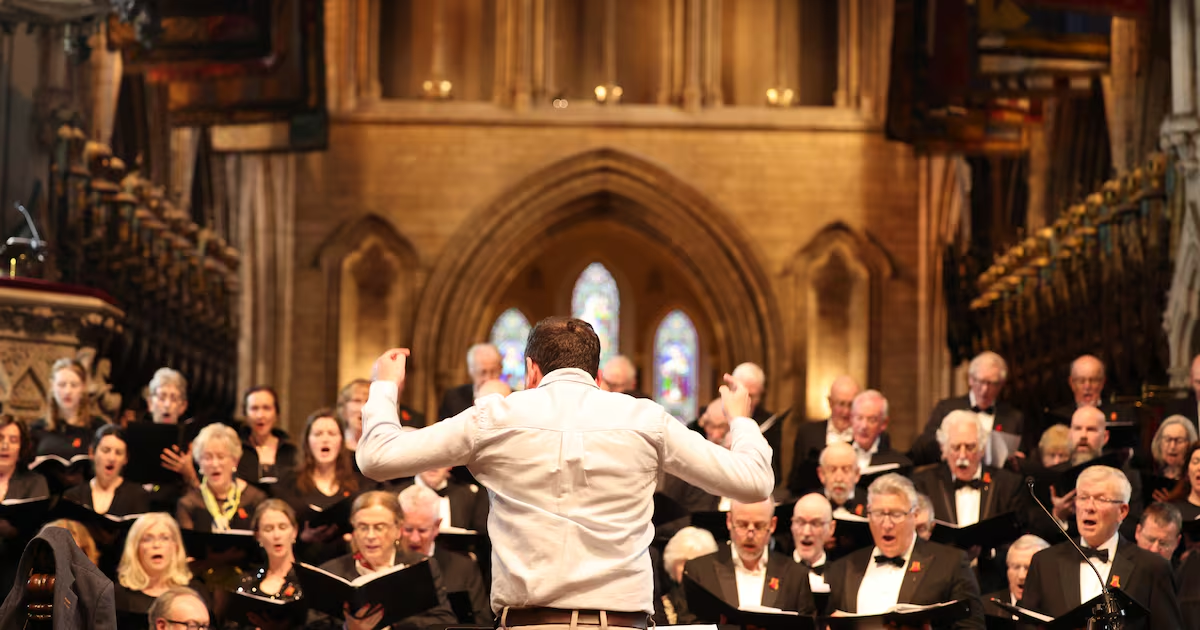
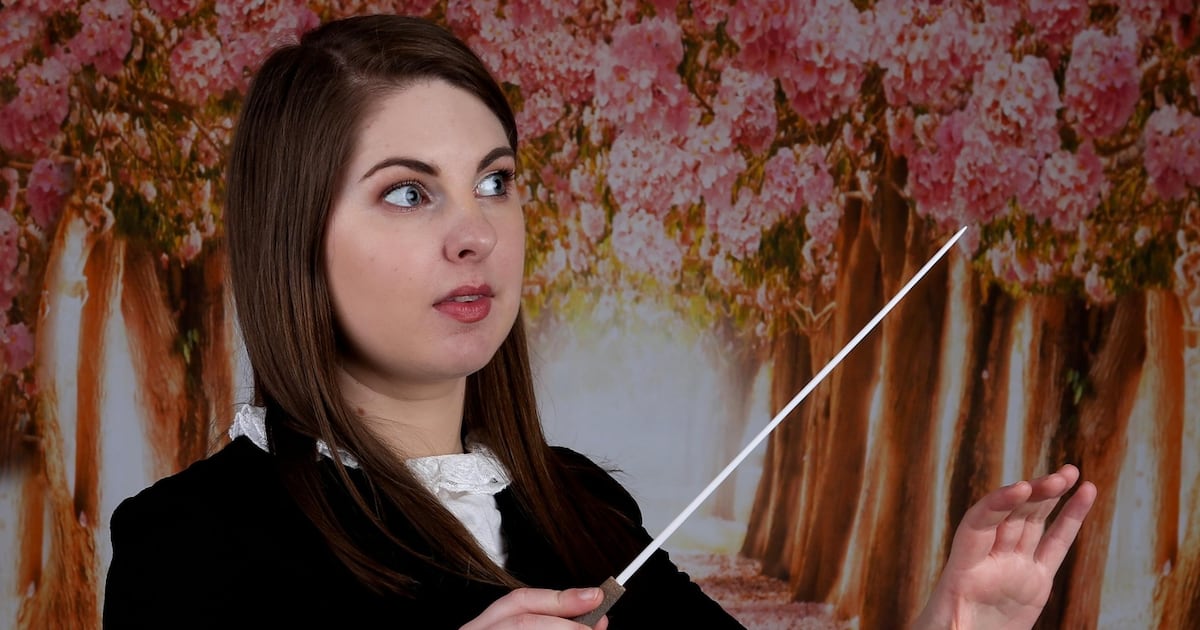
It was, of course, a trick question. Nobody conducted it, as the baton-waving maestro had not yet been invented – so Handel led from the keyboard while the orchestra was directed by the English violinist Matthew Dubourg, who held the grandiose title of Master of the State Music in Ireland. The most successful piece of classical music ever written was first led by Ireland’s official musician: three centuries ago, this country sat at the artistic summit of western civilisation.
But why in Dublin? Because Ireland had a tradition so far ahead of its time: the benefit concert. Dublin’s concert societies existed to use performances to fund state welfare. The Fishamble Street hall was built by the Charitable Musical Society to pay for the release of imprisoned debtors, and the Messiah premiere’s proceeds were split between two hospitals and the jails – that one evening discharged the debts of 142 prisoners. Dublin had discovered, 243 years before Bob Geldof’s Live Aid, that art could underwrite government financial obligations, and had the institutions to do it at scale.