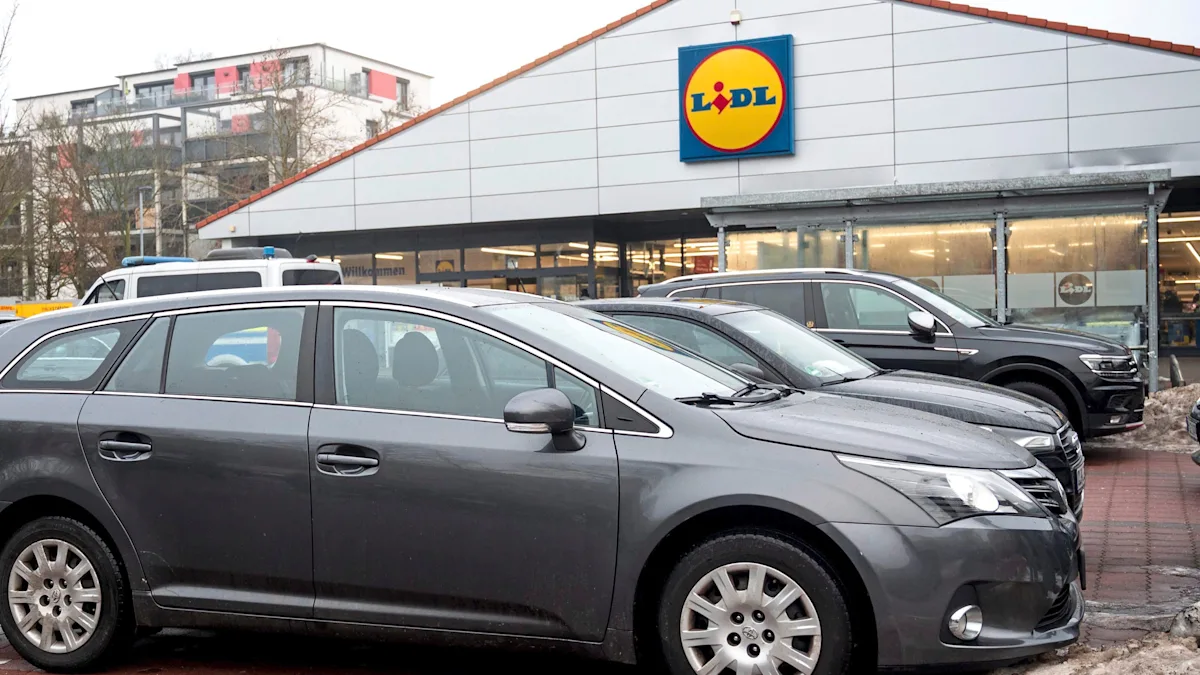
The Schwarz Group has temporarily removed fully electric cars from its company car list in Germany. Employees of Lidl and Kaufland’s parent company can no longer select a battery-electric company car for new orders – and thus cannot benefit from the tax advantages associated with private use. The company cites a volatile market environment and shifting regulatory frameworks as the reasons for this decision.
As reported byWelt, the Schwarz Group has provisionally suspended new orders for battery-electric company cars in Germany. A company spokesperson told the newspaper that the situation would be continuously reviewed – and that if the market environment stabilises, the procurement policy could be adjusted. The decision was first reported by Lebensmittel Zeitung.
According to Welt, the measure is primarily driven by the resale values of EVs. Unlike many other companies, the Schwarz Group does not lease its company cars but purchases them outright and later sells them on the used car market. The group stated that the lower residual values of many electric cars compared to combustion engine vehicles directly impact the fleet’s economic viability.
Additionally, demand for used electric cars has so far been weaker than for comparable combustion engine vehicles. The report cites rapid technological advancements in range, charging performance, and software as contributing factors. As a result, electric cars that are just a few years old may appear outdated to potential buyers. Furthermore, the tax incentives for electric company cars primarily boost demand for new vehicles but do not support their subsequent sale as used cars.