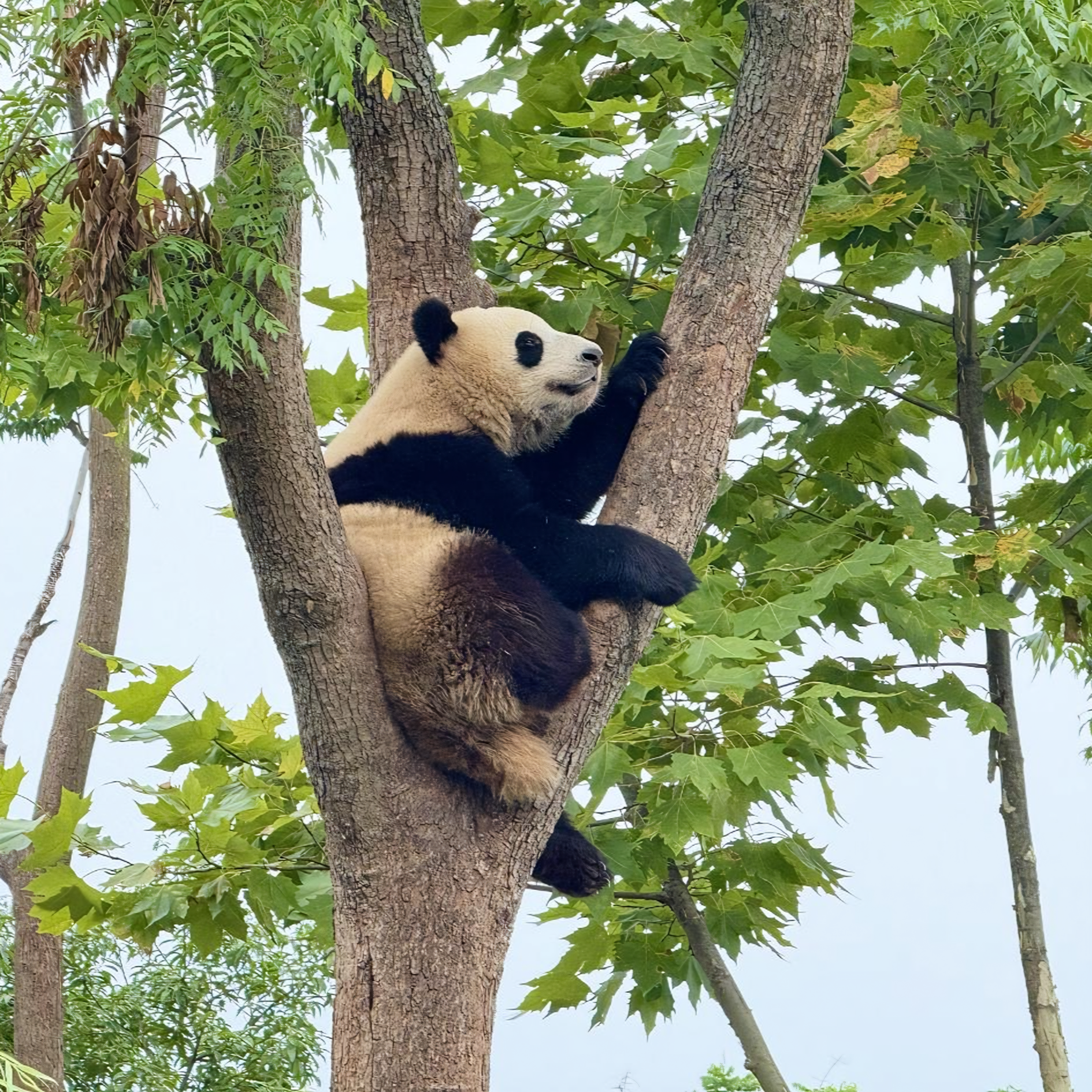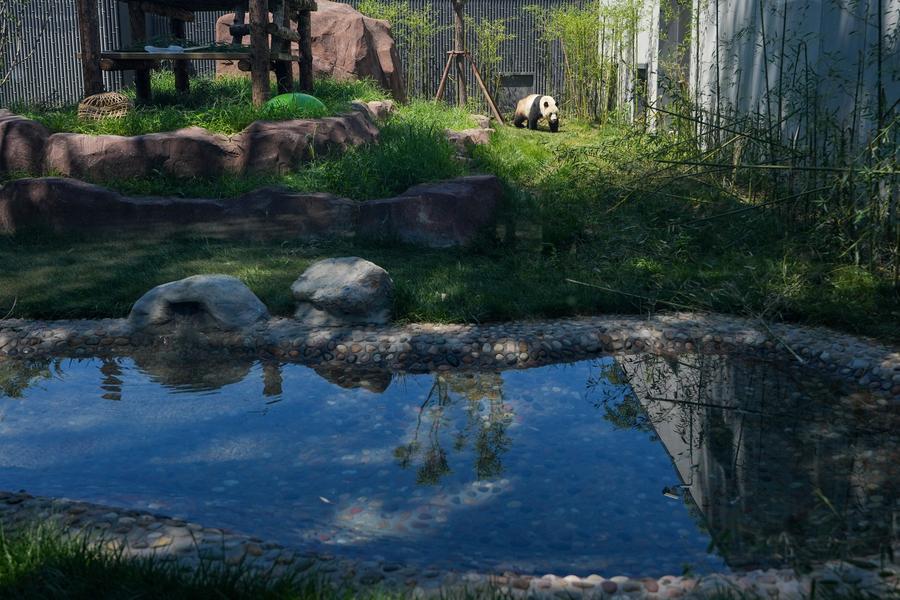
By Lee Hae-rinThe moment the plane touches down in Chengdu, it is immediately clear this is China’s panda capital.Giant black-and-white sculptures line the arrival hall, cartoon pandas beam from wayfinding signs and duty-free displays, and airport cafes serve lattes topped with foamy panda faces. The most beloved animal in the country is everywhere, from street murals to subway advertisements, and it sits at the centre of the city’s cultural identity and tourism boom.Giant pandas are only found in China. The total number of live giant pandas is believed to be about 1,800, and the cool and humid bamboo forests in the mountains of Sichuan province, of which Chengdu is the capital, are home to 72 per cent of them.The city has transformed this ecological trait into a powerful tourism brand. At the heart of its “panda city” image is the Chengdu Research Base of Giant Panda Breeding.“This base covers about 3,570 acres [1,445 hectares],” says panda tour guide Zhao Liping. “If you like to visit the whole base, it’s going to take you around seven hours.”She explains that some 270 giant pandas live at the base, though a typical visit reveals around 140.
Inside the black-and-white panda-monium in Chengdu, China’s panda capital
Chengdu thrives on panda tourism, with the Chengdu Research Base of Giant Panda Breeding at its heart attracting millions of tourists a year.
193 words~1 min read