Analysts attribute the slowdown in project execution and expansion decisions partly to global geopolitical uncertainties during the first half of the year.
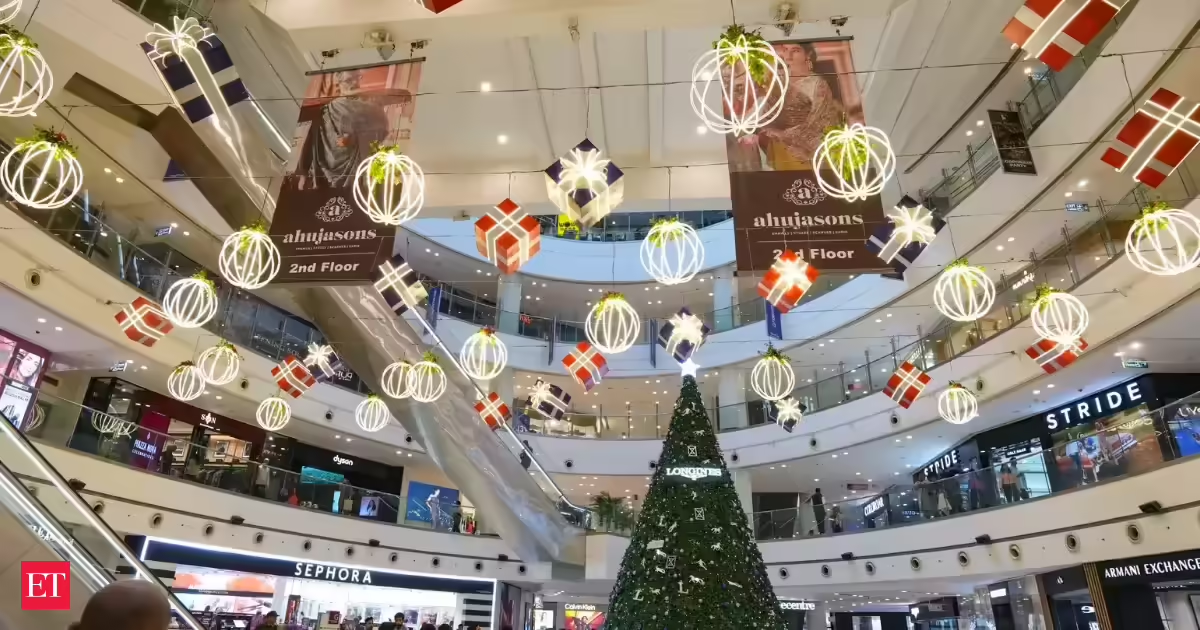
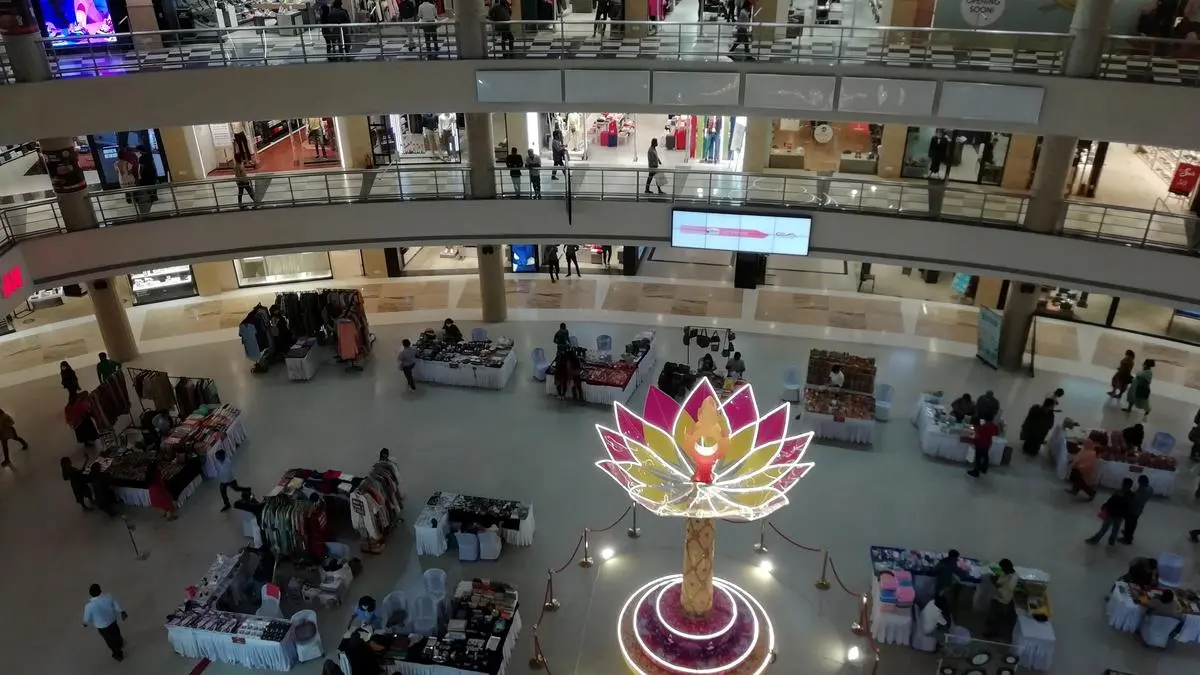
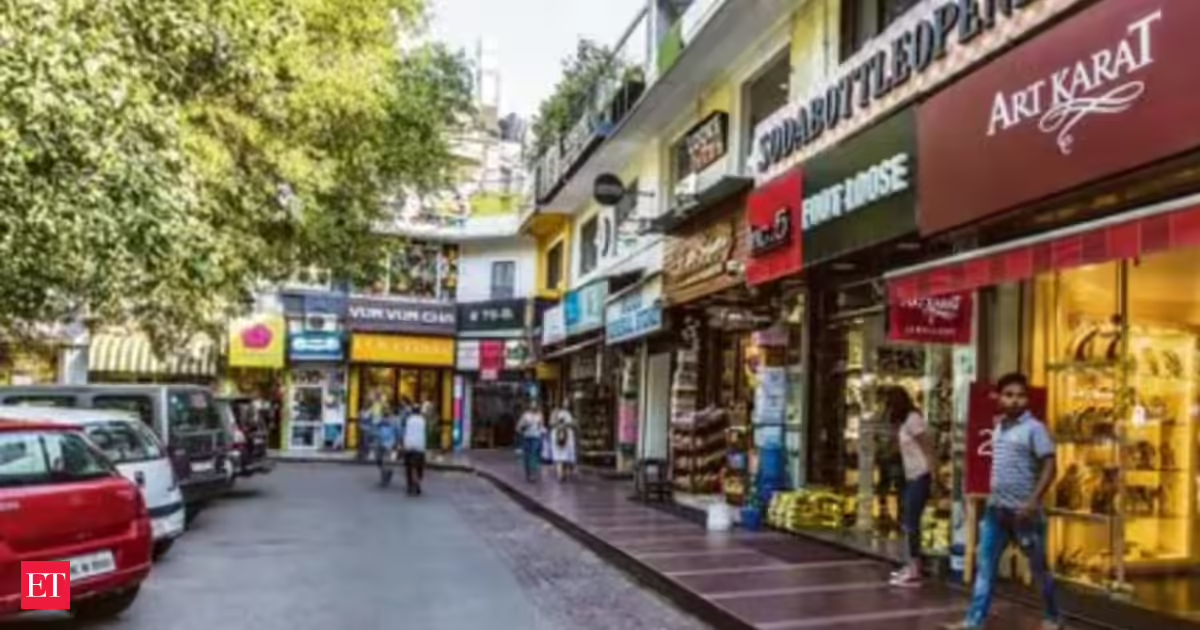
Retail space leasing across India’s top seven cities reached approximately 4.1 million sq. ft. in the first half of 2026, significantly outpacing new Grade A mall completions of just 0.9 million sq. ft., according to data from real estate consultancy ANAROCK Research.The stark demand-supply imbalance meant retailers leased nearly 4.5 times the volume of new space delivered during the six-month period, pushing vacancy levels in premium retail assets to an all-time low of 6.7 per cent .Anuj Kejriwal, CEO – Retail & CEO – Europe, Middle East & Africa, ANAROCK Group, says, “The supply problem is cumulative and escalating - data of India’s top 7 cities over the past 16 years shows a persistent mismatch between Grade A retail supply and leasing demand. While new mall completions fluctuated sharply from year to year, leasing demand has steadily absorbed available Grade A space, pushing vacancy rates lower. We now have a chronically supply-constrained market where retailers’ the biggest challenge is not drawing shoppers but finding the right spaces to serve them in.”City-level trends highlight a severe shortage of new retail infrastructure across major metropolitan hubs. Delhi-NCR was the only market among the top seven to record fresh Grade A mall completions in H1 2026, adding about 0.9 million sq. ft. against leasing activity of 1.26 million sq. ft. In contrast, key markets including Mumbai, Bengaluru, Hyderabad, Pune, Chennai, and Kolkata saw gross leasing activity but recorded virtually no new Grade A mall completions during the period.Both leasing and new supply moderated from exceptionally strong levels in 2025. Leasing declined by around 24 per cent Y-o-Y, while new completions fell by approx 57 per cent . Geopolitical uncertainty in the first half of the year also prompted some retailers to defer expansion decisions.new supplyYet, even with this moderation, demand continued to substantially exceed new supply.Both leasing and fresh supply moderated from the high levels recorded in 2025. Gross retail leasing fell by around 24 per cent year-on-year, while new completions dropped by approximately 57 per cent . Analysts attribute the slowdown in project execution and expansion decisions partly to global geopolitical uncertainties during the first half of the year.In 2025, top cities added 5.2 million sq. ft. of supply alongside a record 13 million sq. ft. of gross leasing, following 2024 supply lows of 1.1 million sq. ft.While Grade A mall vacancy compressed to 6.7 per cent —down from post-pandemic highs of 15.5 per cent in 2021—lower-grade retail properties continue to lag. Vacancy rates in Grade B and C assets across major cities remain elevated, ranging between 8 per cent and 35 per cent .“We now have a chronically supply-constrained market where retailers’ biggest challenge is not drawing shoppers, but finding the right spaces to serve them in,” said Anuj Kejriwal, CEO – Retail, ANAROCK Group.Published on July 27, 2026